Poland and Pierogi: Crafting the Warmth of Life
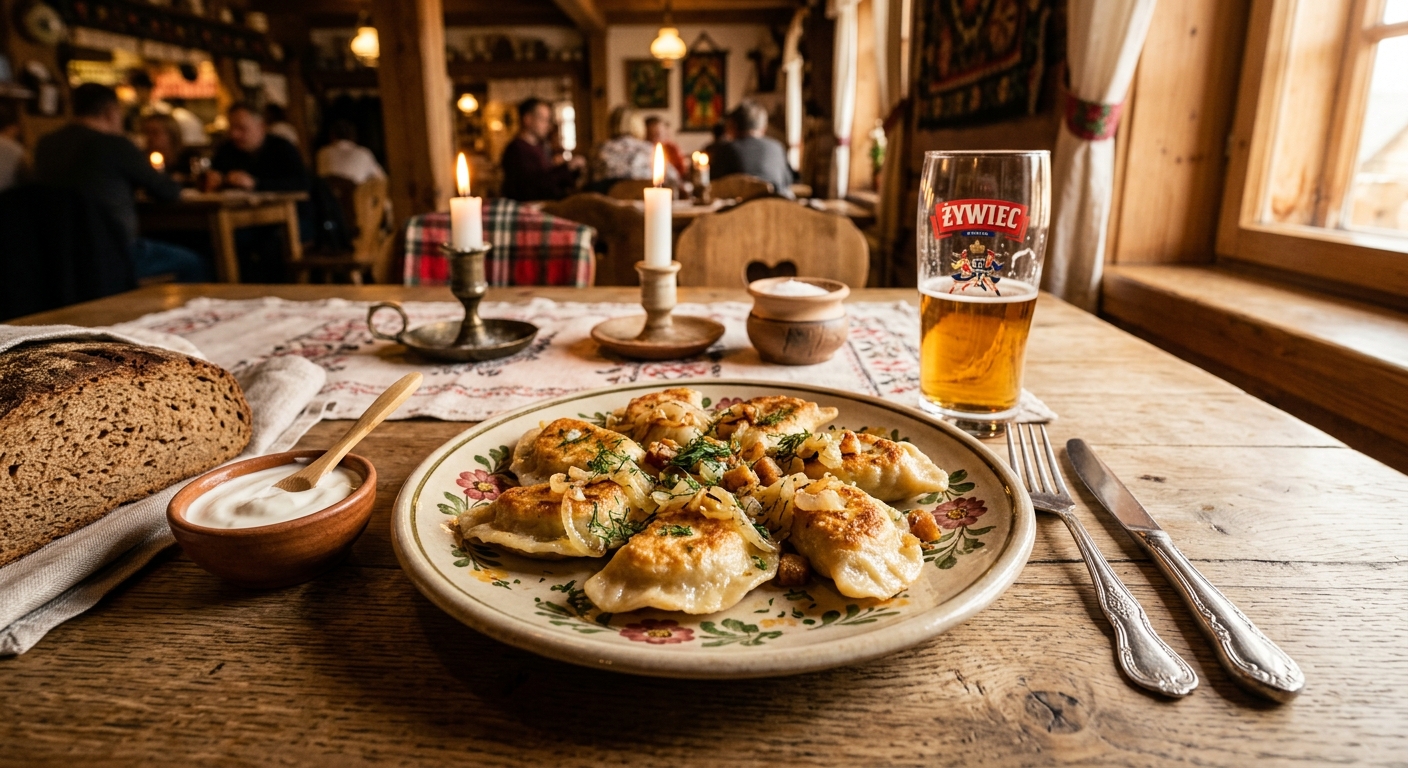
When we speak of Poland, the heart of Eastern Europe, there is an indispensable protagonist on their dining tables: Pierogi. This small dumpling, embracing various fillings within its chewy dough, is more than just food; it encapsulates the life, culture, and history of the Polish people. For Poles, pierogi signifies the taste of home, grandmother's cooking, and family love. Memories of gathering around the table to make pierogi on cold winter nights paint a warm picture of their childhood. Whether for holidays, special occasions, or everyday life, pierogi is always there. Just as kimchi is essential to a Korean meal, pierogi symbolizes Polish identity on their tables. Each piece of this small dumpling profoundly embodies the resilient vitality and warm sentiment of the Polish people, offering a deep emotional experience as if hearing their stories with every bite. It is no exaggeration to say that pierogi is food crafted from the soul of Poland. Their joys and sorrows, hopes and memories are melted into the chewy dough, creating a magical presence that warms not only the palate but also the heart.
"Pierogi is not just food. It is the history of Poland, family memories, and a symbol of warm love." - Travel Writer, K.J.
History and Origin: A Taste That Crossed the River of Time
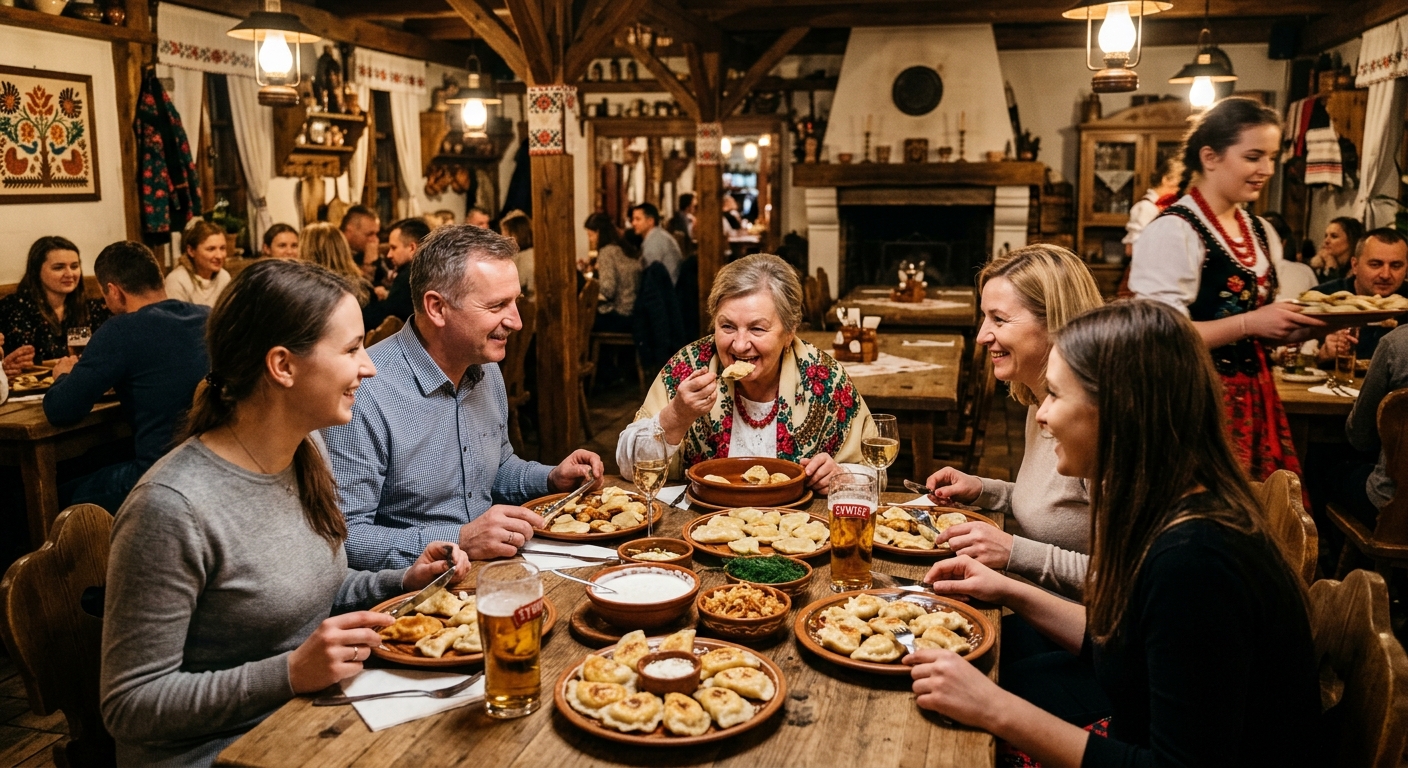
The history of pierogi is as deep and complex as Poland's long-standing past. While several theories exist regarding its origin, the most widely accepted story is that Saint Hyacinth brought pierogi to Poland from Kyiv in the 13th century. Another plausible theory suggests that dumpling-shaped food, spread across Eastern Europe with the Mongol invasions, assimilated into Polish culinary culture and was reborn as pierogi. Initially, it was a luxury dish served on the tables of nobles and the wealthy, but it gradually became popularized and deeply embedded in the lives of ordinary people. Especially in the Middle Ages, pierogi developed into various forms, with each filling carrying a special meaning. Pierogi was made for weddings to wish good fortune and for funerals to soothe sorrow, illustrating its integral role in the joys and sorrows of Polish life. Over centuries, pierogi underwent countless changes and developments in Poland, evolving into the diverse forms we know today. Each region boasts its unique recipes and fillings, serving as a treasure trove of Polish culinary culture. This small dumpling embodies Poland's turbulent history, the wisdom that blossomed within it, and an unwavering will to live.
Traditional Recipe: The Secret Taste of Grandmother's Hands
Pierogi Ruskie: The Most Beloved Tradition
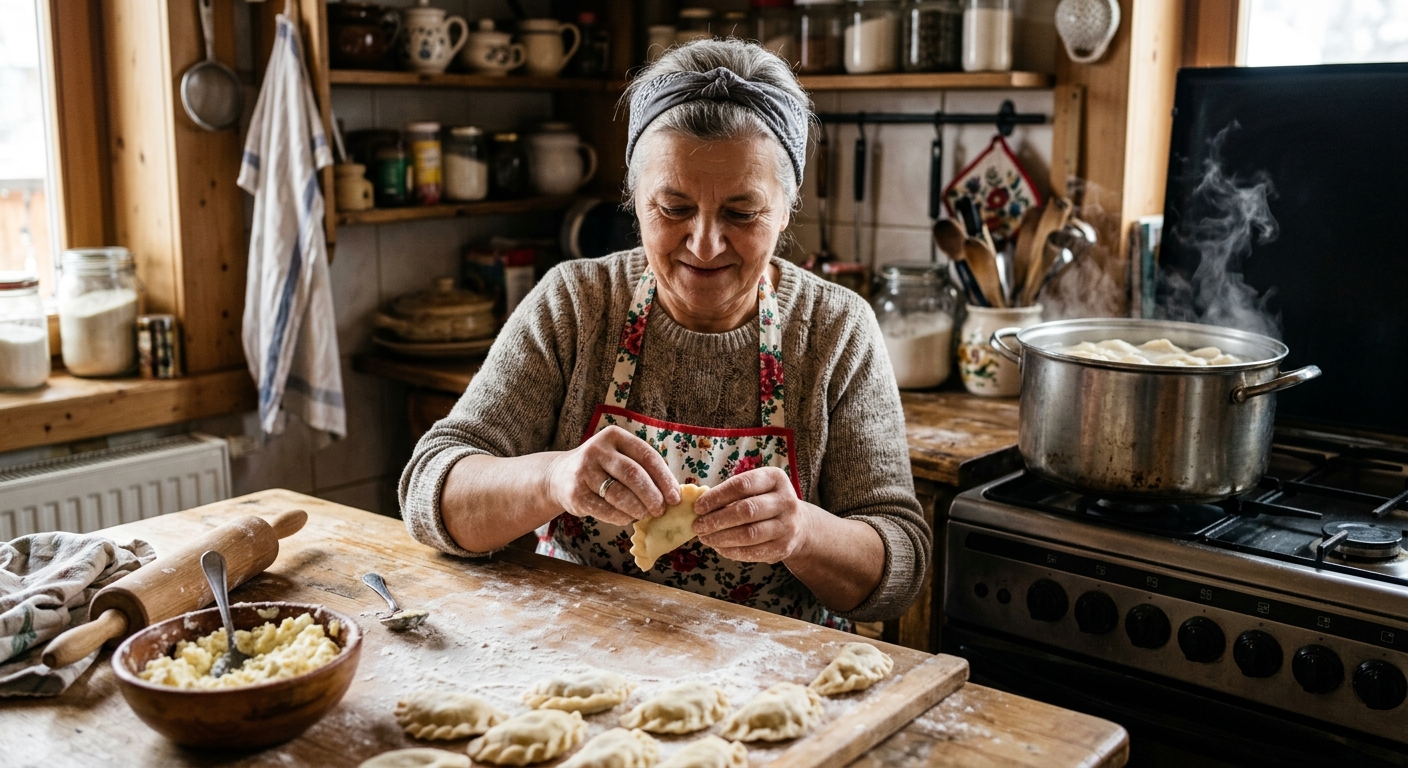
Among all types of pierogi, 'Pierogi Ruskie' is undoubtedly the most popular and beloved. Although its name sometimes leads to the misconception of it being Russian pierogi, 'Ruskie' actually refers to 'Ruthenian pierogi,' originating from the western Ukraine and southeastern Poland regions. Its essence lies in the filling: a mixture of mashed potatoes, fried onions, and twaróg, a Polish cottage cheese. The refreshing yet savory flavor of twaróg, combined with the creaminess of mashed potatoes and the sweetness of onions, creates a harmonious blend. The dough is simply made from flour, egg, salt, and a little water. This dough is rolled thinly, cut into circles, filled with the prepared mixture, and carefully sealed into a half-moon shape. It's crucial to press the edges with a fork to create a beautiful pattern and prevent the filling from leaking out. The pierogi are then boiled in salted water until they float and are cooked through. Traditionally, boiled pierogi are lightly pan-fried in butter to achieve a crispy exterior and a moist interior. Each family passes down its unique recipe and personal touch, resulting in one-of-a-kind pierogi. The deep and warm taste created by these simple ingredients is a testament to Polish wisdom and love.
How to Enjoy Locally: Small Joys in Everyday Life
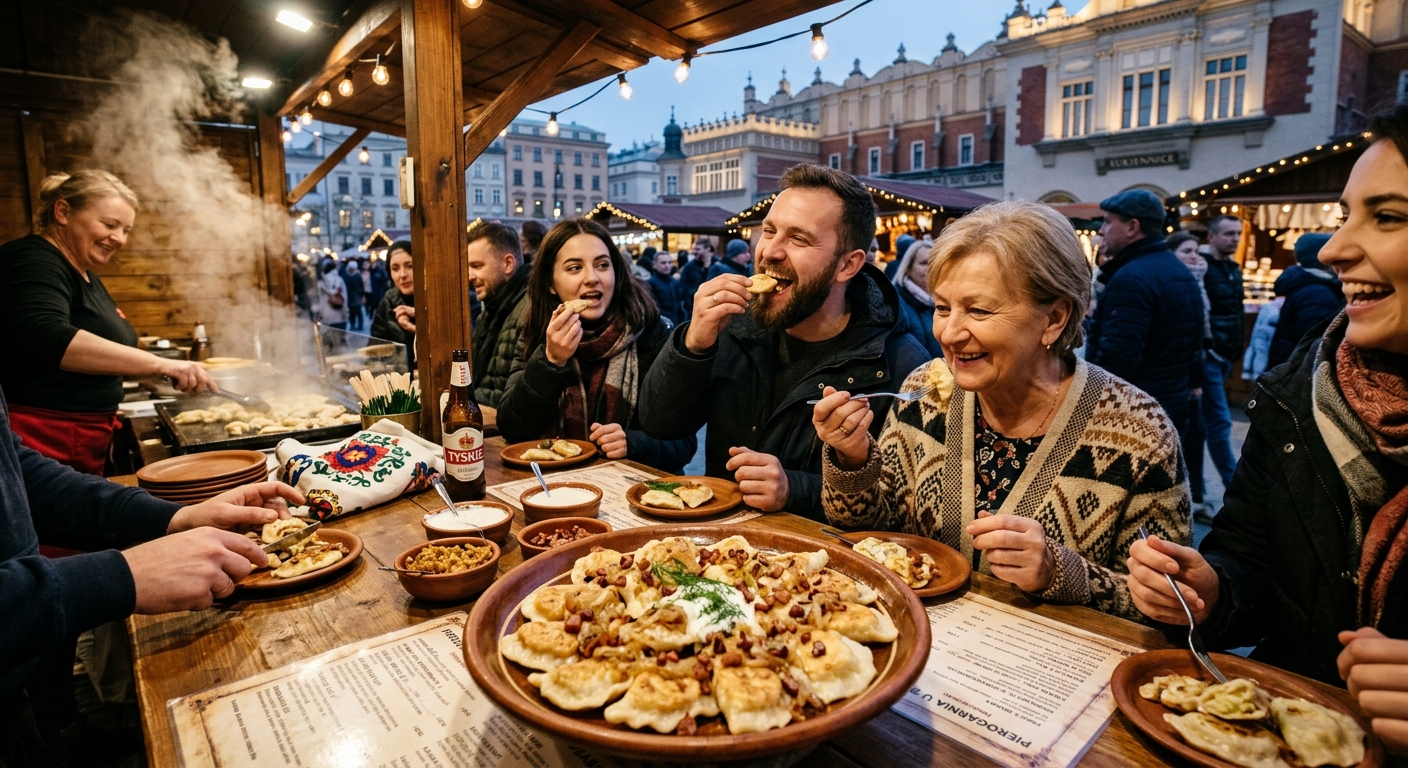
There are many ways to enjoy pierogi locally in Poland. The most basic way is to serve boiled and lightly pan-fried pierogi topped with crispy bacon bits (skwarki) or sautéed onions. This combination of soft pierogi, salty bacon, and sweet onions creates a fantastic flavor. Serving with sour cream (śmietana) is also common; the cream's tanginess enhances the pierogi's savory notes. Fresh herbs like dill or parsley are sometimes sprinkled for added aroma. In Polish households, pierogi is often served as a side dish with main courses, or sometimes enjoyed as a meal with warm soup. It's also popular street food, found fresh and hot at markets and festivals. On Christmas Eve, following the tradition of not eating meat or dairy, 'Pierogi z kapustą i grzybami' (pierogi with cabbage and mushrooms) is prepared. Sweet pierogi is also a must-try, made with fresh fruits (strawberries, blueberries, cherries, etc.) or sweet cheese as filling, enjoyed as a dessert. Sprinkled with warm butter and sugar, it's a heavenly treat. Pierogi is deeply embedded in the daily lives of Poles, bringing simple yet profound happiness as a true soul food.
Taste Characteristics: The Taste of Poland, Experienced with All Senses
From the first bite to the lingering aftertaste, pierogi offers a unique experience that satisfies all five senses. The chewy yet soft dough embraces the tongue, and then the rich flavor of the filling spreads throughout the mouth. In the case of Pierogi Ruskie, the fluffiness of mashed potatoes, the refreshing yet deeply savory taste of twaróg cheese, and the sweet aroma of fried onions blend exquisitely, creating a warm and comforting flavor. Pierogi lightly pan-fried in butter offers an even more appealing contrast of crispy exterior and moist interior. With each bite, a subtle buttery aroma fills the air, and as the warmth of the filling goes down the throat, it feels as if the charming landscape of Poland unfolds before one's eyes. Meat pierogi boasts a succulent flavor, while cabbage and mushroom pierogi offers a deep, savory taste. Sweet fruit pierogi provides a delightful burst of refreshing juice and soft dough, filling the mouth with happiness. Pierogi is more than just delicious food; it's an artwork infused with the joys and sorrows and warm sentiments of the Polish people. The deepening flavors with each chew touch the heart beyond the tongue, making one feel the charm of Poland with their whole being. The emotion this small dumpling delivers will remain unforgettable.
Taste in Korea: A Small Poland in Seoul
For gourmands who long for the taste of Poland in Korea, there are hidden gems in Seoul/Gyeonggi where you can savor authentic pierogi. These places not only serve food but also strive to convey Polish culture and sentiment.
1. Poland Mandu
Located in Itaewon-dong, Yongsan-gu, Seoul, 'Poland Mandu' is a restaurant run by a local, where you can experience the authentic taste of pierogi. You can find not only 'Pierogi Ruskie' but also various other types, including meat, cabbage, and mushrooms. Eating the chewy yet soft pierogi with sour cream and fried onions makes you feel as if you are dining in Poland. It's a great place to enjoy pierogi with Polish beer in a warm and cozy atmosphere.
2. Pierogi
This establishment, whose name is simply 'Pierogi,' is located in Jongno-gu, Seoul. You can enjoy handmade pierogi in a modest but friendly atmosphere. This place particularly focuses on preserving the original flavor of the ingredients by using fresh produce. While pursuing traditional tastes, they also make subtle adjustments to suit Korean palates, making it enjoyable even for those new to pierogi. Their meat pierogi is known for its juicy flavor, attracting many regulars.
3. European Kitchen - Offered as a partial menu
Some European kitchens or brunch cafes located in bustling areas like Gangnam or Hongdae in Seoul occasionally feature pierogi as a special menu item. Although not specialized restaurants, this can be an opportunity to taste pierogi reinterpreted with a modern touch. Checking the menu before visiting is essential. These places will be excellent choices for those who wish to experience the taste of Poland.
Making at Home: Your Own Pierogi Recipe
Pierogi is surprisingly easy to make at home. How about spending a weekend afternoon making pierogi with family or friends and experiencing a touch of Poland? Try making your own pierogi based on the basic 'Pierogi Ruskie' recipe.
Dough Ingredients:
- 300g all-purpose flour
- 120ml warm water
- 1 egg
- 1/2 teaspoon salt
- 1 tablespoon cooking oil (optional, enhances dough flexibility)
Filling Ingredients (Pierogi Ruskie):
- 2 potatoes (approx. 300g)
- 150g twaróg cheese (can be substituted with cottage cheese or ricotta cheese)
- 1/2 onion
- 1 tablespoon butter
- Salt, pepper to taste
Instructions:
- Make the dough: Place flour in a large bowl and mix with salt. Make a well in the center, add the egg, cooking oil, and warm water. Mix with a spatula, then knead by hand to form a smooth dough. Once smooth, wrap in plastic wrap and let rest for about 30 minutes.
- Make the filling: Peel and boil potatoes, then mash them while hot. Finely chop the onion and sauté in butter until golden. Combine mashed potatoes with sautéed onion and twaróg cheese. Season with salt and pepper and mix well.
- Shape the pierogi: Roll out the rested dough thinly with a rolling pin and cut out circles about 7-8cm in diameter. Place about 1 tablespoon of filling in the center of each dough circle, fold in half, and seal the edges carefully. Press the edges with a fork to create a decorative pattern.
- Boil: Drop the pierogi into boiling salted water. Once they float to the surface, cook for another 2-3 minutes, then remove.
- Serve: Lightly pan-fry the boiled pierogi in butter until golden. Serve with sour cream, fried onions, or bacon bits for a delicious treat.
Feel free to experiment with various fillings to create your unique pierogi. You can fill them with meat, cabbage and mushrooms, or even sweet fruits like strawberries or cherries. Homemade pierogi will offer a warm and special memory, unlike any restaurant dish.