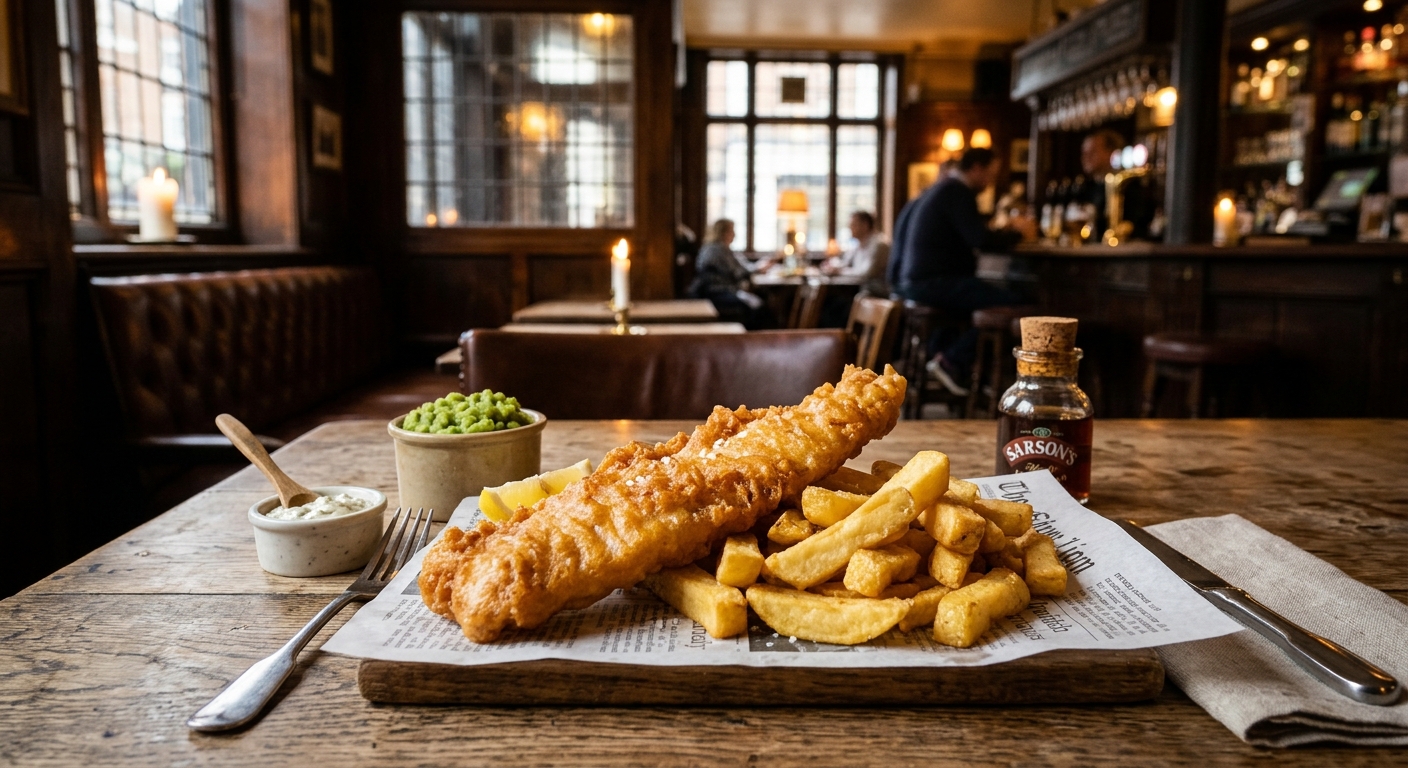
1. Britain and Fish and Chips: Warm Comfort Born in the Sea Mist
When one imagines Britain, the first scenes that come to mind are stone-lined lanes stretching beneath slate-gray skies, brisk coastal winds, and the unmistakable, nutty aroma of frying batter that warms the chill in an instant. From rain-slicked alleyways in London to quiet harbor piers along the North Sea, people stroll with warm paper parcels cradled in their hands. At the heart of this everyday ritual stands fish and chips. For Britons, it is far more than a quick meal or street food; it is a shared cultural memory that bridges generations and social classes—a humble yet deeply cherished emblem of home.
It is the unpretentious supper that gathers families around the table after an exhausting day, and the faithful companion to weekend seaside outings accompanied by the cries of gulls. Though far removed from royal banquets or haute cuisine, its enduring warmth and honesty have secured its place as an irreplaceable symbol of British identity.
"On a cold, rain-swept evening, a golden parcel warming your fingertips is the gentlest greeting Britain has to offer."
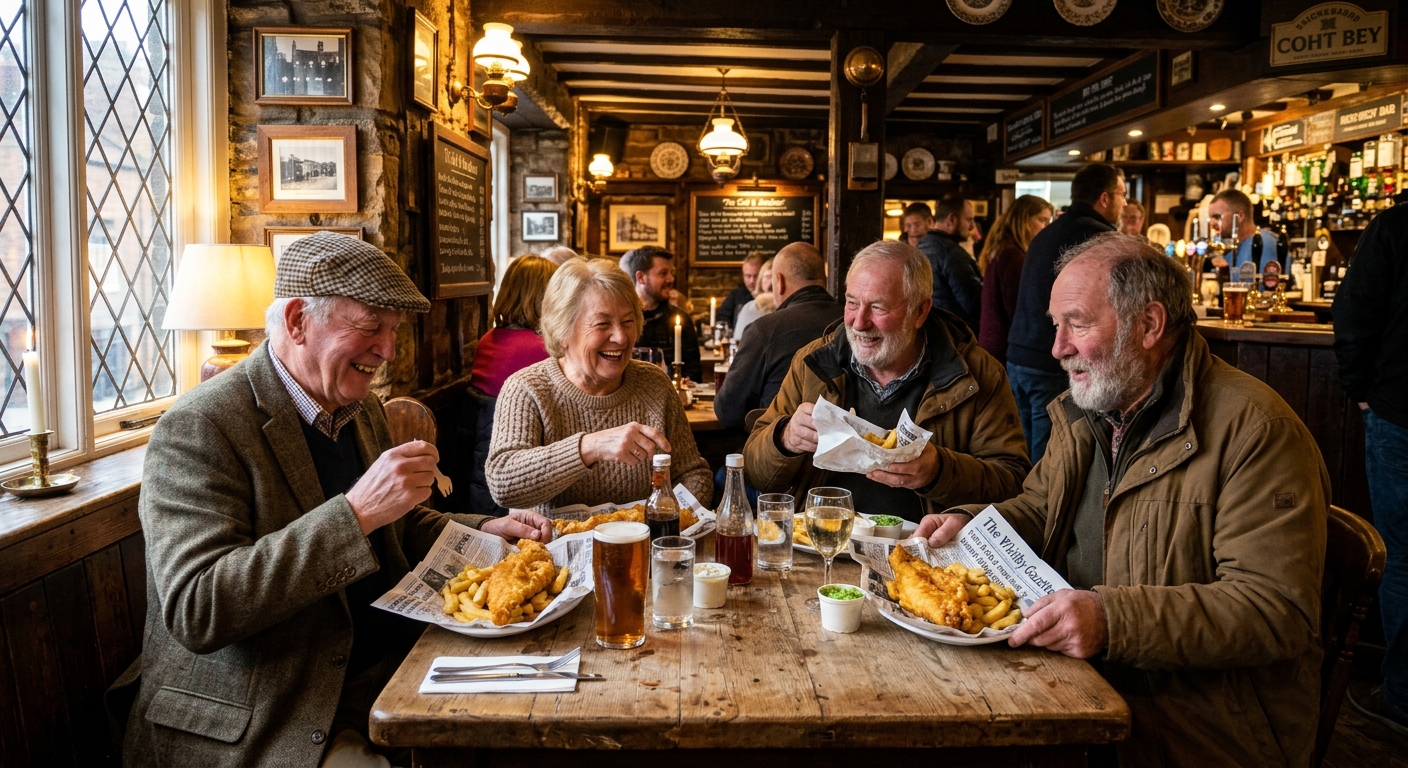
2. History and Origins: An Industrial-Age Miracle of Two Traditions
Intriguingly, this quintessentially British dish was born from the meeting of two distinct culinary traditions. The technique of frying fish in batter was brought to Britain by Jewish immigrants from the Iberian Peninsula beginning in the sixteenth century. To observe the Sabbath without lighting a fire, they fried fish on Friday to eat cold the next day—a method that took root and gained popularity in London's working-class neighborhoods by the mid-nineteenth century. Meanwhile, thick-cut fried potatoes, or chips, arrived from continental Europe, particularly Belgium and northern France, spreading rapidly through Britain's northern industrial towns.
These two elements converged on a single plate in the 1860s at the height of the Industrial Revolution. Expanding railway networks allowed fresh cod and haddock from coastal ports to reach inland factory cities within a day, turning this affordable, calorie-rich pairing into vital fuel for weary laborers. Later, during the Second World War, the British government famously kept fish and chips off the rationing list to preserve public morale—testament to the profound role it played in national life.
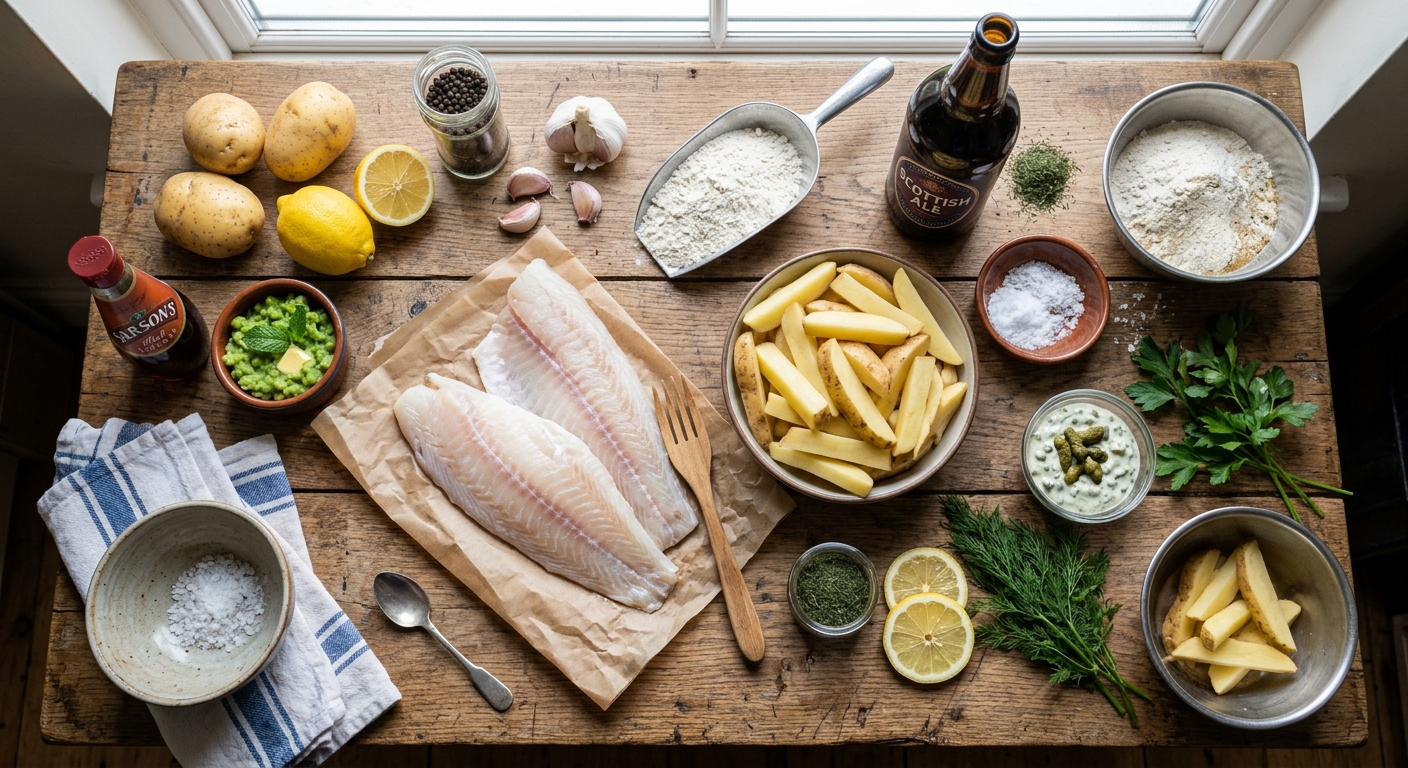
3. The Traditional Recipe: The Quiet Science of Heat and Simplicity
The ingredient list for fish and chips is remarkably brief, yet that very simplicity demands precision. Traditional recipes rely on firm, mild white fish such as cod or haddock. Once deboned, the fillets must be patted completely dry and dusted lightly with flour so the batter clings evenly. The secret to the crust lies in temperature contrast: flour, baking powder, and a pinch of salt are whisked lightly with ice-cold water or rich amber ale until just combined, keeping the mixture aerated and chilled.
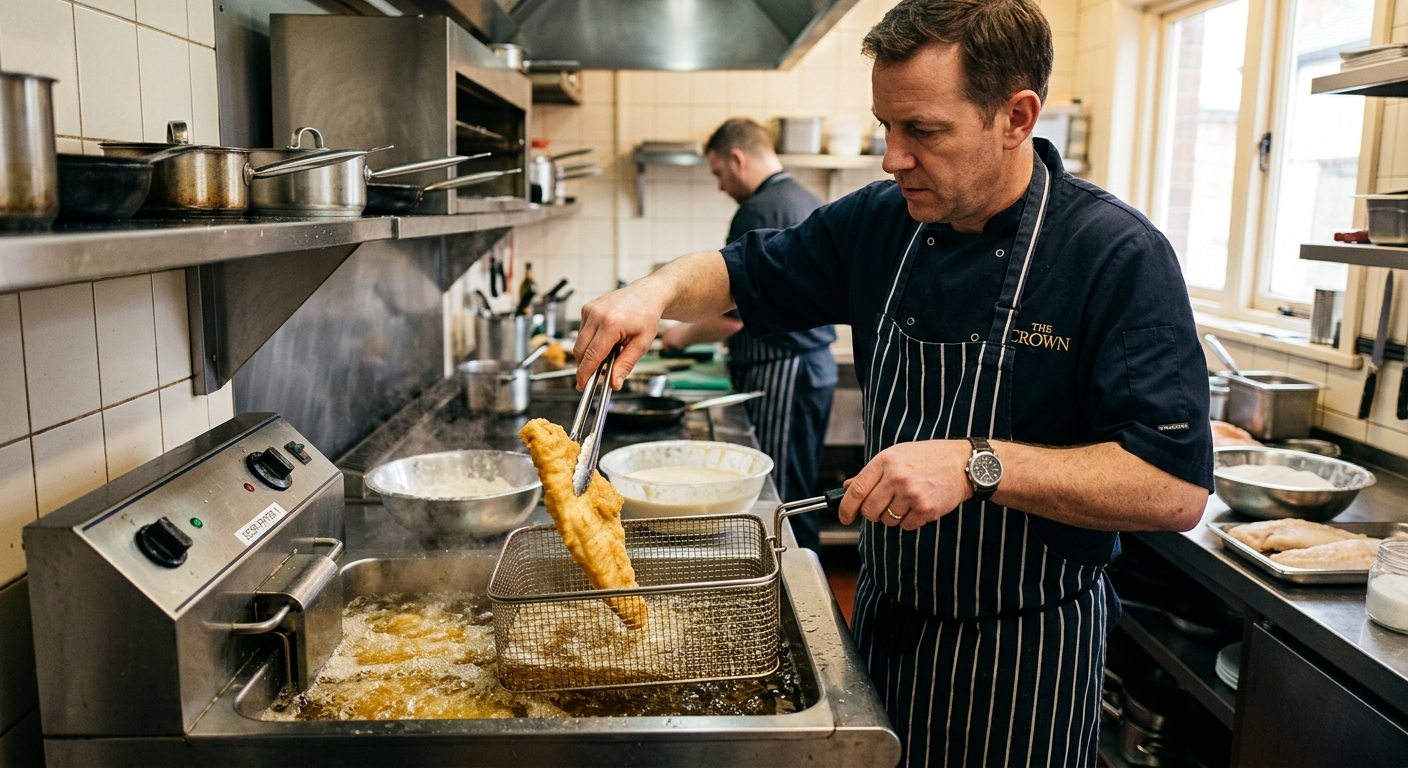
Crafting the Golden Crunch
Authentic chips are fried twice. Thickly cut potatoes are first blanched in oil at a moderate temperature until tender and fluffy inside, then rested before a second plunge into hotter oil to crisp the exterior. The battered fish is lowered into oil heated to around 190 degrees Celsius, where the shock of icy batter meeting searing oil creates tiny air pockets, puffing up into a delicate, golden armor that shatters cleanly without turning greasy.
4. How Locals Enjoy It: Salt, Vinegar, and Seaside Rituals
To enjoy fish and chips like a local is to leave formality behind. The moment the paper wrapping is unfolded and steam rises into the cool air, the classic ritual begins: a generous shake of salt followed by a liberal splash of malt vinegar. Brewed from malted barley, its sharp, earthy tang cuts effortlessly through the richness of the fried crust, awakening the palate.
Essential Accompaniments
A handful of beloved sides completes the experience. Most iconic are mushy peas—dried marrowfat peas simmered until soft and coarsely mashed, offering a gentle sweetness and velvety contrast to the crisp fish. Others reach for tangy tartar sauce studded with capers and pickles, or a ladle of spiced, velvety curry sauce. Whether perched on a windswept seawall with a tiny wooden fork or seated indoors beside a pot of hot tea, the unhurried joy of eating it warm from the paper defines the local experience.

5. Flavor and Texture: A Golden Symphony on the Palate
The first bite of properly cooked fish and chips announces itself with a crisp, airy crackle. The beer-laced crust fractures effortlessly between the teeth, releasing toasted grain notes and savory warmth. Yet the crunch is never heavy or brittle. Beneath that golden shell lies snow-white fish, steaming and moist, flaking apart in tender layers that carry the clean sweetness of the sea.
Follow it with a thick-cut chip, and a second texture unfolds: lightly crisp at the edges, yet soft and pillowy within like a freshly baked potato. When the bright acidity of malt vinegar and the clean finish of salt tie these elements together, the result is a deeply comforting harmony—one capable of making even the sharpest sea breeze feel welcoming.
6. Making It at Home: Bringing a Coastal Evening to Your Kitchen
Even without a commercial fryer, a few thoughtful habits can bring authentic fish and chips to your own kitchen. Start by blotting the fish thoroughly dry with paper towels; lingering moisture causes oil to splatter and prevents the batter from adhering. Choose starchy potatoes for the chips, soak the cut batons in cold water to rinse away excess surface starch, dry them completely, and fry them twice for lasting crispness.
"The secret to unforgettable homemade batter is not an expensive ingredient, but the patience to keep it ice-cold."
Use chilled beer or ice water when mixing the batter, and stir just enough to combine—a few small lumps are a blessing, as overmixing develops gluten and makes the crust chewy. Finally, drain the fried fish and chips on a wire rack rather than paper towels so trapped steam does not soften the crust. Serve immediately with lemon wedges, vinegar, and a warm cup of tea, and the comforting spirit of the British coast will fill your table.
Looking for a place nearby? Search “피시앤칩스” on Naver Map.