Uzbekistan and Plov
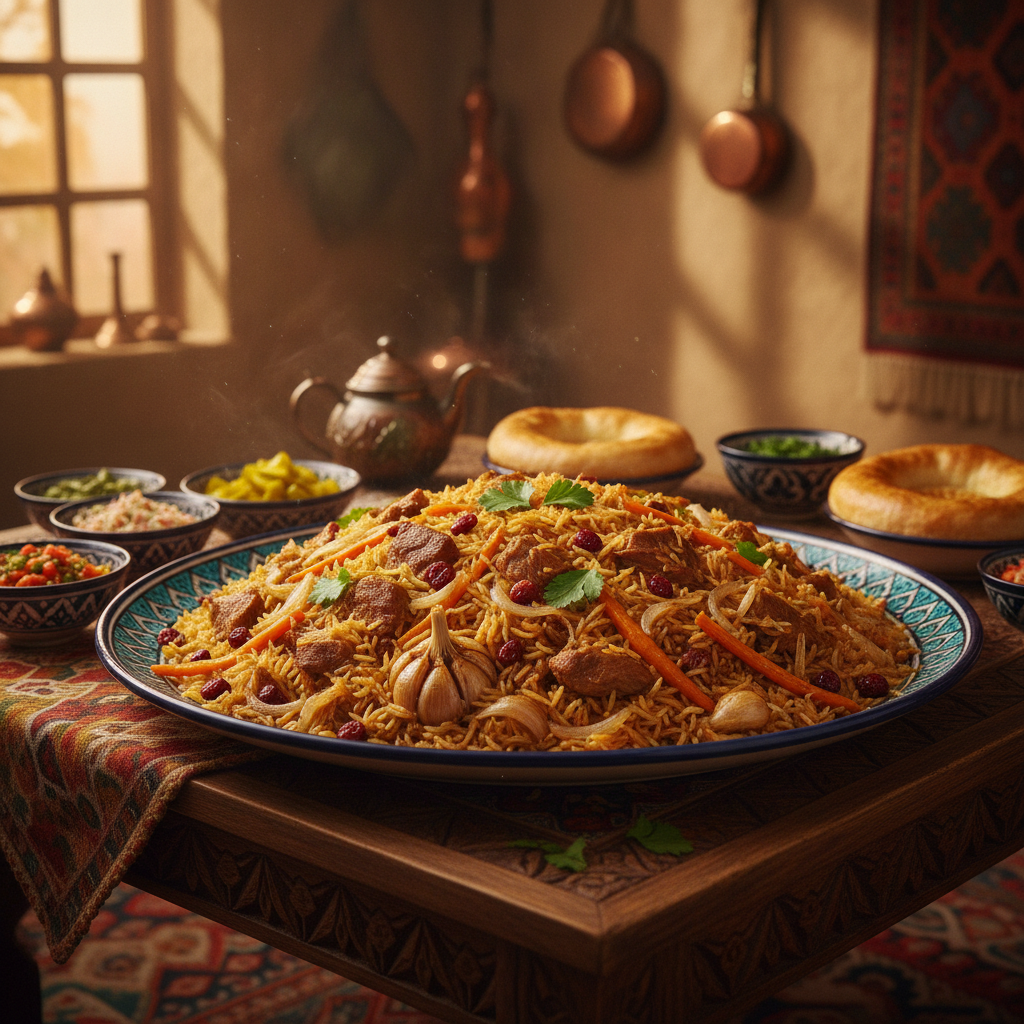
Any traveler visiting Uzbekistan, the heart of the Silk Road, will inevitably fall into the enchanting temptation of its cuisine. At the core of this temptation lies 'Plov'. Plov is deeply rooted in the lives of Uzbek people, more than just a dish; it is a cultural symbol and source of pride. From morning to night, from daily meals to grand wedding feasts and solemn funeral ceremonies, Plov is always with them. Much like rice for Koreans, Plov for Uzbeks is not just about 'eating to live' but also a symbol of community, 'sharing to be happy'. A plate full of golden rice signifies abundance and hospitality, and serving Plov to guests is the highest expression of respect and affection. The savory aroma rising with the steam from the hot cauldron stops passersby, and a single bite allows one to deeply feel their long history and warm affection. Plov is a living story itself, imbued with the soul of Uzbekistan.
History and Origins
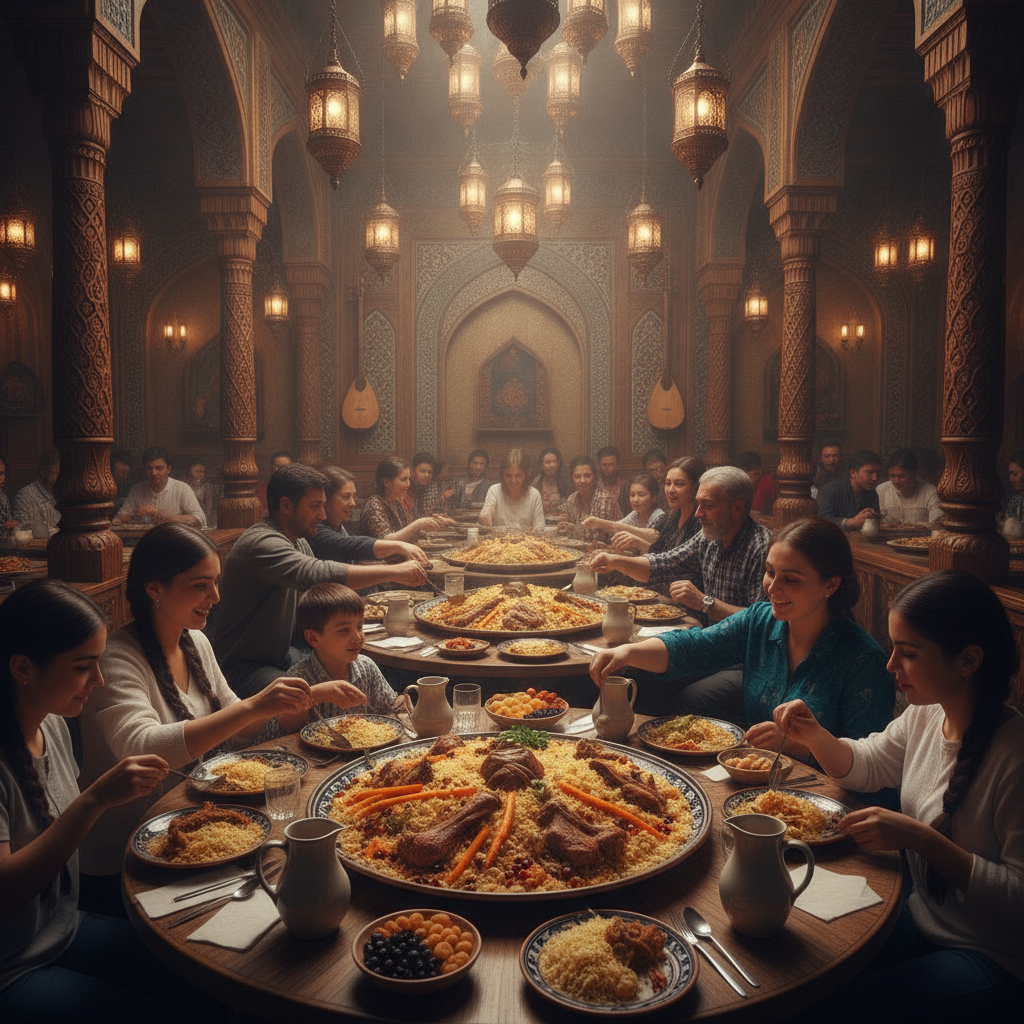
The history of Plov is as ancient and rich as the currents of the Silk Road. Its origins can be traced back to the time of Alexander the Great's eastern campaigns in the 4th century BCE. According to legend, Plov originated as a dish devised by Alexander the Great's soldiers to replenish their energy during long expeditions. At that time, soldiers cooked rice, meat, and vegetables together, which were easy to carry and provided energy, forming the prototype of today's Plov. Another theory suggests it was created by Central Asian nomads seeking a simple meal to prepare while on the move. Rice, meat, carrots, and onions were readily available ingredients then, and cooking them in a large cauldron allowed for preparing large quantities at once, suitable for communal eating. Subsequently, Plov developed and diversified further with the exchange of cultures along the Silk Road. With variations in ingredients and cooking methods adapted to each region's characteristics, numerous types of Plov emerged, establishing it as a cultural heritage across Central Asia, beyond just a simple dish. In Uzbekistan, it is specifically known as 'Osh-Palov' and has become the most important food, inseparable from their lives. Its inscription as a UNESCO Intangible Cultural Heritage of Humanity in 2016 is a testament to the cultural value of Plov.
Traditional Recipe
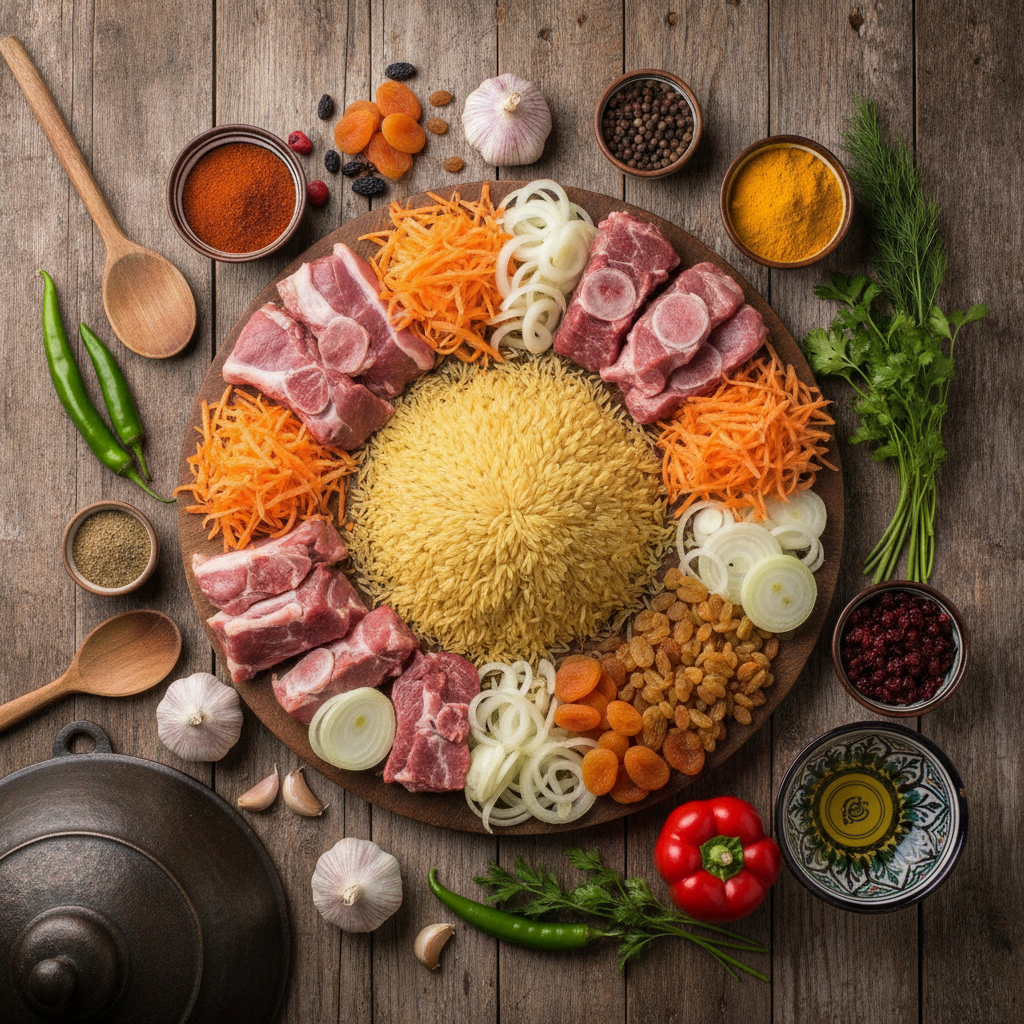
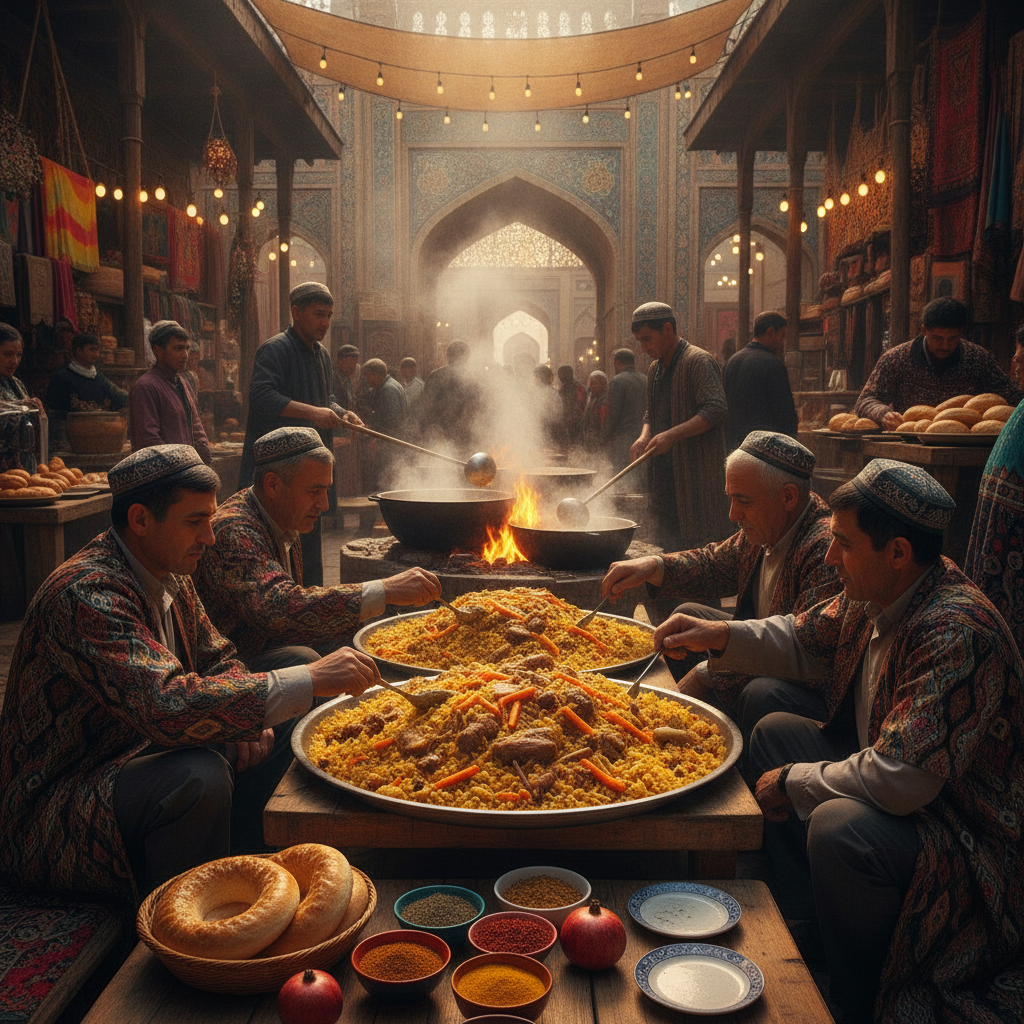
The traditional recipe for Uzbek Plov varies slightly by region and household, but the core remains the same: creating a broth and sautéed base called 'Zirvak'. First, a large cast-iron cauldron called 'Kazan' is heated, and a generous amount of vegetable oil (usually cottonseed oil) is added. Once the oil is hot enough, onions are sautéed until caramelized to bring out their sweetness. Then, large pieces of lamb or beef are added and seared until golden brown to lock in the juices. Once the meat is cooked, a large amount of julienned carrots is added and sautéed until soft; at this stage, the carrots' sweetness and color infuse into the oil, determining Plov's golden hue. Now, water is poured in, along with salt, cumin, chili, and other spices, to simmer the Zirvak. This Zirvak is the crucial step that determines Plov's deep and rich flavor. Once the Zirvak has sufficiently simmered, pre-soaked rice is evenly spread over the Zirvak, and just enough water is added to cover the rice. It's important not to stir the rice and to pour the water carefully to prevent the grains from breaking. Whole garlic cloves are often inserted into the rice, and dried fruits or chickpeas may also be added. The lid is placed on the cauldron, and the rice is cooked over low heat until it absorbs all the water and becomes tender. Finally, the heat is turned off, and the Plov in the cauldron is gently mixed before being served on a platter. This entire process is more than just cooking; it's an art that requires a craftsman's touch and patient waiting.
How to Enjoy It Locally
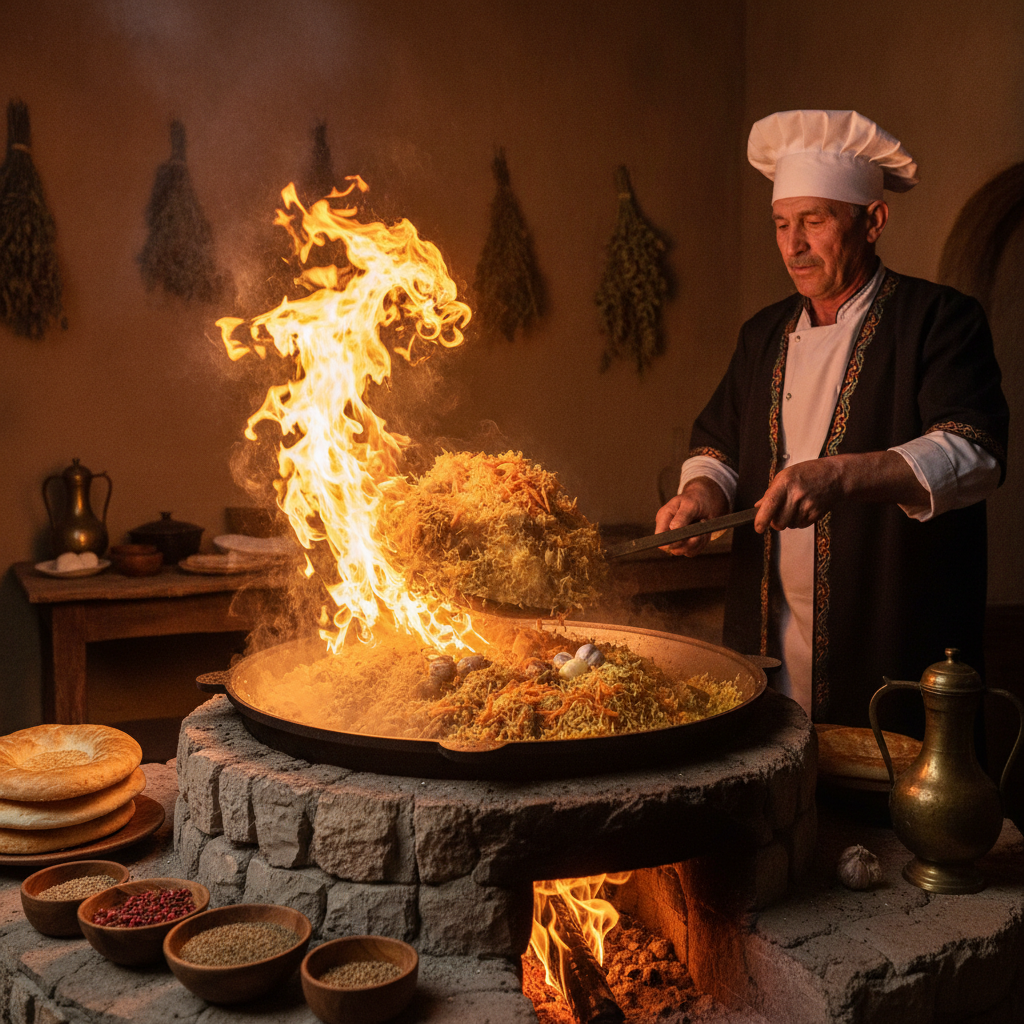
The way Plov is enjoyed locally in Uzbekistan perfectly reflects their way of life. Plov is primarily enjoyed as a lunch meal, especially on Fridays, when a special Plov called 'Osh Palov' is shared among family and neighbors, making it a significant communal event. Plov is served generously on a large platter, and it is common for several people to gather around and eat together. Each person takes their portion with a spoon or their hands; eating with hands is a traditional way to fully appreciate Plov's warm temperature and soft texture. A fresh vegetable salad called 'Achichuk' is an indispensable accompaniment to Plov. Made with thinly sliced tomatoes, cucumbers, and onions, Achichuk cuts through the richness of Plov, offering a balanced and refreshing taste. Additionally, warm Uzbek tea, 'Choy', enhances Plov's flavor and aids digestion. Drinking Choy before and after meals is a long-standing Uzbek tradition. On special occasions, Plov may be topped with boiled quail eggs, dried fruits, or even horse meat for a richer experience. Thus, Plov is not just a meal but a medium for fostering connections and celebrating significant moments in life. The conversations and laughter shared while eating Plov add a deeper flavor than any spice.
Flavor Characteristics
The moment a spoonful of Plov enters your mouth, a symphony of sensations unfolds. The first thing you notice is the soft texture of the moist yet firm rice grains. Each grain is coated in oil, glistening without being sticky, maintaining its individual integrity. As you chew, the savory aroma of the oil and the deep meaty flavor infused in the rice subtly spread. Next, the rich taste of tenderly cooked meat emerges. Having simmered for a long time in the Zirvak, the meat becomes so tender it melts in your mouth, offering a rich umami flavor. The sweetness of the caramelized carrots further balances the overall taste. Carrots are not just for color; they play a crucial role in completing Plov's deep flavor. The exotic yet subtle aroma of Central Asian spices like cumin and chili enriches Plov's taste even more. The harmony of spices, noticeable without being overpowering, differentiates Plov from simple fried rice. Overall, Plov is not aggressively seasoned yet possesses a deep, rich flavor and an addictive charm that keeps you coming back for more. With each bite, it feels as if you're experiencing Uzbekistan's warm sunshine and generous hospitality, a taste that offers comfort and satisfaction.
Making it at Home
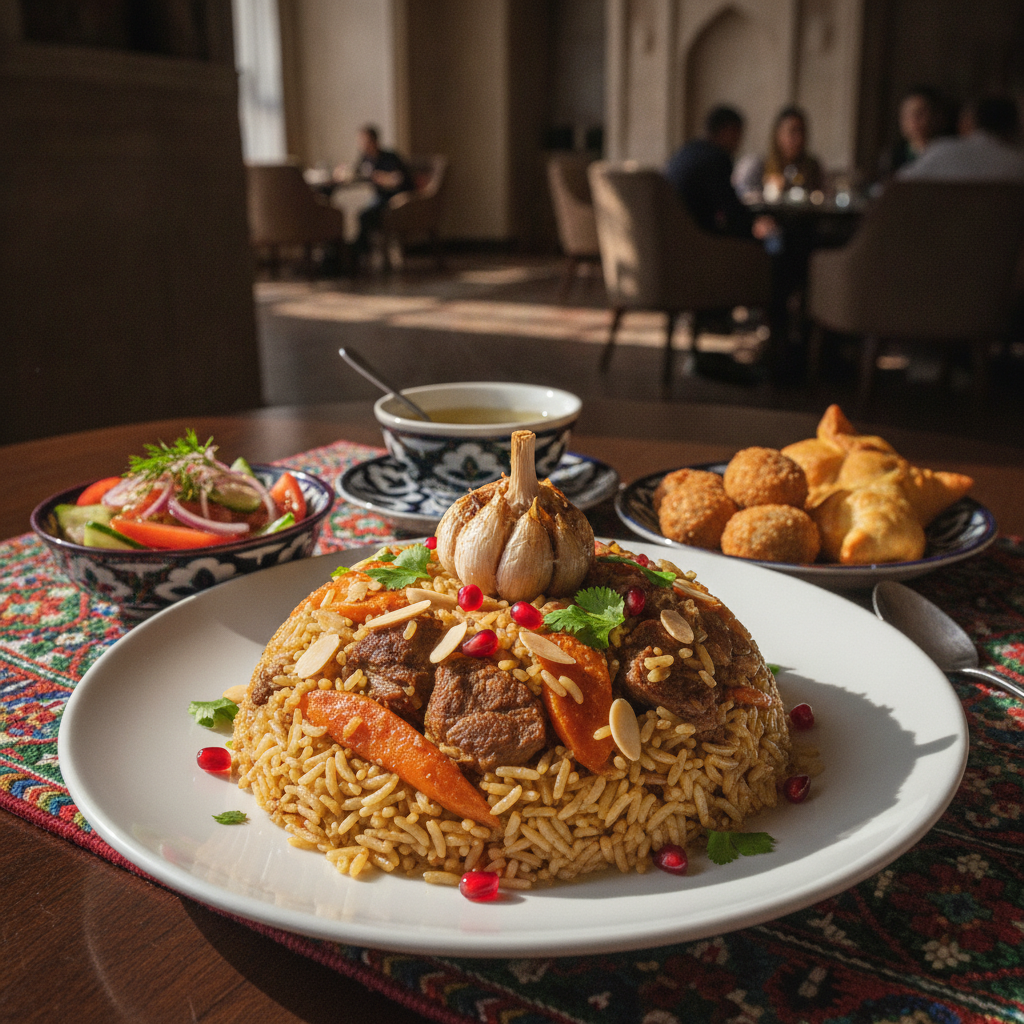
Authentic Plov requires a cast-iron cauldron called a Kazan and precise heat control, but you can certainly recreate its flavors at home. While it might differ slightly from the local taste, it will be more than enough to experience the essential flavors of Plov.
Simple Home Cooking Recipe Tips:
- Prepare Ingredients: Rice (long-grain Basmati or Annam rice is best, but regular rice also works), lamb or beef (for stew or curry), onions, carrots, cooking oil, salt, pepper, ground cumin, a few whole garlic cloves.
- Sauté Meat and Vegetables: In a thick pot or pan, add a generous amount of cooking oil and brown the diced meat. Once the meat is cooked, add sliced onions and sauté until golden brown, then add julienned carrots and cook until soft.
- Make Zirvak: Add salt, pepper, and ground cumin to the sautéed ingredients, pour in just enough water to cover, and simmer for about 15-20 minutes to create the Zirvak. Add a few whole garlic cloves to enhance the flavor.
- Add Rice: Evenly spread the pre-soaked rice over the Zirvak, and add just enough water to cover the rice. Be careful not to stir the rice.
- Steam: Cover the pot and simmer over low heat for about 20-30 minutes until the rice absorbs all the water and becomes tender. You can add a little more water if it dries out. Once the rice is cooked, turn off the heat and let it steam for 5-10 minutes.
- Mix and Serve: After steaming, mix the Plov well from the bottom of the pot and serve on a platter. You can garnish with fresh parsley or cilantro if desired.
Homemade Plov, though humble, will offer a uniquely special taste infused with warm effort. Try experiencing the taste of Uzbekistan at home with this simple recipe!
Looking for a place nearby? Search “플롭” on Naver Map.