Switzerland and Fondue
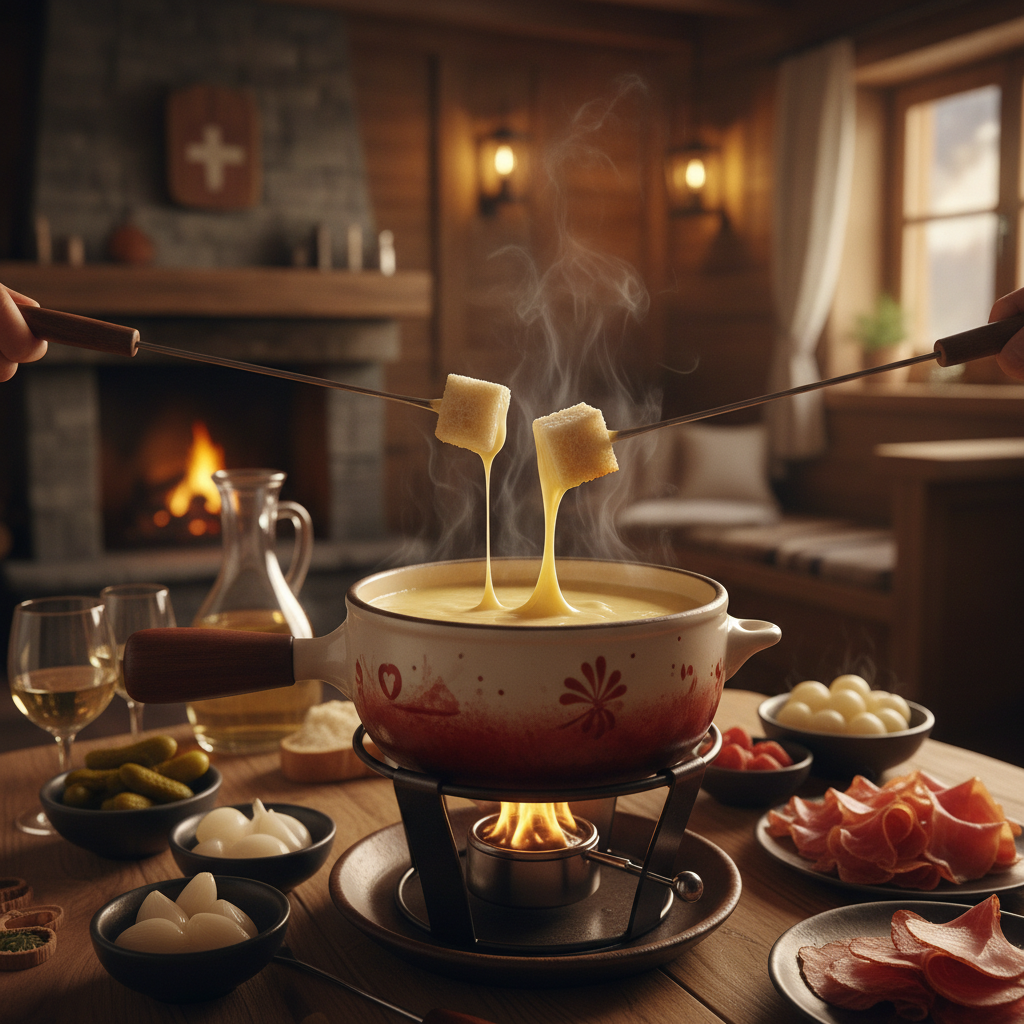
Where snow-capped Alpine peaks pierce the sky, and picturesque meadows below are dotted with grazing cattle like a painting, that is Switzerland. Here, fondue is more than just a meal; it's an integral part of life and a cultural symbol. On cold winter nights, in cozy chalets where fireplace flames flicker, families and friends gather around to share warm cheese fondue, representing the deep sense of community and warm bonds ingrained in Swiss life. Fondue becomes a medium for sharing warmth after a hard day, and sometimes for celebrating special occasions and sharing joy. Even if it's not a special day, fondue on the dinner table on a weekend evening becomes a precious time filled with family laughter and lively conversations. For the Swiss people, living amidst the rugged Alpine nature, fondue is like a warm embrace that helps them overcome harsh environments and infuses vitality into their lives. This single plate of cheese is a living cultural heritage that simultaneously showcases the resilience and warm hearts of the Swiss people.
History and Origin
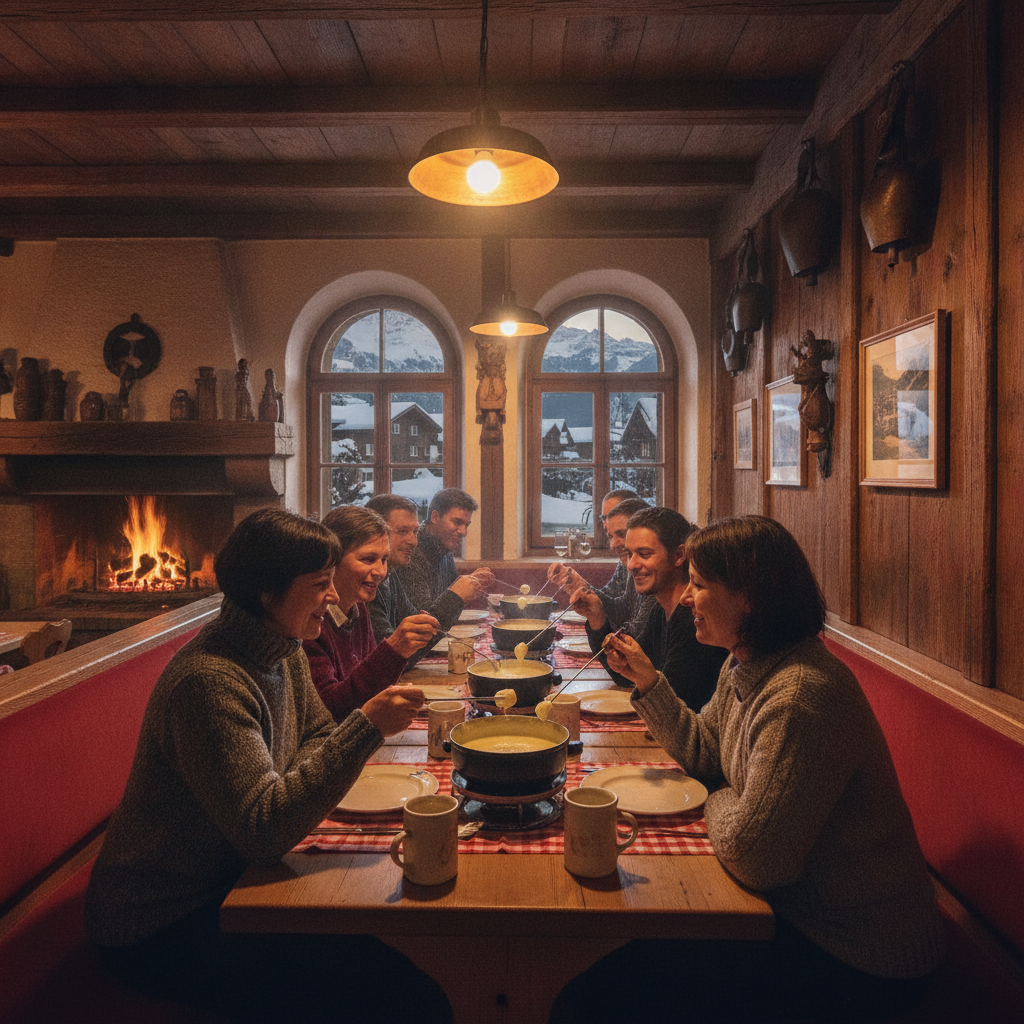
The history of fondue is closely intertwined with the harsh winters of the Alpine regions. As early as the 8th century BC, Homer's epic 'The Iliad' describes a drink made by melting wine and cheese, suggesting that consuming melted cheese was an ancient human wisdom. However, the form of fondue we know today originated with Swiss farmers in the 18th century. During long, cold winters, when fresh produce was scarce in the mountainous regions, farmers pondered how to make their stored, hardened bread and solidified cheese palatable. They ingeniously melted leftover cheese in wine to soften it and then dipped the hard bread into it. This was the genesis of fondue. The name 'Fondue' itself derives from the French verb 'fondre,' meaning 'to melt,' hinting at its history. Initially a humble meal for farmers' survival, it spread throughout the country in the 19th century when adopted as a meal for soldiers in the Swiss army. By the 1930s, thanks to a marketing campaign by the Swiss Cheese Union, it became recognized worldwide as a quintessential Swiss dish. The evolution of fondue from a simple survival food to a globally beloved delicacy perfectly illustrates the practical wisdom and perseverance of the Swiss people.
Traditional Recipe
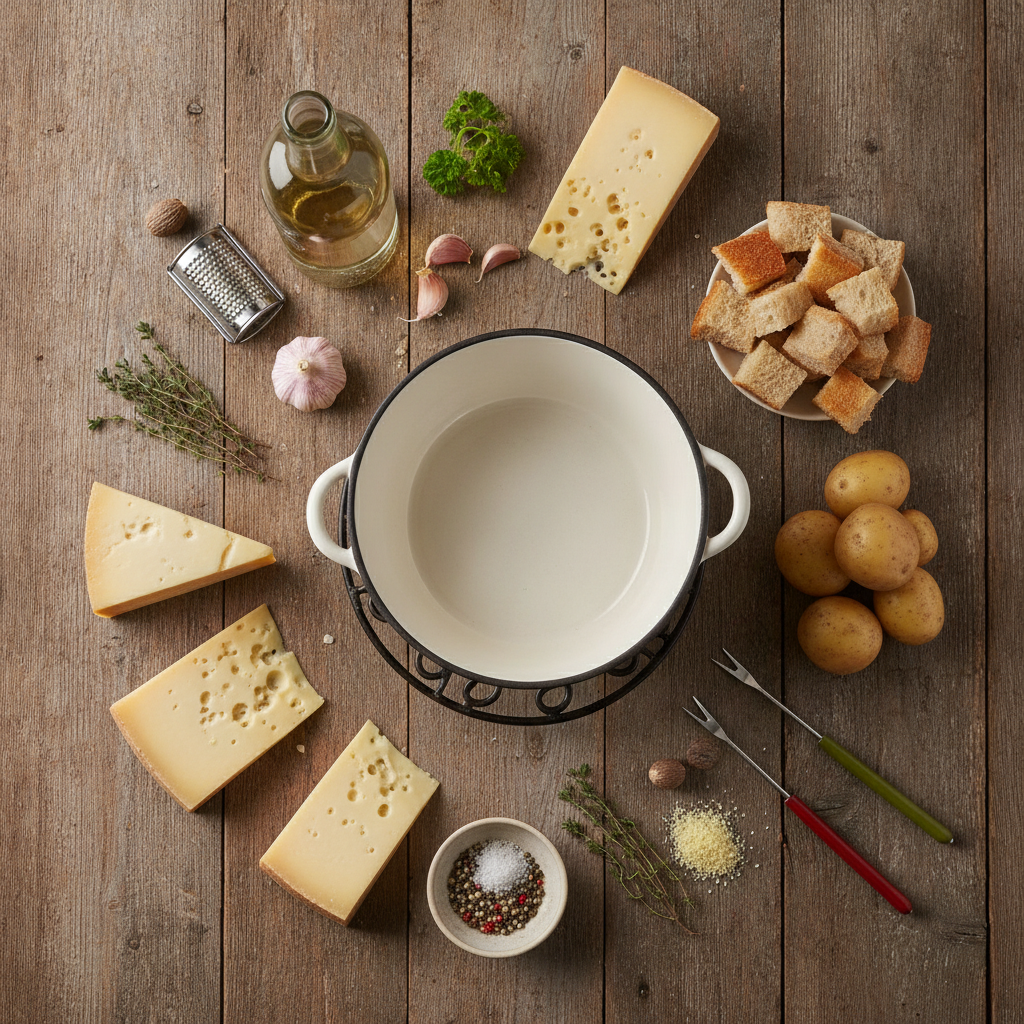
Traditional Swiss cheese fondue, despite its name, boasts a simple yet profound flavor. The core ingredients are Swiss cheese, white wine, and Kirsch. The most commonly used cheeses are Emmental and Gruyère. These two cheeses contribute nutty notes and a savory umami, creating a perfect balance. First, a clove of garlic is rubbed inside a fondue pot (caquelon), then white wine is poured in and gently heated over low flame. As the wine warms, grated cheese is added gradually, stirred continuously with a spatula. The key is not to add all the cheese at once, but to add more as it melts, ensuring a smooth blend. Finally, cornstarch dissolved in Kirsch is added to adjust the consistency, and a dash of pepper and nutmeg is sprinkled to enhance the aroma. Kirsch enriches the fondue's flavor and increases its alcohol content, preventing the cheese from re-solidifying. This entire process requires patience and care, and heat control is crucial. Too high a flame can burn the cheese or cause it to separate. Slowly and gently stirred to perfection, cheese fondue offers a quiet yet profound delight, much like the serene landscapes of the Swiss Alps.
How to Enjoy It Locally
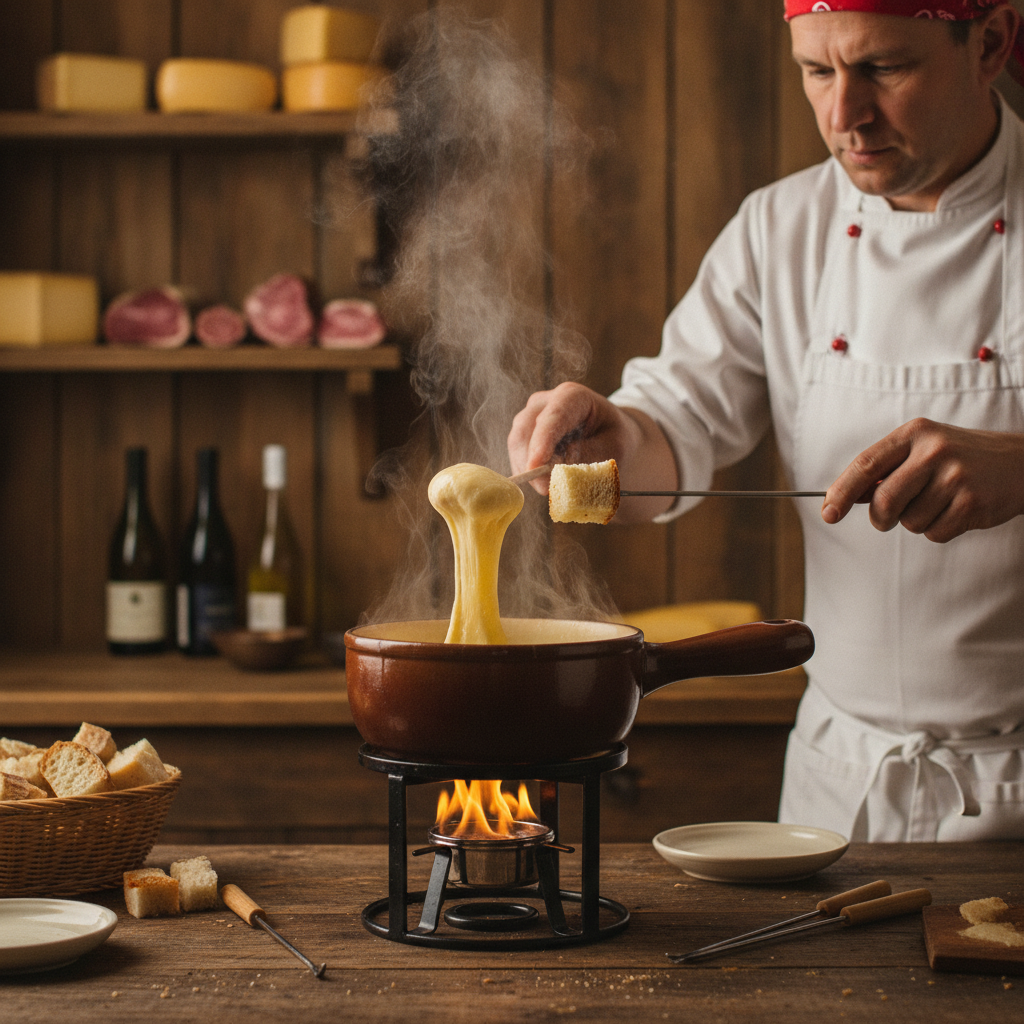
In Switzerland, enjoying fondue is more than just a meal; it's a ritual. The first thing that stands out are the special tools used for fondue. Long, slender-handled forks are designed for conveniently dipping bread into the cheese. A small burner sits at the center of the table to keep the fondue pot warm, around which the entire family gathers to share stories. Accompanying fondue are typically pieces of baguette or whole wheat bread. These breads are cut into bite-sized pieces, ready to soak up the abundant cheese. Dipping hard bread into the gooey cheese creates a delightful contrast of crispy exterior and soft interior. Some also enjoy boiled potatoes, pickles, pearl onions, or cold cuts on the side. Dry white Swiss wines, in particular, are the perfect partners, enhancing the fondue's flavors. A glass of wine makes the rich cheese taste even smoother. Locals also observe some fun rules while eating fondue. For instance, anyone who drops their bread into the cheese might have to buy a round of drinks or tell an amusing story. Such rules make the fondue meal even more enjoyable and memorable. Fondue isn't just about filling your stomach; it signifies precious time for interaction and communication with others.

Taste Characteristics
The taste of fondue is, in a word, 'richness' itself. The moment a piece of bread on a long, thin fork is plunged into the golden sea of cheese in the fondue pot, the intense cheese aroma already tantalizes the taste buds. Upon entering the mouth, the first sensation is the warm, smooth texture of the cheese. Its velvety richness coats the tongue, softer and more comforting than any cream. The subtle nutty notes of Emmental and the deep, savory umami of Gruyère blend harmoniously, offering a complex flavor profile. The refreshing acidity of white wine and the delicate fruity notes of Kirsch balance the cheese's richness. The warm spice of nutmeg adds depth to the fondue, while the savory crispness of freshly baked bread provides a fantastic contrast to the cheese's softness. With each bite, the abundant flavor of cheese fills the mouth, and a warm sensation spreads throughout the body, as if melting away the chill of a cold winter day. Fondue is more than just the taste of cheese; it's an experience of tasting the pure air of the Swiss Alps and the deep history of artisan-made cheese. Kept warm until the very last piece, fondue leaves a lasting impression long after the meal is over.
Trying It in Korea
While it may be difficult to experience the charm of the Alps directly, there are places in Seoul and the metropolitan area where you can savor the authentic taste of Swiss fondue. How about enjoying warm cheese fondue in an exotic atmosphere and briefly escaping to Switzerland?
1. Swiss Grand Hotel - Grand Cafe
Located in Hongje-dong, the Swiss Grand Hotel, as its name suggests, preserves Swiss authenticity. Particularly, the 'Grand Cafe' within the hotel periodically hosts Swiss promotions, featuring authentic cheese fondue. Prepared by Swiss chefs, the fondue faithfully reproduces local flavors, allowing guests to enjoy a dignified meal in a luxurious setting. It boasts deep flavors using fresh Swiss cheese and carefully selected wines.2. Chef Swiss
'Chef Swiss,' located in Seocho-dong, is a restaurant run directly by a Swiss chef, where you can taste authentic Swiss cuisine recognized even by locals. Their cheese fondue is made with a golden ratio of Emmental and Gruyère cheeses, offering a deep and savory taste. The variety of accompanying ingredients and an excellent Swiss wine list make you feel as if you've been transported to a local Swiss restaurant. If you want to experience the true taste of Switzerland in a warm and cozy atmosphere, this is highly recommended.3. Le Cochon
'Le Cochon,' located near Hongdae, is a French restaurant that also offers Swiss cheese fondue as a seasonal special during winter. Being rooted in French cuisine, their deep understanding of cheese and wine translates into excellent fondue. Although not a dedicated Swiss restaurant, the fondue made with high-quality ingredients and a chef's delicate touch will provide a thoroughly satisfying experience. It's advisable to check for fondue availability before visiting.
Making It at Home
You can easily enjoy the authentic taste of fondue at home. If you don't have a fondue pot, you can use a thick-bottomed pot or earthenware, making sure to stir continuously over low heat to prevent the cheese from burning. The key is to use good quality cheese and wine.
Ingredients:
- 200g Emmental cheese, 200g Gruyère cheese (all grated)
- 300ml dry white wine (Chablis or Sauvignon Blanc recommended)
- 1 clove garlic
- 1 tablespoon Kirsch (optional, but greatly enhances flavor)
- 1 tablespoon cornstarch or potato starch
- A pinch of nutmeg, a pinch of black pepper
- Accompanying bread (baguette, whole wheat bread, etc.), boiled potatoes, pickles, etc.
Instructions:
- Rub the inside of the fondue pot (or thick-bottomed pot) with a garlic clove to infuse its aroma.
- Pour white wine into the pot and heat over low flame until the edges gently bubble. (Be careful not to boil.)
- Dissolve the cornstarch well in Kirsch. (If not using Kirsch, dissolve in a small amount of wine.)
- Once the wine is warm, gradually add the grated cheese, about 1/3 at a time, stirring continuously in one direction with a wooden spatula. Once the cheese is fully melted, add the next portion.
- When all the cheese has melted into a smooth consistency, add the cornstarch mixture dissolved in Kirsch and stir until the mixture thickens.
- Season with nutmeg and pepper, then transfer to a fondue burner to keep warm over low heat while enjoying.
- Dip prepared bread or potatoes onto a long fork, generously coat with cheese, and enjoy!
Making fondue at home will itself become a cherished memory as you cook and enjoy it with family or friends. Experience the cozy warmth of Switzerland with a delicious cheese fondue.