Peru and Ceviche
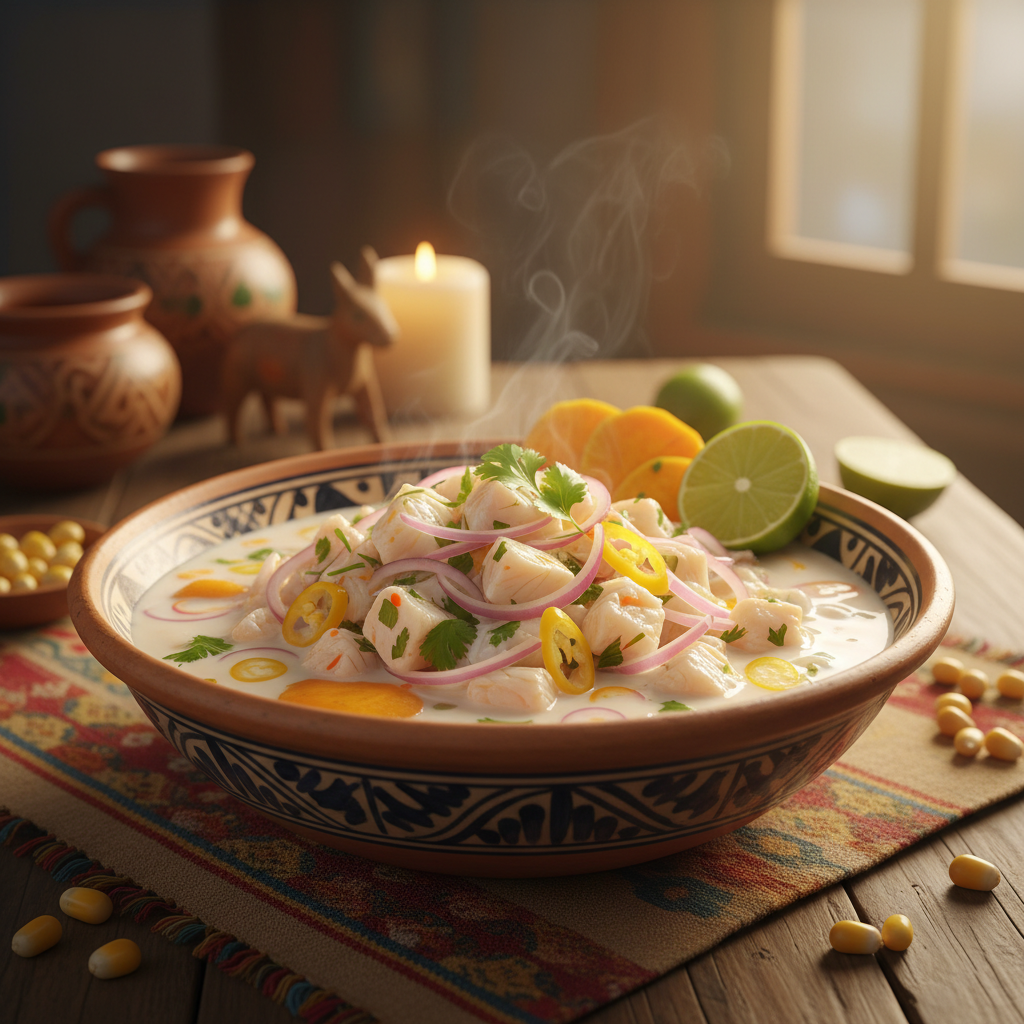
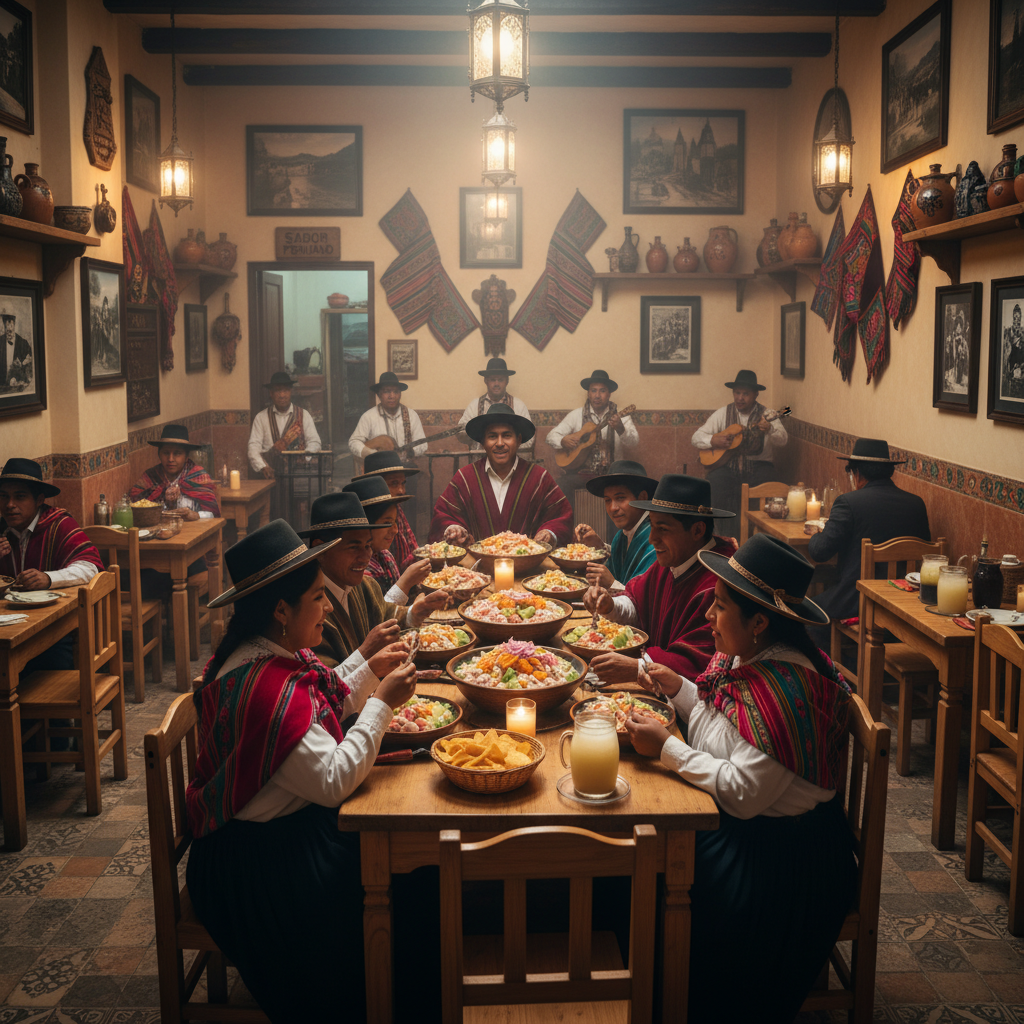
Infused with the scent of the Peruvian sea, Ceviche is more than just a dish; it forms the heart of Peruvian culture. In daily life, Ceviche is a celebration prepared with fresh ingredients and care. Peru even celebrates "Ceviche Day" on June 28th annually, reflecting the pride and love Peruvians hold for this dish. The fresh seafood caught along the vast coastline symbolizes Peru's diverse and rich nature, with Ceviche encapsulating the true taste of the land.
History and Origins
The origins of Ceviche trace back to ancient Peru, where Andean natives primarily consumed seafood and corn, using the acidity of fruits like lemons and limes to enhance flavors. After the 16th-century Spanish colonization, ingredients such as onions were introduced, shaping the modern-day form of Ceviche. Over time, Peru has elevated Ceviche to a global cuisine, with this tradition continuing to thrive to this day.
Traditional Recipe
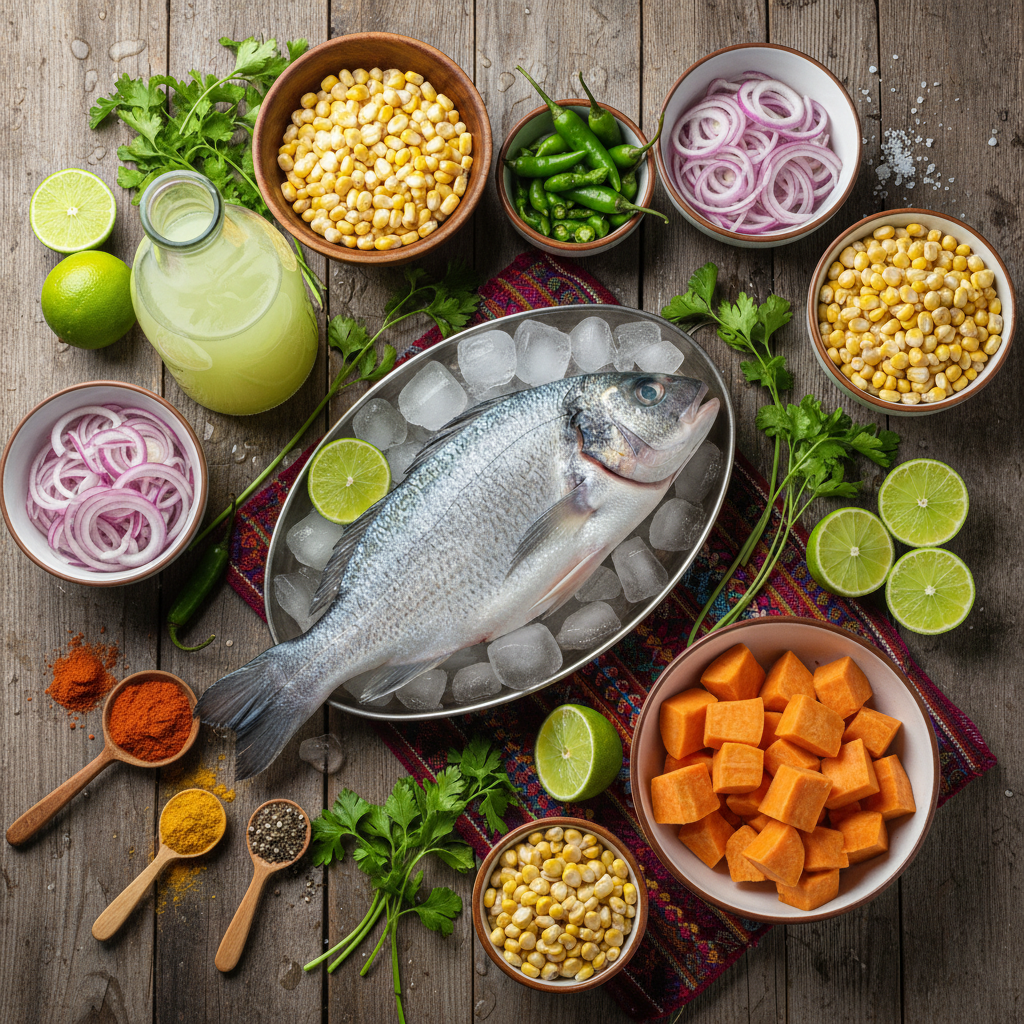
The traditional recipe for Ceviche is simple, yet the harmony of ingredients creates a profound flavor profile. The key ingredient is fresh white fish, particularly sea bass. The fish is marinated in lemon juice, which cooks it with its acidity. Thinly sliced red onions, cilantro, and aji amarillo (Peruvian chili) are added, with a final touch of salt and a bit of pepper. This process releases the unique taste and aroma of Ceviche.
Enjoying It Locally
In Peru, Ceviche is typically enjoyed at lunchtime, as fresh fish caught early in the morning is consumed the same day. Ceviche is served with 'cancha,' toasted corn, and 'choclo,' boiled corn, complementing the dish. Potatoes or sweet potatoes are also offered, neutralizing the acidity with their sweetness. Some prefer adding aji amarillo sauce for extra spiciness.
Characteristics of Taste
When describing the taste of Ceviche, the refreshing acidity stands out at first bite. The fragrant aroma of lemon and lime rises, followed by the subtle savoriness of fresh seafood. The crunchy texture of onions adds a refreshing yet appetizing balance. The unique scent of cilantro infused throughout the dish evokes the Peruvian sea, capturing the essence of nature's flavors.
Enjoying It in Korea
In Seoul, one can experience authentic Ceviche flavors. 'El Celler' in Itaewon is renowned for its fresh seafood and traditional cooking methods. Additionally, 'Cuya,' specializing in Latin American cuisine, offers Ceviche true to its Peruvian roots. Both places are excellent choices to savor the essence of Peru's sea in Korea.
Trying It at Home
If you want to try making Ceviche at home, here are a few tips. Start by preparing fresh white fish, marinating it in lemon juice for at least 10 minutes. Thinly slice onions and cilantro, and if necessary, substitute aji peppers with Korean green chili peppers. Mix all ingredients and let them sit in the refrigerator for about 30 more minutes to easily enjoy the refreshing taste of Ceviche at home.
This response provides a comprehensive and emotional narrative on Ceviche, capturing its cultural significance and sensory characteristics, while providing practical insights into experiencing this dish both in Korea and at home.Looking for a place nearby? Search “세비체” on Naver Map.