Belgium and Moules-Frites: A Plate Embodying Life's Aesthetics
In the heart of Europe, Belgium, a traveler's footsteps are naturally drawn to places where the fragrant aroma of French fries mingles with the fresh scent of seafood. This is where 'Moules-Frites,' Belgium's soul food and national dish, awaits. Moules-Frites is more than just a combination of mussels and fries; it encapsulates the daily life, culture, and history of Belgians. This dish, born from the rough waves of the North Sea and fertile land, symbolizes the Belgian people's perseverance, practicality, and deep love for gastronomy. From the bustling squares of Brussels to the quaint alleys of Bruges, a plate of Moules-Frites is a warm welcome found anywhere in Belgium, a humble happiness that comforts a tiring day. It can be a light meal shared with friends over a beer, or the star of a special family dinner. For Belgians, Moules-Frites is a dish that embodies the aesthetics of life, loved across seasons and time. As you chat over a pile of mussel shells and dip crispy fries into sauce, the traveler will feel the true heartbeat of Belgium.
History and Origin: Winter Rivers, Gifts from the Sea
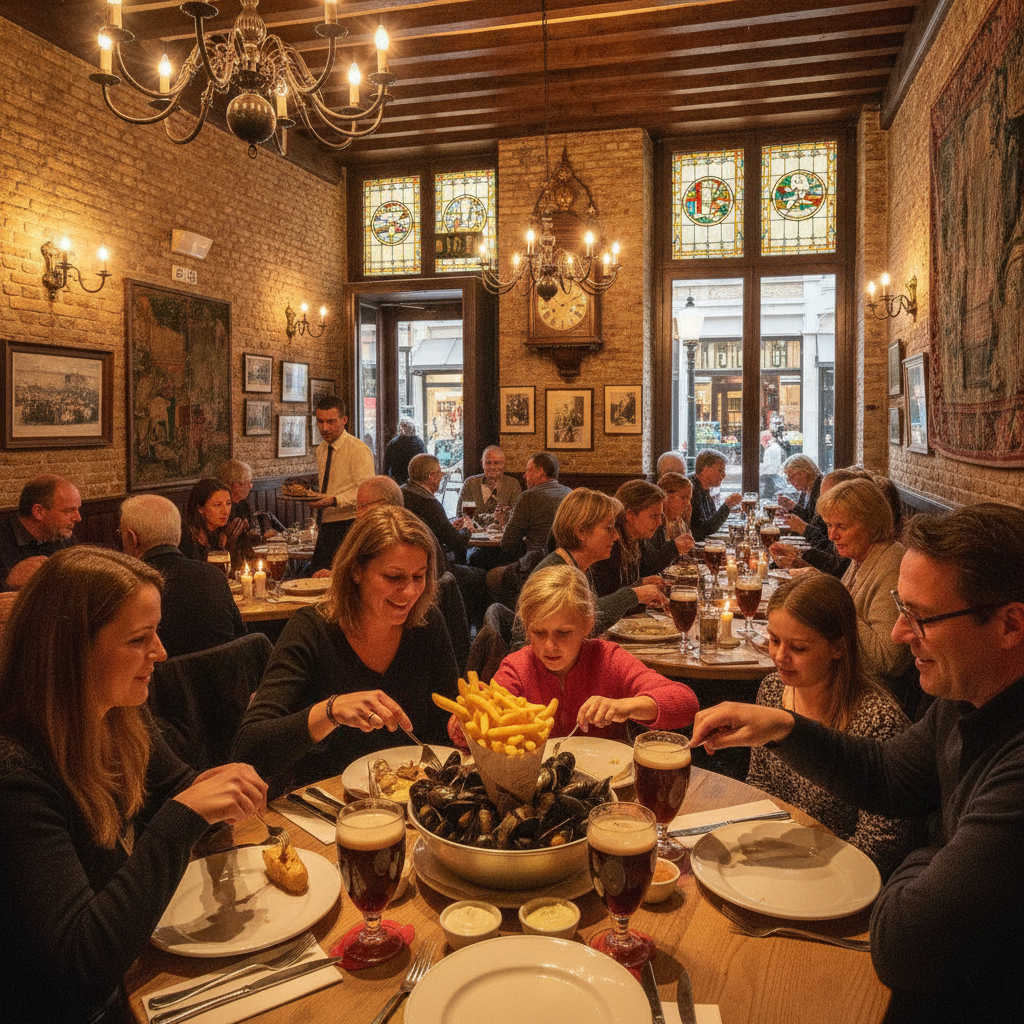
The history of Moules-Frites begins on the banks of Belgium's cold winter rivers. In the 17th century, when the rivers froze and fishing became impossible, poor Belgian fishermen began cooking abundant mussels as an alternative. They cooked and ate mussels to supplement their protein, and what they paired it with were 'Frites,' or French fries. Frites are said to have originated in the Meuse River basin in Belgium, stemming from the custom of frying small river fish in oil. However, when fish became scarce in winter, similarly cut and fried potatoes took their place. This humble beginning of two foods meeting gradually spread throughout Belgium and gained the love of gourmets, eventually becoming the representative dish of Belgium today. Especially in the late 19th century, with the development of Belgium's railway network, fresh mussels caught in the North Sea could be transported quickly to inland areas, playing a decisive role in the popularization of Moules-Frites. Through war and poverty, Belgians resiliently continued their lives, and Moules-Frites stayed by their side, offering comfort and strength. More than just a meal, Moules-Frites embodies the wisdom and history of survival of the Belgian people.
Traditional Recipe: The Breath of the Sea and the Golden Glow of the Earth
Authentic Moules-Frites requires a harmonious blend of two key elements: fresh mussels and perfectly fried potatoes. First, fresh North Sea mussels are considered the best, and proper cleaning before cooking is crucial. Traditional cooking methods generally fall into two categories. The first is the 'Marinière' style, where shallots and parsley are sautéed in butter, white wine is added, and the mussels are steamed with the lid on. The crispness of white wine and the aroma of herbs maximize the flavor of the mussels. The second is the 'Crème' style, which uses cream instead of white wine for a smoother, richer taste. Garlic, celery, and onions are sometimes added to further enrich the broth. Mussels should be steamed quickly until their shells open to keep them tender and prevent them from becoming chewy. And the important partner: Frites! The secret to Belgian Frites lies in 'Double Frying.' First, potatoes are cut into long, thick strips and fried once at a lower temperature of about 150°C to cook them through and soften the inside. Care should be taken to prevent the potatoes from sticking together. Just before serving, they are fried again at a higher temperature of over 180°C to create perfect Frites that are golden brown and crispy on the outside, and moist on the inside. In Belgium, 'Bintje' potatoes, specially grown for frying, are preferred, and traditionally, they are fried in 'Blanc de boeuf,' or beef fat. This fat adds a unique flavor and crispiness to the fries.
How to Enjoy Locally: A Glimpse into the Belgian Dining Table
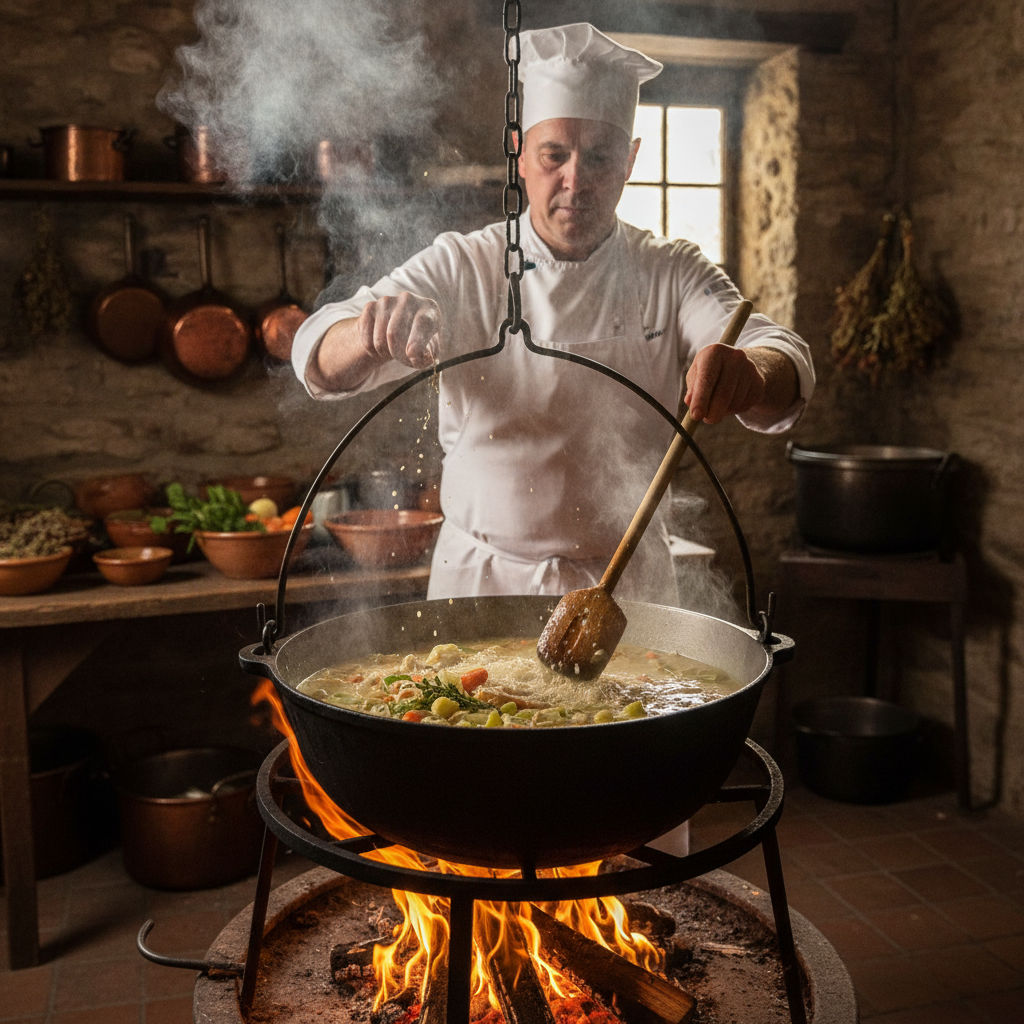
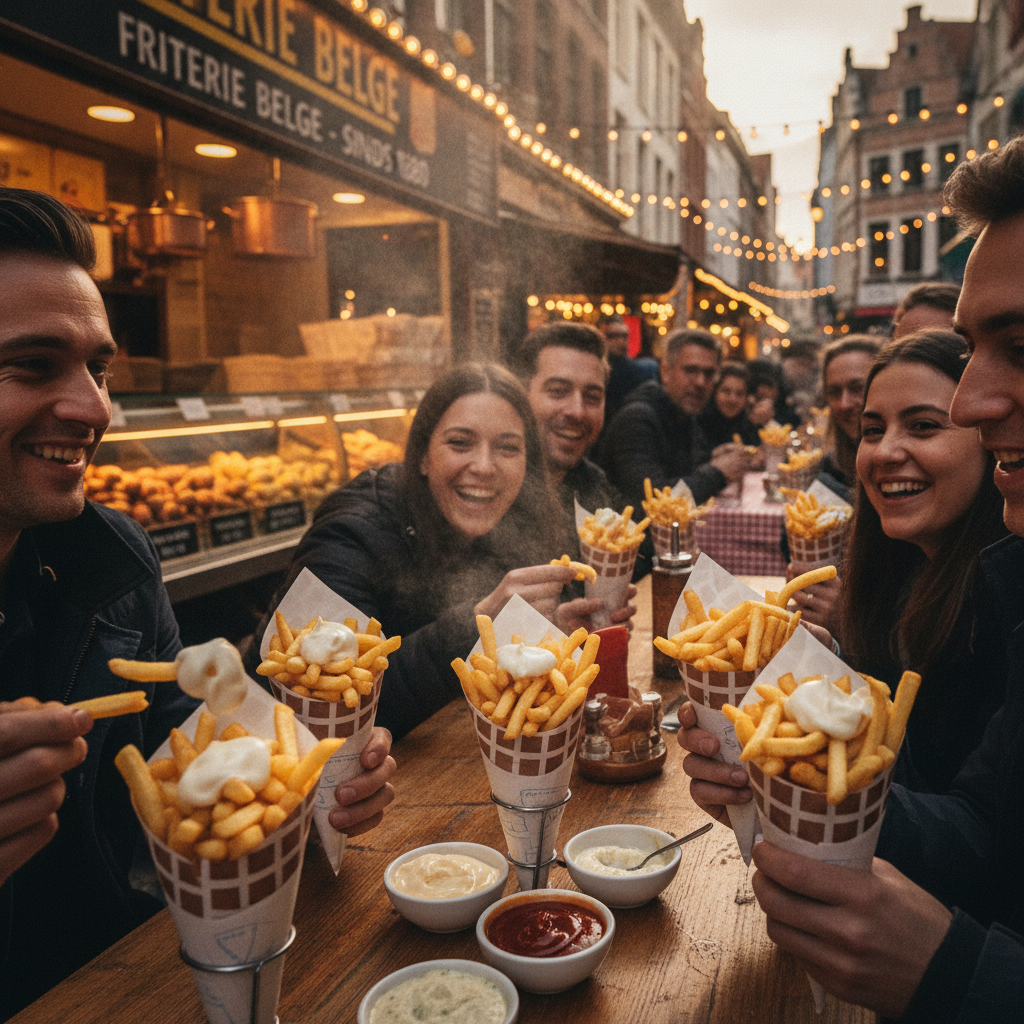
Enjoying Moules-Frites in Belgium is more than just a meal; it's a cultural experience. Upon entering a restaurant, you'll be amazed by the mussel dish served in a large pot, resembling a bucket. The steaming mussels placed on the table stimulate the appetite, accompanied by a generous pile of golden-brown French fries. Belgians enjoy eating mussels by using an empty mussel shell as tongs instead of a fork, a glimpse into their practical dining culture. The mussel broth is not discarded; it's savored to the last drop by dipping crispy frites or soaking bread in it. The perfect accompaniment to mussels is undoubtedly a refreshing Belgian beer. From bitter pilsners to fruity ales and monastic beers, a wide variety of Belgian beers further enhances the flavor of the mussels and adds to the joy of the meal. Light white wines also pair well with Marinière-style mussels. There's also a wide array of sauces for dipping frites. Mayonnaise is standard, but there's also Andalouse sauce (mayonnaise mixed with tomato paste, bell peppers, etc.), and Samurai sauce (spicy mayonnaise), among dozens of options to choose from. Belgians also enjoy frites from street 'Fritkots' served in paper cones, often with various sauces. The table laden with mussels, fries, and beer offers a glimpse into the simple yet rich life of Belgians.
Taste Characteristics: Crispy Outside, Juicy Inside, Deep Sea Flavor
The taste of Moules-Frites can only be described as 'ecstasy.' First, the mussels capture the freshness of the sea. Steamed mussels boast a firm yet tender texture, and the ocean aroma filling your mouth makes you feel as if you're experiencing the cool breeze of the North Sea. Especially the white wine-based Marinière style maximizes the natural sweetness and umami of the mussels, with the subtle herbs and wine acidity creating a clean yet profound flavor. The cream base envelops the taste buds with a smoother, richer taste, and the rich broth provides an unforgettable sense of satisfaction. And perfectly completing all these flavors are the 'Frites.' The exterior is so perfectly fried it crackles, and with one bite, the surprisingly moist and soft potato flavor spreads throughout your mouth. The double-frying method creates a fantastic texture with a stark contrast between the crispy outside and the tender inside. Frites fried in beef fat have a deeper, richer flavor incomparable to those fried in vegetable oil, and dipping them in mayonnaise or other sauces further enhances their taste. The salty umami of the mussels and the savory, crispy texture of the frites create a perfect harmony, delivering an addictive taste that you won't forget once you've tried it. Belgian Moules-Frites is more than just food; it's a work of art that stimulates all the senses.
Making it at Home: My Own Belgian Table
If you want to experience the ecstasy of Belgium at home, try making Moules-Frites with these simple home-cooking tips!
Ingredients:
- 1 kg fresh mussels
- 3-4 large potatoes
- 1 cup white wine (or beer)
- ½ shallot or onion
- 2-3 cloves garlic
- 20g butter
- A little chopped parsley
- Salt, pepper to taste
- Oil for frying (vegetable oil or beef fat)
Cooking Process:
- Prepare mussels: Scrub mussels clean with a brush to remove impurities from the shells, and pull out any beards. Discard any spoiled mussels (those that are open and don't close).
- Steam mussels: In a pot, melt butter and sauté minced shallots (or onion) and garlic until fragrant. Add the cleaned mussels, pour in white wine, cover, and steam over high heat for 5-7 minutes. Once all mussel shells have opened, turn off the heat and sprinkle with chopped parsley. (If you prefer cream style, add about 100ml of fresh cream at this stage.)
- Prepare fries: Peel potatoes, cut them into long, thick strips, soak in cold water to remove starch, then pat dry thoroughly with a kitchen towel.
- Double fry: Pour enough oil into a pot and preheat to about 150°C. Add potatoes and fry for 5-7 minutes until lightly golden for the first fry. Remove from oil and let cool slightly. Just before serving, increase oil temperature to 180°C, add potatoes again, and fry for 2-3 minutes until golden brown and crispy for the second fry. Season with salt.
- Plating: Transfer the steamed mussels to a deep bowl and pile the crispy French fries generously next to them. Serve with mayonnaise or your preferred sauce for perfect homemade Moules-Frites! Enjoy with a cold Belgian beer.
Making Moules-Frites at home is a great way
Looking for a place nearby? Search “물프리트” on Naver Map.