The Allure of Sage: A Mystical Scent Whispering Wisdom
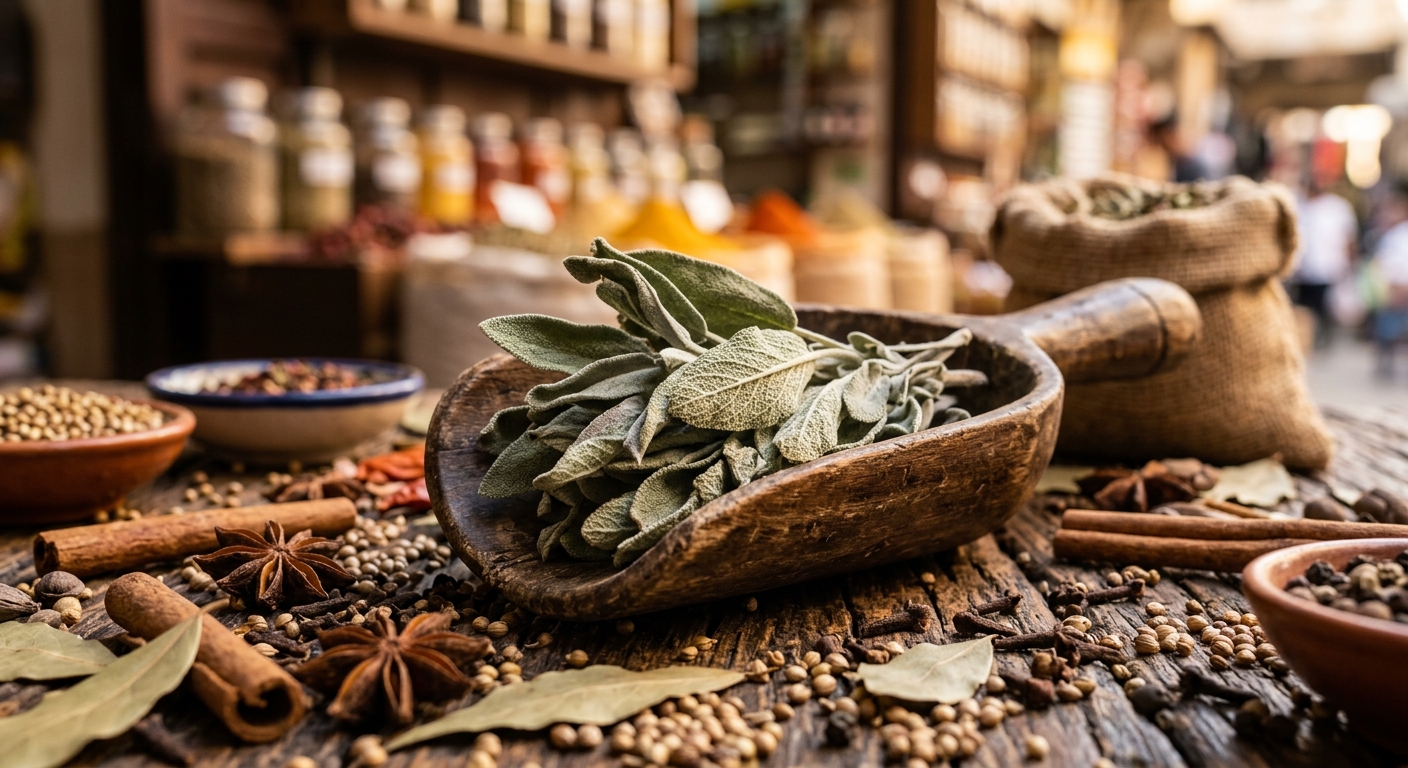
Sage, its very name evokes the warm Mediterranean sun and the wisdom of ancient civilizations. Derived from the Latin 'salvere,' meaning 'to heal,' sage is more than just a spice; it's a symbol of healing and inspiration deeply rooted in human life. Its aroma possesses a unique allure unmatched by any other herb. At first whiff, it presents a deep, earthy note, then quickly intertwines with refreshing mint and warm eucalyptus, tickling the nostrils. It’s like the smell of old books in a library, or the crisp freshness of a forest after rain. This complex fragrance adds depth and richness to dishes, while also possessing a mysterious power to calm the mind. Rubbing the crushed leaves between your fingers, the profound scent lingers, as if sage itself is whispering its wisdom to you. This captivating aroma cuts through the richness of fatty meats, adds depth to slow-cooked stews, and infuses pasta sauces with an exotic flair. Sage doesn't just add flavor; it breathes soul into food and brings the spirit of the Mediterranean to your table. Inhaling its scent, one naturally understands why ancient Romans called sage the 'herb of immortality,' and why medieval alchemists held it in such mystical regard. Sage offers us not only culinary delight but also a precious gift of timeless wisdom and tranquility.
History and Spice Trade: Traces of Wisdom Across the River of Time
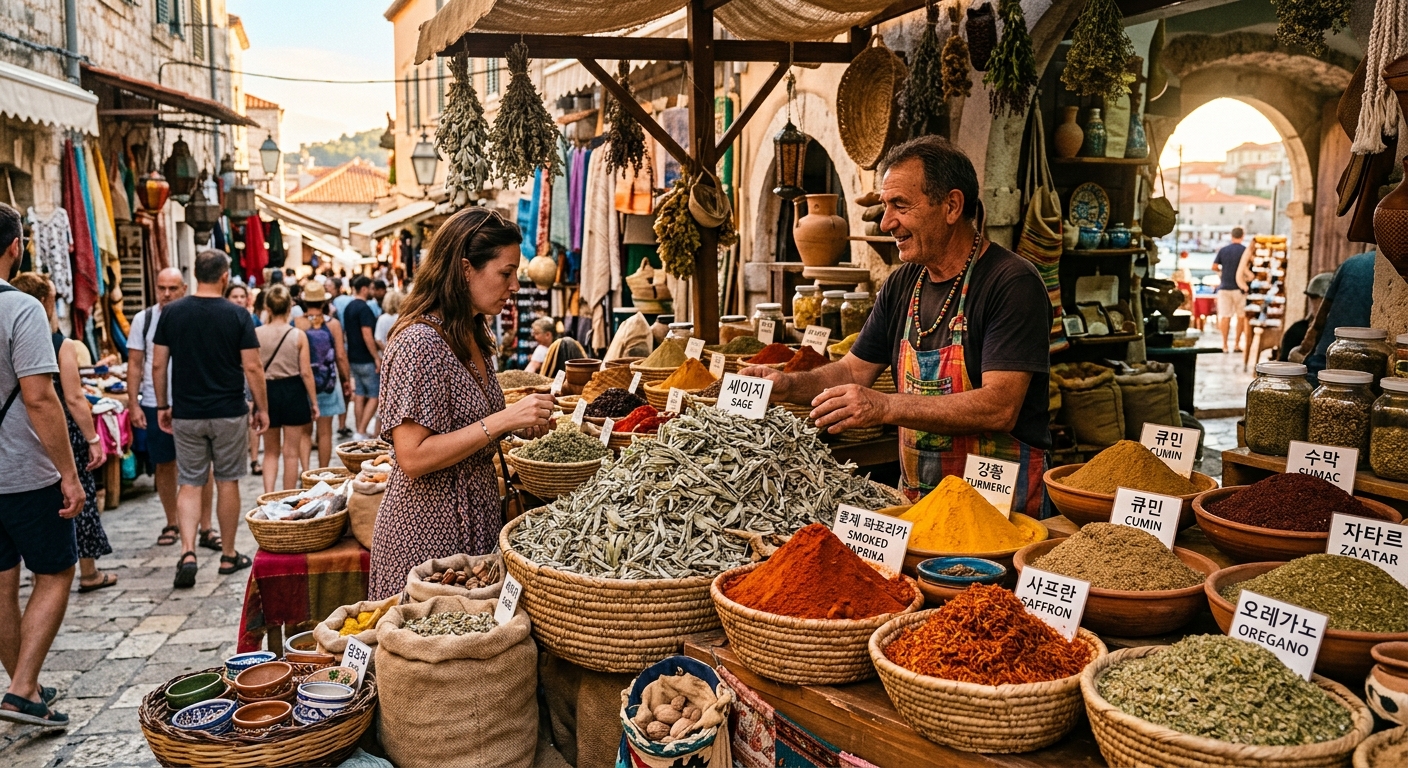
Sage is one of the oldest spices to have breathed alongside human history. Ancient Egyptians used sage for fertility treatments and in mummification, while Romans regarded it as a 'sacred plant,' utilizing it in rituals and as a panacea. The proverb, 'He who plants sage in his garden will not die,' suggests how highly valued sage was in medieval Europe. At that time, sage was not merely used for flavor; its value as a medicinal herb for preventing epidemics and treating diseases surpassed that of gold. Within the flow of the Silk Road and the spice trade, sage was an important commodity connecting East and West. Arabian merchants, in particular, introduced sage to China and India, widely publicizing its benefits. In Europe, its cultivation further expanded through the Crusades. Even as the Age of Exploration brought a deluge of new spices, sage maintained its firm place in European kitchens and apothecaries. This was due to its unique flavor and proven medicinal value. People then believed sage enhanced memory, alleviated depression, and aided digestion. Some of these beliefs are now being scientifically validated, testifying to sage's deep involvement in human life beyond a simple herb. Throughout millennia, sage has been cherished under different names and uses across various cultures, a powerful testament to its universal value and efficacy. Sage, having crossed the river of time to reach us, is not just a spice, but a treasure trove of condensed human wisdom and history.
Origin and Cultivation: A Gift Forged by Mediterranean Sun and Wind
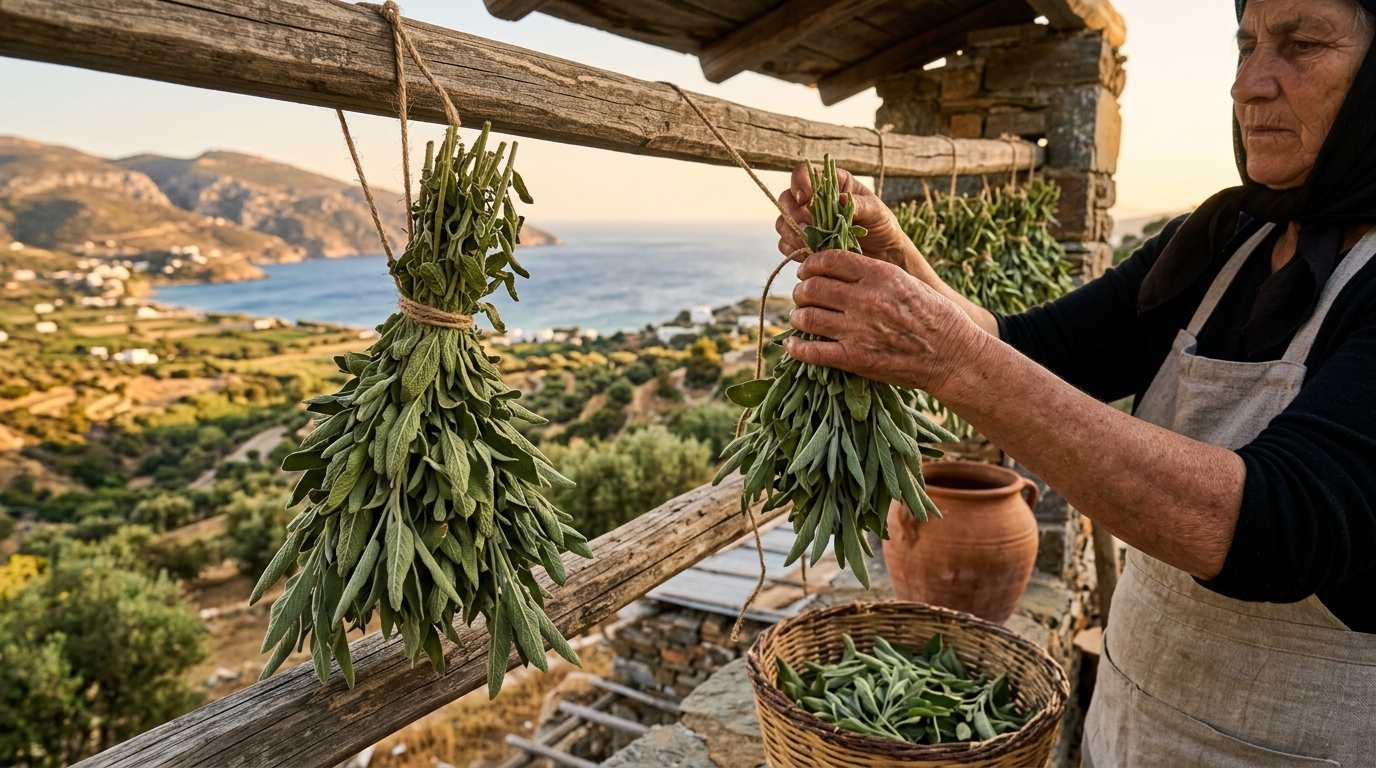
The homeland of sage is the Mediterranean coast. The combination of intense sunlight, dry winds, and calcareous soil in the Mediterranean climate provides an ideal environment for sage to thrive. Wild sage is commonly found in regions such as Italy, Greece, Turkey, and Croatia, where the sage is known to have a deeper and more intense aroma and flavor. Sage is a resilient plant with strong vitality, growing well in harsh conditions without much special care. This makes it one of the herbs that can be relatively easily cultivated at home. It can be propagated from seeds or cuttings, and will grow vigorously with sufficient sunlight and well-drained soil. Sage leaves have a silvery-gray hue and a velvety texture, a clever strategy by the plant to prevent water evaporation in dry environments. Harvesting typically occurs from spring to early summer, before the flowers bloom, as this is when the leaves' aroma and medicinal compounds are most abundant. Stems with leaves are cut, much like pruning, and then dried in a well-ventilated, shaded area. Dried sage leaves have a more concentrated aroma, improve in shelf life, and can be used for cooking or medicinal purposes for a long time. Sage, absorbing the full intensity of the Mediterranean sun and gentle winds, is a precious gift from nature. Each leaf contains the energy and vitality of the earth, which is the source of sage's special aroma and efficacy. Growing sage is not merely cultivating a plant, but an act of communing with Mediterranean nature and inviting its wisdom into your home.

Culinary Applications: A Magical Touch Adding Depth of Flavor
Thanks to its distinctive aroma, sage is an indispensable ingredient in Western cuisine, especially Mediterranean dishes. Possessing a strong and unique scent, a small amount can dictate the entire flavor profile of a dish. Sage pairs most perfectly with fatty meats such as pork, duck, and lamb. The slightly bitter and refreshing aroma of sage cuts through the richness of the meat, bringing out a deeper, richer flavor. A prime example is 'Saltimbocca,' a quintessential Italian dish made with thinly sliced veal, prosciutto, and sage leaves, where the sage enhances the meat's flavor. Sage is also frequently used in stuffings for chicken or turkey dishes. In pasta dishes, sage truly shines. A sauce made simply by melting butter with sage offers a deep flavor that pairs wonderfully with Italian pastas like gnocchi or ravioli. Sage also adds profound flavor to root vegetable dishes such as potatoes. Roasted potatoes with rosemary and sage offer an aromatic and savory delight. Beyond these, sage is used in bean dishes, sausages, cheese, and even some desserts, providing an exotic twist. When using sage, it's important to be mindful of its strong aroma and not to overdo it. Fresh sage leaves can be added at the final stage of cooking to preserve their fragrance, or lightly fried in oil for a crispy texture and enhanced aroma. Sage is more than just a spice; it's a magical touch that brings the essence of the Mediterranean and layers of deep flavor to your cooking.
A dish featuring sage transforms a simple meal into an experience of tasting the warm Mediterranean sun and the wisdom of ancient history.
Health Benefits: Healing Wisdom Passed Down Through Ages
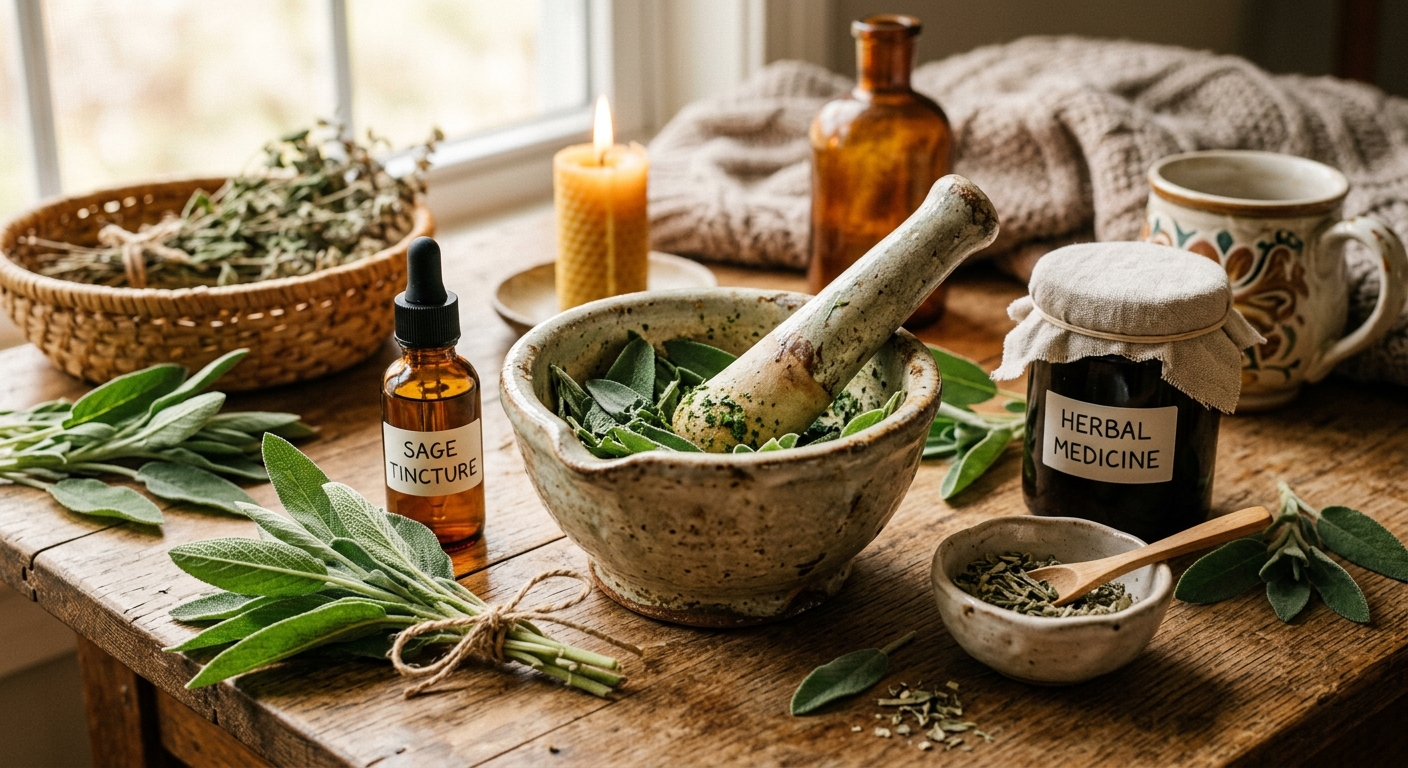
Sage has been revered as a 'cure-all' since ancient times, possessing a wide array of health benefits. Modern scientific research is gradually validating these traditional beliefs. One of sage's most well-known benefits is its anti-inflammatory and antioxidant properties. Sage is rich in powerful antioxidants like rosmarinic acid and carnosol, which help neutralize free radicals and prevent cell damage in the body. This can positively impact the prevention of chronic diseases and anti-aging. Furthermore, sage is effective in alleviating digestive issues such as indigestion and bloating. Sage tea has traditionally been used to aid digestion and soothe the stomach. Notably, it also shows promise in alleviating menopausal symptoms in women. Research suggests that sage, with its plant-derived estrogen-like compounds, can help reduce symptoms like hot flashes and night sweats. Studies on memory enhancement and cognitive function improvement are also actively underway. Preliminary research indicates that sage extracts may help improve cognitive function in Alzheimer's patients, showcasing its potential truly fitting its title, 'the herb of wisdom.' In addition, diverse benefits such as antibacterial and antiviral effects, improved oral health (alleviating sore throats and gum inflammation), and blood sugar regulation are being revealed. Of course, like all herbal remedies, it's crucial to consult a professional before consuming sage excessively or if you have specific medical conditions. However, the rich medicinal compounds in sage clearly demonstrate it to be a gift from nature, contributing to our physical and mental well-being beyond mere flavor.
Buying & Storing Tips: Preserving Sage's Freshness
Choosing good sage and storing it properly is crucial for maximizing its aroma and benefits. When selecting fresh sage, carefully examine the color and condition of the leaves. They should be a vibrant green or silvery-gray, without any wilting or yellow discoloration. When touched, they should feel dry and velvety, not damp or sticky. Smelling them directly is also a good indicator; fresh sage will have a distinct, strong, yet refreshing aroma. When purchasing dried sage, choose products that are well-sealed and where the leaf pieces are intact, not overly crushed. Avoid any that look faded in color or have an old, stale smell.
To store fresh sage, pat it dry, wrap it in a paper towel, and place it in a plastic bag or airtight container in the refrigerator. It should stay fresh for about a week. If you wish to store it longer, you can freeze it after washing and thoroughly drying the leaves. You can freeze whole leaves or chop them, mix with olive oil, and freeze in ice cube trays for convenient use. Dried sage should be stored in an airtight container in a cool, dark, and dry place, away from direct sunlight, where it can retain its aroma for 6 months to a year. However, its fragrance will diminish over time, so it's best to use it as soon as possible. Well-stored sage will always be ready to add deep flavor to your dishes and offer its beneficial health properties.

Recommended Recipes: Sage Butter Pasta and Roasted Butternut Squash with Sage
1. Sage Butter Pasta
This is the most basic recipe, yet it truly allows you to appreciate the essence of sage. Simple but with an exquisite deep flavor.
- Ingredients: Pasta (fettuccine, gnocchi, ravioli, etc.), 50g butter, 8-10 fresh sage leaves, grated Parmesan cheese, salt, pepper
- Instructions:
- Cook pasta in boiling salted water until al dente. Reserve some pasta water.
- In a wide pan, melt the butter over medium heat. Add sage leaves and fry until the butter is lightly browned and the sage is crispy (about 3-4 minutes). This infuses the butter with sage flavor.
- Add the cooked pasta to the pan and toss well with the sage butter. If needed, add a little reserved pasta water to adjust the consistency.
- Season with salt and pepper, then generously sprinkle