The Charm of Mint: A Green Magic Where Freshness Blooms
On the parched lands of the Mediterranean, or amidst the hot desert winds of the Middle East, there is a resilient plant that steadfastly brings forth green life. It is mint, a magical herb whose very name evokes a sensation of freshness on the tongue and the scent of verdant grass in the nostrils. The charm of mint is far too diverse and profound to be encapsulated by a single adjective like "cool." From the sharp intensity of peppermint to the delicate sweetness of spearmint, and even exotic notes like apple mint or orange mint that hint at fruit, mint itself forms an aromatic spectrum. The moment you gently rub its leaves, the volatile oils that burst forth offer a wondrous experience, as if awakening dormant senses of taste and smell. On a scorching summer day, when parched with thirst, a glass of cold water infused with a sprig of mint is more than just a drink; it's a life-giving elixir. A sprig of mint adorning a dish provides a grand finale to the palate, and on a dessert, it adds an unexpected fragrance along with visual beauty. The scent of mint evokes memories, elevates emotions, and sometimes even possesses the healing power to soothe a weary mind. It is more than just a spice; it is a green soul that brings vitality and happiness to our lives.

History and Spice Trade: From Ancient Civilizations to the Age of Discovery
The history of mint closely parallels the dawn of human civilization. Its origins in the Mediterranean and Middle East, cradles of ancient cultures, meant that mint was deeply ingrained in their lives from early on. Ancient Egyptians used mint as an embalming agent in mummification, and wall paintings in temples sometimes depict mint as a medicinal plant. Romans used mint to enhance the atmosphere of banquets, added it to bathwater for freshness, and there are even records of scholars wearing mint garlands on their heads to improve concentration. Greek mythology tells the poignant tale of the nymph Menthe, transformed into a lowly plant by the jealous goddess Persephone, yet her fragrance remained eternal. Such legends suggest how special mint was to ancient peoples.
By the Middle Ages, mint held an important place in European monastery herb gardens, cultivated widely for medicinal and culinary uses. Through the Crusades, mint, along with various exotic spices from the East, further spread across Europe. However, mint never truly stood at the center of the 'spice trade.' While exotic spices like pepper, cloves, and nutmeg symbolized immense wealth and power, triggering the Age of Discovery, mint was already a familiar herb commonly found across Europe. Instead, mint found its opportunity to spread globally after the Age of Discovery, adapting to new environments as it traveled to the New World. Especially in North America, it was used in indigenous traditional medicine or cultivated by European settlers, evolving into various cultivars that thrive today. Mint did not pave large-scale trade routes like costly spices, but it quietly yet persistently permeated the lives of people worldwide, following humanity's footsteps, making it a true 'everyday spice.'

Origins and Cultivation: Nurtured by Mediterranean Sunshine
Mint’s homeland is the Mediterranean coast and the Middle East. The warm, dry climate of these regions provides an optimal environment for mint to thrive. Countries like Turkey, Morocco, and Egypt are not only major producers but also significant consumers of mint, where it is deeply embedded in their culinary culture. Wild mint is often found in moist, shaded areas near rivers or wetlands, but cultivated mint prefers sunny, well-drained soil. Mint is a plant with astonishing vitality. While it can reproduce from seeds, it primarily spreads rapidly through its underground stems, called rhizomes. These rhizomes extend horizontally, sprouting new shoots and forming colonies, so much so that its prolific growth can sometimes hinder other plants. Therefore, when growing mint in a garden, it’s common to restrict its root spread with pots or barriers.
Mint is usually harvested just before flowering, when its leaves are most fragrant and their essential oil content is highest. Mint leaves harvested at this time are used fresh or processed into dried tea or spice. Traditionally, harvesting is done by hand using sickles or knives, but large-scale farms may use machinery. Harvested mint is thoroughly washed, then naturally air-dried in a well-ventilated, shaded area, or quickly dried using a dehumidifier. During the drying process, it’s crucial to preserve the color and aroma of the leaves as much as possible. Well-dried mint, stored in airtight containers, can retain its fragrance for a long time. Thus, mint, fully infused with the intense sunshine and vitality of the Mediterranean, is a precious gift that brings us fresh aroma and vigor.

Culinary Uses: A Refreshing Companion to Gastronomy
Mint is utilized in a wide variety of cuisines worldwide, with its uses remarkably diverse across regions and cultures. In the Middle East and North Africa, mint is an essential element of the dining table. Sweet Moroccan mint tea (Maghrebi mint tea), enjoyed under the hot sun, is more than just a drink; it's a symbol of hospitality and a significant daily ritual. Lebanese Tabbouleh salad is generously filled with fresh mint alongside parsley, adding a refreshing zest, and mint is indispensable in Turkish kebabs or yogurt sauces. Along the Mediterranean coast, mint sauce is served with lamb dishes to neutralize gamey flavors and enhance the taste. Specifically, traditional British roasted lamb is often accompanied by mint jelly or mint sauce.
In the West, mint frequently appears in desserts and beverages. Refreshing mint chocolate and sweet mint ice cream are already familiar combinations, and the cocktail Mojito embodies the quintessence of coolness that mint provides. A Mojito, made by mixing muddled mint leaves, lime, sugar, rum, and soda water, transports you to a cool tropical beach with a single sip. Furthermore, mint is added to fruit salads, yogurts, and smoothies to enhance fresh flavors. In an unexpected pairing, a touch of mint in vegetable dishes like peas or potatoes can neutralize earthy notes and elevate the flavor profile. Ingredients that pair well with mint include citrus fruits like lime, lemon, and orange, cucumber, tomato, as well as meats like lamb and chicken, chocolate, and yogurt. Mint, no matter what ingredient it meets, breathes life into dishes with its unique freshness and expands the culinary horizon, making it a true companion to gastronomy.
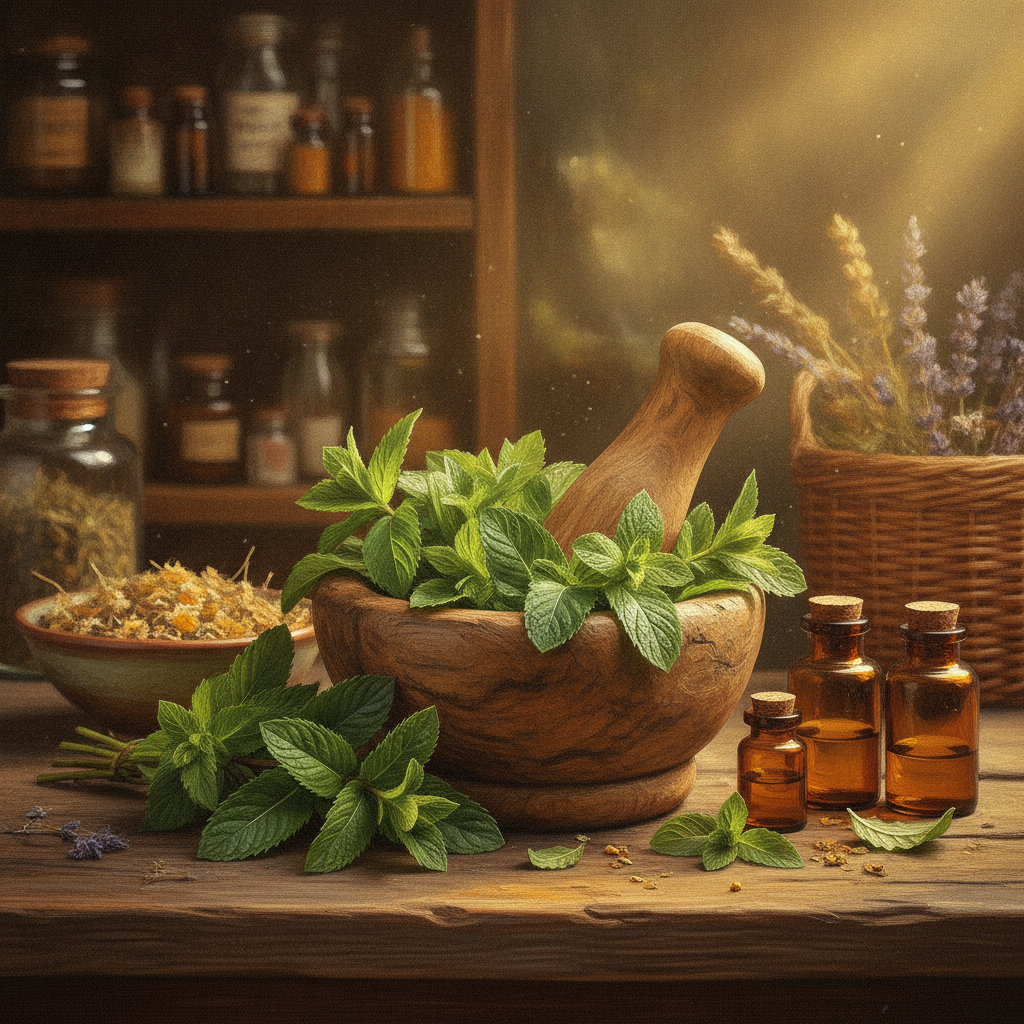
Health Benefits: A Healing Gift Passed Down from Antiquity
Mint is more than just a spice; it is a natural herb that humanity has relied on for a long time. Since ancient Egyptian, Greek, and Roman times, it has been used to treat various ailments such as indigestion, colds, and headaches, and its efficacy is being revealed one by one through modern scientific research. One of mint's most well-known benefits is its aid in digestion. The menthol component in mint helps relax gastrointestinal muscles, aiding digestion and being effective in gas removal. There are also studies suggesting that mint oil capsules help alleviate symptoms for patients with Irritable Bowel Syndrome (IBS). A cup of mint tea after a meal acts as an excellent digestive aid, soothing an upset stomach.
Furthermore, mint has analgesic and anti-inflammatory effects. Menthol has local anesthetic properties and can be used to relieve headaches or muscle pain, also helping to reduce inflammation. When suffering from a blocked nose due to a cold or flu, inhaling mint steam can clear nasal passages and facilitate easier breathing. It is also excellent for eliminating bad breath, which is why mint extract is used in many toothpastes and mouthwashes. Mint's refreshing scent helps clear the mind and alleviate stress, making it widely used in aromatherapy. There are also studies suggesting a positive impact on improving concentration and reducing anxiety. Thus, mint is a gift of nature that heals both our body and mind, consistently safeguarding human health from ancient times to the present.
Buying & Storage Tips: How to Enjoy Fresh Mint Longer
Choosing fresh mint is the first step to fully enjoying its aroma and flavor. When buying mint at the market or grocery store, pay attention to the following points. First, ensure the leaves are a vibrant green color. Yellowed leaves or those with black spots indicate a loss of freshness. Second, the leaves should be lively and firm, not wilted or droopy. Third, check that the stems are sturdy and unbroken. Finally, it should emit the characteristic fresh and intense scent of mint, not an artificial one. Gently rubbing a leaf and smelling it is a good way to check the aroma.
There are several ways to store fresh mint longer after purchase. The best method is to store it like flowers in a vase, with the stem ends immersed in water. Be careful not to let the leaves submerge in the water, and change the water daily. Stored this way in the refrigerator, it can stay fresh for over a week. Another method is to wrap the entire mint bunch in a damp paper towel, then place it in a plastic bag or airtight container in the refrigerator. This prevents moisture evaporation from the leaves, maintaining freshness. For dried mint, store it in an airtight container in a cool, dry place away from direct sunlight to preserve its aroma for a long time. Mint can also be frozen. Wash and dry the mint leaves thoroughly, place them in an ice cube tray, fill with water or olive oil, and freeze. Then, use as needed. By following proper storage methods, you can enjoy the refreshing aroma of mint for longer.

Recommended Recipes: Simple Dishes Infused with Mint's Freshness
1. Mint Limeade
A cool and refreshing drink perfect for a hot summer day, instantly quenching thirst. The crispness of mint and the tanginess of lime create a perfect harmony.
- Ingredients: