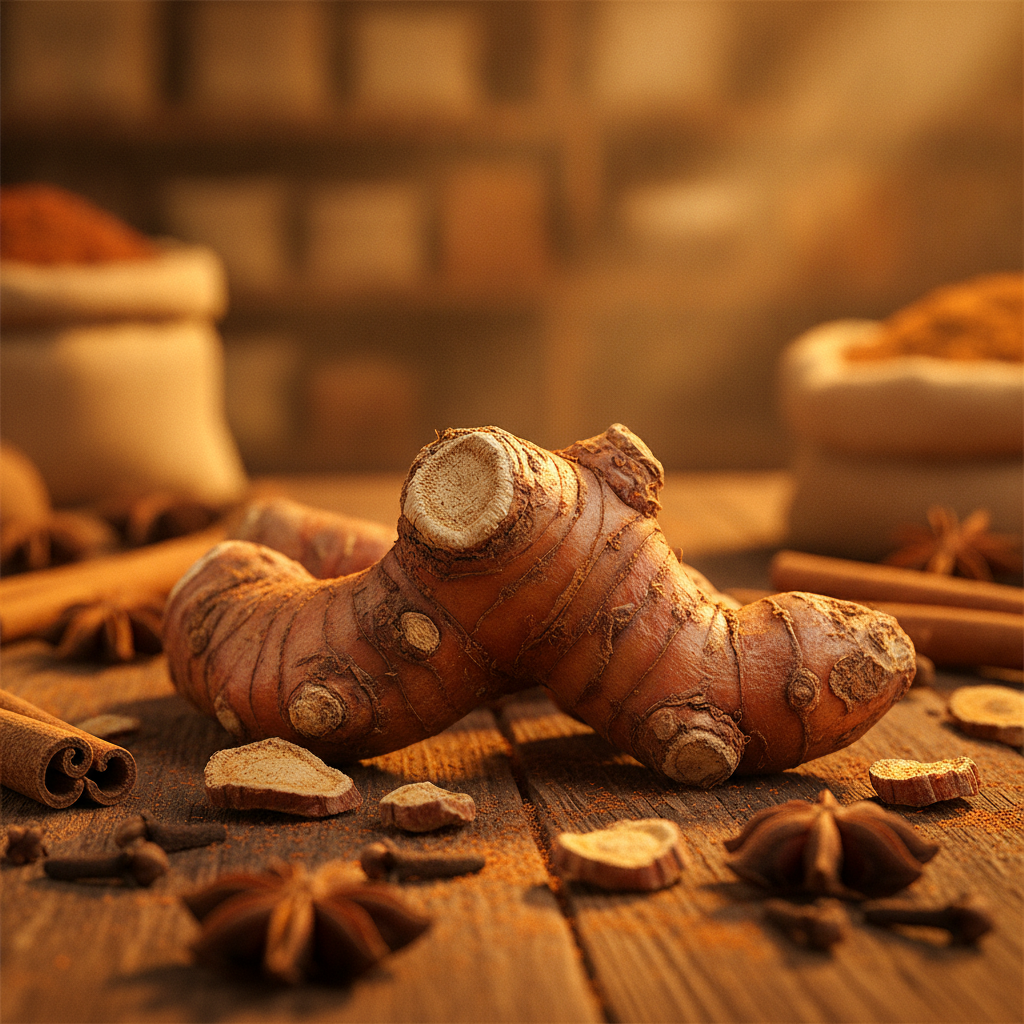
The Allure of Galangal: The Earthy Scent of Southeast Asia, a Spice Born at the Intersection of Time and Taste
Nestled in the fertile soil under the scorching sun of Southeast Asia, galangal is more than just a spice; it's a miniature universe. While it shares a rhizome kinship with ginger, its aromatic spectrum is far deeper and more diverse. The moment its scent wafts past your nose, it's as if you've stepped into a lush tropical forest. Initially, a refreshing citrus note brings a smile, then an earthy, profound essence envelops you. Subtle pine notes and the pungency of pepper join in, revealing a delicate yet intense presence.
Galangal's charm extends beyond its fragrance. The subtle spiciness on the palate stimulates the taste buds, enriching the dish's flavor. Especially when combined with other ingredients during cooking, galangal orchestrates a harmonious blend of all flavors, much like a conductor. Amidst the freshness of lemongrass, the zest of lime leaves, and the creaminess of coconut milk, galangal provides a robust yet vibrant core, completing the dish's identity. Its very presence evokes exotic Southeast Asian landscapes and culinary memories, offering an unforgettable experience to those exploring the world of gastronomy. This mysterious root invites us on a sensory journey beyond mere taste.
"Galangal is not just a spice. It is a small jewel containing the soul of Southeast Asia, a magic key that breathes life into cuisine."

History and Spice Trade: Galangal's Footprints Across the River of Time
The history of galangal is as deep and majestic as the lush forests of Southeast Asia. Used for medicinal and culinary purposes since before recorded history in Indonesia, Malaysia, and Thailand, this rhizome vegetable spread its name far and wide, even reaching Europe, along the ancient trade routes of human civilization. Around the 7th century, Arab merchants transported precious Southeast Asian spices, including galangal, to the Middle East and Europe via the Silk Road. At that time, galangal was not merely an ingredient but a valuable treasure that adorned noble tables and served as medicine. In medieval Europe, known as 'galanga,' it was highly prized as a valuable spice that enhanced the flavor of meat dishes and aided digestion.
With the advent of the Age of Discovery in the 15th century, galangal's status soared even higher. Explorers like Columbus and Magellan embarked on perilous voyages to find new spice-producing regions, and galangal, along with pepper, cloves, and nutmeg, garnered immense interest from Europeans. Maritime powers such as the Netherlands, Portugal, and England fiercely competed to monopolize the spice trade, including galangal, which became a significant driving force in shaping world history. Galangal was more than just a flavor enhancer; it symbolized the greed and adventure of the imperialist era and the cultural exchange between East and West. The fact that we can easily access galangal today is thanks to the sweat, courage, and sometimes sacrifices of countless individuals. A single piece of galangal embodies the long history of humanity and the spirit of adventure.
Origin and Cultivation: A Root of Life Growing in the Embrace of the Tropical Rainforest
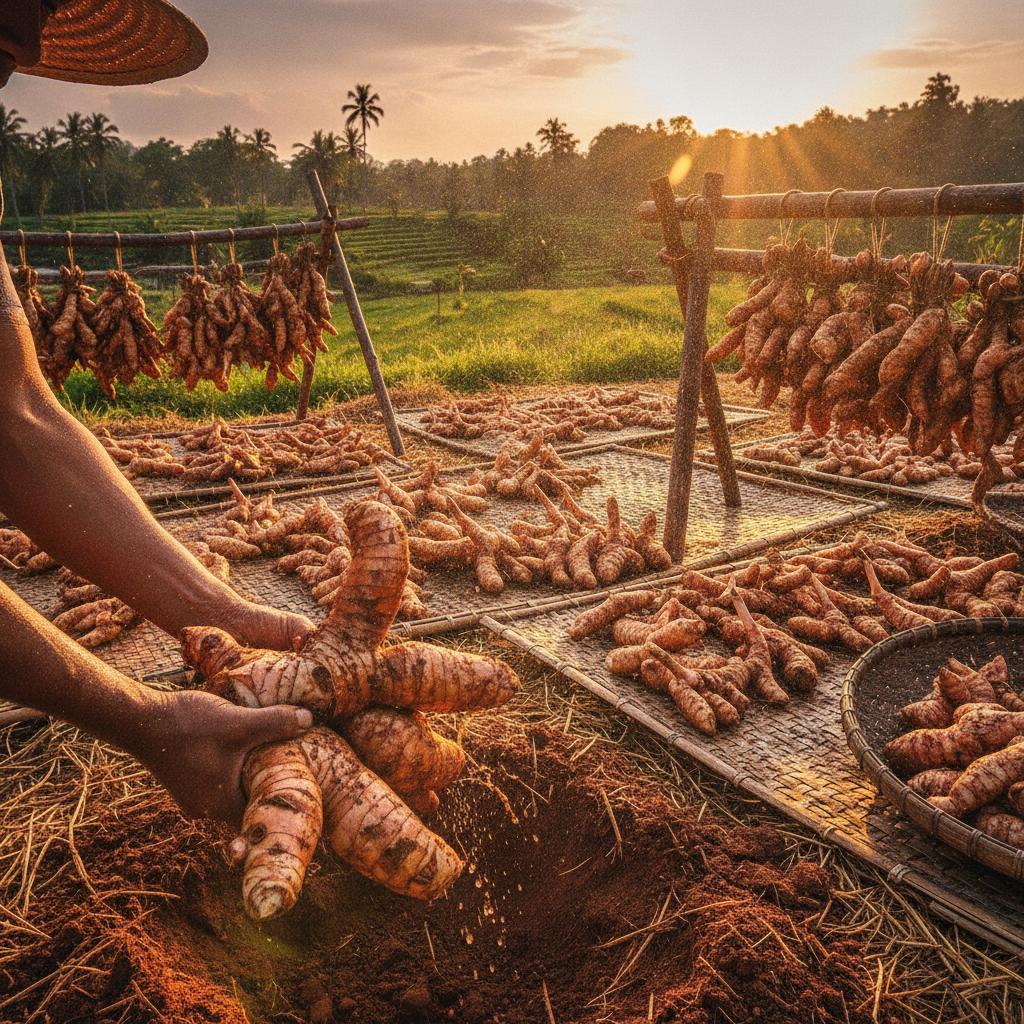
The origin of galangal is known to be the heart of Southeast Asia, particularly the Sunda Islands of Indonesia and the Malay Peninsula. This region boasts a tropical rainforest climate, where intense heat and abundant rainfall converge, allowing diverse life forms to thrive. Galangal grows most ideally in such an environment. Humid and fertile soil, coupled with adequate sunlight filtering through tree canopies, provides the optimal conditions for the galangal root to develop its deep and potent flavor.
Like ginger, galangal grows as a rhizome underground. It is primarily propagated by planting cut rhizomes rather than seeds, which preserves genetic characteristics and allows for faster harvesting. After planting the seedlings, it takes about 10-12 months for them to be ready for harvest, at which point the rhizomes are firm and their aroma is at its peak. The harvesting process requires delicate hands. Farmers carefully dig up the rhizomes without damaging them, remove the soil, and clean them thoroughly. Each step of this process determines the freshness and quality of the galangal. Sometimes, harvested galangal is dried in the sun or sliced and dehydrated, a traditional method that enhances shelf life and concentrates the flavor. A single piece of galangal embodies the rich nature of Southeast Asia, the sweat of farmers, and wisdom passed down through generations.
Culinary Applications: Galangal, the Heart of Southeast Asian Cuisine
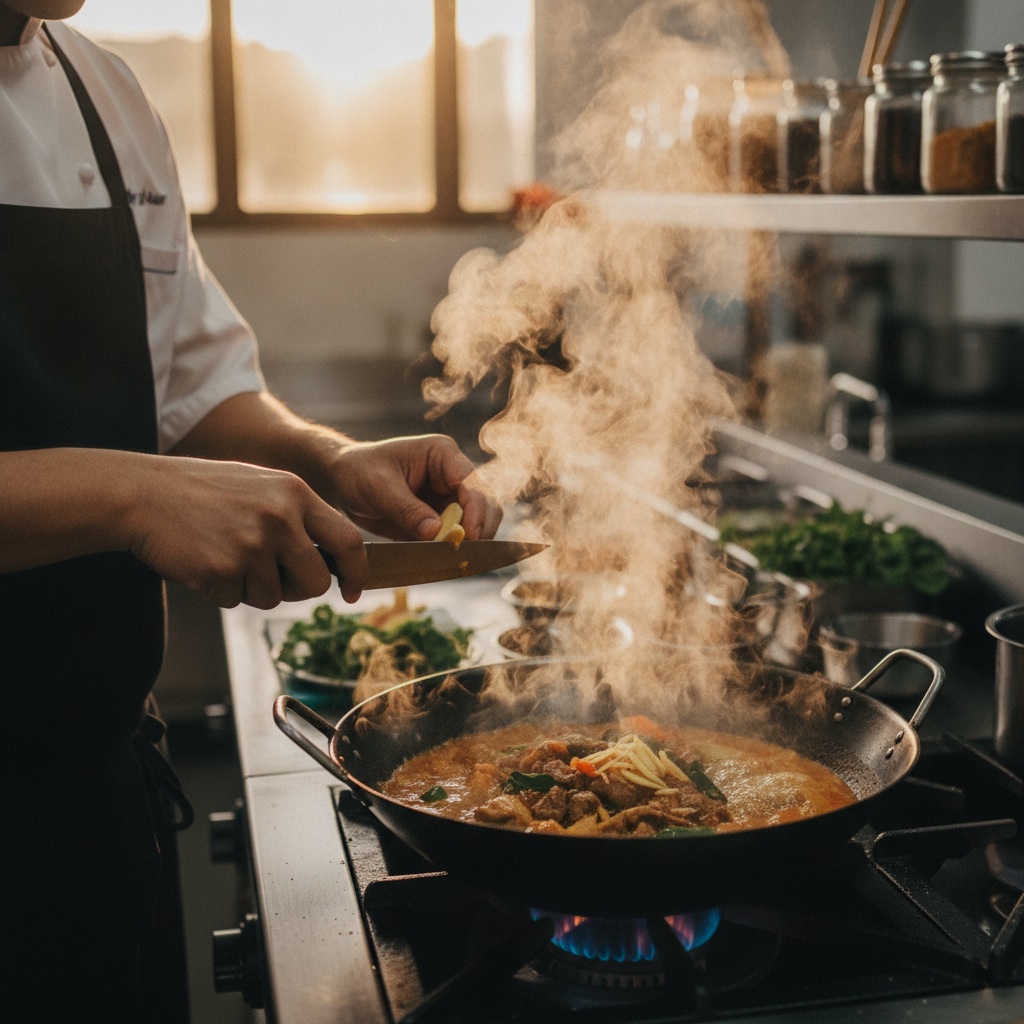
It is no exaggeration to say that galangal is the soul of Southeast Asian cuisine. Especially in Thai, Indonesian, and Malaysian dishes, galangal holds an even more significant position than ginger, establishing the identity of the cuisine with its unique flavor. The most representative dishes include Thailand's 'Tom Yum Goong' and 'Tom Kha Gai.' In the sour and spicy broth of Tom Yum Goong, galangal, along with lemongrass and lime leaves, provides a complex aroma, while in the creamy coconut milk broth of Tom Kha Gai, it adds a deep and warm flavor.
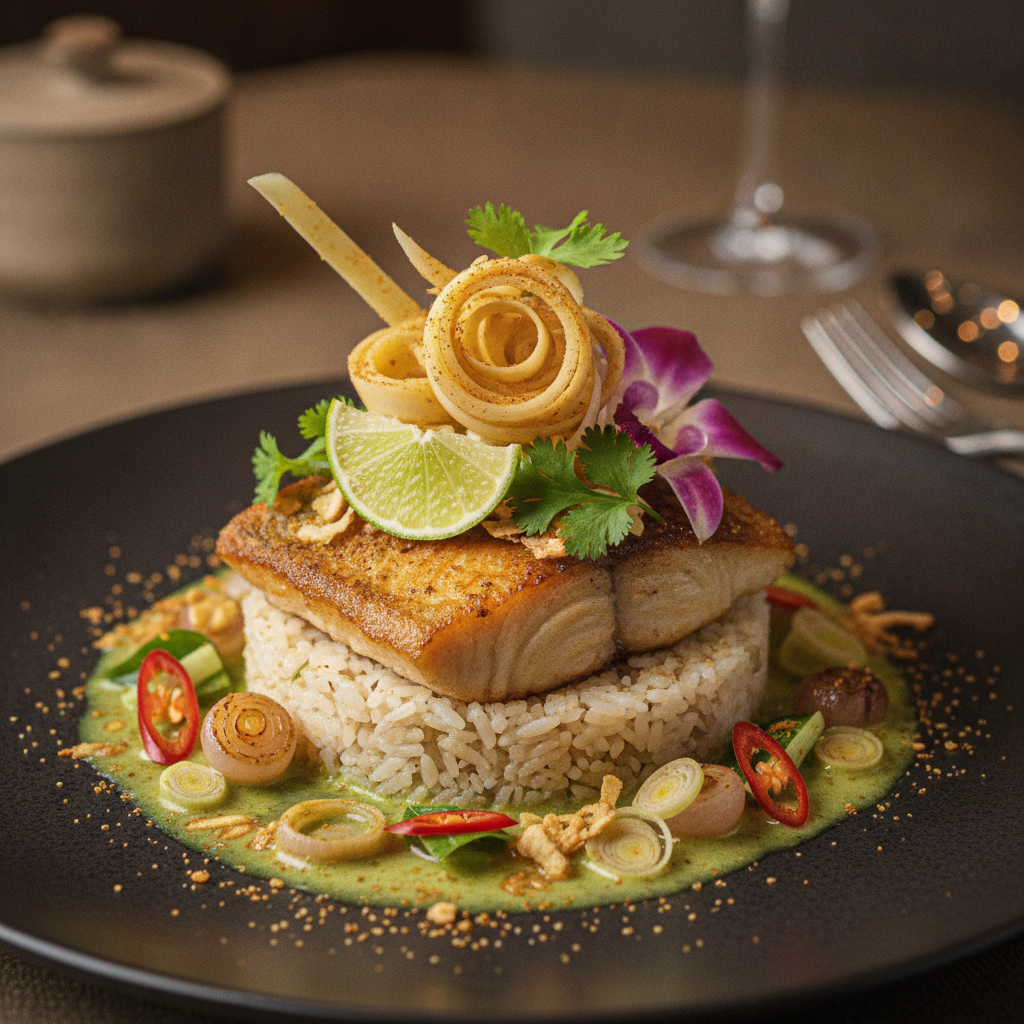
In Indonesian meat stews like 'Rendang,' galangal plays a crucial role in eliminating gamey odors and enhancing flavor. Galangal's aroma intensifies particularly during boiling or stir-frying, making it perfect for dishes that require deep flavors. Galangal is also an excellent partner for fish and seafood dishes. It effectively removes fishy odors without compromising the natural fresh taste of seafood, and instead, possesses a mysterious ability to enhance umami. Galangal is typically used thinly sliced or minced, and can also be made into a paste, stir-fried with other spices, and used as a base for dishes. Ingredients that pair well with galangal include coconut milk, lemongrass, lime leaves, chili peppers, garlic, onions, seafood, and chicken. Their harmony will allow you to experience the essence of Southeast Asian gastronomy.
"Tom Yum Goong without galangal is like a body without a soul." - Thai Proverb
Health Benefits: The Power of Galangal Revealed by Traditional Medicine and Modern Science
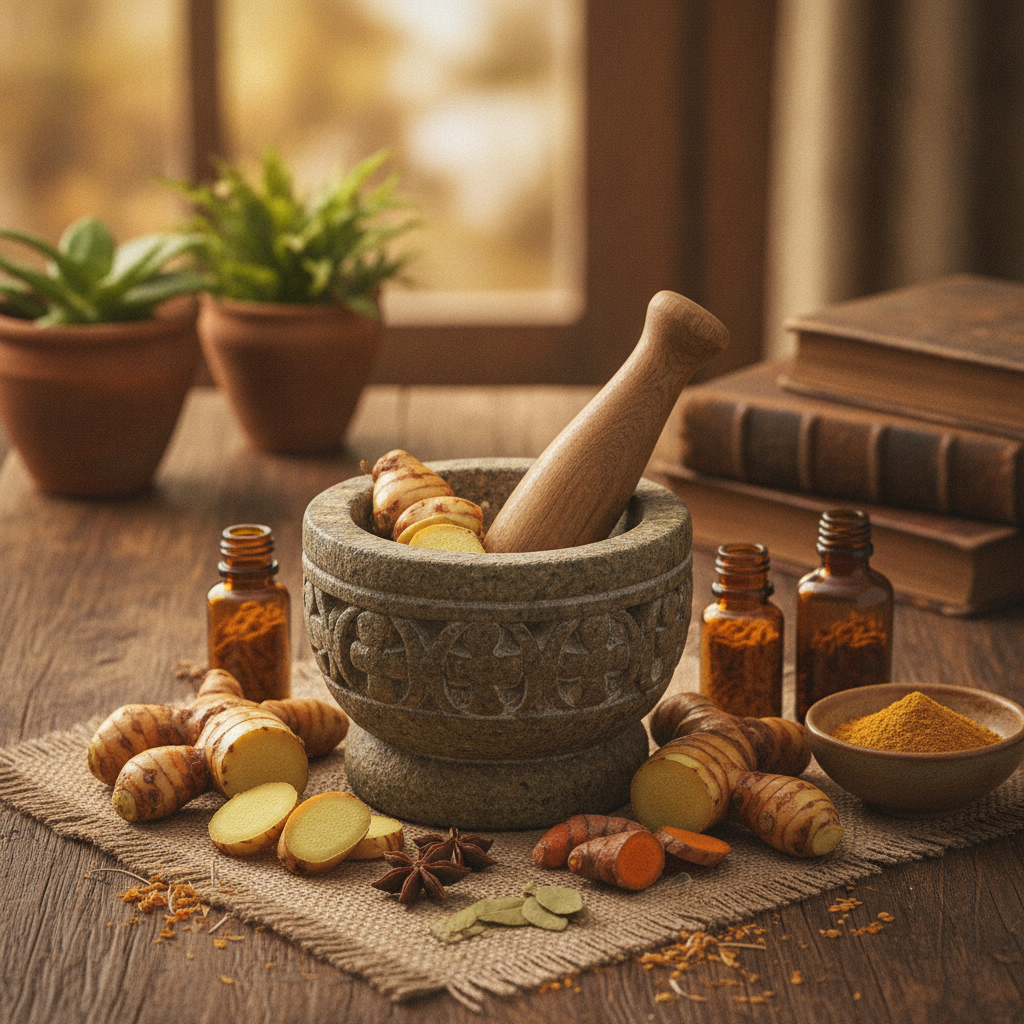
Galangal has been a treasured medicinal herb in Southeast Asian traditional medicine for thousands of years. It is known as the 'root of life' due to its diverse pharmacological actions, and its benefits are increasingly being revealed through modern scientific research. The most well-known benefits include its excellent anti-inflammatory and antioxidant properties. Active compounds abundant in galangal, such as flavonoids, terpenoids, and galangin, help reduce inflammation in the body and eliminate free radicals, preventing cell damage. This can have a positive impact on preventing chronic diseases and anti-aging.
Furthermore, galangal shows excellent effects in promoting digestion. Traditionally, it has been used to treat indigestion, abdominal pain, and nausea, as galangal stimulates gastric acid secretion and enhances bowel movements, aiding digestion. Some studies have also suggested that galangal may possess anti-cancer effects by inhibiting the growth of certain cancer cells. However, this area requires further research. In addition, various other benefits such as immune system enhancement, improved blood circulation, and cold prevention have been reported. Galangal is more than just a culinary ingredient; it is a gift from nature that protects our health. Of course, when consuming it for medicinal purposes, it is important to consult a professional.
Buying & Storage Tips: A Culinary Journey to Find Fresh Galangal
Choosing good galangal is the first step to delicious cooking. When purchasing galangal at a market or grocery store, there are a few points to remember. First, observe its appearance. Fresh galangal should have smooth, firm skin and a light brown color. Avoid those that are wrinkled or shriveled, as they indicate a lack of freshness. Also, smelling it is important. When you bring it close to your nose, you should detect a fresh lemon scent along with an earthy aroma. If it smells moldy or unpleasant, do not buy it.
Proper storage after purchase is also crucial. Galangal is susceptible to moisture, so keeping it dry is key. After brushing off the soil, wrap it in plastic wrap or a plastic bag and store it in the refrigerator's vegetable drawer, where it can maintain freshness for about 2-3 weeks. If you want to store it longer, it is recommended to wash the galangal thoroughly, dry it completely, then slice thinly or mince it and store it frozen. When freezing, place it in an airtight container or zip-lock bag, removing as much air as possible. This way, you can easily take it out and use it whenever needed. Making galangal paste and freezing it is also a good option. By following these proper purchasing and storage methods, you can infuse your dishes with the charm of fresh galangal at any time.
Recommended Recipes: Savoring the Charm of Galangal
1. Aromatic Thai-style Galangal Tea
Galangal tea, which warms the body and aids digestion, is a simple yet excellent way to enjoy the inherent aroma of galangal.
- Ingredients: 50g fresh galangal, 500ml water, honey or sugar (optional)
- Instructions:
- Peel and thinly slice the galangal.
- In a pot, add water and sliced galangal, then bring to a boil.
- Once the water starts boiling, reduce heat to low and simmer for 10-15 minutes to allow the galangal's aroma to infuse sufficiently.
- Strain to remove galangal pieces. Add honey or sugar to taste, if desired. Enjoy warm or chilled as iced tea.
2. Simple Galangal Coconut Chicken Stew
This simple stew offers an exotic flavor, thanks to the fantastic combination of galangal and coconut milk.
- Ingredients: 300g chicken (thighs or breast), 30g fresh galangal, 400ml coconut milk, 1/2 onion, 2 cloves garlic, 1 stalk lemongrass (optional), 2 lime leaves (optional), 1 tbsp fish sauce, 1 tsp sugar, a little cooking oil
- Instructions:
- Cut the chicken into bite-sized pieces. Thinly slice or mince the galangal. Mince the onion and garlic. Bruise the lemongrass with the back of a knife to release its aroma.
- Heat cooking oil in a pot and sauté the minced