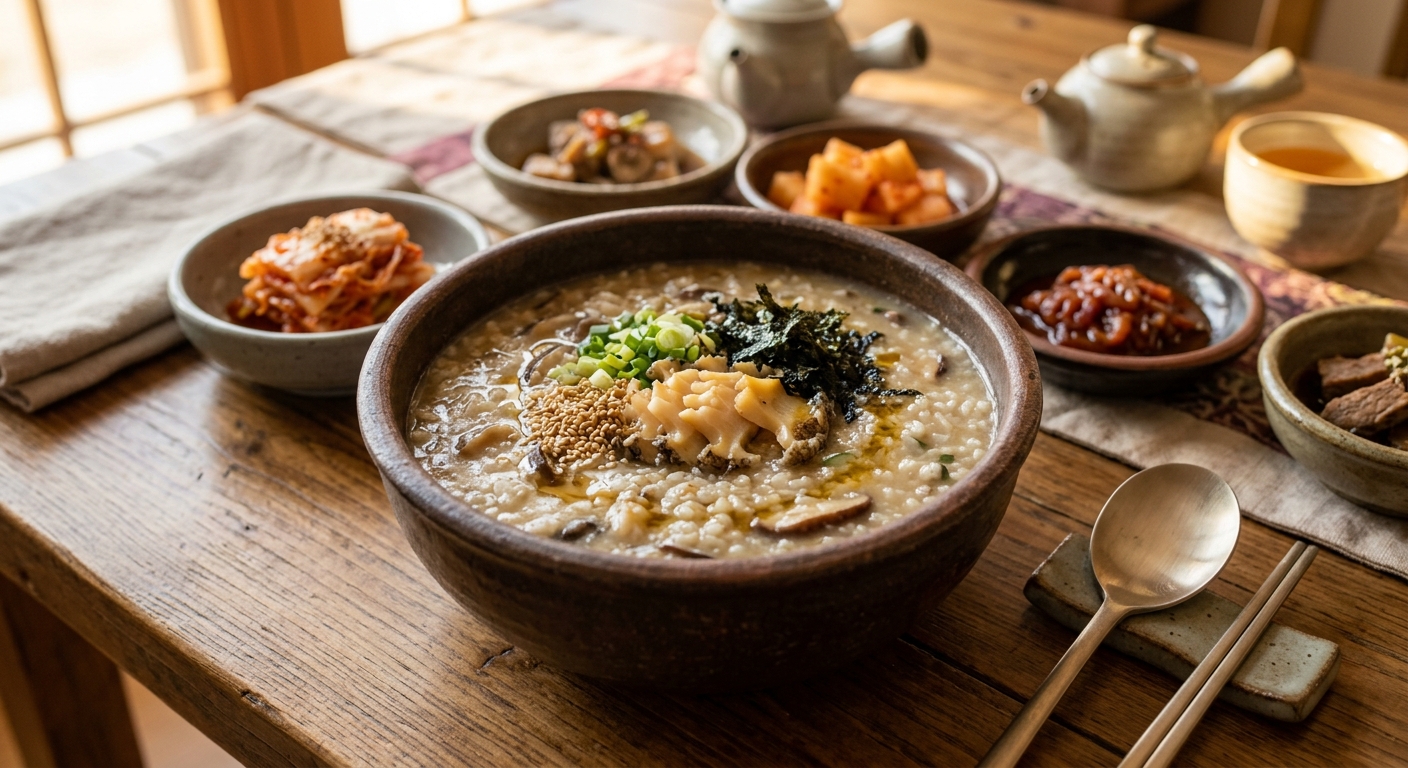
1. The History and Origin of Abalone Porridge
Abalone porridge is a special dish with a long history and profound meaning in Korean cuisine. Historically, abalone has been revered as a precious and nutritious ingredient, often called "ginseng of the sea." In the southern coastal regions, where abalone is abundant, various dishes utilizing abalone have developed. Among them, abalone porridge has particularly established itself as a supreme dish served on the royal table, a nourishing food for the weak and sick, or a top-tier meal for esteemed guests.
Records of abalone porridge can be found in the Annals of the Joseon Dynasty and various ancient documents, suggesting that it was more than just food; it embodied people's wishes for health and well-being. Notably, 해녀 (haenyeo, female divers) would prepare it to soothe their weary bodies after diving, and fishermen would offer it on ancestral altars to pray for bountiful catches and prosperity. Within this historical context, abalone porridge became a symbol of devotion, care, and healing, transcending mere sustenance. A bowl of abalone porridge, infused with the essence of the sea, embodies the wisdom and warm affection of the Korean people. Even in modern times, abalone porridge remains cherished as the epitome of nourishing food, occupying a significant place in Korean culinary culture. It still carries many stories, such as a mother's heartfelt care while simmering it all night for a sick family member, or the aspirations of those seeking to boost their vitality before important events.
2. Authentic Recipe
Ingredients List (Serves 4)
- 5-6 medium abalones (including guts)
- 1 cup glutinous rice (or 1 cup soaked regular rice)
- 2 tablespoons sesame oil
- 1 teaspoon minced garlic
- 1 teaspoon Korean soy sauce for soup (Gukganjang, optional)
- A pinch of salt
- 8-10 cups water or kelp broth
- A little chopped green onion (for garnish)
- A little shredded seaweed (for garnish)
Detailed Cooking Steps
- Soaking the Rice: Soak the glutinous rice for at least 2 hours in advance. Drain the water from the soaked rice and set aside. (If using regular rice, soak for about 30 minutes.)
- Preparing Abalone: Scrub the abalones clean with a brush, cleaning both the shell and the flesh. Use a spoon or knife to separate the flesh from the shell, carefully detaching the guts without bursting them. Remove the abalone's teeth (mouth part/sand sac). Slice or mince the abalone flesh into bite-sized pieces. Finely chop the guts with a knife or blend them in a mixer.
- Sautéing Abalone Guts: In a thick-bottomed pot, heat 1 tablespoon of sesame oil. Add the minced garlic and finely chopped abalone guts, then sauté over low heat. Be careful not to burn the guts, and continue to sauté until a rich, savory aroma emerges. This step determines the color and deep flavor of the abalone porridge.
- Sautéing Rice and Abalone: Add the soaked glutinous rice to the pot with the sautéed guts and stir-fry until the rice becomes translucent. Then add about half of the sliced abalone flesh and sauté briefly. (The remaining abalone flesh will be added later to preserve its texture.)
- Adding Water and Simmering: Pour water or kelp broth into the pot with the sautéed ingredients and bring to a boil over high heat. Once boiling, reduce the heat to low, leave the lid slightly ajar, and simmer gently until the rice grains are fully cooked and softened. Stir occasionally to prevent sticking to the bottom of the pot.
- Seasoning: When the rice grains are mostly cooked and the porridge thickens, add the remaining abalone flesh and simmer for another short while. Add Korean soy sauce for soup to enhance color and umami, then season with salt to taste. Since abalone itself has a salty flavor, adjust the seasoning gradually.
- Serving: Before serving, drizzle a few drops of sesame oil, then garnish with chopped green onions and shredded seaweed.
3. Flavor Characteristics
Abalone porridge boasts a deep and delicate harmony of flavors, surpassing many other dishes. The first sensation upon a spoonful is the warm, comforting texture of soft rice grains. Simmered gently for a long time, the rice grains caress the palate like velvet, sliding down smoothly. Within this gentle embrace, the chewy texture of the abalone flesh, with its delightful crunch, injects vibrant life beyond mere softness. It feels as if the very breath of the ocean is palpable.
The aroma is, of course, unparalleled. The distinctively deep, savory scent of the sea, derived from thoroughly sautéed abalone guts, stimulates the salivary glands with just its fragrance. The subtle aroma of sesame oil further enriches the overall bouquet. There is no hint of fishiness; instead, a fresh and profound ocean scent, like crisp, clean air encountered while walking through a forest, wafts past the nose.
And what of the taste? Initially, a clean and subtle umami predominates. The deep flavor extracted from the abalone guts, combined with the natural sweetness of the rice grains, stimulates the taste buds. When seasoned with salt, the umami explodes, filling the mouth with a wave of oceanic flavor that gently recedes. The balance of savory and refreshing, clean and profound flavors elevates abalone porridge from a simple gruel to a work of art. Abalone porridge, capable of healing body and mind when sick and invigorating when healthy, can be considered the essence of traditional Korean cuisine, embodying the very nature of taste.
4. Cooking Tips and Secrets
"Abalone porridge truly achieves its authentic flavor when rice, abalone, and the cook's devotion are harmoniously combined." - Korean Cuisine Expert Chef
Here are some professional tips to make your abalone porridge even more delicious:
- Importance of Sautéing Abalone Guts: The key is to take ample time to sauté the abalone guts over low heat until a rich, savory aroma emerges, stirring continuously to prevent burning. This process determines the characteristic golden color and deep umami flavor of the abalone porridge. Using a blender to pulverize the guts can yield an even smoother texture.
- Utilizing Broth: Instead of plain water, using kelp broth or rice water (ssal-tteumul) can result in a deeper, richer flavor. Anchovy-kelp broth particularly enhances the umami of the abalone.
- Soaking and Sautéing Rice: Glutinous rice must be thoroughly soaked for the grains to soften properly and to prevent sticking to the bottom of the pot. Sautéing the rice until it becomes translucent ensures that the grains will be plump and savory after cooking.
- Timing for Adding Abalone Flesh: Adding all the abalone flesh at the beginning can cause it to overcook and become tough. Sauté half of it with the guts to impart flavor, and add the remaining half when the porridge is almost done, cooking it just enough to retain its chewy texture.
- Seasoning: Since abalone itself contributes saltiness and umami, it's best to add salt gradually and adjust to taste. A small amount of Korean soy sauce for soup (gukganjang) can enhance both color and umami.
- Simmering over Low Heat: Porridge cooked rapidly over high heat tends to stick to the bottom and prevents the rice grains from softening properly. Simmering gently over low heat for a long time, with care, yields a smooth and deeply flavorful porridge. Don't forget to stir occasionally.
- The Final Touch: A drop or two of sesame oil added to the finished abalone porridge will double its savory aroma, enhancing the overall flavor.
5. Variations of the Recipe
Modern Reinterpretation: Seafood Abalone Porridge
This variation adds various seafood to abalone porridge for a richer taste and enhanced nutrition. While the basic process of sautéing abalone guts remains the same, add seafood such as shrimp, scallops, and clams when sautéing the rice. For shrimp, peel and mince them; for scallops, slice them into bite-sized pieces. If adding seafood, using a seafood broth will further deepen the taste of the ocean. Consider a Western-style plating by lightly garnishing with parsley or herbs. The combination of rich seafood textures and aromas makes it a perfect brunch item for special occasions.
Fusion Version: Truffle Abalone Porridge
For a touch of luxury, try incorporating 'truffle oil.' After preparing the basic abalone porridge, drizzle a few drops of truffle oil just before or after serving. The distinctive and intense aroma of truffle oil, combined with the savory flavor of abalone, creates a sophisticated taste that will captivate gourmets. Garnish with thinly sliced truffles for a visually stunning fusion dish. The clean taste of abalone porridge meets the extravagance of truffle, offering an entirely new culinary experience.
Convenient Version: Using Pre-packaged Abalone Porridge
For busy days when preparing authentic abalone porridge is challenging, convenient options like commercial abalone porridge packs or frozen abalone can be utilized. While pre-packaged porridge only requires heating, you can enhance its flavor and nutrition by adding freshly prepared abalone, lightly cooked. For frozen abalone, thaw, prepare, and then add to the porridge. To mitigate any distinct fishiness from frozen abalone, it's advisable to add a little more minced garlic and ginger when sautéing. If time is short, cooked rice can be used instead of soaked rice, but adjust the amount of water as the rice grains may expand differently. Even with a convenient version, adding a small amount of fresh ingredients can significantly deepen the flavor.
6. Accompaniments and Table Setting
Abalone porridge is a complete meal on its own, but adding a few side dishes and an appropriate table setting can create a richer and more satisfying dining