The History and Origin of Nokdu Bindaetteok
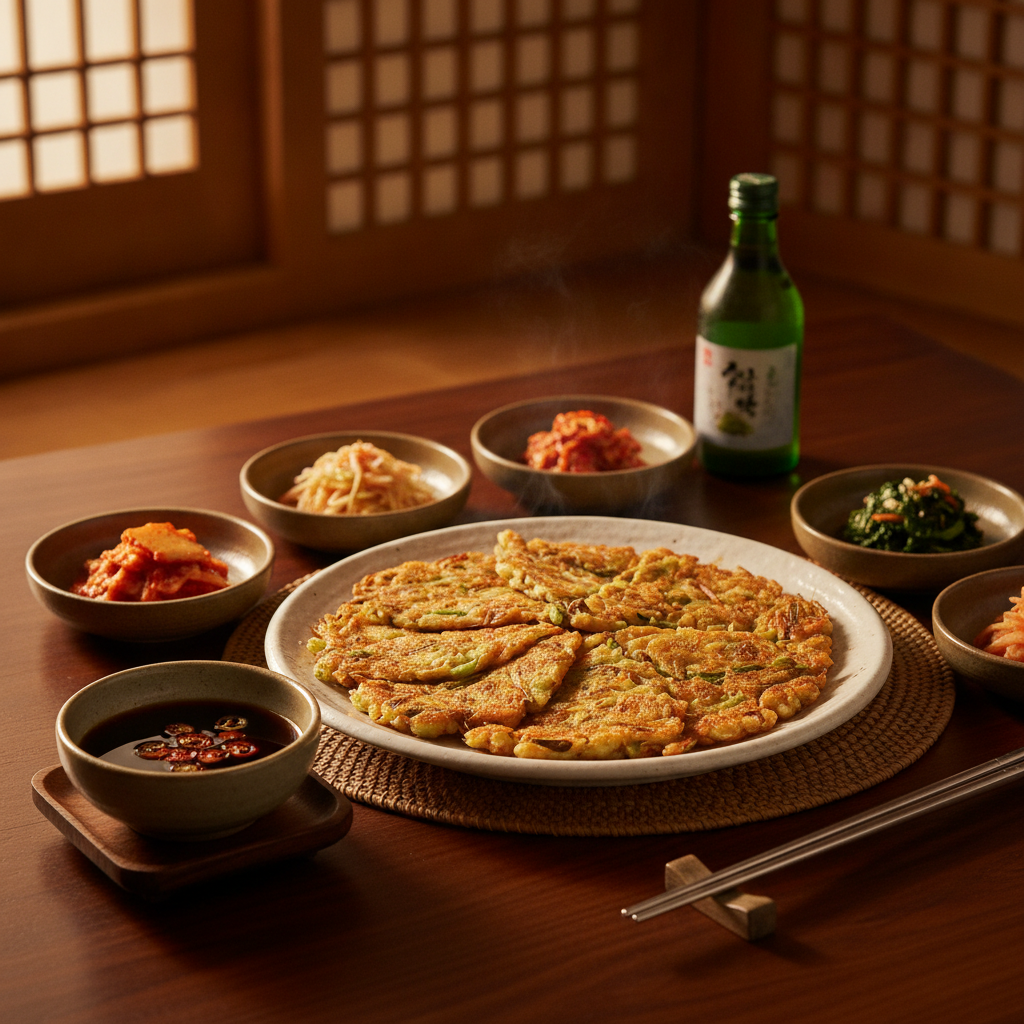
Nokdu Bindaetteok, or mung bean pancake, is a traditional Korean dish that has graced Korean tables for centuries, firmly establishing its place in the culinary landscape. Its origins trace back to the Joseon Dynasty, where it was called 'Binja-tteok (貧者餠),' meaning 'poor person's pancake.' As the name suggests, it originated from a simple dish made by the poor to quell their hunger, using mung beans and easily accessible vegetables. However, as time progressed, various ingredients were added, and the cooking methods evolved, transforming Binja-tteok from a humble dish into a delicacy enjoyed by all. Nokdu Bindaetteok from the Pyeongyang region became particularly famous, deeply linked to the region's active mung bean cultivation.
After the Korean War, as refugees gathered in places like Seoul's Gwangjang Market to make a living, Nokdu Bindaetteok was reborn as a representative street food, embodying the lives and sorrows of ordinary people. A sizzling pancake on a hot griddle offered warm comfort and a hearty meal amidst difficult lives. The culture of enjoying Bindaetteok with makgeolli (rice wine) on a rainy day naturally formed within this historical context. Beyond merely filling the stomach, Nokdu Bindaetteok has become an important culinary heritage symbolizing Korean sentiment and community bonds. Whether for holidays, feasts, or everyday life, it serves as a medium for sharing warm memories and affection, truly showcasing the depth of Korean food culture as a living history.
Authentic Recipe
Ingredients List (for 4-5 pancakes)
- Main Ingredients:
- Mung beans: 2 cups (before soaking)
- Pork (shoulder or hind leg): 200g
- Bracken (Gosari): 150g (boiled)
- Bean sprouts (Sukjunamul): 200g
- Napa cabbage kimchi: 150g
- Green onion: 1 stalk
- Red chili pepper/Green chili pepper: 1 each
- Pork Seasoning:
- Soy sauce: 1.5 tablespoons
- Minced garlic: 1 teaspoon
- Sesame oil: 1 teaspoon
- Black pepper: a pinch
- Mung Bean Batter Seasoning:
- Salt: 1 teaspoon
- Black pepper: a pinch
- Sweet rice flour or wheat flour: 2 tablespoons (optional, for adjusting batter consistency)
- Oil for Frying:
- Cooking oil: generous amount
Detailed Cooking Steps
- Soaking and Grinding Mung Beans:
Wash mung beans thoroughly and soak them in lukewarm water for at least 6 hours. Once the skins have softened, rub them off by hand, rinse several times, and drain well in a sieve. Grind the soaked mung beans in a blender with 1/2 cup of water until thick. It's crucial to adjust the consistency so it's not too watery. Mix in 1 teaspoon of salt and a pinch of black pepper to complete the batter.
- Preparing Ingredients:
Mince or finely chop the pork and marinate with soy sauce, minced garlic, sesame oil, and black pepper. Cut the boiled bracken into bite-sized pieces. Blanch the bean sprouts, squeeze out excess water, and chop finely. Remove the stuffing from the kimchi, squeeze out water, and mince finely. Slice or finely chop the green onion and chili peppers.
- Mixing Batter Ingredients:
Add the seasoned pork, bracken, bean sprouts, kimchi, green onion, and chili peppers to the ground mung bean batter. Mix thoroughly with a spatula. If the batter is too thin, add 1-2 tablespoons of sweet rice flour or wheat flour to adjust the consistency. Be careful not to make it too thick, as this can result in a stiff pancake.
- Frying the Pancakes:
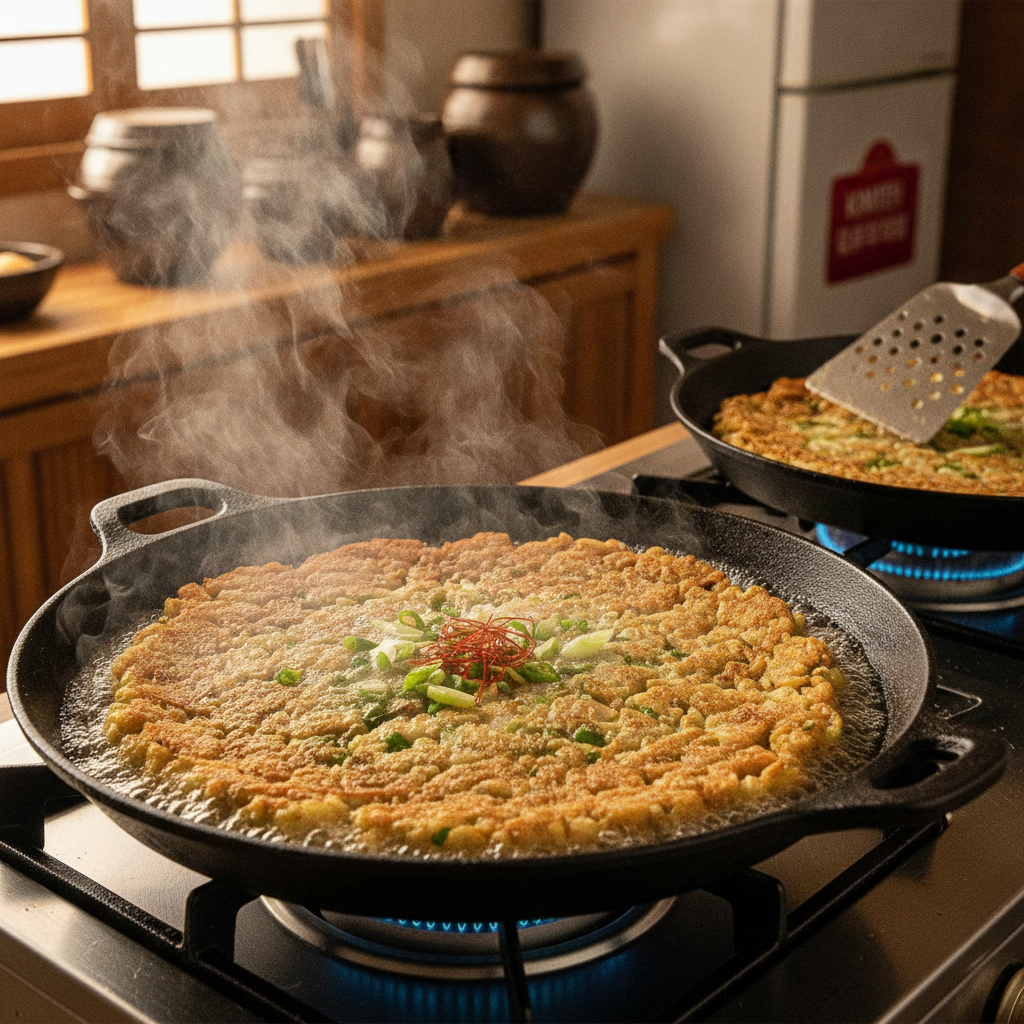
Heat a pan over high heat and add a generous amount of cooking oil. Once the oil is hot, scoop a ladleful of the batter onto the pan and flatten it with a spatula. When the edges of the pancake turn golden brown, reduce the heat to medium-low and fry until cooked through. Once one side is sufficiently cooked and crispy, flip it over and fry the other side until golden and crispy. Using ample oil helps achieve a crispy texture.
- Completion:
Once both sides are golden brown, place the pancakes on a paper towel to drain excess oil. Serve immediately while warm for the best taste.
Flavor Characteristics
Freshly fried Nokdu Bindaetteok offers a captivating feast for the senses. First, the sizzling sound from the hot pan stimulates the salivary glands, and the savory aroma of oil fills the kitchen, whetting the appetite. With the first bite, the delightful contrast of a crispy exterior and a moist, soft interior pleases the palate. The savory taste of well-ground mung beans dominates the initial flavor, followed by the deep umami from the pork, which harmonizes exquisitely with the mung beans' mildness.
The chewy texture of bracken and the crispness of bean sprouts add a diverse textural enjoyment, while the sour and crunchy well-fermented kimchi cuts through any richness, creating balance. The subtle fragrance and slight pungency of green onion and chili peppers invigorate what might otherwise be a monotonous flavor, enhancing the overall profile. Despite being fried in oil, the combination of mung beans and vegetables results in a clean yet deeply harmonious flavor, far from heavy. Enjoyed with a glass of makgeolli, the blend of savory and refreshing notes creates a magical taste that maximizes the ambiance of a rainy day.
Cooking Tips and Secrets
The true taste of Nokdu Bindaetteok begins with sincerity. Every small detail comes together to create a perfect flavor.
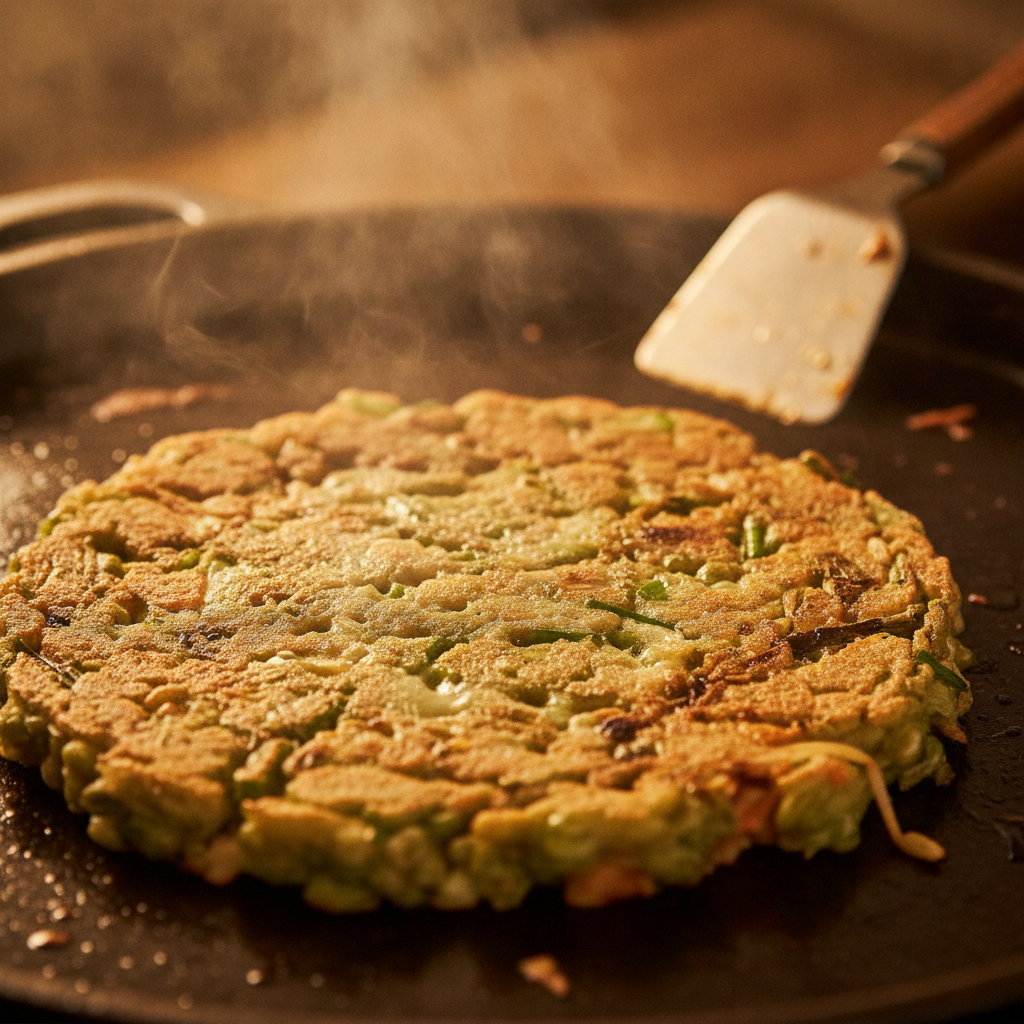
1. Soaking and Peeling Mung Beans: It's crucial to soak mung beans sufficiently and remove their skins thoroughly. If the skins are not properly removed, the batter can become gritty, and the color will be dull. Rubbing them by hand or using the traditional method of pounding them in a mortar after soaking and then floating the skins off in water will yield a smoother texture. Using lukewarm water for soaking can also speed up the process.
2. Mung Bean Batter Consistency: Adjusting the amount of water when grinding mung beans is key. If it's too thin, the pancake will spread and be less crispy; if too thick, it can become dry and hard. The ideal consistency is when the batter slowly falls off a spatula rather than flowing freely. If necessary, add a small amount of sweet rice flour or wheat flour to adjust the consistency, but be careful not to add too much. Sweet rice flour adds chewiness, while wheat flour helps maintain a firmer shape.
3. Pork Seasoning and Additions: Minced or finely chopped pork, seasoned and marinated in advance, deepens the umami flavor. In addition to pork, a small amount of seafood (oysters, shrimp, etc.) can be added for a different flavor profile. Oysters, in particular, pair well with mung beans, adding a refreshing and deep taste.
4. Ample Oil and Proper Heat Control: Nokdu Bindaetteok should be fried in a generous amount of oil, almost like deep-frying, to achieve a crispy exterior and moist interior. First, heat the pan over high heat, then add the batter. Once the edges turn golden brown, reduce the heat to medium-low and cook thoroughly until the inside is done. Frying only on high heat can burn the outside while leaving the inside uncooked.
5. Kimchi Usage: Squeeze out excess water from the kimchi to prevent the pancake from becoming soggy and to ensure a clean taste. If using very sour kimchi, rinse it lightly with water or add a small amount of sugar to neutralize the sourness.
Variations
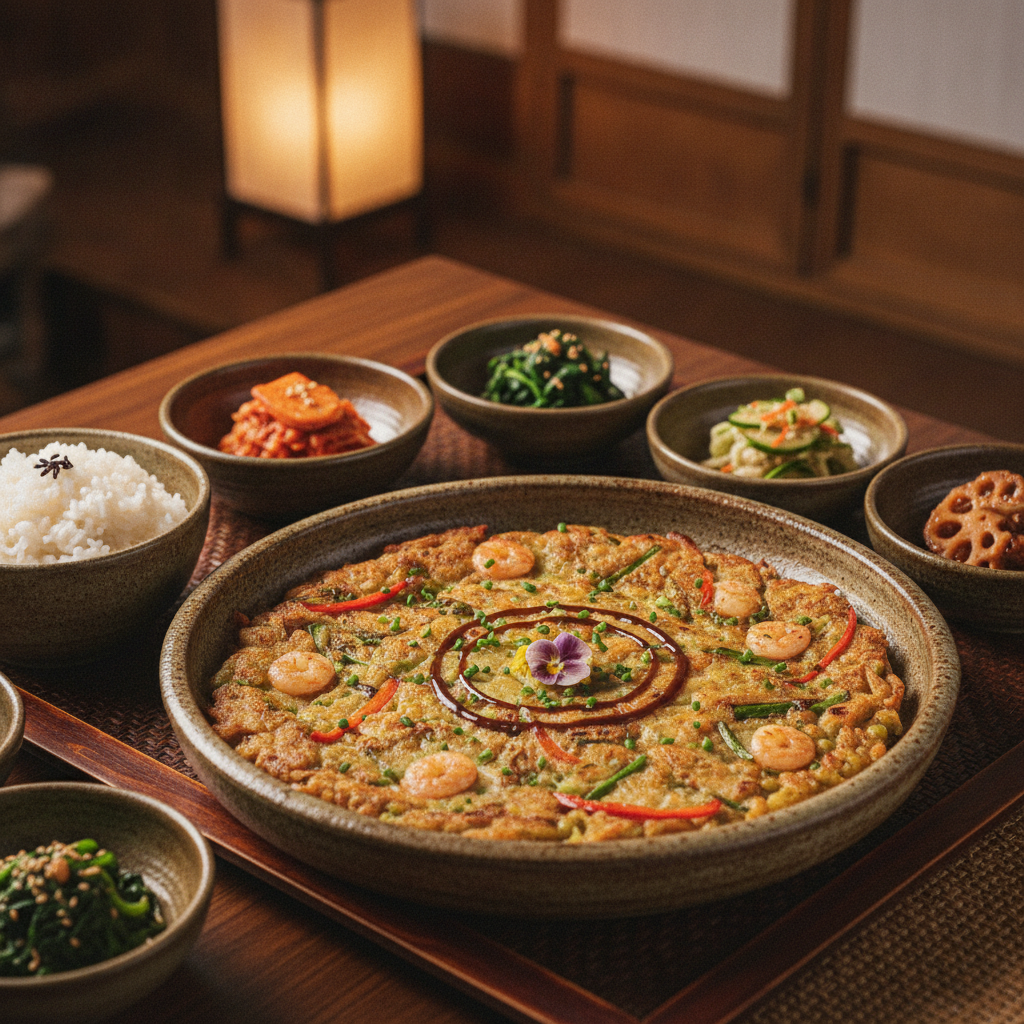
1. Seafood Nokdu Bindaetteok (Fusion Version)
Enhance the traditional Nokdu Bindaetteok with fresh seafood for a richer flavor and texture. Instead of or in addition to pork, add cleaned squid, shrimp, or oysters. Mince the squid, chop the shrimp into bite-sized pieces. For oysters, add them to the batter just before frying, being careful not to break them. The cool and savory flavor of seafood harmonizes with the mung beans' richness, offering a unique gourmet experience. Dipping it in soy sauce with vinegar can further highlight the seafood's taste.
2. Vegetable-Rich Nokdu Bindaetteok (Simple & Healthy Version)
This version is healthier and lighter, made with a variety of vegetables instead of meat. In addition to bean sprouts and bracken, finely chop and add shiitake mushrooms