
Tradition
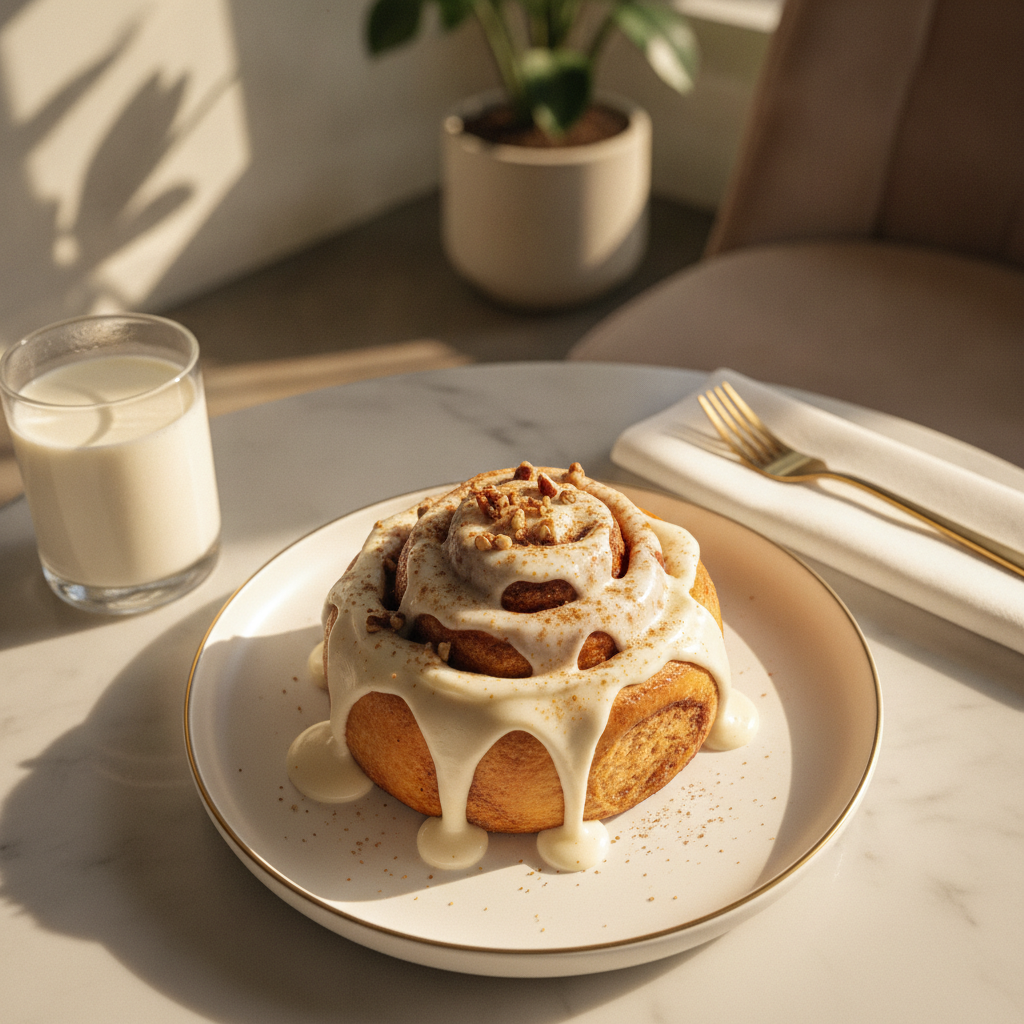
More than just a pastry, the cinnamon roll is a soul food deeply embedded in the cultural traditions of Northern Europe and North America. In Sweden, October 4th is even celebrated as 'Kanelbullens dag' (Cinnamon Roll Day), a testament to its indispensable presence in daily life. 'Kanelbulle', meaning 'cinnamon bun' in Swedish, is a symbol and centerpiece of the 'Fika' culture. Fika is not merely about drinking coffee; it's a unique Swedish social tradition of taking a break to chat and relax with friends, colleagues, or family. In these moments, a warm cinnamon roll paired with a cup of coffee becomes a medium for communication, completing a cozy moment where people pause from their busy lives to acknowledge and comfort each other.
In the United States, cinnamon rolls are commonly enjoyed for breakfast or brunch. During holidays like Christmas or Thanksgiving, families often gather to bake or share cinnamon rolls, a tradition deeply rooted in their culture. The sweet and tangy cream cheese frosting generously slathered on American cinnamon rolls symbolizes abundance and happiness, becoming a sweet piece of memory shared with loved ones. The sweet cinnamon scent of freshly baked cinnamon rolls wafts through the house, gathering the whole family and melting the hearts of those together. On holiday mornings, waking up to the aroma of cinnamon rolls filling the house can evoke precious childhood memories, serving as a powerful nostalgia. Thus, cinnamon rolls transcend mere sustenance, deeply embedding their traditional meaning as an important medium symbolizing a specific culture's way of life, values, and the warm bonds that connect people.
Moreover, cinnamon rolls are a source of warmth that brightens the long, cold winter nights in Northern Europe. Enjoying a warm beverage with a cinnamon roll indoors when cold winds blow and snow falls is more than just a snack; it's a ritual. It is regarded as a small happiness found amidst the cold and darkness, a precious moment that brings vitality to life. The perfect harmony created by the softness of the bread dough, the spiciness of cinnamon, and the sweetness of sugar offers warm comfort to tired bodies and minds, awakening the simple joys of life. In this way, cinnamon rolls are deeply ingrained in the changing seasons and the rhythm of people's lives, cherished as an iconic food representing their traditions and culture.
History
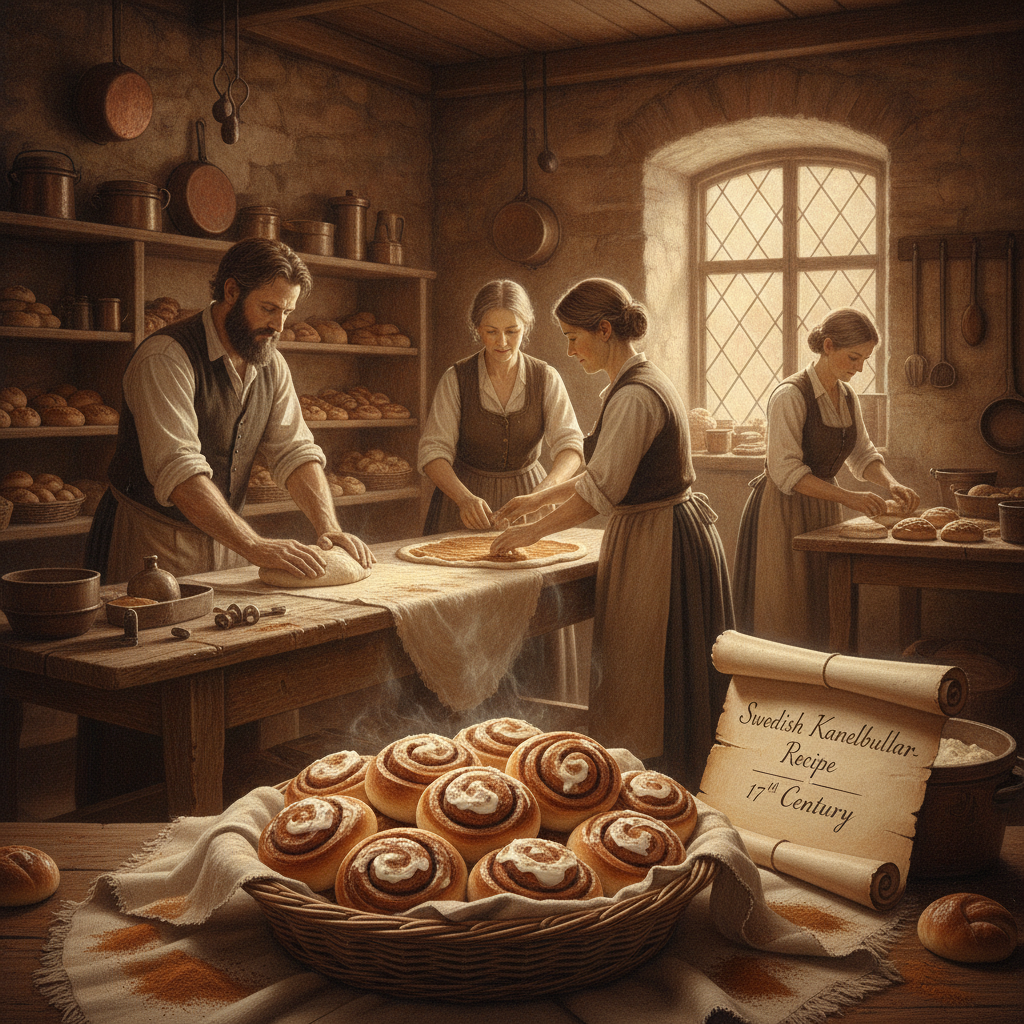
While the exact origin of the cinnamon roll is somewhat unclear, its roots are believed to trace back to 17th-century Sweden. At that time, Sweden encountered cinnamon, an Eastern spice, through the East India Company, and its exotic aroma captivated the palates of Northern Europeans. However, sugar and cinnamon were very rare and expensive ingredients back then, making cinnamon rolls a luxury dessert enjoyed only by a select few wealthy individuals. Much like precious jewels today, they were a rare treat reserved for special occasions.
The widespread popularization of cinnamon rolls began in the early 20th century, after World War I, when the supply of ingredients like sugar, flour, and cinnamon became stable and prices normalized. Especially in Sweden, by the 1920s, baking cinnamon rolls at home became common, and as each household developed its own unique recipes passed down through generations, cinnamon rolls firmly established themselves as a national snack. They met with Northern Europe's unique fermented bread culture, resulting in the soft and moist cinnamon rolls we know today. From then on, cinnamon rolls became an essential element of Sweden's 'Fika' culture, symbolizing a sweet break enjoyed with coffee. Like an old friend, they became a familiar and warm presence, always there.
The spread of cinnamon rolls beyond Sweden
Looking for a place nearby? Search “시나몬롤” on Naver Map.