
1. Tradition - The Lingering Warmth and Gentle Ritual of Sharing
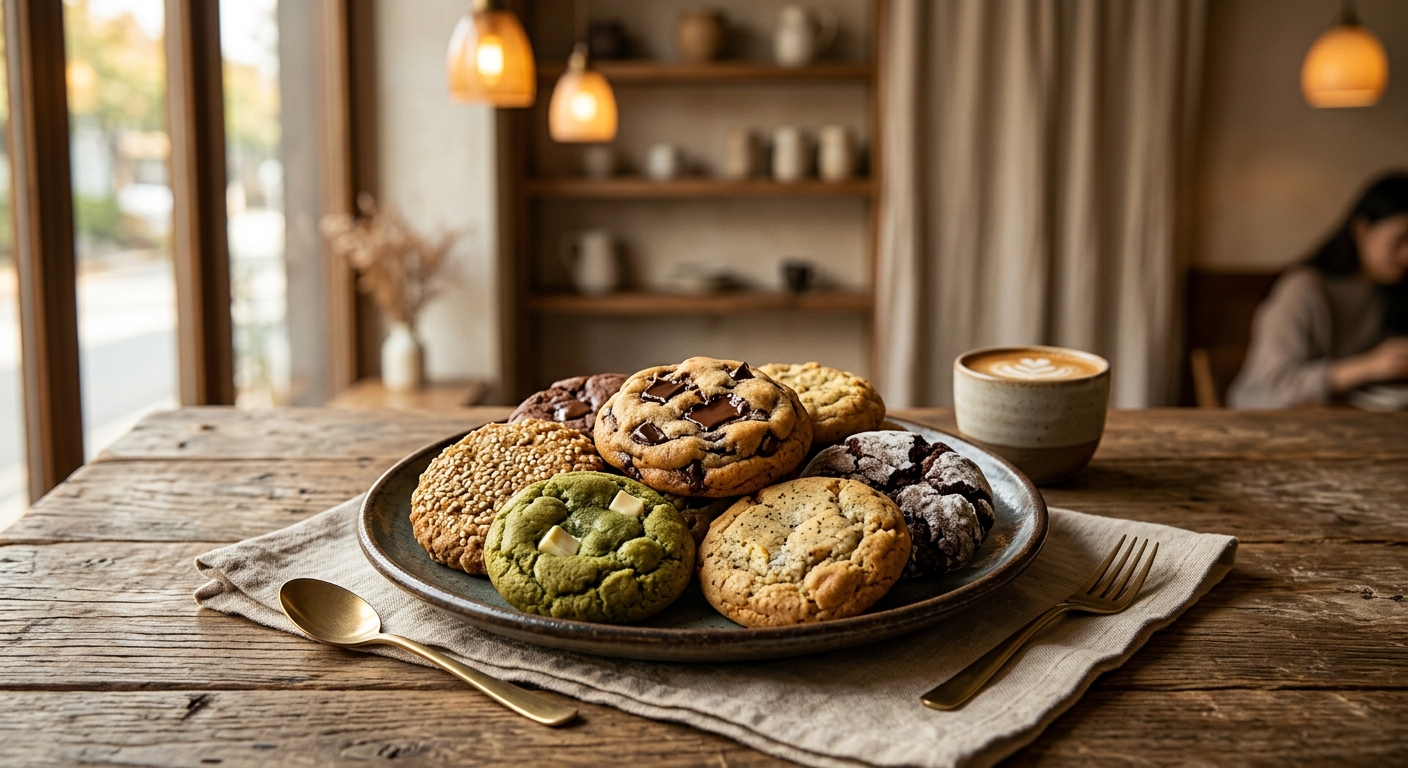
Resting quietly upon a porcelain plate at the center of the table, small golden discs of baked dough gently soften the atmosphere of any room. The deepest traditional essence of the cookie lies not in lavish indulgence, but in the quiet beauty of 'anticipation and sharing.' When the oven door swings open on a brisk autumn evening, the rich, nutty aroma of browned butter drifts through the home—a tender, unspoken invitation that gathers loved ones to the hearth. Offering a crisp biscuit alongside a steaming cup of tea is an enduring gesture of hospitality, infused with an affectionate warmth that words alone can seldom convey.
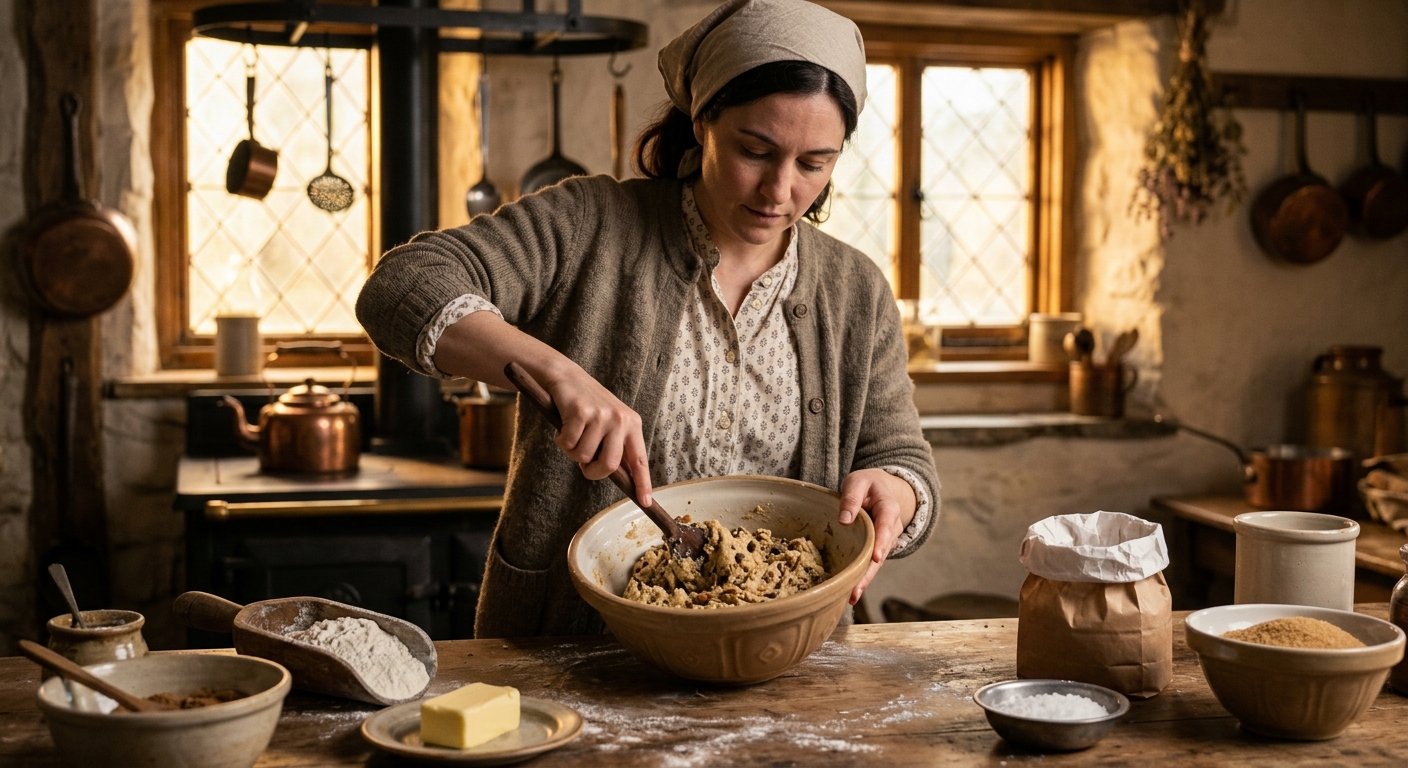
Across cultures and generations, these baked morsels have served as affectionate emblems of festive seasons and passage of time. From fragrant confections laced with winter spices to celebrate cold holidays, to tins of handmade biscuits carefully packed as heartfelt gifts wishing friends well, the humble cookie has remained a timeless vessel of human warmth and connection. For anyone raised with memories of sweet dough baking in a mother's sunlit kitchen, a cookie is neither simple food nor fleeting indulgence; it is the very scent of home and the tactile remembrance of innocence.
"The gentle hum of butter and sugar caramelizing in the oven is the quietest melody of domestic peace, soothing the soul's tired corners with steady warmth."
Even amid the bustling rhythms of modern life, the symbolic significance of this confection remains undiminished. Pausing for afternoon tea and resting a sweet biscuit upon one's saucer provides a much-needed sanctuary of calm. In this sense, the cookie transcends everyday nourishment, standing as a comforting cultural tradition that dissolves distances between souls and invites us to savor the quiet beauty of presence.
2. History - From an Oven's Small Crucible to Global Tables
Delving into the origins of the cookie reveals that it was born not out of luxury, but from an ingenious practical necessity. Around the 7th century, as sugarcane cultivation flourished across ancient Persia, bakers sought a dependable method to gauge the internal temperature of their massive brick ovens. Before committing precious, heavy loaves to the hearth, they dropped a tiny dollop of cake batter onto the stone floor to test whether the heat was ripe. These small, experimental test-cakes became the modest ancestors of the beloved treats we enjoy today.
This clever technique soon traversed the maritime and overland trade routes of Moorish merchants, spreading across the Mediterranean and blossoming into a refined baking craft in medieval Europe. The Dutch term 'koekje', meaning 'little cake,' journeyed into the English lexicon to become the direct etymological root of 'cookie.' Through the Crusades and the Age of Discovery, exotic spices such as cinnamon, cloves, and nutmeg mingled with refined sugar across European ports. Consequently, baked wafers evolved into a dual legacy: robust, long-lasting provisions for seafaring voyages and delicate, ornate biscuits gracing aristocratic salons.
Industrial Flourishing and Modern Evolution
With the advent of the Industrial Revolution in the 18th and 19th centuries, refined wheat flour and crystalline white sugar became accessible to everyday households. The emergence of stable baking leaveners and commercial butter production transformed domestic hearths, making baking a widespread home craft. Across the Atlantic, this tradition married with regional ingredients—chunks of dark chocolate, crunchy pecans, and rolled oats—forging the quintessential modern varieties we cherish today. Through mass production and artisanal revivals alike, the biscuit journeyed into every corner of the world as a beloved companion of daily life.
3. Recipe - A Delicate Harmony of Fundamental Elements
The traditional method of crafting fine cookies begins with humble pantry staples, yet its true excellence hinges upon subtle chemical harmonies and a baker's attentive touch. The essential ensemble comprises quality sweet-cream butter, unbleached pastry or all-purpose flour, a balanced blend of white and brown sugars, fresh farm eggs, and a discreet pinch of sea salt to anchor the sweetness. A scrape of fragrant vanilla bean or a whisper of grated spice often lends an ethereal aromatic note.
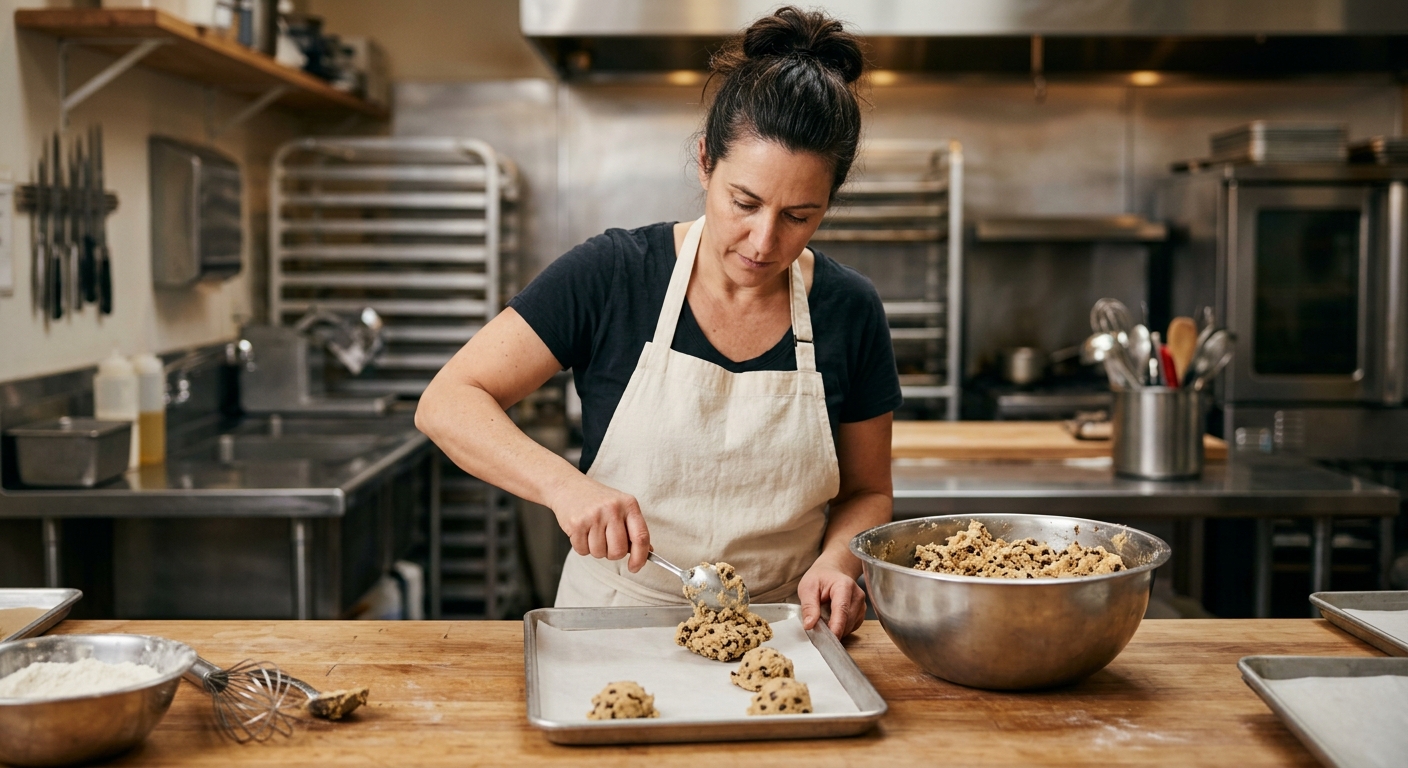
The alchemy commences with creaming: beating softened, room-temperature butter alongside the sugars until the mixture turns pale, aerated, and supple. Brown sugar imparts rich notes of toffee and a tender chewiness, while granulated white sugar ensures crisp, delicate margins. Fresh eggs are incorporated gradually to maintain a glossy, cohesive emulsion. When folding in the sifted flour, gentle handling is paramount; cutting lightly through the batter preserves lightness and prevents gluten development, ensuring each bite remains tender rather than dense.
The Sacred Chilling and Oven Craft
A pivotal yet frequently neglected phase in traditional cookie baking is dough maturation in the cold. Resting the shaped dough in the refrigerator for hours allows the flour starches to hydrate evenly and the fats to re-solidify. This quiet interval deepens the complex caramel notes of the dough and prevents excessive spreading upon entering the oven, resulting in that coveted contrast between a crisp outer ring and a soft, decadent core. Baked at a moderate 170 to 180 degrees Celsius until the edges gleam with a warm amber rim, the cookies are transferred onto a wire rack to breathe and set their sublime texture.
4. Lore and Enjoyment - An Artful Narrative of Sips and Seasons
Approaching a freshly baked cookie is a sensory ceremony that gracefully extracts us from life's haste. Picking up a warm piece whose buttery fragrance still hovers in the air, seated before a steaming pot of tea, instantly settles the spirit. To elevate this simple pleasure into an art form, harmonious pairings with seasonal beverages play a delightful role.
For rich, traditional shortbreads and butter sablés, an astringent, bright cup of loose-leaf black tea—such as Earl Grey or high-grown Darjeeling—serves as the ideal partner. The tea's gentle tannins cleanse the palate of rich dairy notes, leaving behind the uplifting zest of citrus bergamot. Conversely, thicker cookies laden with bittersweet chocolate chunks or toasted walnuts find their soulmate in a cup of dark roast pour-over coffee or a tall glass of icy whole milk. Dipping a crisp corner into cold milk and watching it yield to a soft, melt-in-the-mouth texture revives the sheer, unpretentious wonder of childhood mornings.
Each season also lends its own poetic cadence to how we savor these confections. In the brisk months of late autumn and winter, spiced cookies infused with ginger, cinnamon, and molasses pair impeccably with mulled wine or warm chai, providing an intimate fortress against the frost outdoors. In the vibrant blossoms of spring and summer, crisp lemon-thyme biscuits accompanied by chilled hibiscus infusion or delicate white peony tea impart an airy, refreshing grace. Living attuned to these small seasonal nuances transforms everyday dessert into a mindful meditation.
5. Taste - A Multi-Sensory Symphony of Crisp and Tender
Holding a handcrafted cookie between the fingers, one immediately perceives its delicate structural balance—firm to the touch yet poised to yield. The first breath brings an intoxicating bouquet: the profound, nutty resonance of browned butter intertwined with the deep, creamy perfume of cured vanilla. These comforting notes, unlocked by heat and caramelization, wrap around the senses like a hand-knitted woolen shawl.
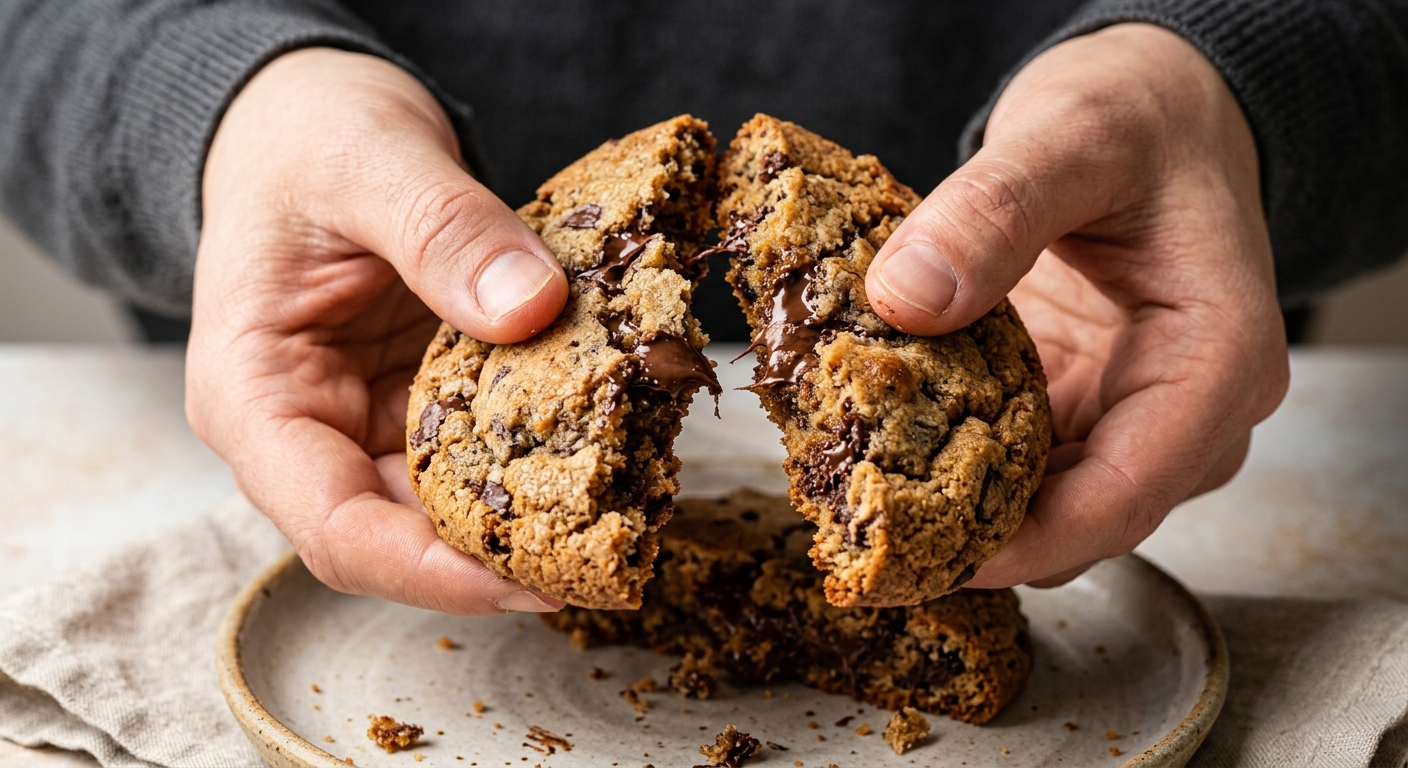
Upon taking the first bite, a faint, crisp snap breaks softly against the ear, opening the symphony. The outer boundary crunches delightfully, quickly giving way to a velvety, yielding center that melts across the tongue with luxurious ease. The rich butter coats the palate in smooth warmth, immediately followed by the clean brightness of caramelized sugar and occasional bursts of sea salt crystals that accentuate the depth of flavor without cloying sweetness.
If toasted nuts are woven through, they offer an earthy, rhythmic crunch that anchors the confection; if bitter chocolate pools are present, they impart a dignified, roasted complexity that balances the sweet crumb. Even long after the last crumb has vanished, a gentle, nutty whisper lingers pleasantly in the throat. It is an unassuming yet profound luxury—proof that simple earthborn ingredients, woven with time and fire, can deliver pure, comforting grace to our fleeting days.
Looking for a place nearby? Search “쿠키” on Naver Map.