
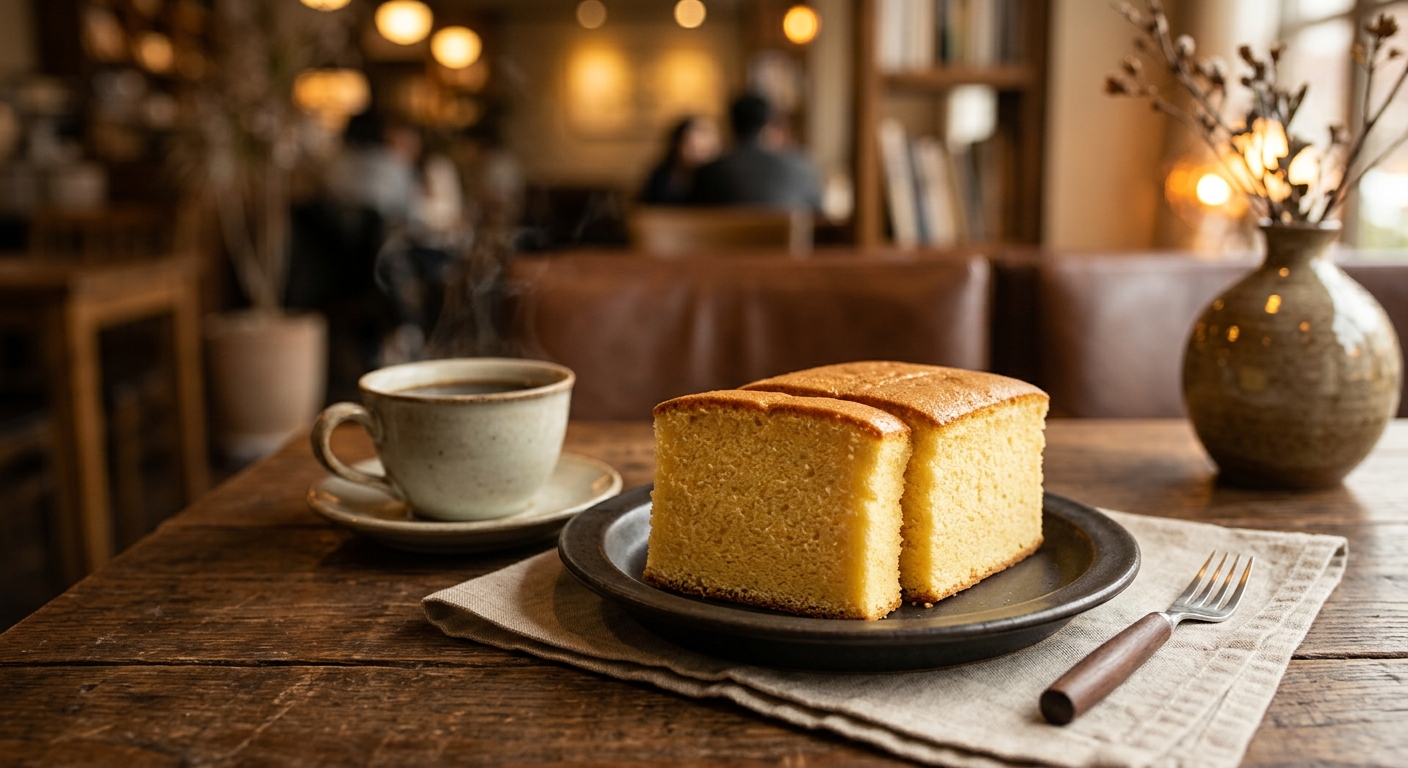
1. Tradition - A Golden Emblem of Hospitality and Gentle Reverence
Resembling a neatly carved beam of golden sunlight, castella has transcended its identity as a simple confection to become a timeless symbol of warmth, respect, and quiet blessing. Its glossy, deep-amber crust and the vibrant, honeyed crumb nestling gracefully beneath offer an immediate sense of composure and peace. Packaged with serene elegance, a gift of castella has long represented deep gratitude and heartfelt hospitality, traditionally presented to cherished guests alongside the finest vessels of tea.
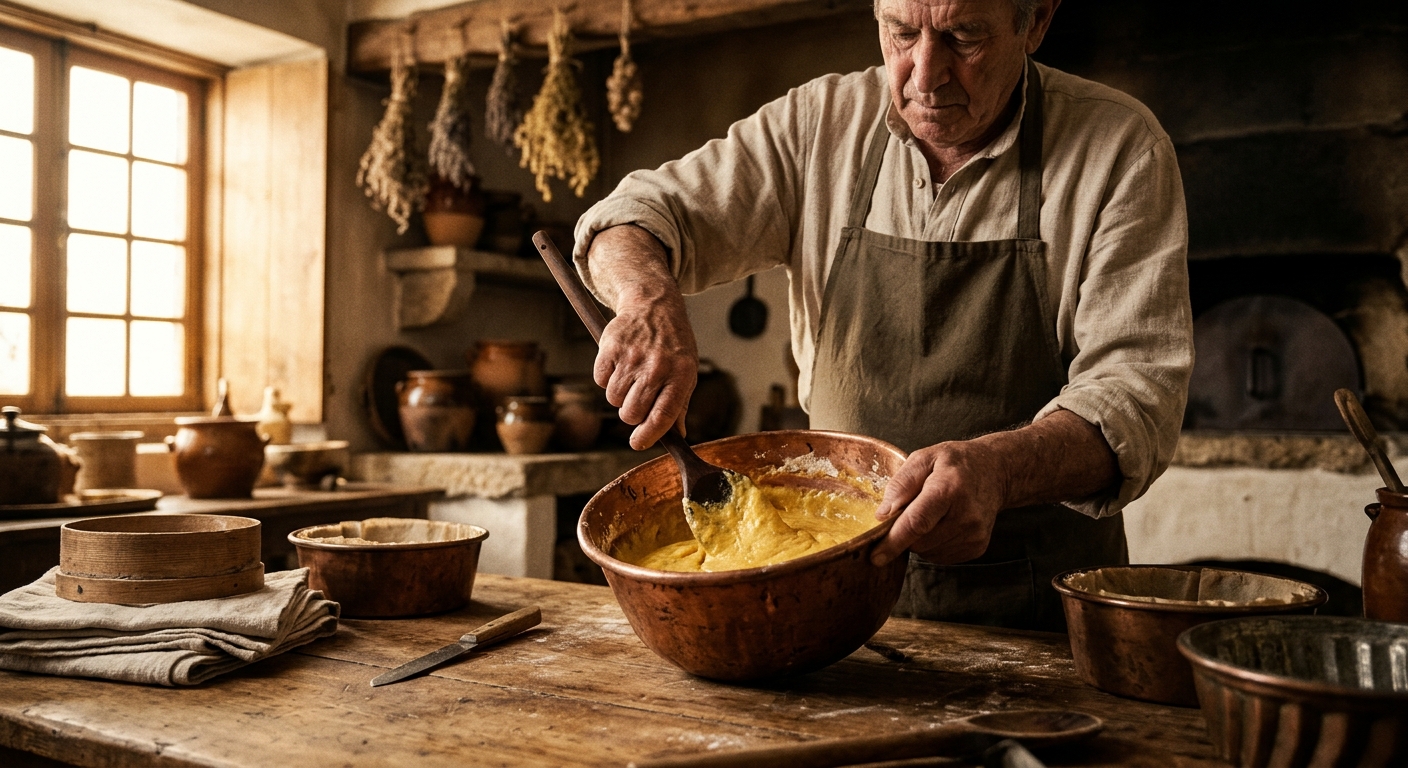
"Within its clean-cut edges lies neither flamboyant ornamentation nor hurried craft, but an etiquette of patience born from listening to time."
In Eastern culinary culture, castella was never treated merely as an imported novelty. Instead, it was elevated into the meditative realm of traditional tea confections. Eschewing heavy butter, oily creams, or aggressive spices, it honors the pure essence of eggs and sugar, embracing an aesthetic of quiet restraint. The gentle ceremony of peeling away the parchment lining to reveal the soft crumb speaks of a humble grace that has spanned generations, filling the spaces between conversation with enduring sweetness.
2. History - An Epic Voyage Across Oceans to a New Shore
The origin of castella traces back to the vibrant maritime trade of the 16th century. Its name and soul stem from ‘Pão de Castela’—literally "Bread of Castile"—a durable sweet loaf from the historic Iberian kingdom of Castile. Brought aboard seafaring caravels by Portuguese navigators and missionaries navigating turbulent waters, this sturdy, nourishing provision found an unexpected harbor and a transformative destiny in the island trading ports of the East.
Cultural Alchemy Between West and East
The original confection was a robust, unyeasted loaf designed to withstand the humidity and harsh conditions of months at sea. However, captivated by this exotic arrival, domestic confectionery artisans did not simply duplicate the foreign recipe; they reimagined it through their own refined sensibilities. Lacking conventional stone ovens, they engineered specialized baking boxes heated from both above and below with smoldering charcoal. They eliminated lard and butter, introducing malt syrup, honey, and meticulous egg-whipping techniques to produce unprecedented moistness. As detailed in comparative studies of culinary exchange during the Age of Discovery, this voyage of flavors transformed a humble shipboard staple into an exquisite culinary heritage.
3. Technique - Wooden Frames, Aeration, and the Alchemy of Rest
Baking authentic castella is less an act of standard pastry-making than an exercise in mindfulness and micro-precision. The ingredient ledger is remarkably austere: fresh whole eggs, fine and coarse sugars, refined wheat flour, and a touch of honey or rice syrup. It requires no butter, oil, or chemical leavening agents. The entire loft, density, and velvet crumb depend exclusively on the physical whipping of the eggs, demanding absolute focus to trap air within microscopic, uniform cells.
The Breath of Wood and the Silent Maturation
A signature hallmark of traditional craft is the use of bottomless, thick wooden frames rather than metal pans. The wood acts as a gentle thermal buffer, diffusing the harsh heat of the oven and preventing moisture from evaporating, ensuring the crumb remains tender and cloud-like. During baking, the baker repeatedly opens the oven door to stir the rising batter with a delicate spatula—a technique known as bubble-cutting—to release coarse air pockets and level the surface. Coarse sugar crystals are lined at the base, creating an artisanal signature. Once baked, the cake is carefully wrapped and left to mature in a cool environment for one to two days. This crucial resting period allows internal humidity and sugars to homogenize, deepening the complexity of its honeyed essence.
4. Food Story and Pairings - A Gentle Haven in Everyday Life
Castella carries a chameleon-like tenderness, seamlessly attuning itself to the changing seasons and quiet moments of daily routine. On a rain-drenched afternoon or an autumn twilight when chilly breezes press against windowpanes, a slice of castella beside a steaming brew brings instant solace. The intimate, playful joy of gently lifting the parchment paper from the base to reclaim the sweet, caramelized skin that clings to it is a small ritual cherished by children and adults alike.
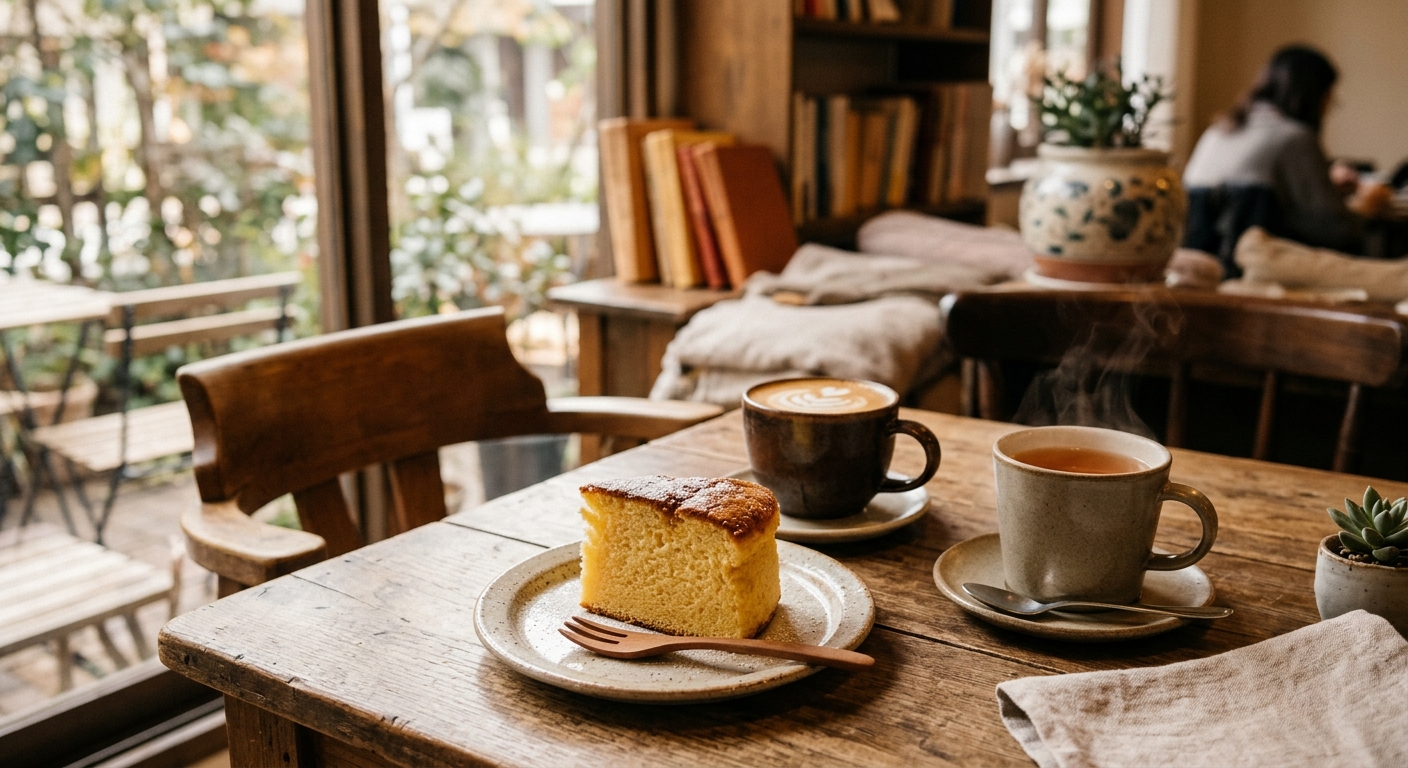
"The moment it meets cold milk, the cake dissolves like a golden cloud, melting away like early spring snow on the tongue."
The quintessential companion to castella remains an unadorned glass of cold, fresh milk. When dipped or followed immediately by a sip, the milk saturates the porous, delicate lattice of the cake, transforming it into a luxurious, melt-in-the-mouth sweetness. Alternatively, pairing it with the bitter, vegetal elegance of whisked matcha or an astringent black tea creates a stunning counterpoint, harmonizing the rich egg aroma with brisk botanical notes. To eat castella properly is to slow down, letting the quiet texture restore rhythm to a hurried day.
5. Taste - Springy Softness, Caramelized Crust, and Sugared Cadence
A gentle press of the fingertips reveals castella’s miraculous architecture: it yields with supple softness, then slowly springs back to its poised shape with resilient grace. The burnished, mahogany top crust releases an inviting, toasted aroma of caramelized sugars and honey, while the golden crumb beneath presents an impeccably tight, velvety sponge. Even before the first bite, the rich, buttery-sweet scent of farm-fresh eggs envelops the senses with irresistible coziness.
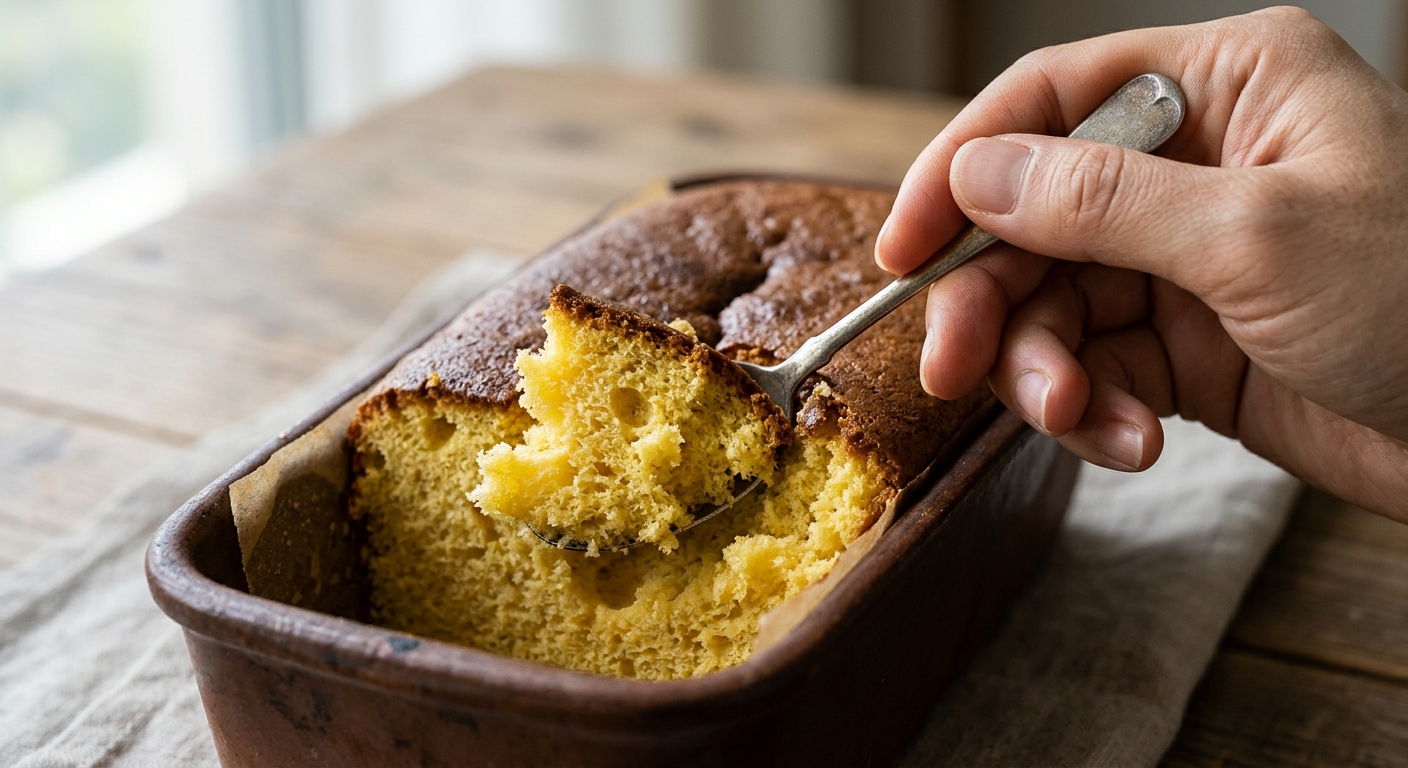
Upon entering the palate, the cake surrenders without resistance, dissolving into a smooth, nectarous wave that coats the mouth in silky comfort. Free of shortening or dairy fats, it leaves no greasy residue—only a pure, clean sweetness and a velvety finish that glides down effortlessly. Just as the softness envelops the tongue, the coarse sugar crystals nestled along the bottom crust provide a delightfully crisp, crackling punctuation. This contrast between airy cushion and crunchy sweetness, bound together by an earthy warmth, lingers long as a poignant, nostalgic memory of true comfort.
Looking for a place nearby? Search “카스텔라” on Naver Map.