
Tradition
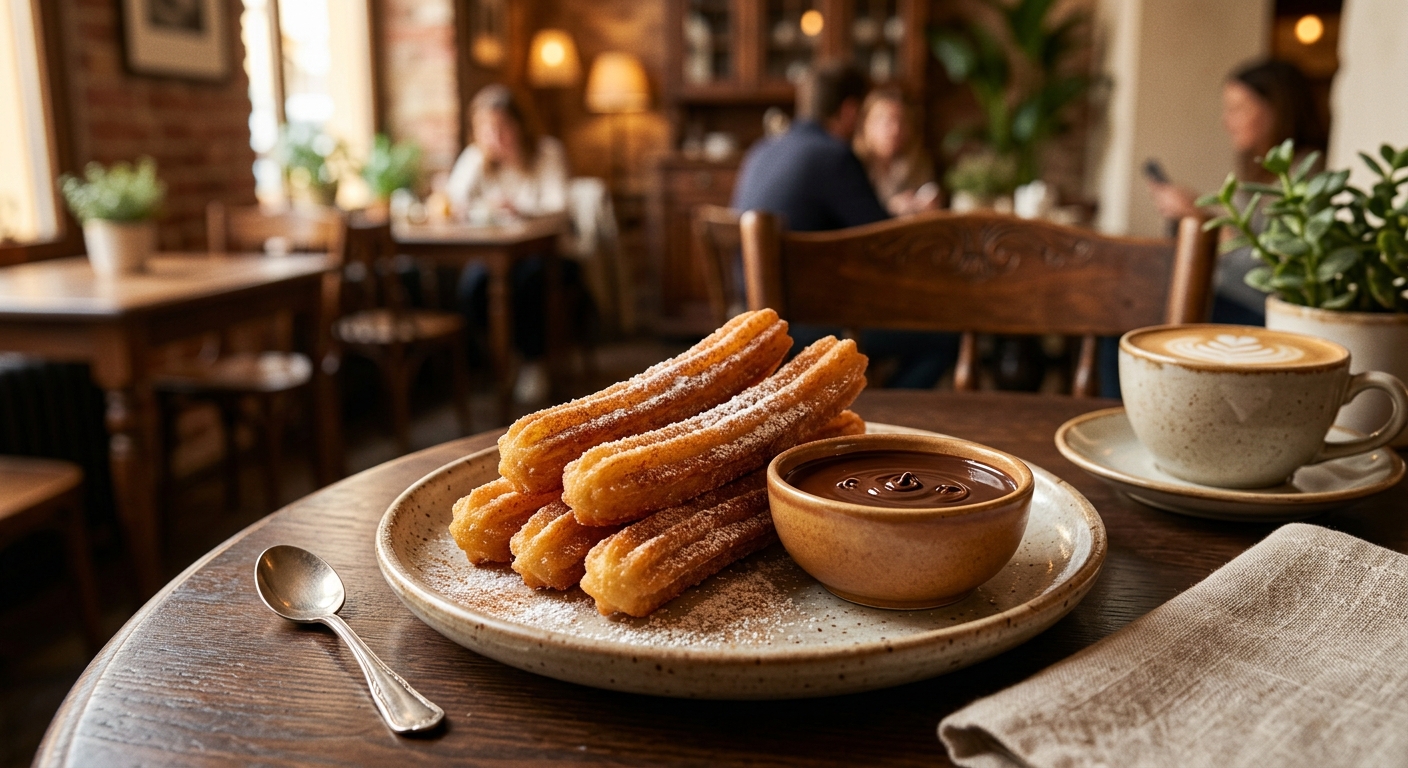
The enchanting aroma that awakens Spanish mornings, churros are more than just a street snack; they are a cultural symbol deeply embedded in the lives of the Spanish people. Golden-fried churros are a childhood memory for many Spaniards, a part of warm moments shared with loved ones. Every Sunday morning, families gather at a churrería to enjoy freshly fried churros and rich chocolate, a common and heartwarming sight in daily Spanish life. Churros are also an indispensable part of festivals and celebrations. On major holidays like Christmas Eve or New Year's Eve, long queues form at churrerías late into the night, as people share excitement while waiting for warm churros in the cold night air. Much like tteokbokki or hotteok in Korea, churros are a soul food that accompanies the joys and sorrows of the Spanish people, an important dish symbolizing their identity. The warmth and sweetness of churros have captivated hearts worldwide, and now churros can be found almost anywhere. However, Spanish churros hold an even more special meaning because they are infused with their history, tradition, and fiery passion. Through churros, Spaniards discover small joys in life and deepen their bonds with loved ones. Each piece of churro contains the fervent passion of the Spanish sun and sweet stories that enrich their lives.
History
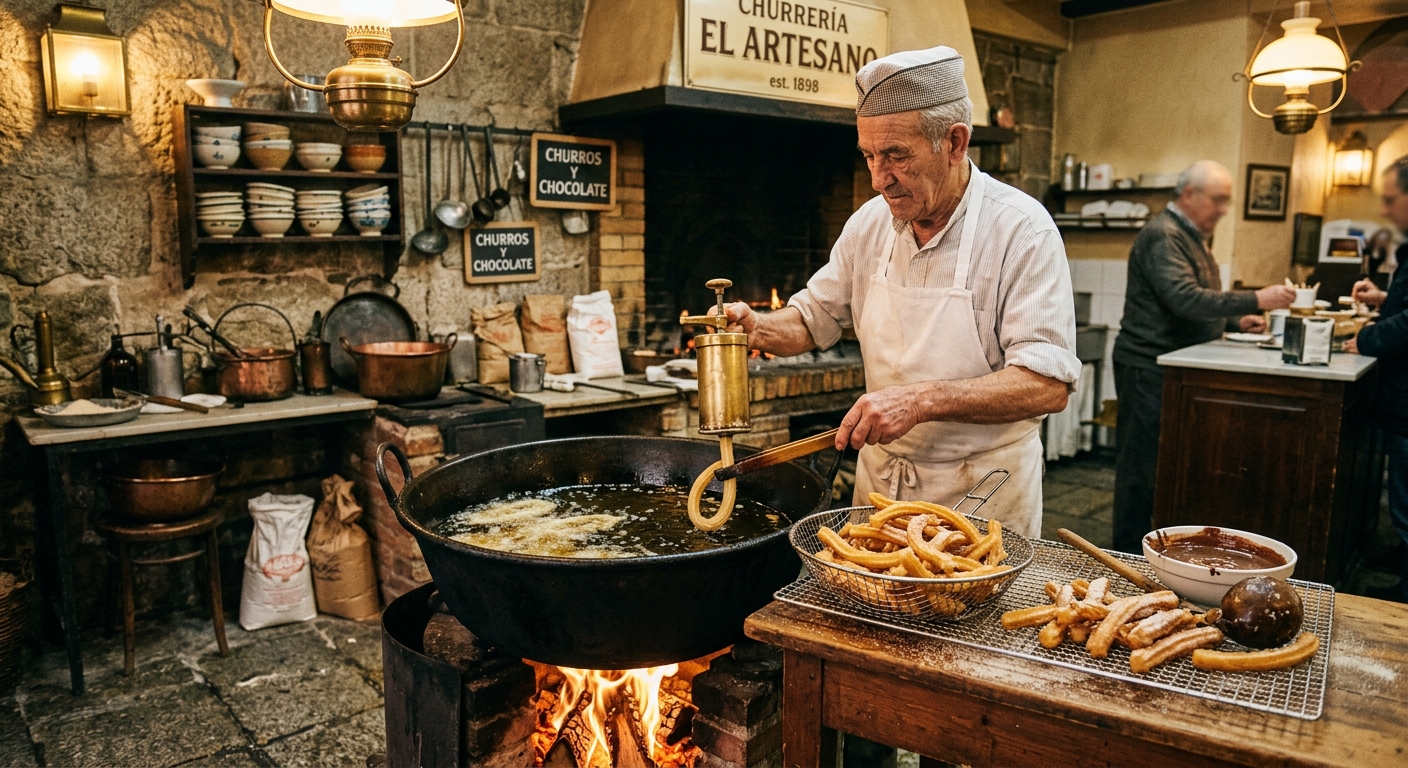
While there are several theories about the exact origin of churros, the most widely accepted story is that they originated from Spanish shepherds who lived in the mountains and made them as a convenient meal. In an environment where movement was frequent and fires were difficult to make, they devised a method of frying dough in oil. It is said that the star-shaped cross-section of the churro resembled a sheep's horn, giving it the name 'Churro'. Another theory suggests that Portuguese merchants brought a fried dough dish called 'Youzaguo' from China in the 16th century and introduced it to Spain. This Youzaguo then developed into churros in Spain. Regardless of the theory, it is common that churros started as a simple food for common people. By the 19th century, churros spread throughout Spain and began to establish themselves as a popular snack. Mobile churrerías emerged, selling freshly fried churros on the streets, and people frequently sought churros for breakfast or afternoon snacks. Especially after the industrial revolution and urbanization, churros became an affordable and filling meal for urban workers, as well as a sweet comfort to relieve fatigue. Later, through Spanish immigrants, churros spread to Latin American countries, including Mexico, and evolved into various forms adapted to local characteristics. In Mexico, they are often sprinkled with plenty of cinnamon sugar or served with sweet sauces like Dulce de Leche. Today, churros have become a global dessert loved by people worldwide, beyond Spain. But their origin was a simple snack born in a harsh natural environment, and their history reflects the lives and hardships of the Spanish common people.
Preparation
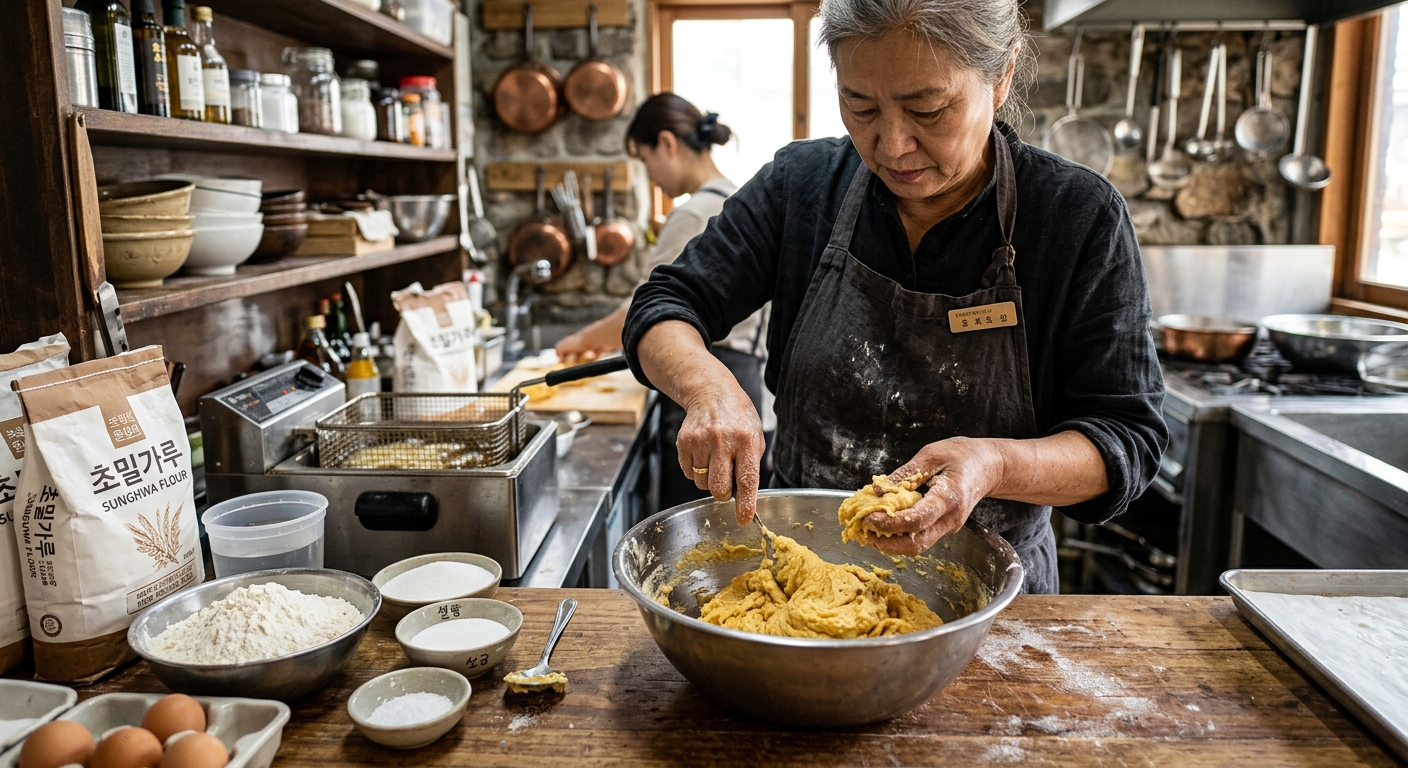
The charm of churros lies in their seemingly simple yet sophisticated preparation. Traditional churros are made with just three ingredients: flour, water, and salt. Sometimes a little sugar or olive oil is added. The consistency of the dough is crucial. Hot water, salt, and sugar (if desired) are dissolved, then sifted flour is added all at once and stirred quickly. The key is to achieve the right consistency, not too sticky or too stiff. The well-mixed dough should be smooth and cohesive. This dough is then loaded into a special machine called a 'churrera' and extruded through a star-shaped nozzle directly into hot oil. The star shape increases the surface area, making the churro crispier and ensuring it cooks evenly throughout. The oil temperature is very important. If it's too low, the churros will absorb too much oil and become soggy; if it's too high, they might burn on the outside while remaining raw inside. They are fried at a temperature between 180 and 200 degrees Celsius until they turn a golden brown. The frying process is very quick, and freshly fried churros emit hot steam. After frying, the churros are briefly cooled to remove excess oil and are traditionally finished by sprinkling with sugar. Sometimes cinnamon sugar is used. While there is no aging or fermentation process, it is important to stir the dough sufficiently during preparation to ensure the water and flour are well mixed and gluten is properly formed. All these steps are performed with artistic precision by a skilled churrero, bringing together simple ingredients to create a magical taste. When making them at home, a piping bag with a star nozzle can achieve a similar effect. This simple yet precise preparation method is the secret to churros' crispiness, softness, and savory flavor.
Food Story and How to Eat
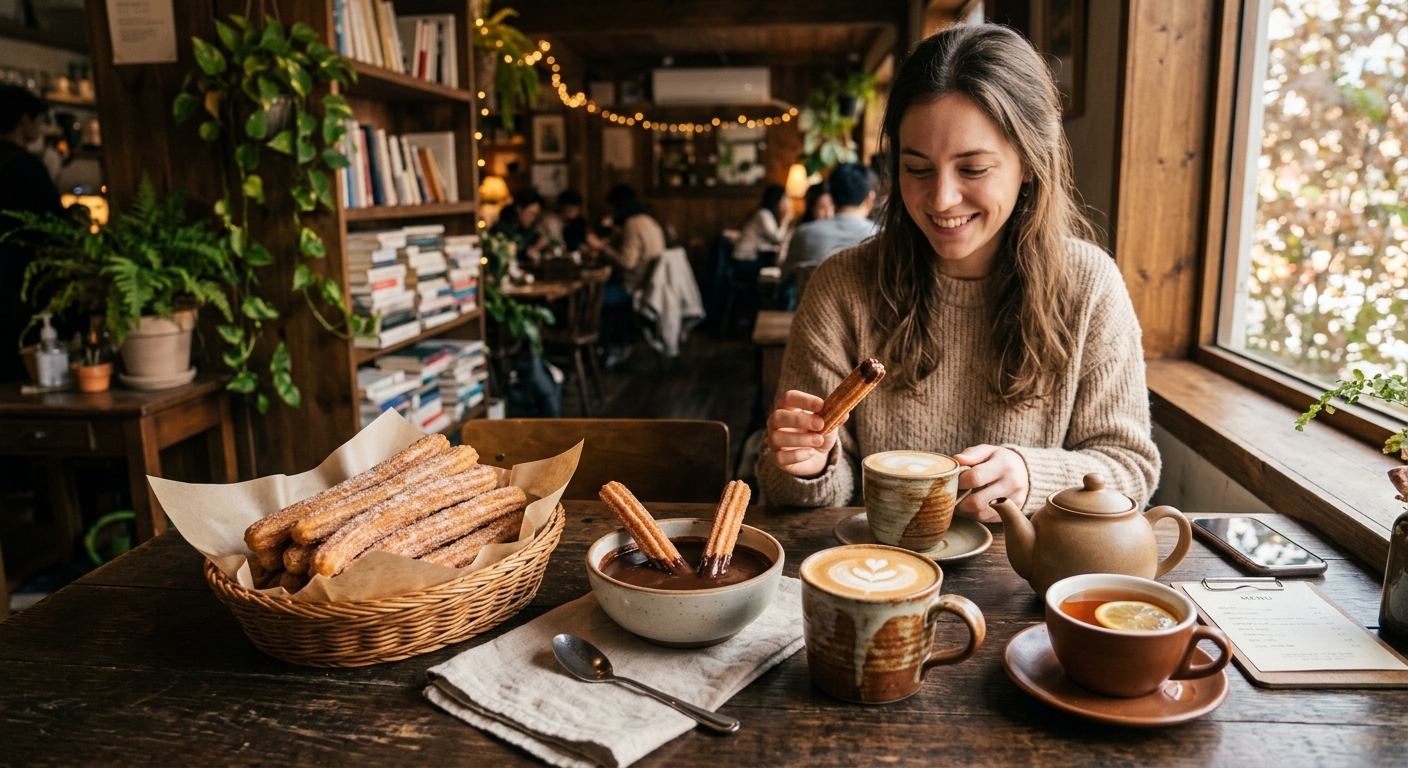
Churros are more than just a snack; they are interwoven with various stories in the lives of the Spanish people. The most traditional and beloved way to enjoy them is 'Chocolate con Churros'. Dipping freshly fried churros into thick, hot Spanish chocolate is perfect for breakfast or a late-night snack. Spanish chocolate, unlike the thin cocoa we usually know, is rich and thick, making it perfect for dipping churros. The combination of bitter-sweet chocolate and crispy, savory churros leaves a more intense impression than any other culinary experience. Churros can be enjoyed regardless of the season, but their true value is especially revealed on chilly autumn or winter mornings when paired with warm chocolate. A hot churro in hand and a cup of chocolate in the cold air become the best comfort to warm both body and soul. In summer, they are sometimes enjoyed lightly with cold coffee or orange juice. In Spain, 'Porras', a type of fried doughnut, are also often enjoyed with churros; they are thicker than churros and have a softer interior. Churros are great to enjoy alone, but they offer an even more special taste when shared with friends or family. Ordering freshly fried churros at a churrería, sitting around a table, chatting, and biting into a churro dipped in chocolate is a small happiness that Spaniards enjoy daily. As such, churros go beyond being delicious food; they act as a medium that connects people and creates memories. If you are planning a trip to Spain, visit a churrería early in the morning and enjoy churros and chocolate like the locals. In that moment, you will feel the true culture and passion of Spain with all your senses.
Taste
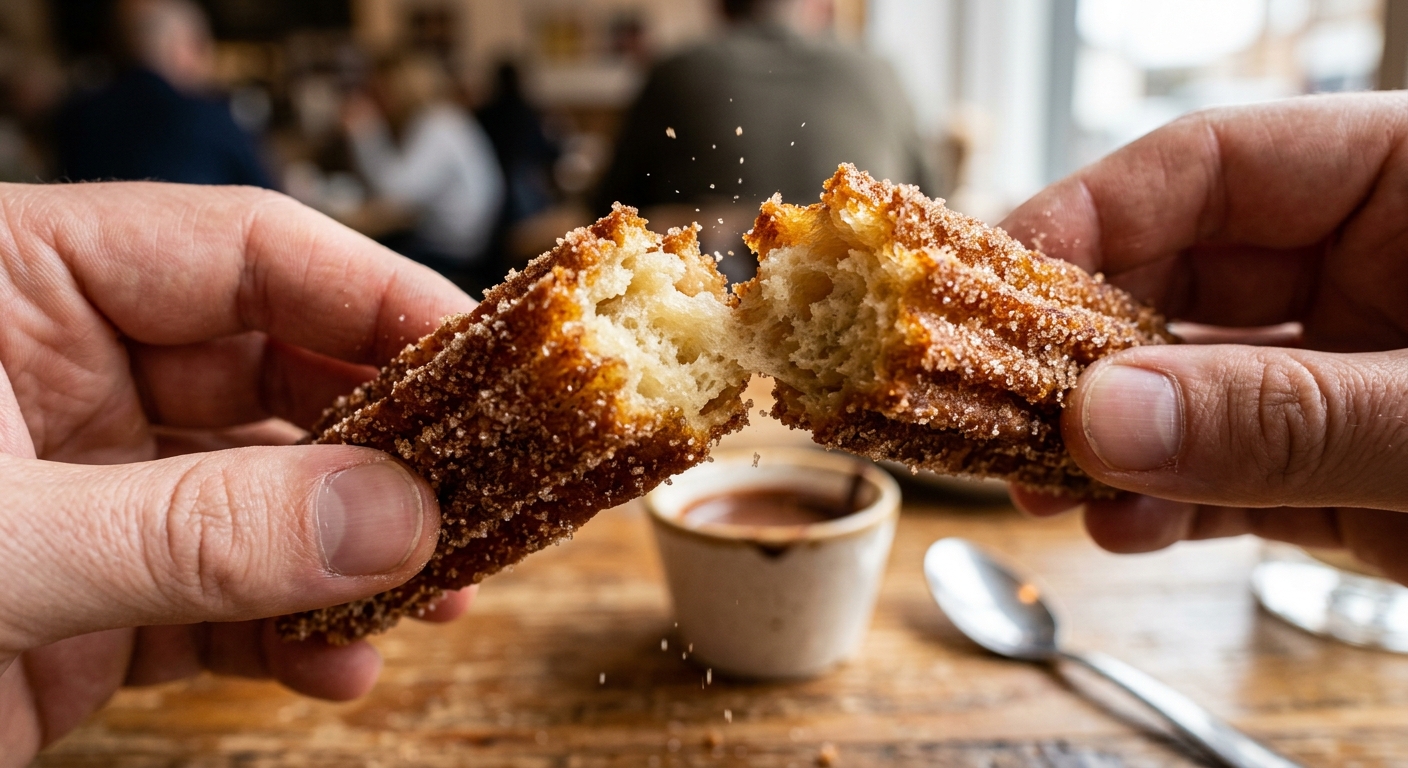
The taste of churros can be described as 'tender savoriness within a delightful crispiness'. Freshly fried churros begin with a cheerful 'crunch' as soon as they enter your mouth. The exterior, meeting sugar, forms a firm yet thin layer that delivers extreme crispiness. Breaking through this crunchy shell, the interior reveals a surprisingly moist and soft, contrasting charm. It chews softly like a well-baked castella, yet a subtle chewiness unique to dough remains, adding to the textural fun. The savory aroma of flour rising from the hot oil tickles the nose, and the sweet scent of sprinkled sugar stimulates the salivary glands. Taking a bite, the savoriness of the fried dough and the sweetness of the sugar create a delightful sweet-and-salty harmony. Especially when dipped in rich chocolate, the depth of flavor becomes even richer. The bitter-sweet chocolate gently embraces the churro's crispiness, and the complex flavors that spread throughout the mouth offer an unforgettable experience. Despite being fried food, churros are characterized by a clean and wholesome savoriness rather than greasiness. This is due to good ingredients and appropriate frying temperature; well-made churros leave no oily residue in the mouth, making you want to keep reaching for more. The charm of churros lies in stimulating various senses simultaneously. The golden visual appeal, the crispy sound heard, the savory and sweet aroma smelled, and the harmony of crispiness and softness felt in the mouth. Churros are a perfect dessert that satisfies all five senses, a magical food that allows you to feel the hot Spanish sun and passion with just one piece.
Recommended Restaurants
1. Churro101
Location: 50-1 Eoulmadang-ro, Mapo-gu, Seoul (Hongdae branch)
Features: One of the pioneers that sparked the churro craze in Korea, known for its crispy and chewy churros. With a variety of toppings and sauces to choose from, it's particularly popular among young people. Besides the original, there are unique options like cream cheese churros and chocolate churros. It's also famous as an Instagram-worthy spot.
2. Street Churros
Location: Major department stores and bustling areas nationwide (Gangnam, Myeongdong, etc.)
Features: A brand that started as street food and grew into a national franchise. Its strength lies in the freshness of churros fried to order, and it's known for generously sprinkling cinnamon sugar on its original churros. The "A-Churro" (ice cream churro) menu is especially popular, and seasonal limited-time menus are often released.
3. Kokoro Churros
Location: 50 Wausan-ro 29-gil, Mapo-gu, Seoul (Hongdae branch)
Features: Offers thick, crispy-on-the-outside-soft-on-the-inside churros made in the traditional Spanish style. The combination of churros dipped in rich Spanish chocolate sauce is particularly exquisite. It's a great place to enjoy churros leisurely in a cozy atmosphere, and it's also perfect as a brunch item with coffee. Recommended if you want to experience the authentic taste of Spain.
Online Purchase Recommendations
1. God Churros
Product Name: God Churros Frozen Churros 1kg
Brand: God Churros
Features: Frozen churros that can be cooked in an air fryer, allowing you to easily enjoy freshly fried-like