

Tradition
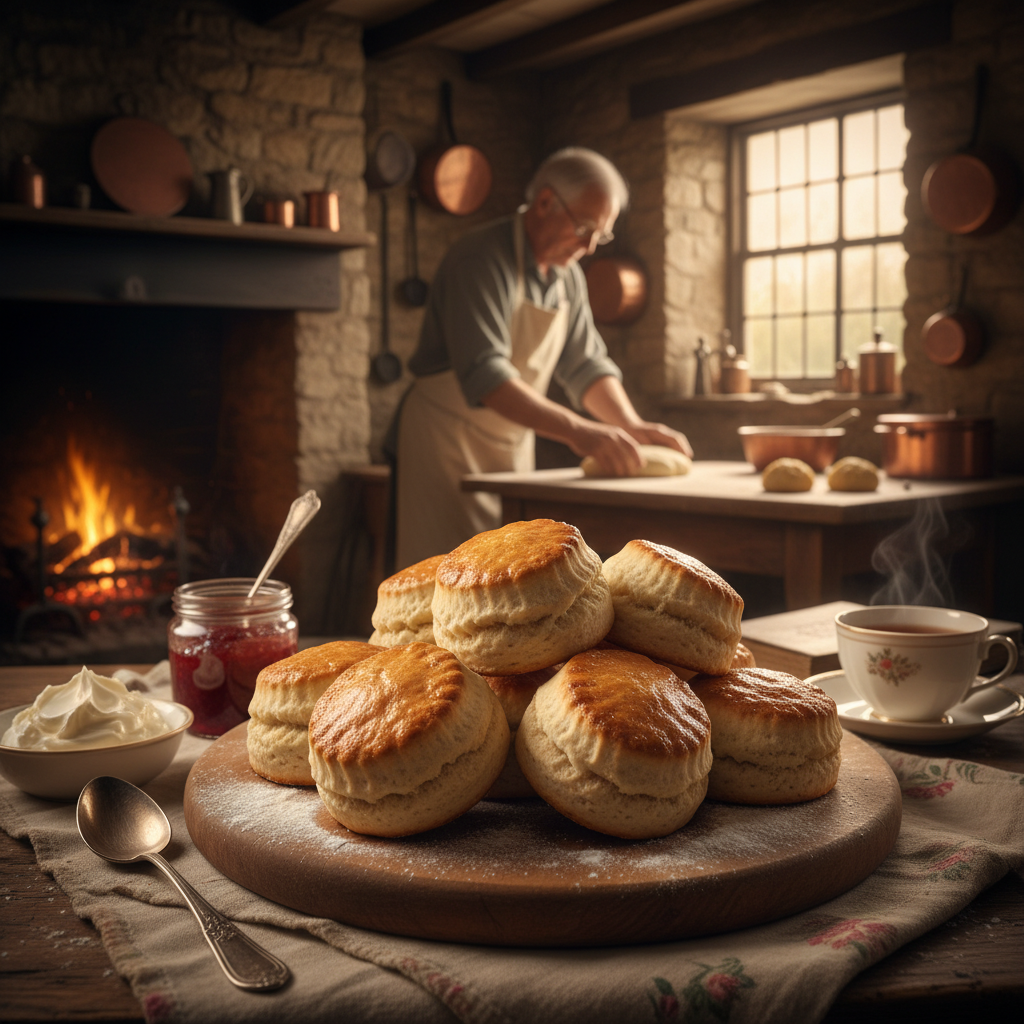
Scones are emblematic of British teatime, embodying a unique tradition. In the UK, enjoying tea with scones around 4 PM is considered a ritual. Scones are usually accompanied by clotted cream and jam, forming a significant part of social interactions in aristocratic circles. Even today, scones play a central role in gatherings of family and friends, beloved by people not just in the UK, but around the world.
History
The origins of scones trace back to Scotland. Appearing in records from the 16th century, early scones were baked on the stone floors of traditional Scottish ovens. Initially made from wheat flour and oats, they were round and flat. Over time, the introduction of baking powder transformed them into the soft, light scones we know today.
Preparation
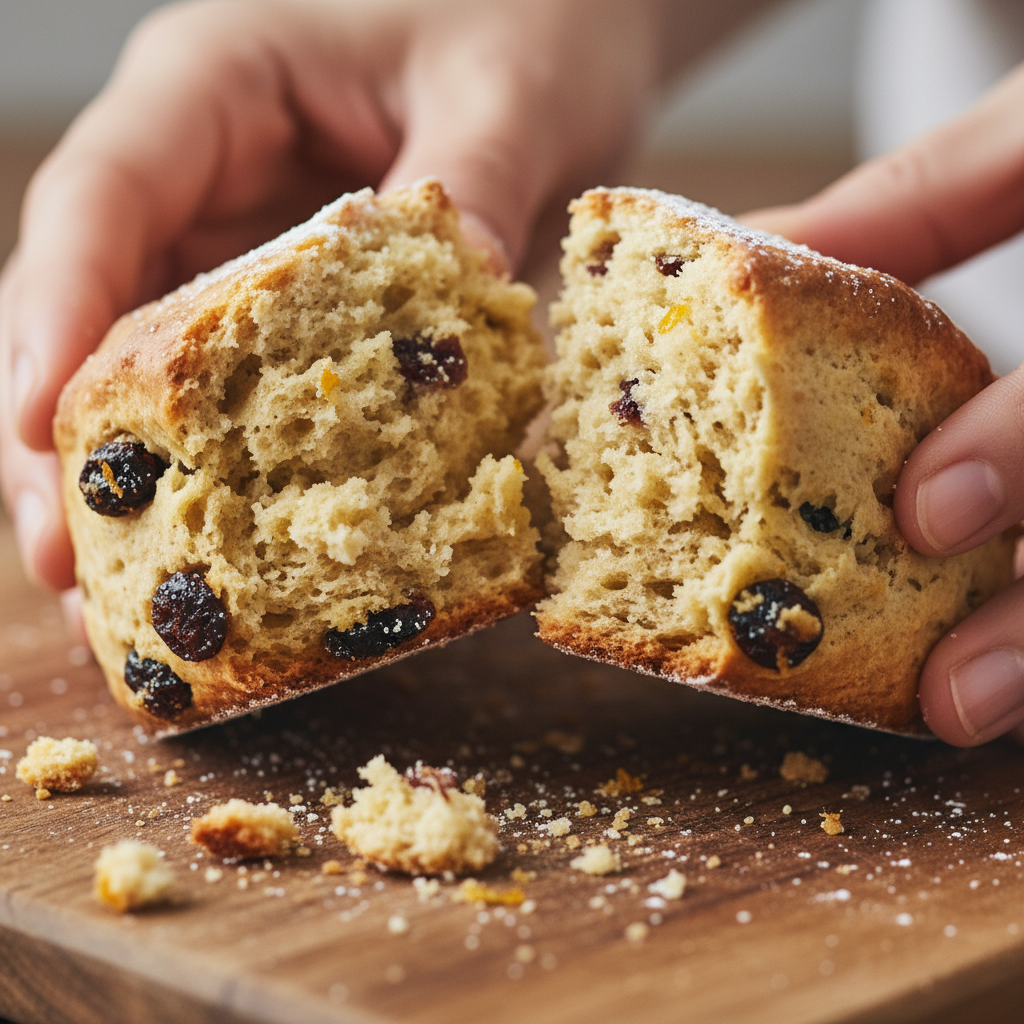
Traditional scone making is simple but requires precision. The main ingredients are flour, sugar, butter, milk, and baking powder, with the key being to keep the butter cold while mixing it into the dough. The dough should not be overworked and must be baked quickly at the right temperature to achieve a soft, moist texture. Some recipes include raisins or chocolate chips for added flavor variety.
Serving and Eating
Scones are best enjoyed warm. Splitting a warm scone and slathering it generously with clotted cream and your favorite jam brings out its best qualities. Pairing it with tea, particularly Earl Grey or Darjeeling, enhances the experience. Although delightful year-round, they are especially comforting when enjoyed with a warm cup of tea on a chilly day.
Flavor
The charm of scones lies in their simple yet profound flavor. The contrast of a crispy exterior with a soft, moist interior is remarkable. Subtle sweetness combined with the buttery aroma fills your senses, and when paired with cream and jam, the scone truly shines. It melts in your mouth, delivering a perfect blend of savory and sweet notes.
Looking for a place nearby? Search “스콘” on Naver Map.