Tradition
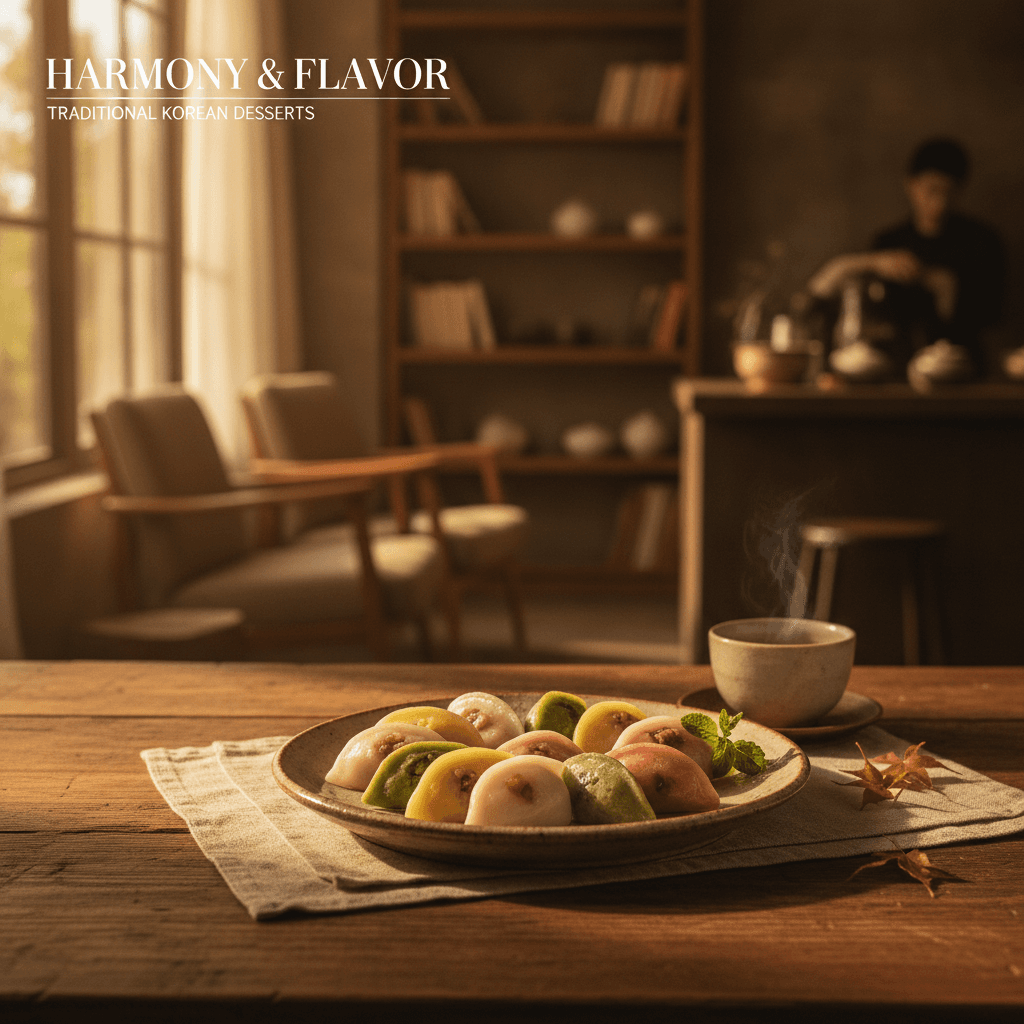
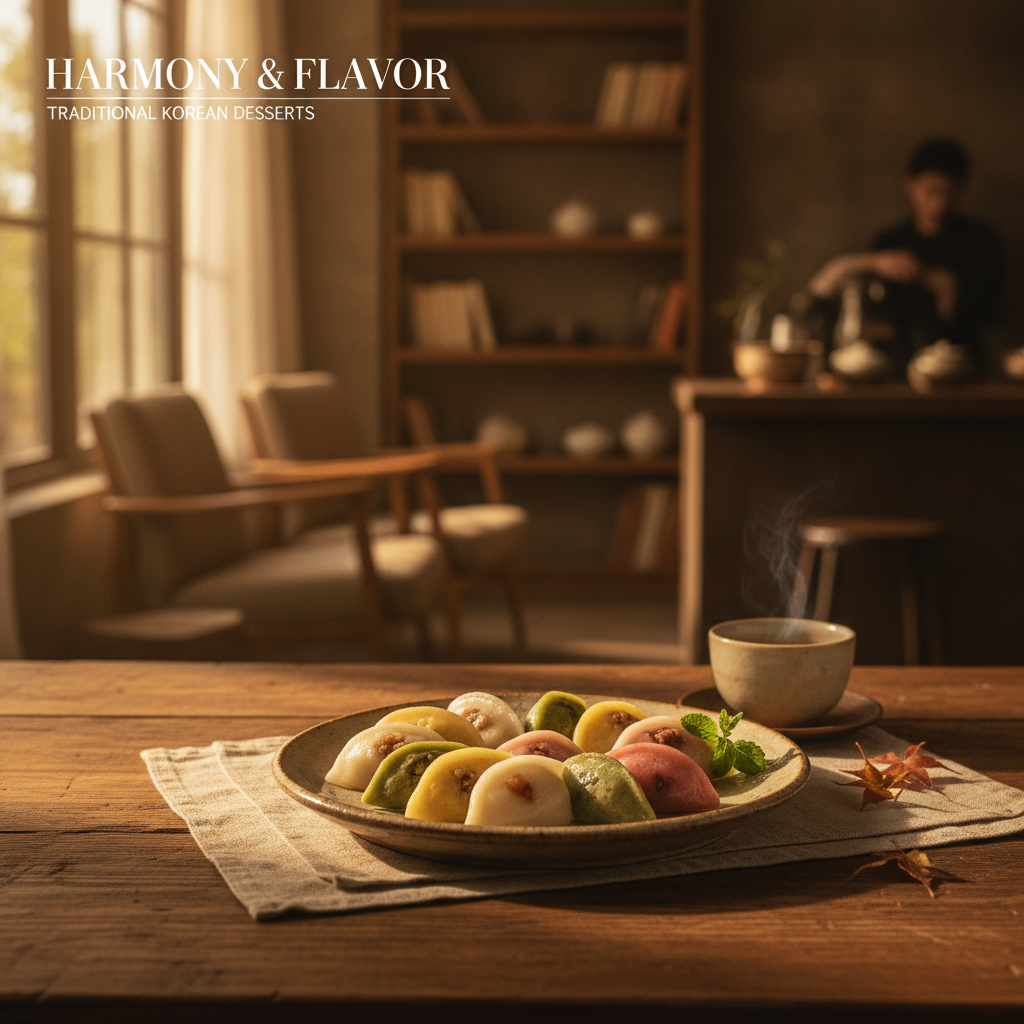
Songpyeon is a traditional Korean food enjoyed during the Chuseok holiday. This dish symbolizes precious time spent with family, as they come together to shape songpyeon and share love. Its crescent shape resembles the moon, embodying wishes for abundance and prosperity. The shape and creation process are regarded as a ritual filled with the wisdom of ancestors, a unique cultural heritage passed down through generations.
History
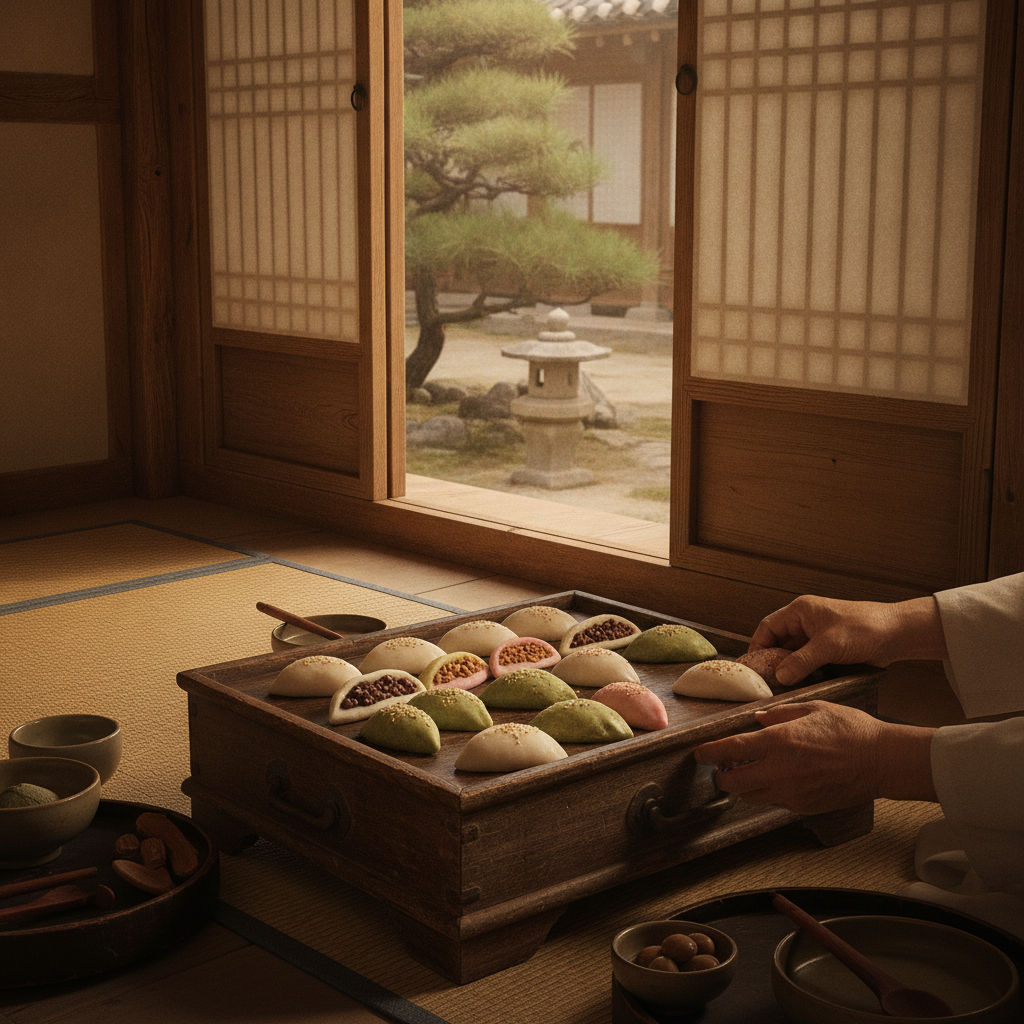
The history of songpyeon dates back to the Three Kingdoms period. According to historical records, it was made to share the joy of harvest in agrarian societies. Over time, it became a representative food for Chuseok and evolved with various forms and fillings across different regions. Songpyeon highlights the distinct charm of each area by incorporating local specialties.
Manufacturing Method
Songpyeon is traditionally made from non-glutinous rice flour. The dough is prepared by kneading rice flour with warm water, and then filled with ingredients like red beans, sesame seeds, or beans. Once the dough is ready, it is hand-shaped into small, round pieces and steamed on a bed of pine needles. These needles add fragrance to the songpyeon and help it achieve a sticky texture.
Food Story and Consumption
Songpyeon is best enjoyed warm, often accompanied by a cup of tea that enhances its unique scent and taste. Making and eating songpyeon with family during Chuseok is a tradition that holds special meaning, allowing people to feel the change of seasons and the unity of the community.
Taste
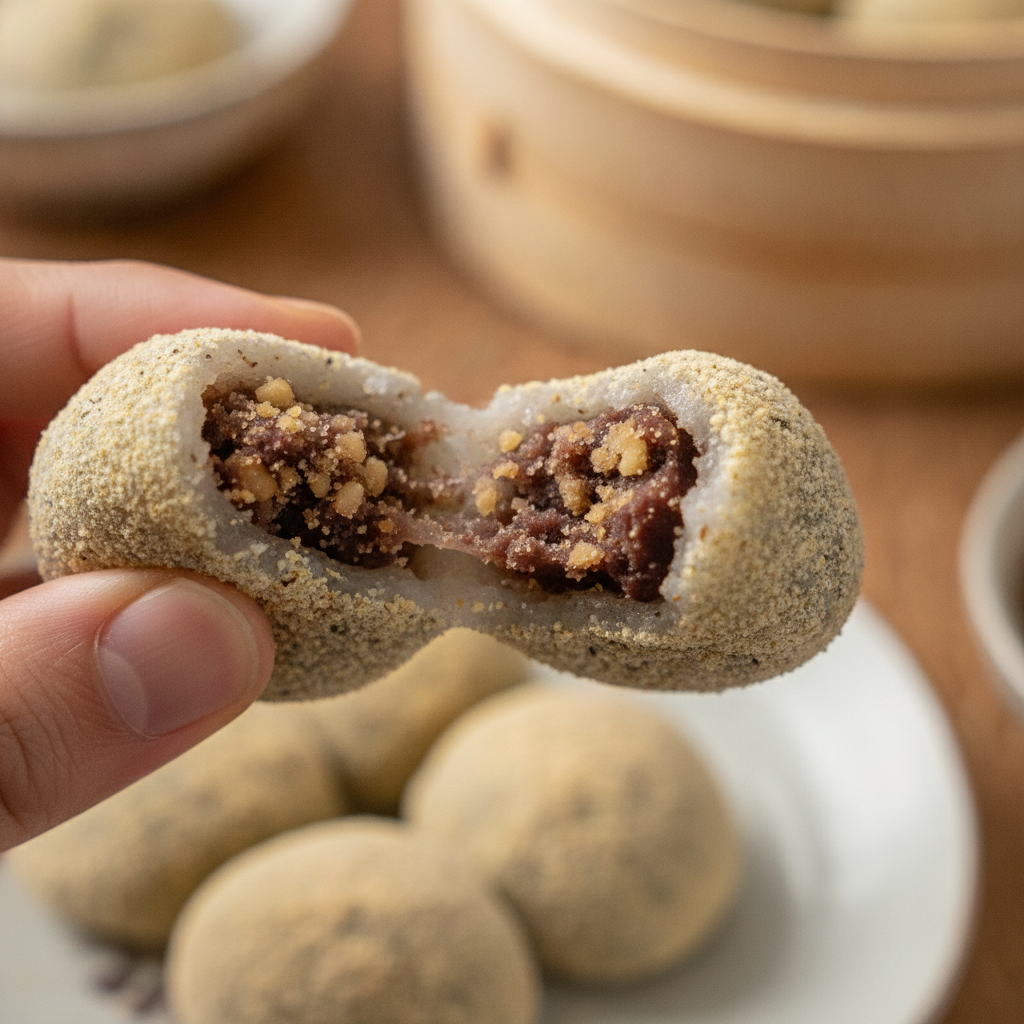
The taste of songpyeon varies depending on its filling. The nutty sesame songpyeon, sweet red bean songpyeon, and savory bean songpyeon each provide a rich flavor that spreads in your mouth. The chewy rice dough texture combined with the diverse fillings highlights the allure of songpyeon.
Looking for a place nearby? Search “송편” on Naver Map.