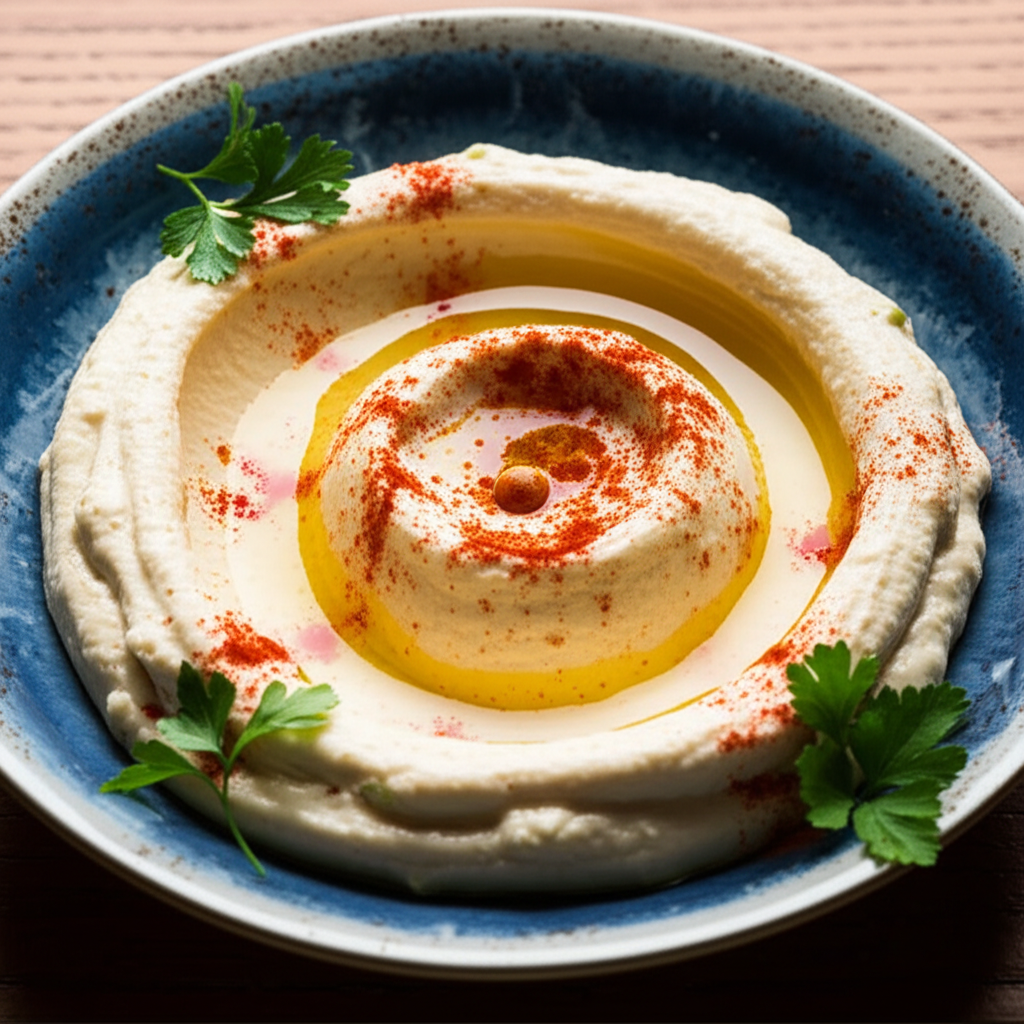
🍽️ What is Hummus?
Hummus, a culinary gem from the Middle East, is a creamy dip or spread made primarily from mashed chickpeas blended with tahini (sesame paste), fresh lemon juice, garlic, and a drizzle of olive oil. Its velvety smooth texture and rich, tangy flavor profile have captivated palates worldwide. More than just a simple dip, hummus is incredibly versatile, pairing beautifully with warm pita bread, crisp vegetable sticks, or as a spread in sandwiches and wraps. It's a nutritional powerhouse, packed with plant-based protein and dietary fiber, making it a favorite among health-conscious individuals, vegans, and vegetarians alike. In Lebanon, hummus is a staple that graces almost every meal, from breakfast to dinner, embodying the warmth and generosity of Lebanese hospitality. Each spoonful offers a delightful blend of earthy chickpeas, nutty tahini, bright lemon, and pungent garlic, creating an exotic yet comforting taste experience that transports you straight to the sun-drenched landscapes of the Levant. It's truly a dish that speaks to the soul.
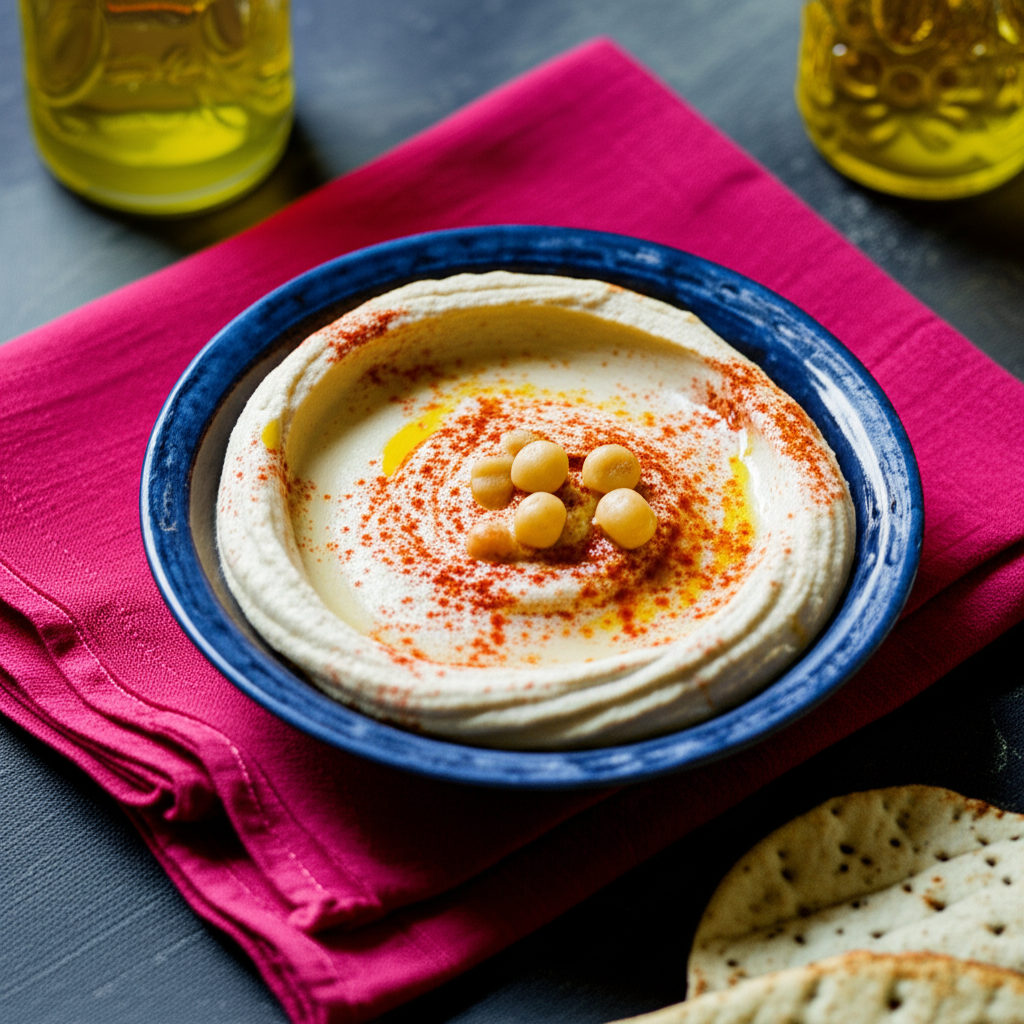
📜 History of Hummus
The history of hummus stretches back centuries, with its origins deeply rooted in the ancient culinary traditions of the Middle East. Chickpeas, a core ingredient, have been cultivated in the region for thousands of years. Early recipes resembling modern hummus can be found in 13th-century cookbooks from Cairo, Egypt, indicating its long-standing presence. The dish, specifically known as 'hummus bi tahini,' gained prominence and spread across the Ottoman Empire, evolving with regional variations. For countries like Lebanon and its neighbors, hummus is far more than just food; it's a symbol of community, hospitality, and shared heritage. The act of gathering with family and friends to share a plate of hummus represents love and welcome, with countless stories and memories woven into each meal. This timeless dish serves as a delicious bridge connecting the past with the present, carrying within its creamy depths the enduring spirit and warm-heartedness of the Middle Eastern people. It is a testament to the rich culinary legacy of the region, continually cherished and enjoyed across generations.
🌍 Why Hummus is World-Famous
Hummus has achieved global fame for a compelling array of reasons. Firstly, its exceptional nutritional profile makes it a star in the health food arena. Rich in plant-based protein, dietary fiber, vitamins, and minerals, it's an ideal choice for the health-conscious and a crucial component of vegan and vegetarian diets. Secondly, its incredible versatility knows no bounds. Whether served as an appetizer with pita and crudités, a spread in sandwiches, a dressing for salads, or a side dish to a main course, hummus seamlessly integrates into various culinary contexts. Thirdly, its unique yet universally appealing flavor profile – a harmonious blend of savory, tangy, and subtly garlicky notes – makes it instantly addictive and memorable. Finally, hummus has become an iconic ambassador for Middle Eastern cuisine and a symbol of peace and hospitality. As global interest in Middle Eastern food grows, hummus naturally takes center stage, embodying not just delicious taste and health benefits, but also significant cultural value. It's a dish that truly offers a holistic culinary experience.
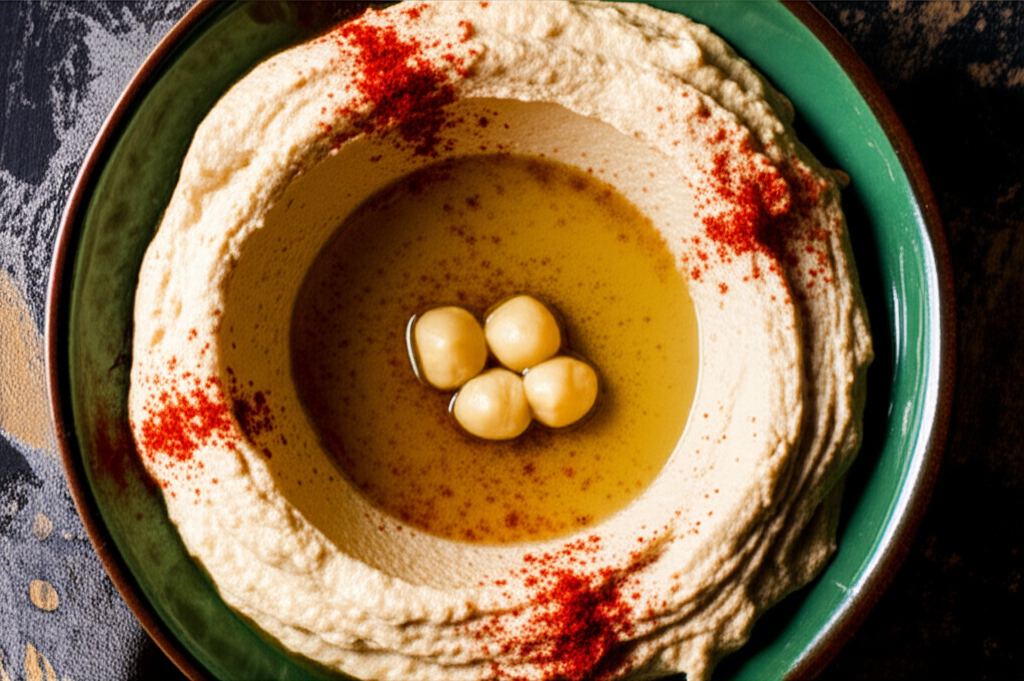
🏪 Where to try in Korea
Fortunately, the vibrant culinary scene in Korea now offers several excellent spots where you can savor authentic Lebanese-style hummus. Here are three of my personal favorites that truly capture the essence of this delightful dish:
- The Lamb Kitchen (더 램 키친)
Location: 177 Itaewon-ro, Yongsan-gu, Seoul
Feature: Situated in the bustling Itaewon district, The Lamb Kitchen is renowned for its authentic Middle Eastern cuisine. Their hummus, served with freshly baked pita bread, is exceptionally smooth and rich. They also offer various hummus dishes with tempting toppings. It's a fantastic spot to experience true hummus in an exotic atmosphere. - Petra (페트라)
Location: 40 Dongmak-ro 7-gil, Mapo-gu, Seoul
Feature: Located near Hongdae, Petra is run by a Jordanian chef and offers hummus with a deep, authentic flavor profile similar to Lebanese hummus. Their hummus is made fresh daily from quality ingredients, achieving a perfect balance of creaminess and nuttiness. It pairs wonderfully with their crispy falafel. - Hummus Kitchen (허머스 키친)
Location: 10 Itaewon-ro 20ga-gil, Yongsan-gu, Seoul
Feature: As the name suggests, this restaurant specializes in hummus, offering everything from classic plain hummus to versions topped with beef or mushrooms. The casual, modern ambiance makes it a great place to gather with friends and sample a variety of hummus dishes. Highly recommended for those seeking a healthy and delicious meal.
🛒 Where to buy ingredients
If you're inspired to make your own hummus at home, sourcing fresh ingredients is key, and thankfully, it's easier than you might think!
- Offline Stores:
Large Supermarkets (E-Mart, Lotte Mart, Homeplus, etc.): You can easily find canned or dried chickpeas, lemons, garlic, and olive oil. Recently, tahini (sesame paste) has also become readily available in the international food sections.
International Grocery Stores: Specialty stores in areas like Itaewon or Hannam-dong often carry a wider selection of tahini brands, Middle Eastern spices, and other unique ingredients, offering more choices for an authentic taste. - Online Stores:
Major Online Shopping Malls (Coupang, Market Kurly, Gmarket, etc.): Simply search for 'tahini' or 'canned chickpeas' to find a variety of products. Market Kurly, for example, is excellent for organic ingredients and specific tahini brands, offering convenient delivery.
International Online Retailers: If you're looking for more specialized Middle Eastern ingredients or a particular imported tahini brand, websites like iHerb can be a great resource for direct shipping.
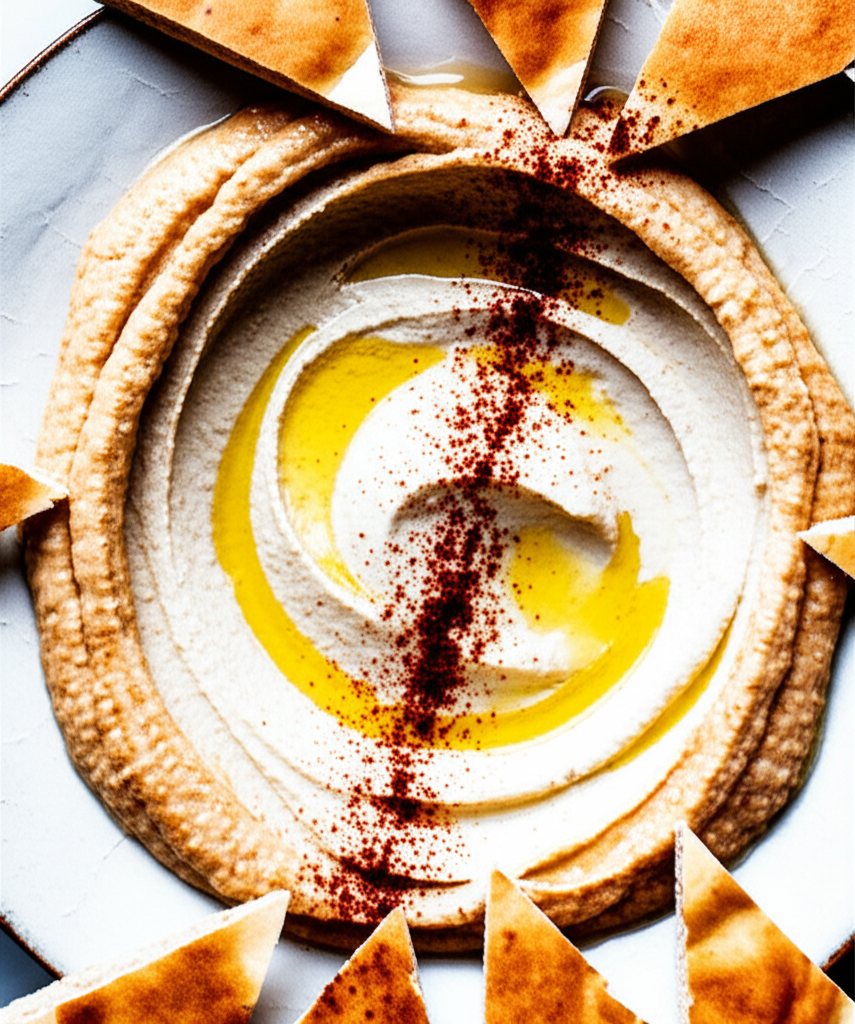
👨🍳 Home cooking guide
Now, it's time to bring the taste of Lebanon into your home kitchen! Making hummus from scratch is surprisingly simple and perfect for a weekend brunch or entertaining guests.
[Ingredients]
1 cup cooked chickpeas (drained if using canned)
1/4 cup tahini (sesame paste)
2-3 tablespoons fresh lemon juice
1-2 cloves garlic (minced)
2-4 tablespoons ice-cold water (or chickpea cooking liquid)
2 tablespoons olive oil (for serving)
1/2 teaspoon salt (adjust to taste)
A pinch of ground cumin (optional)
[Instructions][Chef's Tips]
- For an extra smooth hummus, gently peel the skins off the cooked chickpeas (optional but recommended).
- In a food processor, combine the chickpeas, tahini, lemon juice, minced garlic, salt, and cumin (if using).
- Blend until smooth. While blending, gradually add the ice-cold water, 1-2 tablespoons at a time, until the hummus reaches a creamy, desired consistency. It's crucial to blend thoroughly to achieve that luxurious smoothness!
- Spoon the hummus into a serving bowl. Drizzle generously with olive oil and garnish with a sprinkle of paprika, chopped fresh parsley, or a few whole chickpeas for visual appeal. Serve immediately with warm pita bread or fresh vegetable sticks.
✔️ Using ice-cold water helps achieve a lighter color and incredibly smooth, airy texture.
✔️ Invest in good quality tahini; it makes a significant difference in the flavor of your hummus.
✔️ If you prefer a spicier kick, add a dash of red pepper flakes or a touch of hot sauce. With fresh ingredients and a little love, your homemade hummus will undoubtedly elevate your dining experience!