Lebanon and Hummus
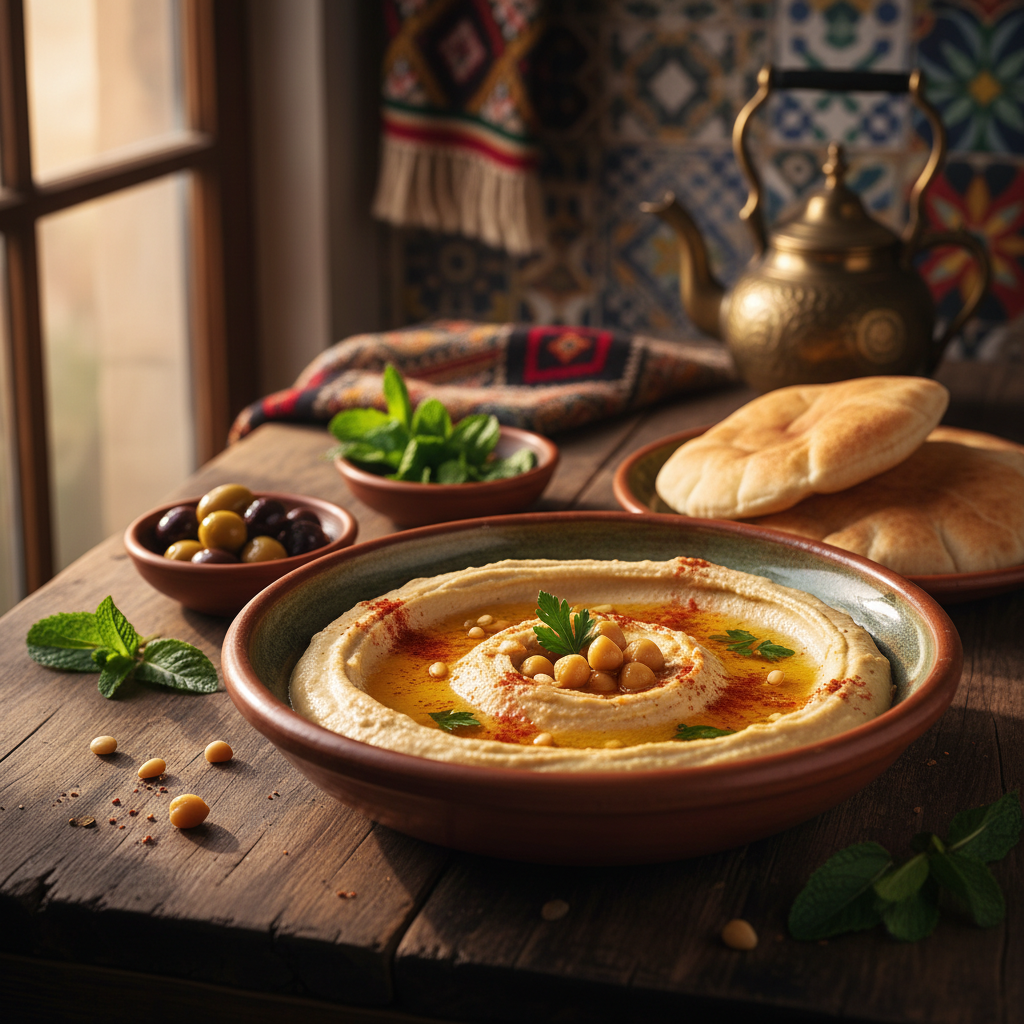
In Lebanon, hummus is considered more than just a dish; it's at the heart of cherished moments shared with family and friends. Within Lebanon's rich cultural tapestry, hummus symbolizes community spirit and hospitality. Its subtle and creamy taste sparks conversations, making shared moments even more special.

History and Origin
The origins of hummus are not entirely clear, but it's believed that people in Lebanon and other Middle Eastern regions have been consuming it for thousands of years. The oldest recorded mention of hummus is found in a 13th-century Middle Eastern cookbook. Over time, hummus has been beloved across cultures, undergoing various adaptations while serving as a cultural bridge throughout the Middle East.
Traditional Recipe
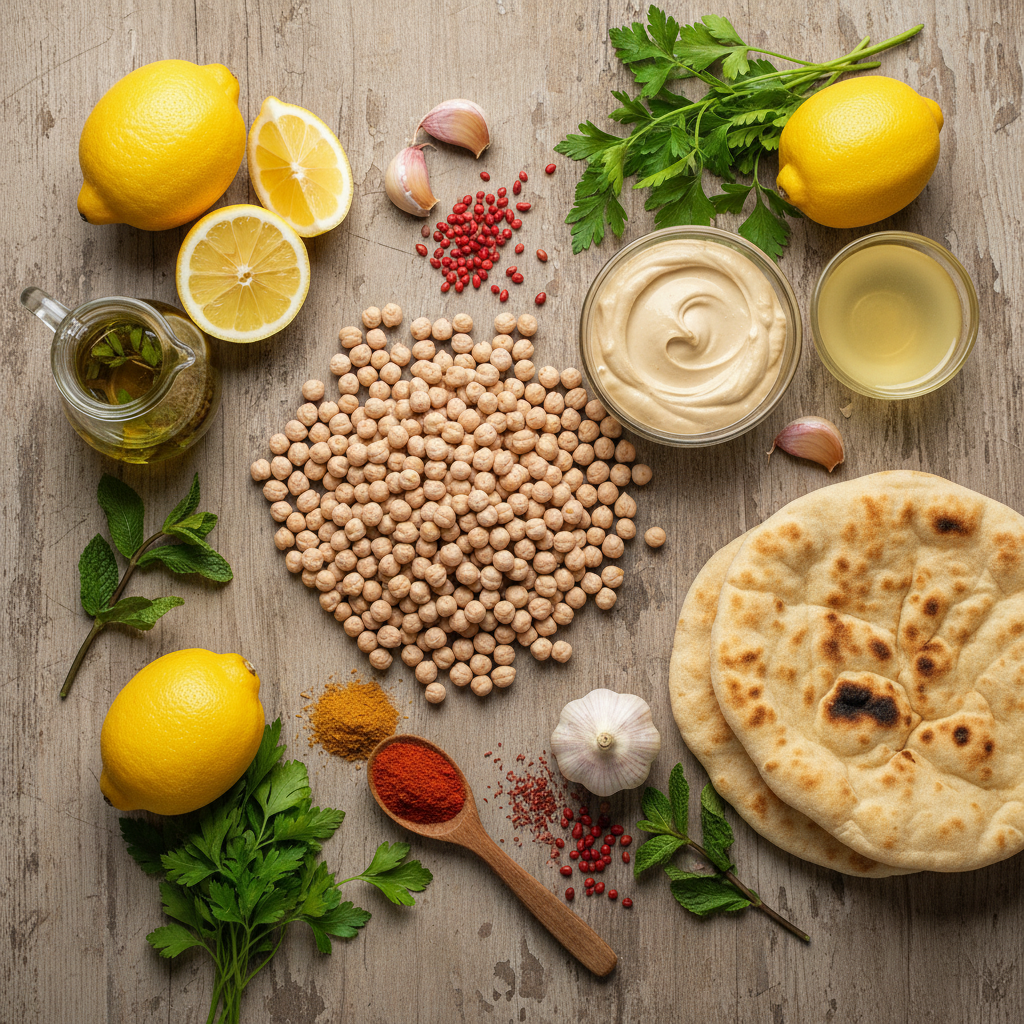
Traditional Lebanese hummus is made with simple ingredients: chickpeas, tahini, olive oil, lemon juice, and minced garlic. The chickpeas are cooked until tender and mashed with tahini to create a creamy texture. Fresh lemon juice and olive oil are added to enhance the flavor. Finally, minced garlic is added for a rich aroma.

How to Enjoy Locally
In Lebanon, hummus is mostly enjoyed as mezze, served alongside various vegetables and bread and paired with an array of Middle Eastern dishes. Locals often dip pita bread into hummus, treating this process as a small ritual. Sometimes, a dash of olive oil and parsley is added to boost the flavor.

Taste Characteristics
Hummus offers a creamy, smooth texture. The initial tang of lemon and the nutty richness of olive oil envelop the palate, followed by a subtle garlic flavor. This harmonious blend makes hummus extraordinarily appealing, providing a sensory-rich experience.
Tasting in Korea
In Seoul, several restaurants serve authentic Lebanese hummus. "Beirut" in Gangnam is renowned for its authenticity, offering a variety of Middle Eastern dishes. "Zaika" in Itaewon also provides an array of Lebanese foods, including hummus.
Making at Home
If you'd like to make hummus at home easily, you can use canned chickpeas. Rinse them well, then blend with tahini, lemon juice, olive oil, and minced garlic. You can adjust the consistency by adding a bit of water to achieve the desired creamy texture.