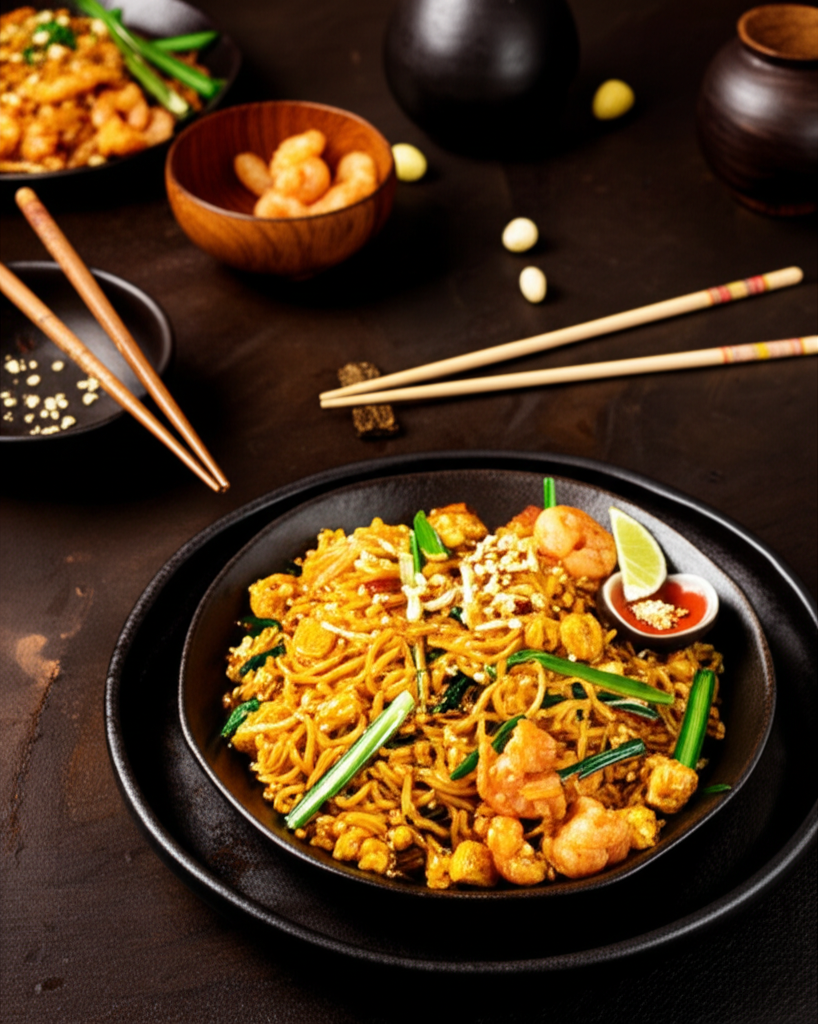
Thailand and Pad Thai
Thailand is a country rich in culture and history, with food being a crucial element reflecting its life and culture. Pad Thai is not just a dish but a culinary embodiment of Thai identity. It is considered a national dish that is inseparable from the daily lives of Thai people. As a popular street food, Pad Thai captures the vibrant and dynamic essence of Thailand. It’s not merely a meal to satiate hunger but a medium that creates moments of joy and togetherness.
History and Origin
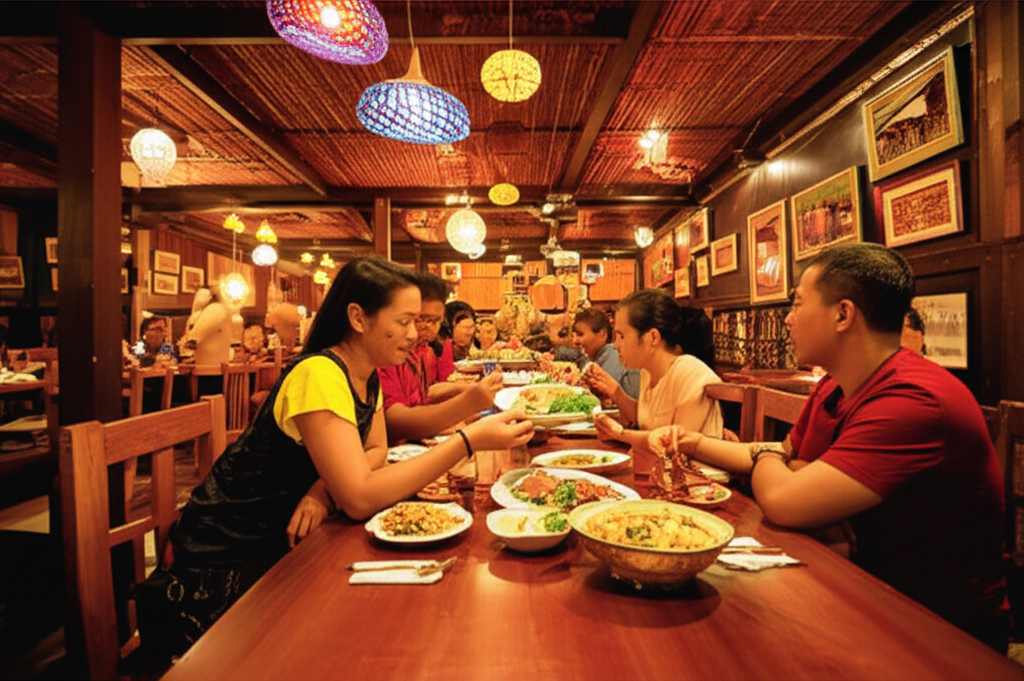
The origins of Pad Thai are deeply intertwined with Thailand's history. In the mid-20th century, Thailand faced economic difficulties and rice shortages. The Thai government encouraged the consumption of noodles as part of a policy to reduce rice usage, leading to the development of Pad Thai. As a result, Pad Thai became a representative dish of Thailand, playing a significant role in overcoming the economic crisis. To this day, it is regarded as a symbol of Thai pride and ingenuity.
Traditional Recipe
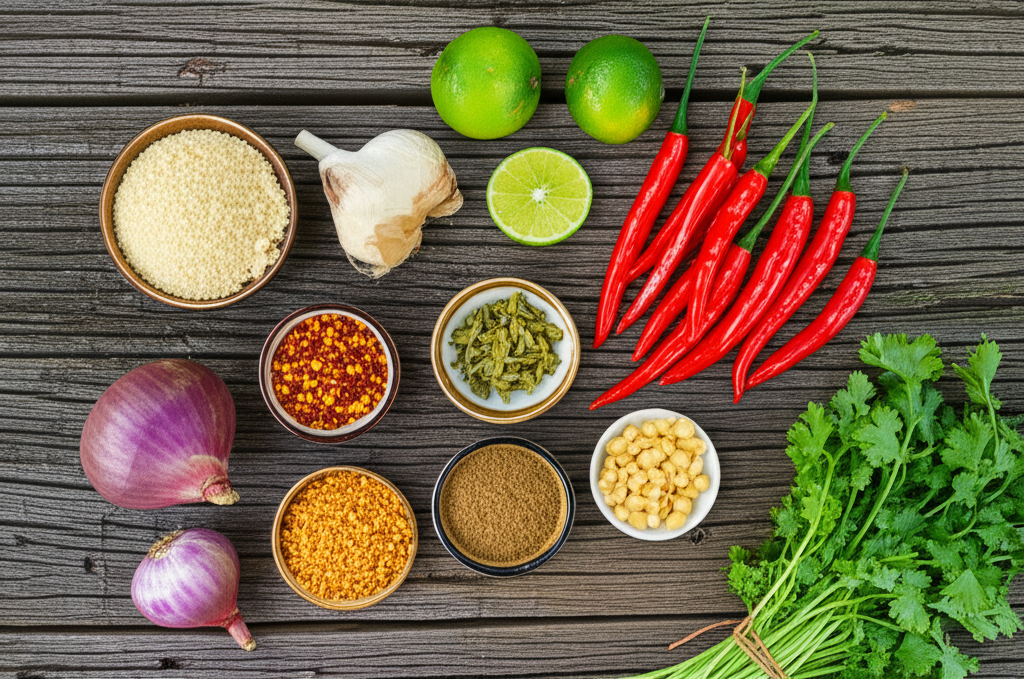
Traditional Pad Thai uses rice noodles, tofu, shrimp, bean sprouts, eggs, and peanuts as its main ingredients. The cooking process is simple yet focuses on maximizing the flavors of each ingredient. First, oil is heated in a pan, and minced garlic and shrimp are sautéed, followed by tofu and eggs. Then, rice noodles and bean sprouts are added, along with a sauce made from fish sauce, tamarind paste, and sugar. The dish is completed by garnishing with peanuts and lime.

How to Enjoy Locally
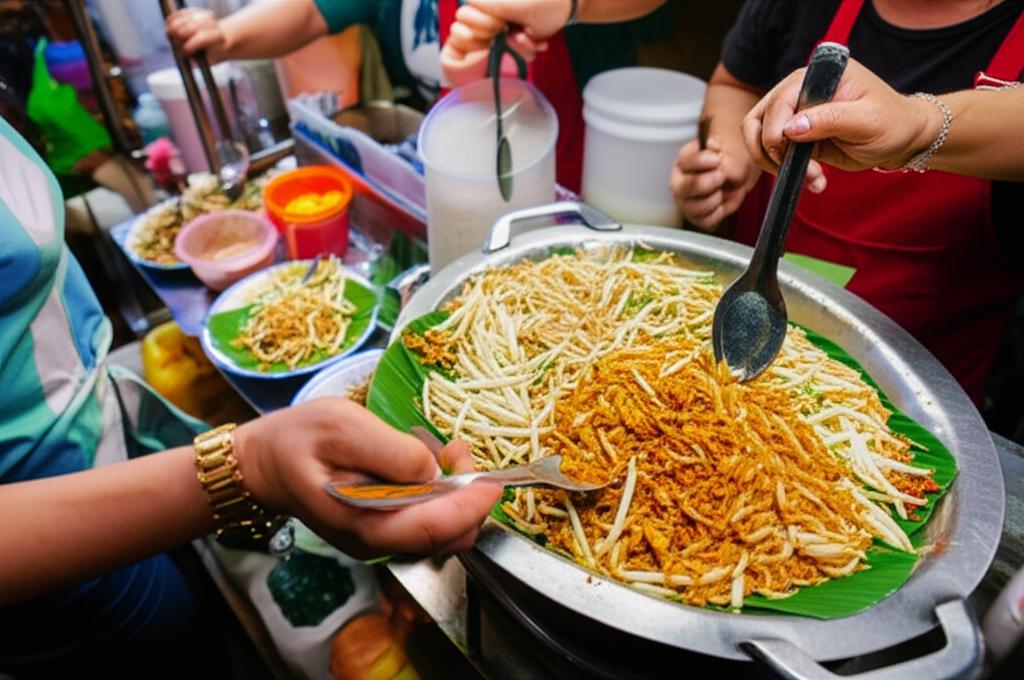
Ordering Pad Thai from a Thai street vendor is an experience in itself, as watching the quick cooking process is thrilling. Locals often enjoy Pad Thai with a variety of condiments. Fish sauce, chili powder, sugar, and vinegar can be added to taste for a more enriched flavor. Additionally, fresh cilantro or lime can be added for a refreshing twist. This flexibility in customization makes Pad Thai a beloved choice for many.
Flavor Characteristics
Pad Thai is characterized by its complex blend of sweet, salty, sour, and spicy flavors. The chewy texture of rice noodles combined with the firm bite of shrimp fills the mouth, while the tangy aroma of tamarind adds a unique flavor profile. The nutty taste of peanuts and the fresh scent of cilantro enrich the dish further, creating an unforgettable flavor harmony that lingers in memory.
Tasting in Korea
In Seoul, there are a few places where you can enjoy authentic Thai flavors. First, 'Thai Naan' in Itaewon offers genuine Thai cuisine, with their Pad Thai closely resembling the taste of Thailand. Second, 'Bangkok Express' in Hongdae provides high-quality Pad Thai at reasonable prices. Lastly, 'Sawadee Kap' in Gangnam features a variety of Thai dishes, with their Pad Thai receiving positive reviews.
Trying it at Home
Making Pad Thai at home can be a delightful experience. A simple home-cooked version involves preparing the necessary ingredients, sautéing garlic and shrimp in a pan, and adding pre-soaked rice noodles with store-bought Pad Thai sauce. Finish by adding bean sprouts and lime for garnish. This way, you can easily enjoy the taste of Thailand from the comfort of your home.