Spain and Paella
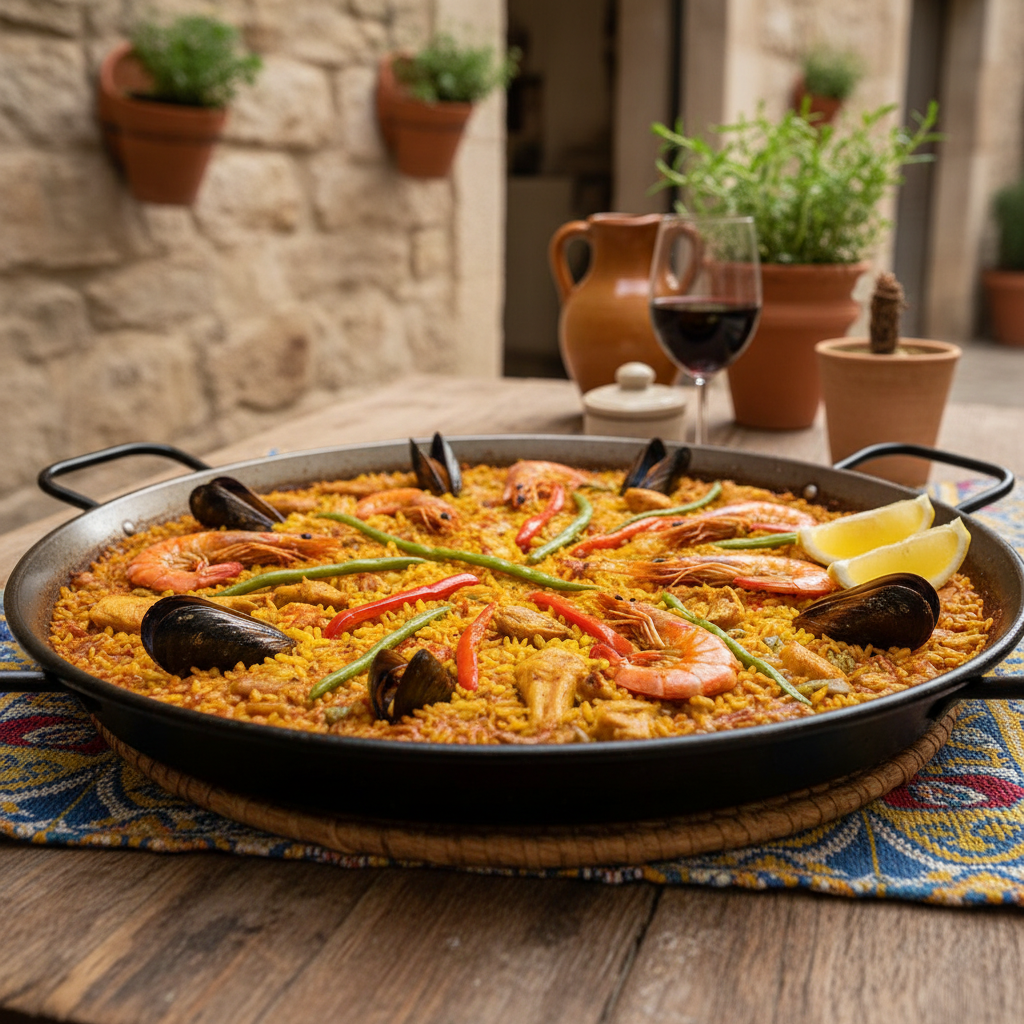
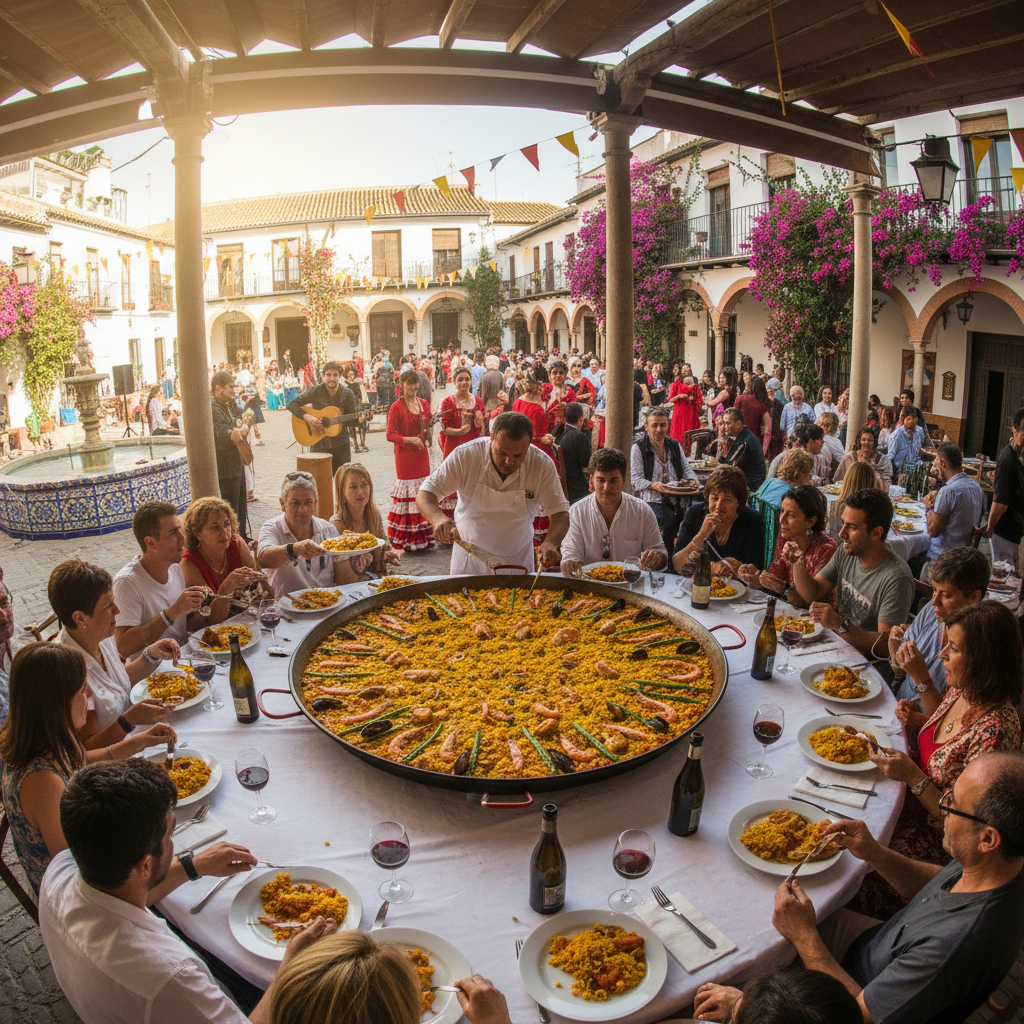
Paella is an iconic symbol in the culinary culture of Spain. It originated from a small village in the Valencia region and is now beloved across the country. Beyond being a mere dish, paella holds a meaningful place as a cultural and communal bonding experience. It sits at the heart of Spanish festivals and gatherings, serving as more than just a meal but a traditional festivity in itself.
History and Origin
Paella is believed to have begun in the 18th century in eastern Spain's Valencia region. It started as a way for farmers and peasants to cook up meals with leftovers from their work in the fields. Initially featuring ingredients like rabbit, chicken, and snails, combined with fresh vegetables, the seafood paella we know today developed along the coastal areas. From its inception, paella encapsulated the humble desire to share nature's bounty.
Traditional Recipe
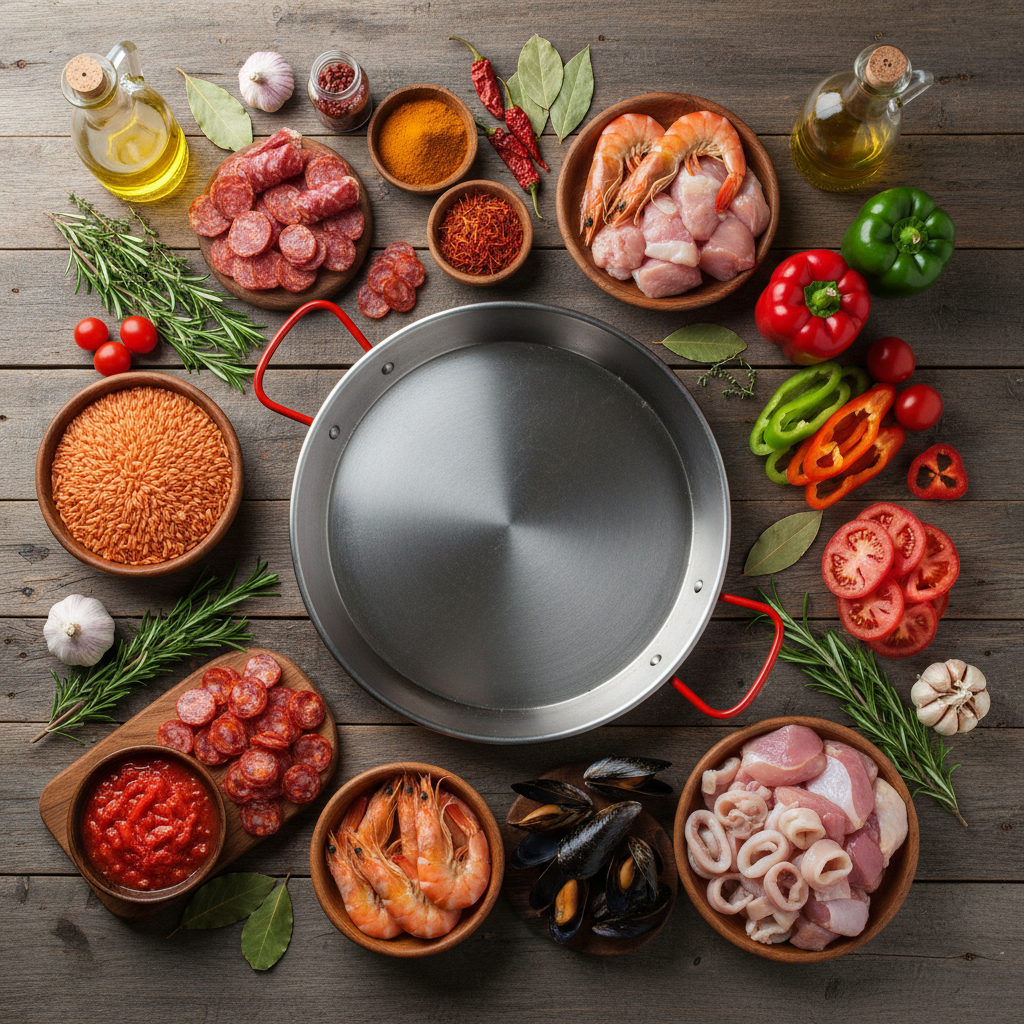
To craft an authentic paella, several key ingredients are essential: high-quality Valencian rice, saffron, olive oil, and fresh seafood or meat. Start by sautéing the meat or seafood in a wide iron pan with olive oil. Next, add rice and infuse with saffron and stock, allowing it to simmer gently. Patience is key, as the dish must cook until all elements harmonize, releasing deep, concentrated flavors.
Enjoying It Locally
In Spain, paella is often enjoyed with a fresh salad, bread, and a crisp white wine. Particularly in Valencia, families traditionally gather every Sunday to share paella. Beachside restaurants offer the chance to enjoy paella with the sea breeze, a cherished moment for locals. Paella possesses the power to unite people, and sharing this dish is akin to sharing happiness itself.
Characteristics of Flavor
The taste of paella is akin to a symphony. Initially, a subtle hint of saffron teases the senses, followed by the savory burst of seafood. The rice is perfectly al dente, with a crispy, toasted bottom layer adding a nutty finish. This harmonious blend creates a sensory experience, allowing one to feel the sun and wind of Spain with each bite.
Tasting Paella in Korea
In Seoul, there are several places where one can savor authentic paella. 'El Paella' in Gangnam is well-known for its Valencian chef who adheres to traditional recipes, offering the genuine taste of Spain. In Itaewon, 'Casa de Madrid' serves an array of paella dishes alongside Spanish tapas. Hongdae's 'Andalucia' presents an innovative fusion of traditional and modern flavors, catering to younger palates.
Trying It at Home
To simplify making paella at home, follow these tips. Use readily available neutral-flavored rice, but enhance it with saffron and seafood broth for depth. Choose vegetables and seafood to your liking and cook them all together in a wide pan to elevate the taste. Finish it in the oven for perfectly al dente rice. This process allows you to recreate the essence of Spain right in your home.
``` This narrative captures the essence of Paella, from its cultural significance in Spain to tips on recreating its authentic taste at home. Enjoy your culinary journey!