Ethiopia and Injera
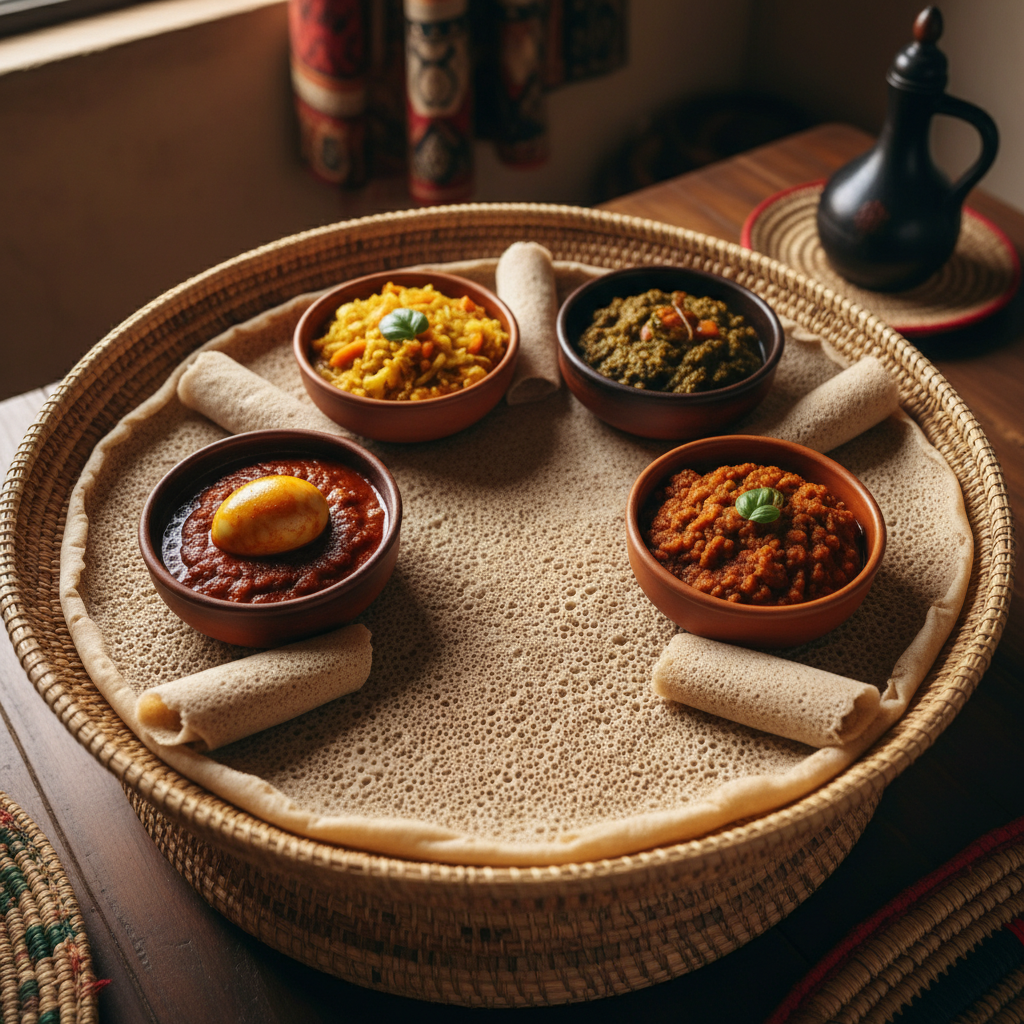
Injera is more than just food; it is a symbol deeply embedded in the lives and culture of Ethiopians. Its large, round pancake shape takes center stage in traditional Ethiopian meals, fostering communication and bonding as family and friends gather to share it. Representing the fusion of Ethiopia's various ethnicities and historical backgrounds, injera is a cultural emblem.
History and Origin
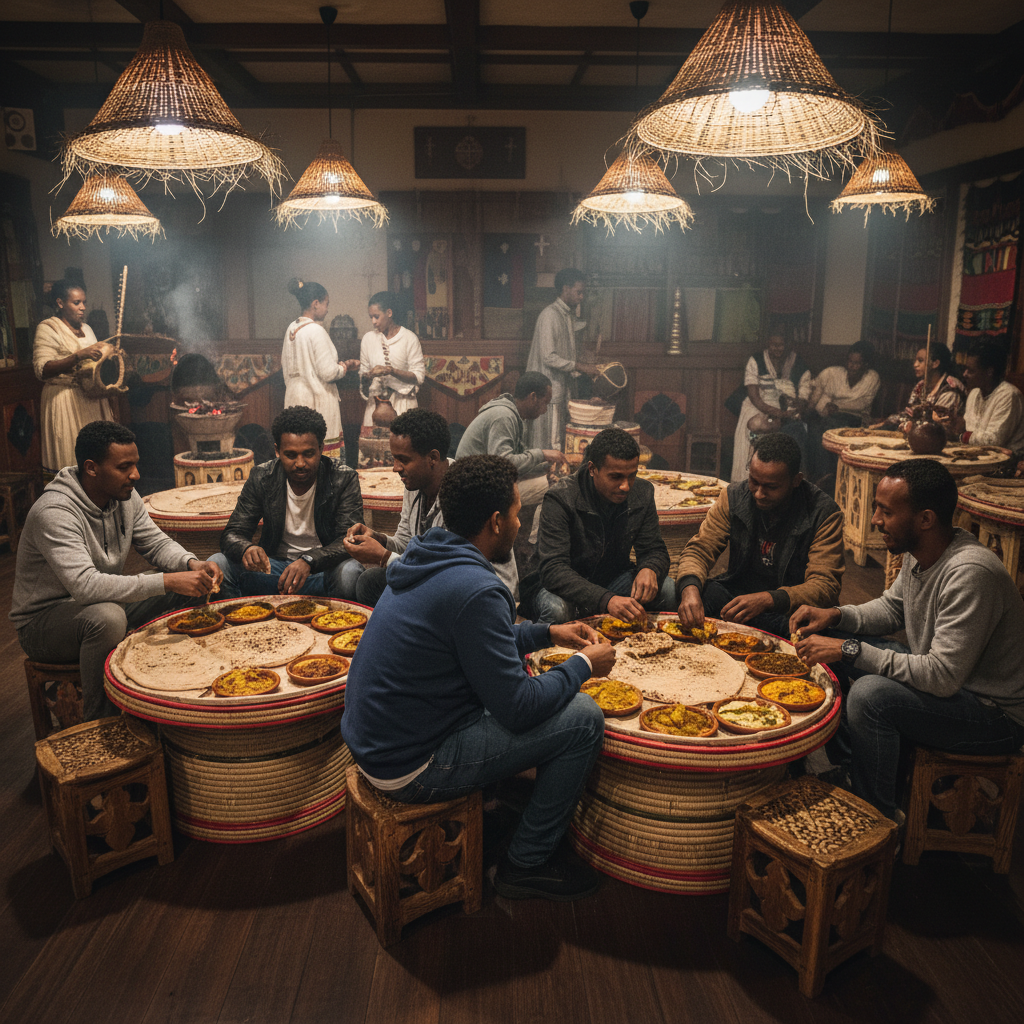
Injera boasts a history that stretches back over 1,000 years. Made from teff, an ancient grain native to the Ethiopian highlands, injera has played a significant role in the lives of early Ethiopians. Over time, its importance has only grown, becoming a symbol of Ethiopian history and tradition.
Traditional Recipe
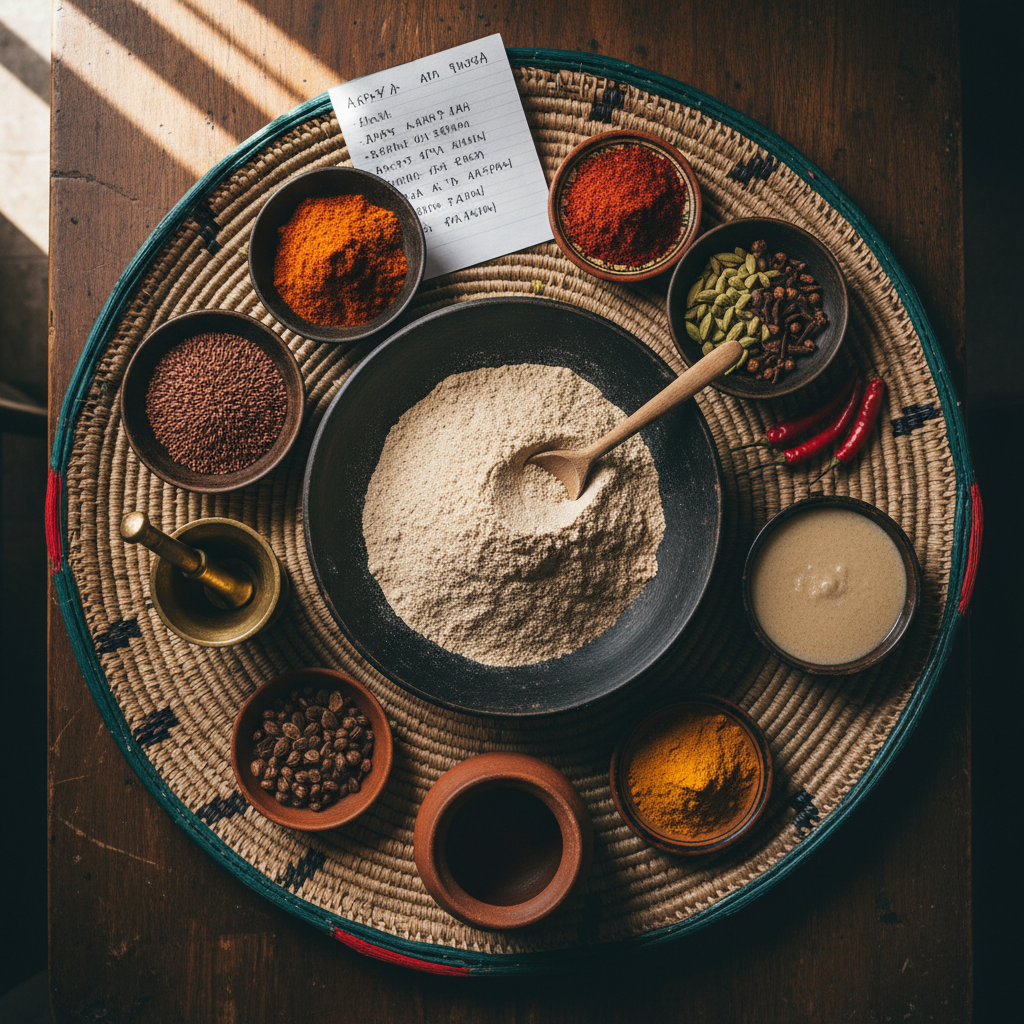
The traditional recipe for injera involves teff flour, water, and fermentation. Teff flour is mixed with water to create a batter, which is then left to ferment for a period of time. Once fermentation is complete, the batter is spread thinly on a pan and cooked, developing injera's characteristic tangy flavor. Teff is gluten-free and rich in iron and protein, making it a healthy choice. Traditionally prepared injera serves as both a vessel for Ethiopian dishes and a means of strengthening bonds with those you share it with.
Enjoying It Locally
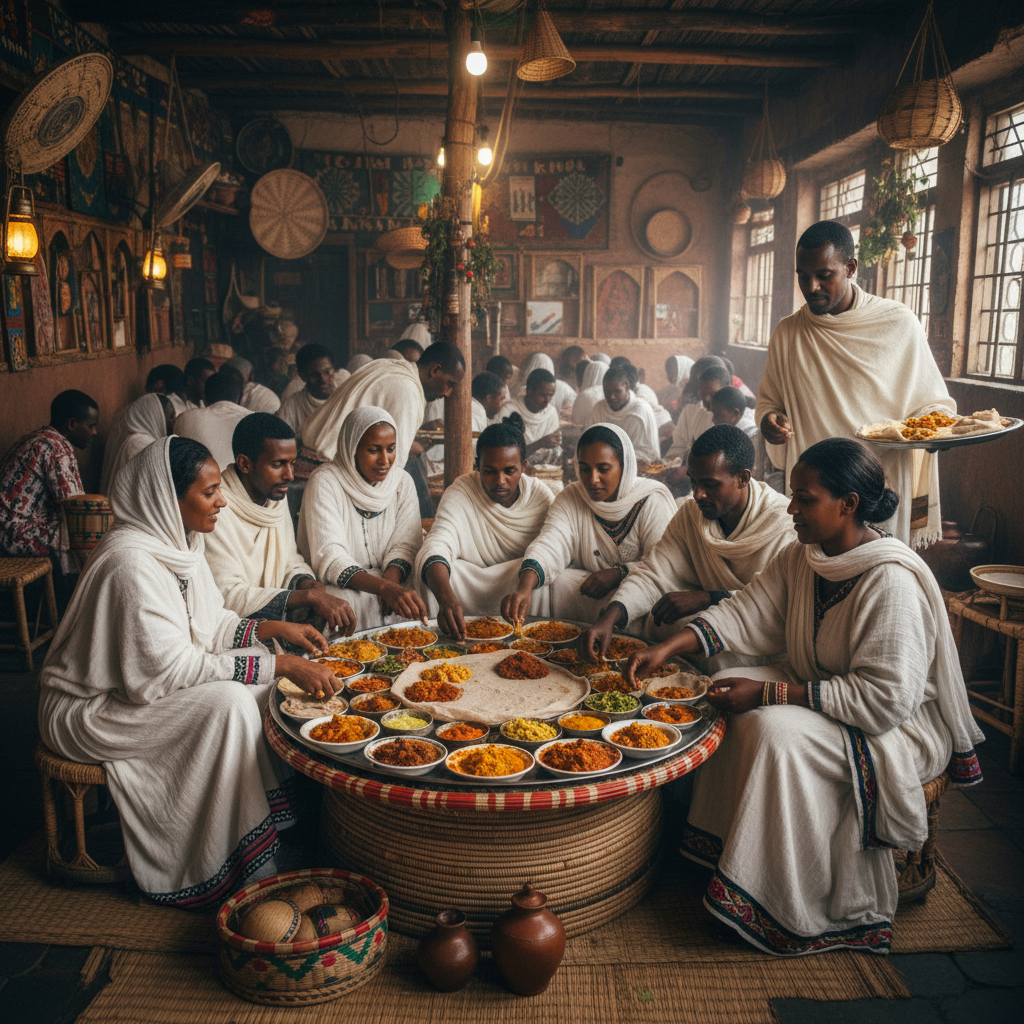
In Ethiopia, injera is typically served with a variety of stews and curries known as wot. These can be made with meats, vegetables, or lentils. Injera is enjoyed by tearing it into pieces to scoop up the stew, fostering a sense of intimacy among diners. This method of eating highlights a culture of sharing and communication, showing that injera is deeply embedded in Ethiopian everyday life.
Flavor Characteristics
The taste of injera is distinctive. Its tangy, slightly sour aroma and soft texture harmonize with the nutty flavor of teff. The surface is dotted with small holes, perfect for soaking up stews and sauces. While the initial taste might be unfamiliar, it quickly becomes captivating. Especially when paired with a variety of stews, injera completes the culinary experience.
Tasting It in Korea
In Seoul, there are a few Ethiopian restaurants where you can enjoy authentic injera. 'Ethiopia' in Itaewon and 'Ethiopia House' in Hongdae are notable for serving injera and traditional dishes prepared by Ethiopian chefs. These restaurants offer an opportunity to experience the rich flavors of Ethiopian cuisine.
Making It at Home
If you want to try making injera at home, you can start simply. Teff flour is readily available online, and you can mix it with water and let it ferment for about a day, then cook it thinly on a pan. While the fermentation process might seem daunting, the resulting flavors are well worth the effort. Enjoy the depth of injera's taste and Ethiopian tradition from the comfort of your home.
``` I hope this meets your needs! Let me know if there's anything else you'd like to add or adjust.