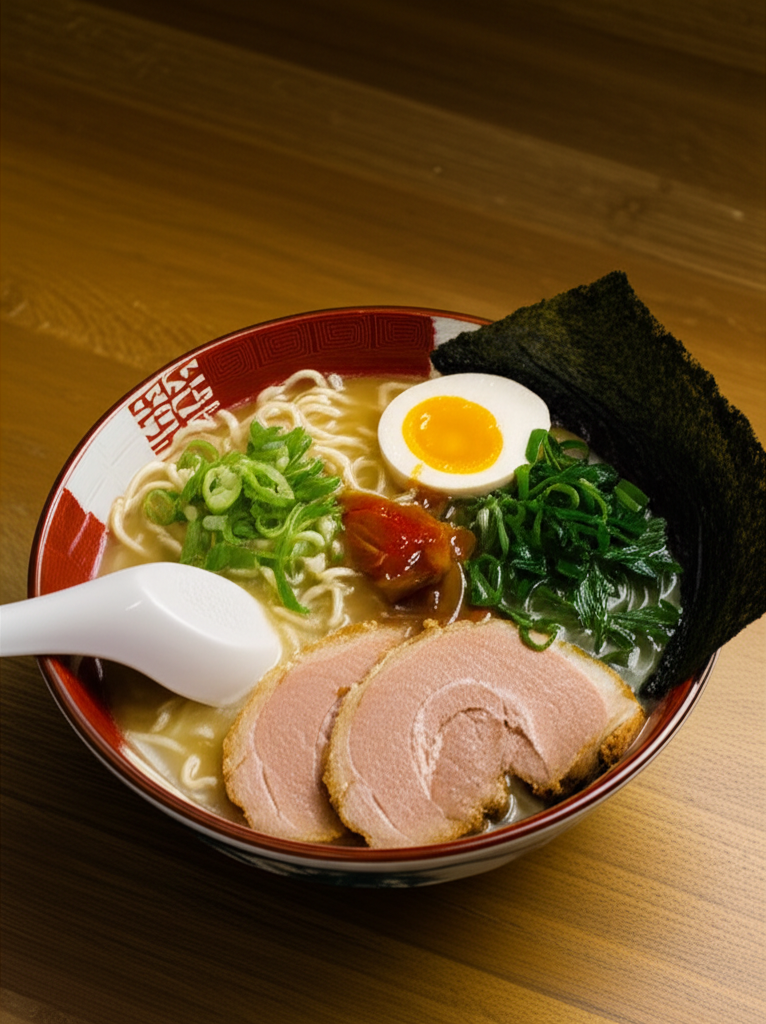
🍽️ What is 라멘?
Japanese ramen, a dish imbued with profound flavors and soul, is more than just a simple meal; it's a culinary art form. A harmonious blend of steaming hot broth, chewy noodles, and a colorful array of toppings creates a symphony of diverse tastes in a single bowl. There are countless varieties, such as Tonkotsu, Miso, Shoyu, and Shio, each distinct in its regional origin and ingredients, carrying its own unique character and story. From the depth of the broth to the thickness and texture of the noodles, the tenderness of the chashu, and the perfectly soft-boiled ajitama, every element must align perfectly. Only then does ramen transcend a mere dish, delivering a profound sense of satisfaction and comfort to the soul.
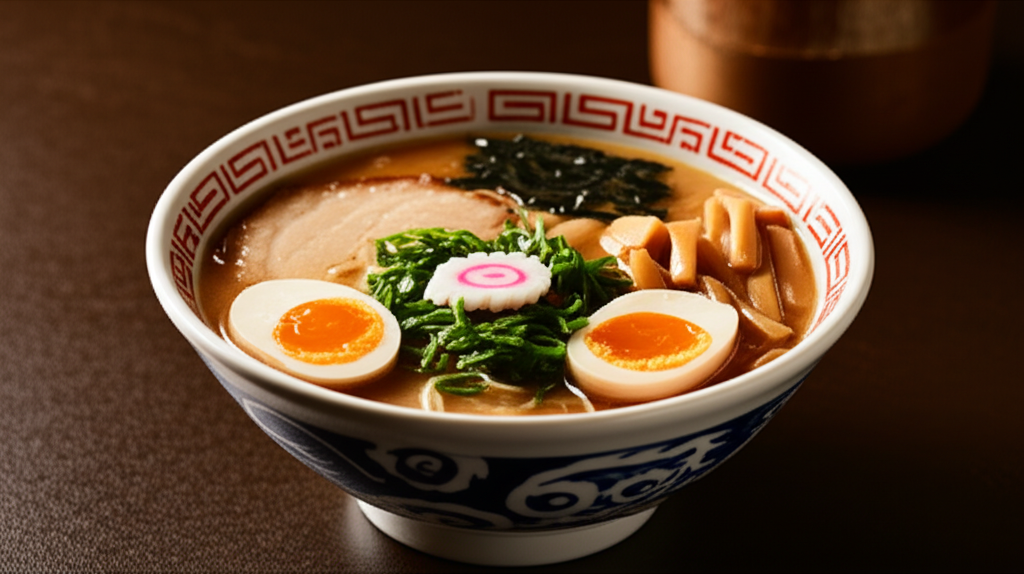
📜 History of 라멘
The origins of ramen can be traced back to Chinese noodle dishes introduced to Japan in the late 19th century. Initially known as 'Shina Soba' or 'Chūka Soba', it began to captivate Japanese palates. In the early 20th century, ramen evolved into its current form through independent development within Japan. Particularly after World War II, it gained immense popularity as an affordable and nutritious food, becoming deeply ingrained in the daily lives of ordinary people. With the addition of unique local ingredients and cooking methods, numerous regional ramens emerged, such as Sapporo's Miso Ramen, Fukuoka's Tonkotsu Ramen, and Tokyo's Shoyu Ramen. These variations transformed ramen into a beloved national dish across Japan, encapsulating the country's modern history and culture within each bowl.
🌍 Why it's world-famous
The secret to ramen's global appeal lies in its incredible diversity and profound depth of flavor. From "moving restaurants" like ramen trucks to high-end establishments earning Michelin stars, everyone can find a ramen that suits their taste, which is a major draw. The harmonious blend of umami-rich broth, perfectly textured noodles, and creative toppings is more than just food; it's a work of art. Furthermore, with the spread of Japanese popular culture, ramen has become an iconic representation of Japan itself. Its appearance in anime, movies, and dramas naturally sparked curiosity worldwide, and the desire to experience its exotic flavors and culture has driven ramen's global popularity. This cultural omnipresence and culinary excellence continue to solidify its status as a beloved international dish.
🏪 Where to try in Korea
- Menya Hanabi (Jamsil/Hapjeong): This is the perfect place to experience the essence of Nagoya-style Mazesoba. Its unique charm lies in the thick sauce, chewy noodles, and colorful toppings, all mixed together. The 'Oimeshi' (adding rice at the end to mix with the leftover sauce) is an absolute must-try. There's often a long queue, but the wait is well worth it for the exquisite flavor.
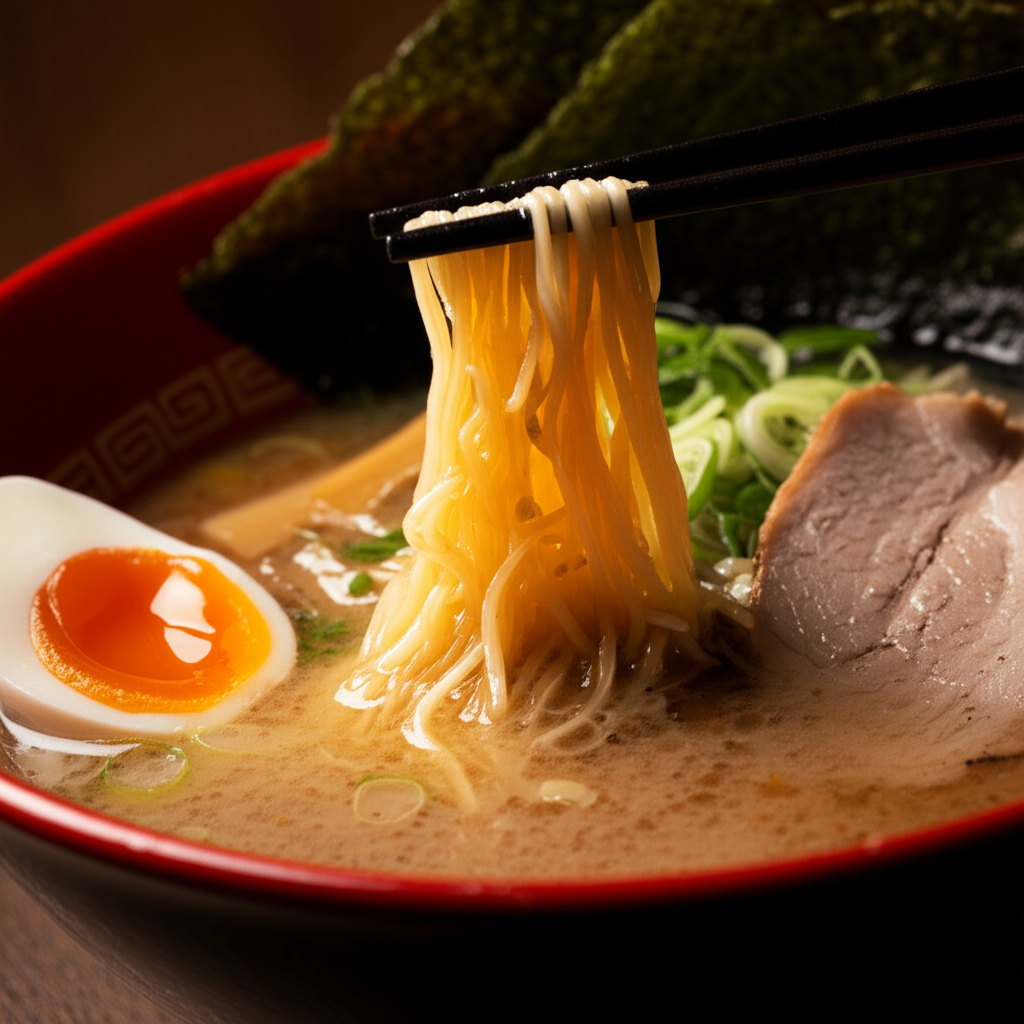
- Hakata Bunko (Hongdae): A legendary restaurant that pioneered the Tonkotsu ramen era in Korea. It boasts a rich and deep pork bone broth, and its thin, firm noodles create a fantastic harmony with the soup. You can enjoy two types, 'In Ramen' and 'Cheong Ramen', both offering satisfying fullness in a single bowl.
- Men Sho (Seongsu/Apgujeong): Here, you can savor clean and profound Shoyu (soy sauce) and Shio (salt) ramens. The broth, carefully simmered for hours with select ingredients, is clear yet boasts a concentrated umami flavor. Tender chashu and crisp bamboo shoots create a perfect balance. If you wish to experience the delicate and sophisticated essence of ramen, this is the place to visit.
🛒 Where to buy ingredients
- Offline Marts: Large supermarkets like E-Mart, Lotte Mart, and Homeplus often have an imported goods section where you can find Japanese ramen noodles, concentrated Tonkotsu broth, or miso paste. If there's a dedicated Asian grocery section, you'll likely find an even wider selection. Occasionally visiting specialty Japanese grocery stores (e.g., Mono Mart) can also help you discover more professional-grade ingredients.
- Online Purchase: Major online shopping malls like Coupang and Market Kurly, as well as platforms like 'Naver Smart Store', offer a diverse range of brands and products when you search for 'Japanese ramen ingredients', 'Tonkotsu broth', or 'fresh ramen noodles'. Utilizing international direct shipping sites allows you to easily purchase famous Japanese ramen kits or rare ingredients sold locally in Japan, enabling you to enjoy gourmet delights even at home.
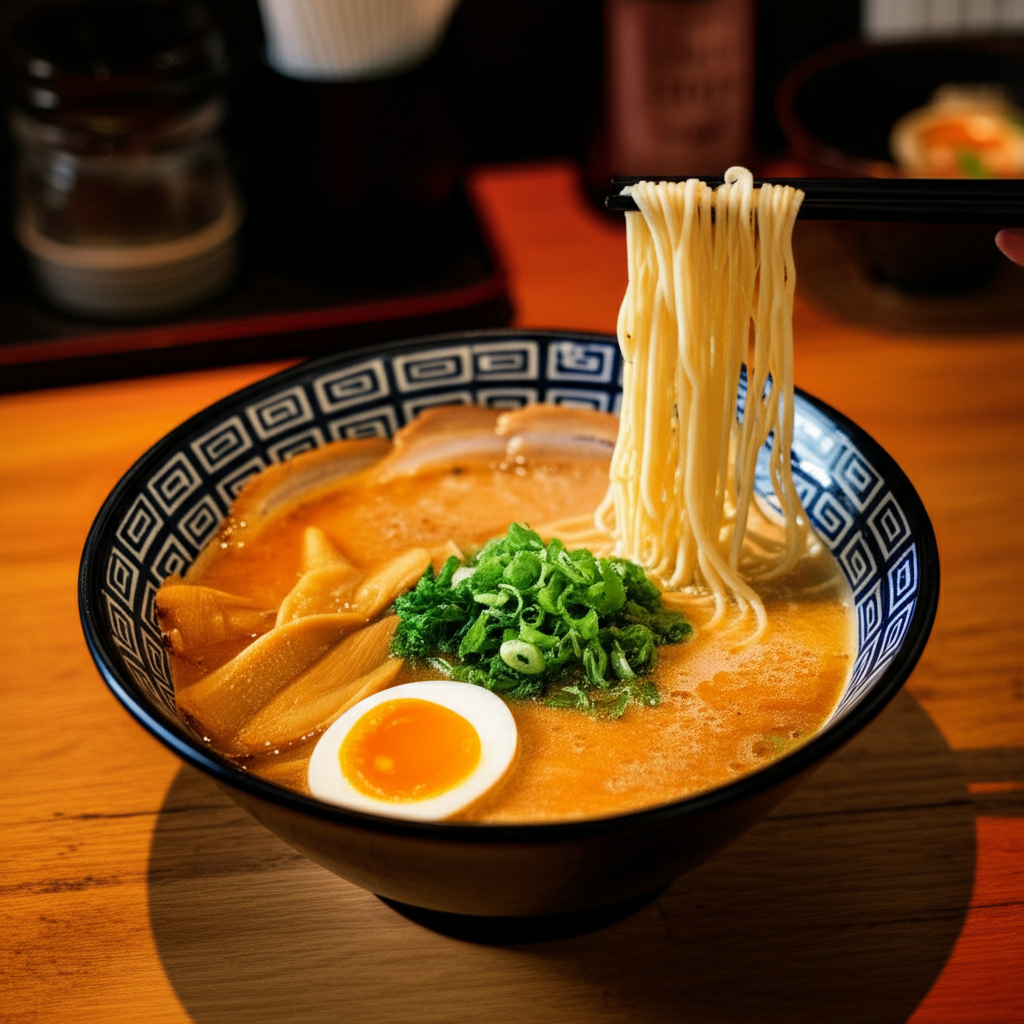
👨🍳 Home cooking guide
- Prepare the Broth: Dilute commercial broth concentrate with water, or use chicken/vegetable broth as a base, adding Japanese soy sauce, mirin, a little minced garlic, and ginger, then bring it to a boil. For extra umami, consider using kombu (kelp) or katsuobushi (bonito flakes).
- Cook the Noodles: Boil fresh ramen noodles in water according to the package instructions. Stir gently to prevent sticking and, once cooked, drain and place directly into a bowl without rinsing with cold water.
- Add Toppings: Arrange tender chashu, soft-boiled ajitama (marinated egg), shredded green onions, roasted nori (seaweed), and menma (fermented bamboo shoots) appealingly on top of the noodles. Lightly blanching bean sprouts or wood ear mushrooms can enhance both texture and flavor.
- Final Touch: Pour hot broth over the noodles and toppings. Garnish with a sprinkle of pepper or a drizzle of rayu (chili oil) if desired, to deepen the flavor. The advantage of making ramen at home is the freedom to customize ingredients to your personal preference.