Malaysia and Nasi Lemak
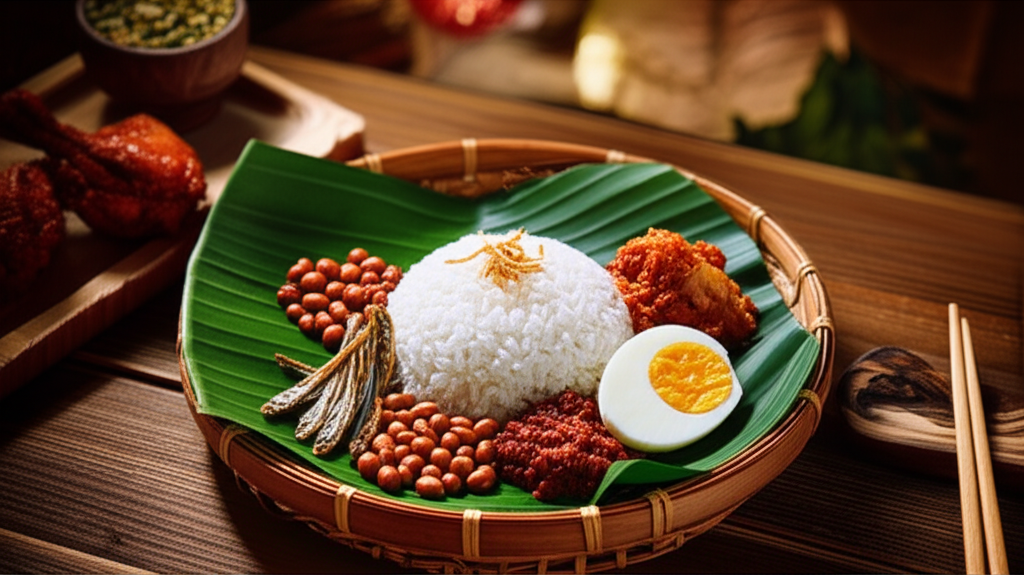
Nasi Lemak is regarded as one of the quintessential dishes that best represents the diverse culture and tradition of Malaysia. Comprising of rice cooked in coconut milk, sambal sauce, crispy anchovies, roasted peanuts, fresh cucumber, and a boiled egg, Nasi Lemak is not just a meal but a reflection of the everyday lives and sentiments of the Malaysian people. While it is most popular as a breakfast dish, its appeal extends to lunch and dinner across Malaysia. Nasi Lemak reflects the ethnic diversity and cultural amalgamation of Malaysia, evolving into various forms across different regions while maintaining its core essence.
History and Origin
The origins of Nasi Lemak are deeply rooted in the agricultural lifestyle of Malaysia. It is believed to have originated as a meal for farmers to sustain their energy throughout the day. The abundance of coconut trees in rural areas naturally led to the use of coconut milk in cooking, while the spicy sambal sauce is thought to have been introduced by Muslim traders. As time went on, Nasi Lemak spread across Malaysia and, while taking on regional characteristics, evolved into the beloved dish we know today.
Traditional Recipe
To make traditional Nasi Lemak, it is crucial to cook the rice with coconut milk to impart a rich and creamy flavor. Key ingredients include coconut milk, jasmine rice, sambal sauce, anchovies, peanuts, cucumber, and boiled eggs. The rice is slowly cooked with coconut milk, a pinch of salt, and pandan leaves for added aroma. Sambal sauce is made by blending spicy chili, shrimp paste, garlic, and onions, then paired with crispy fried anchovies. Finally, fresh cucumber slices and boiled eggs are added to complete the dish.
How to Enjoy Locally
Encountering Nasi Lemak at Malaysian markets or street vendors is more than just a meal; it's a connection to local culture. Locals often purchase Nasi Lemak early in the morning to enjoy with family or as a quick breakfast before work. It is also common for additional side dishes like rendang or chicken curry to accompany it. The unique banana leaf wrapping adds to the aroma, enhancing the overall experience of enjoying Nasi Lemak.
Taste Characteristics
Taking a bite of Nasi Lemak first releases the rich aroma of coconut, leaving a lingering fragrance in the mouth. The soft texture of the rice harmonizes with the spicy sambal, while the crispy anchovies and roasted peanuts add a delightful crunch. The fresh cucumber provides a crisp balance to the flavors, and the boiled egg adds silky smoothness. Each ingredient shines on its own but comes together to create a harmonious blend of tastes.
Where to Find in Korea
In Seoul, several eateries offer authentic Nasi Lemak experiences. For instance, 'Malay Cafe' in Itaewon is renowned for recreating the authentic flavors of Malaysia, serving Nasi Lemak with coconut milk-cooked rice. Also, 'Asia Alley' in Gangnam serves Nasi Lemak prepared by a Malaysian chef, allowing diners to enjoy a variety of traditional Malaysian dishes.
Try Making it at Home
Nasi Lemak can be relatively easy to make at home. Start by cooking jasmine rice with coconut milk in a rice cooker as you would normally. For the sambal, you can use store-bought versions or blend chili, garlic, onion, and shrimp paste, then sauté in oil. Fry store-bought anchovies until crispy, and prepare peanuts, cucumber, and boiled eggs to complete the simple home-cooked version of Nasi Lemak. Adding a bit of pandan leaf will enhance the aroma.