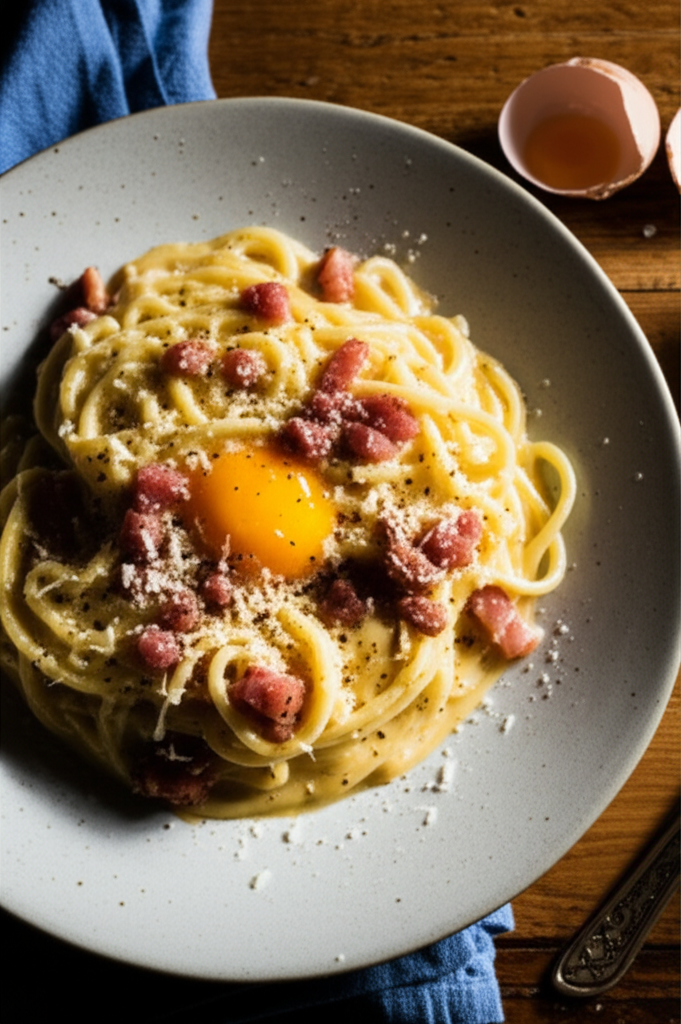
Italy and Carbonara
The culinary culture of Italy is at the heart of family and community. Carbonara captures the essence of Italy in this regard. True carbonara blends a creamy sauce with fresh pasta, loved in various styles across different regions of Italy. It carries significance beyond being a simple dish, creating special moments when shared with family and friends.
History and Origins
The origins of carbonara trace back to Rome. Appearing in the mid-19th century, there are various theories about its ingredients, but the most popular story suggests that after World War II, American soldiers brought bacon and eggs, which combined with local cuisine. Born during Italy's post-war era, carbonara gained popularity among all social classes and remains beloved today.
Traditional Recipe
Authentic carbonara is made with a few key ingredients. Pasta, typically spaghetti, is used, with guanciale (pork cheek) and Pecorino Romano (Italian sheep's cheese) being essential. Egg yolks and pepper also play a crucial role. The method is simple, but the quality of ingredients determines the taste. Guanciale is slowly cooked to render its fat, then mixed with cooked pasta, cheese, and eggs to create a creamy sauce.
Enjoying It Locally
In Rome, enjoying carbonara with a glass of wine is common. A simple salad or bread accompanies it. Locals savor carbonara leisurely, cherishing the time spent sharing the meal as much as the taste itself. You can find authentic carbonara in traditional Roman trattorias.
Flavor Characteristics
The taste of carbonara is deep and rich. The savory and umami flavor of guanciale melds into the pasta, harmonizing with the salty cheese and creamy egg. The pepper adds a spicy kick, elevating the taste. The creamy sauce pairs well with the pasta, spreading a delightful flavor throughout the mouth.
Tasting It in Korea
In Seoul, there are several places to enjoy authentic carbonara. 'Trattoria Moreno' in Gangnam is renowned for its carbonara made by an Italian chef, while 'Romana' recreates the local flavors of Italy. Additionally, 'Ravioli' in Hongdae offers a new approach to carbonara, gaining much love from many.
Making It at Home
You can easily make authentic carbonara at home. Prepare 200g of spaghetti, 100g of guanciale, 50g of Pecorino Romano, 2 egg yolks, and pepper. Fry the guanciale in a pan to render its fat, then mix with cooked pasta, egg, and cheese to make the sauce. Finish with a sprinkle of pepper. The freshness of the ingredients is key to the taste.