Iran and Gheimeh Stew
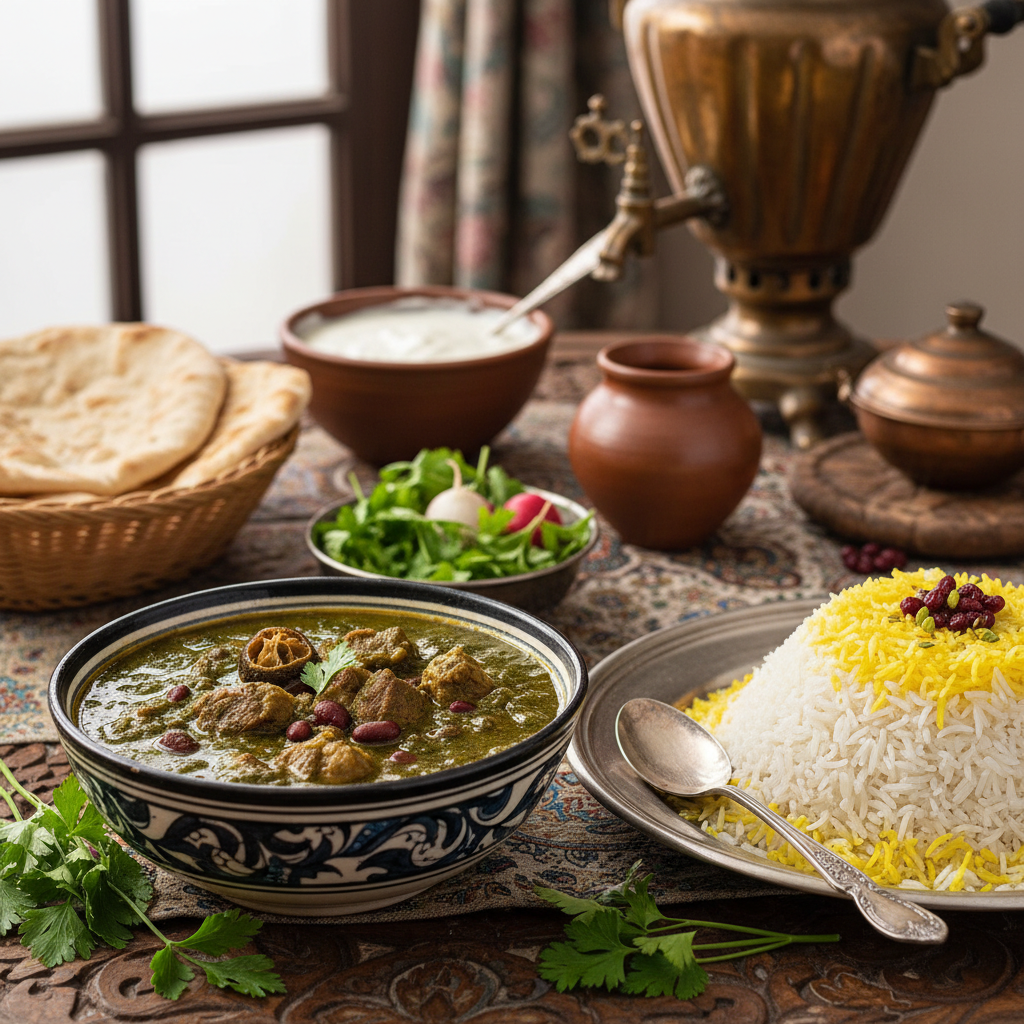
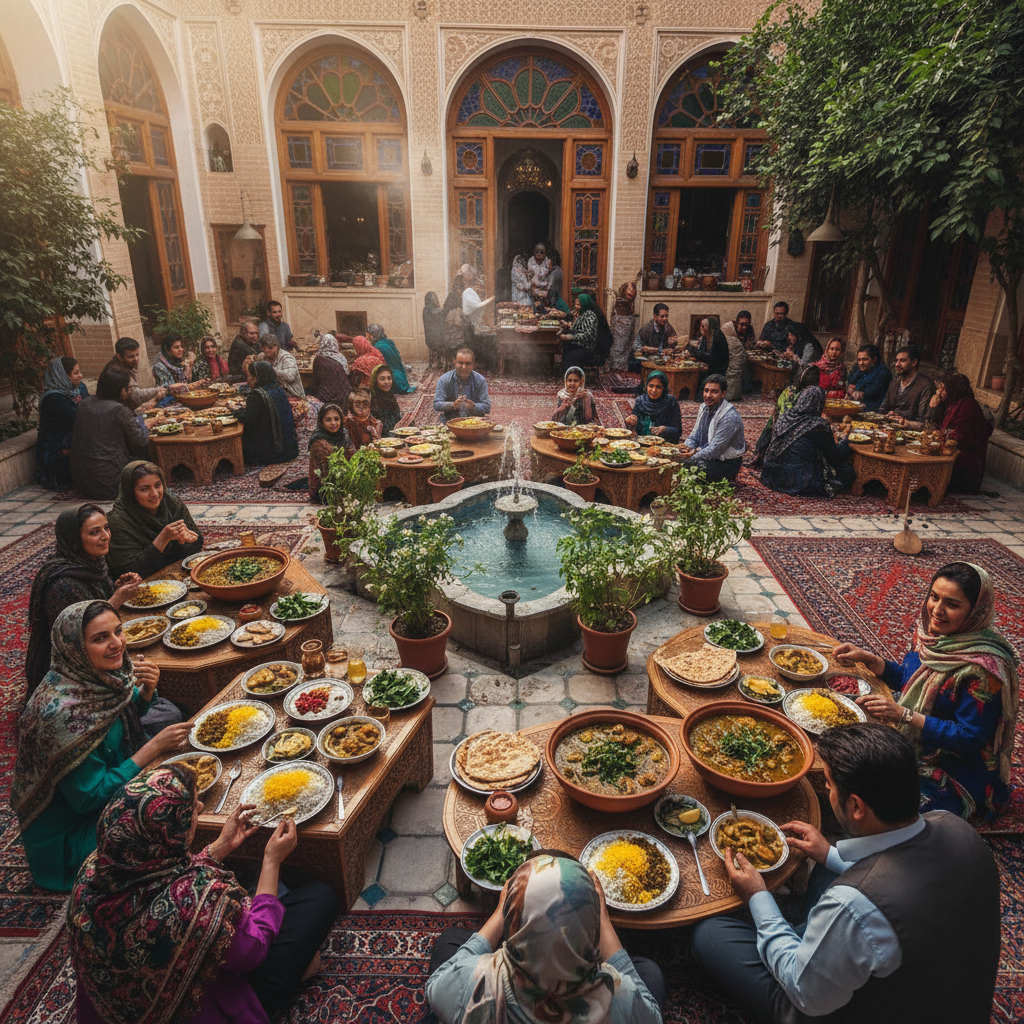
Iranian culinary culture is rich and filled with vibrant spices. Among these, Gheimeh stew stands out as a symbolic dish encapsulating Iran's tradition and history. It is a staple at family gatherings and social events, representing not just a meal but the unity and sharing within the community. The stew tells a story of Iranian life and culture, offering more than just flavors but a deep connection to its people.
History and Origin
The history of Gheimeh stew dates back centuries. Evolving alongside Iran's ancient civilization, it became widespread following the advent of Islam. Originally emerging from simple nomadic dishes, Gheimeh has undergone various regional transformations to become the recipe we know today. This dish is a fusion of Iranian culture and Islamic tradition, embedding itself in the everyday dining experience of Iranians throughout the ages.
Traditional Recipe
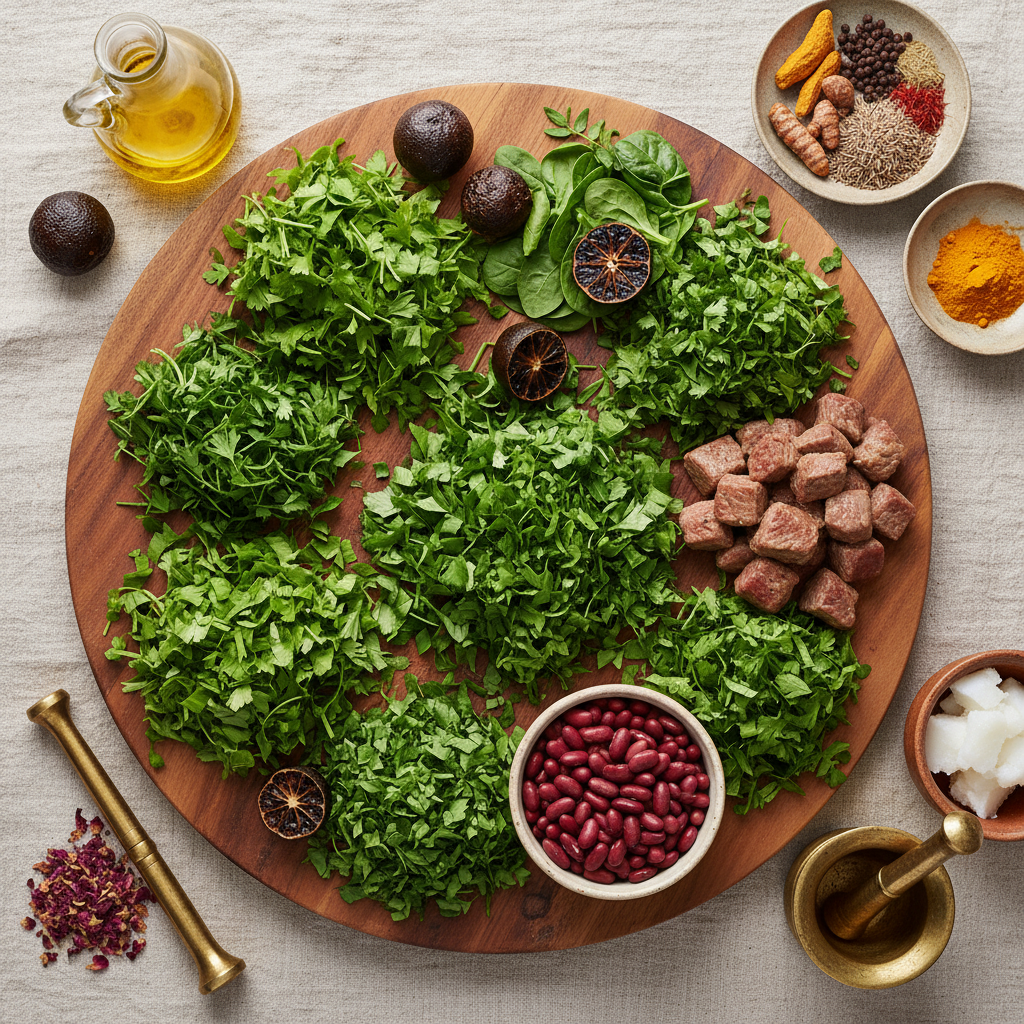
A traditional Gheimeh stew is primarily made with lamb, yellow split peas, tomato paste, dried lime, and an array of spices. The lamb is cooked until tender, and the peas are perfectly simmered to harmonize with the meat. The unique tang of dried lime and spices deepens the flavor. All ingredients are slowly simmered in a large pot, creating a rich and hearty dish.
Enjoying It Locally
There are many ways to enjoy Gheimeh stew in Iran. Traditionally, it is served with saffron-infused basmati rice and pairs beautifully with Iranian flatbread. Locals often share this stew during special occasions and family gatherings, accompanied by warm tea to complete the meal. Experiencing Gheimeh in this traditional manner offers a glimpse into the heart of Iranian culture and life.

Taste Profile
The taste of Gheimeh stew is deep and rich. The tender lamb's texture blends seamlessly with the savory yellow peas, while the distinct tang of dried lime balances the flavors. The umami of tomato paste and the aromatic spices fill the senses, providing a warm and comforting experience. This combination of flavors offers an experience beyond mere sustenance.
Tasting It in Korea
There are a few places in Seoul and the surrounding areas where you can taste authentic Gheimeh stew. 'Iran's House' in Itaewon, Seoul, offers genuine Iranian cuisine. 'Persian Palace' is known for serving a variety of traditional Iranian dishes. Lastly, 'Teheran' in Gangnam, Seoul, provides a wide range of Iranian dishes, including Gheimeh stew.
Making It at Home
It's possible to make a simple version of Gheimeh stew at home. You can substitute beef for lamb or add chickpeas for variety. Tomato paste, dried lime, and necessary spices are readily available online or at international food stores. By simmering all the ingredients slowly in a large pot, one can easily enjoy the traditional flavors of Iran at home.