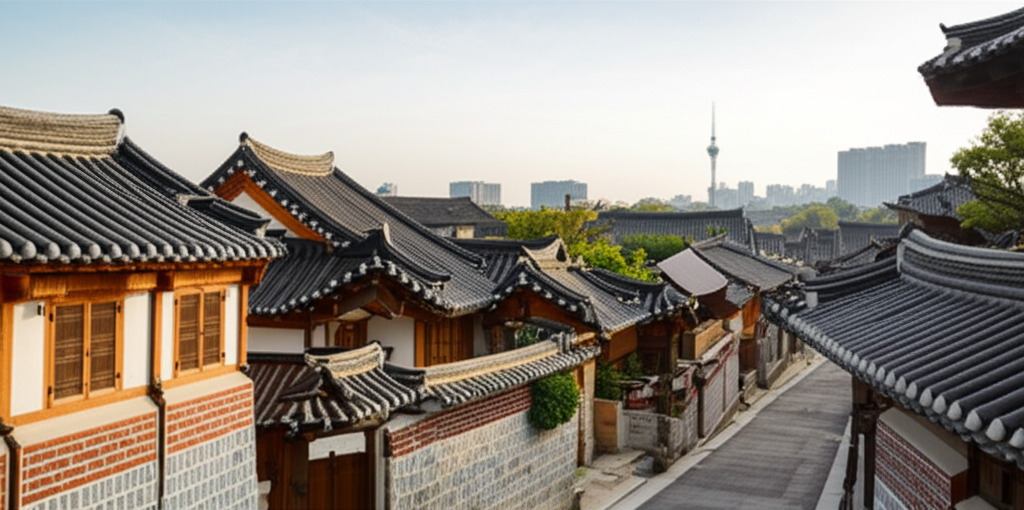
Hello, I am a travel blogger! If you're filled with excitement for your weekend getaway plans, pay attention to the place I'm introducing today. It's the Jeonju Hanok Village, a place that defies the flow of time and retains a serene beauty. This is not just a travel destination. It's a living museum where you can fully feel our spirit and breath through hundreds of traditional hanoks clustered together, and it's also a space that blends with modern sensibilities, making it attractive to young travelers. Jeonju Hanok Village offers a feast for the eyes and palate, where you can stroll in hanbok, capture memorable photos, and create unforgettable memories through traditional craft experiences. If you want to pause your busy life and immerse yourself in the leisure and beauty of tradition, Jeonju Hanok Village is the perfect choice. A perfect weekend with a hanok experience alongside a bowl of bibimbap, shall we embark on this journey together?
1. Why Jeonju Hanok Village is Special
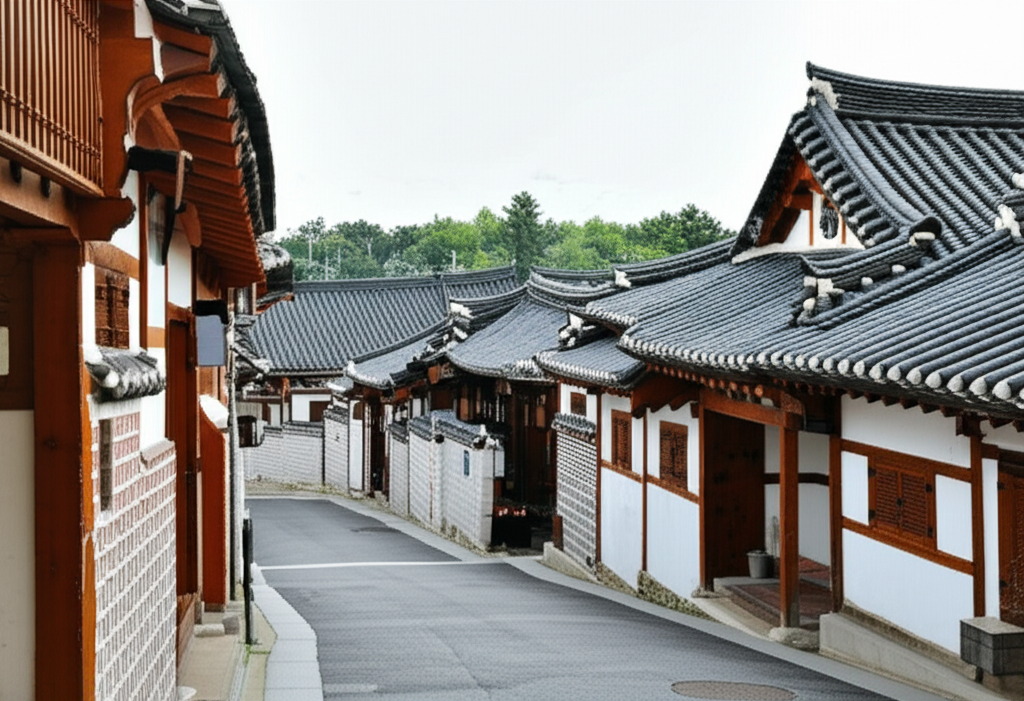
Jeonju Hanok Village is a traditional village in the city with about 700 hanoks, and its history dates back to the Japanese colonial period. When the Japanese expanded their residential area outside Jeonju Fortress after demolishing it in 1910, Koreans formed a hanok village in the Gyodong and Pungnam-dong areas to preserve national pride. This place holds the historical and cultural significance of Jeonju, the birthplace of the Joseon Dynasty and the hometown of King Taejo Lee Seong-gye. Most of the houses in the village are modern hanoks formed in the 1930s, showcasing the architectural beauty that pursued convenience in life along with traditional architectural styles. The curved tile roofs, beautiful eaves, and nature-friendly structures vividly display the wisdom and aesthetics of our ancestors. Today, it is recognized for its historical value and beauty, establishing itself as a representative tourist attraction in Korea.
2. History and Background
The uniqueness of Jeonju Hanok Village comes from its deep historical background. This is not just a place with old houses but a space imbued with the will of our ancestors to preserve our national identity during the dark times of Japanese colonial rule. Considering Jeonju's historical importance as the birthplace of the Joseon Dynasty and the hometown of King Taejo Lee Seong-gye, the hanok village becomes an even more meaningful place. Each of the hundreds of hanoks holds its own story, and the traditional structures like ondol, maru, and yards show the way of life of our people who lived in harmony with nature. Walking through here feels like a time travel experience, allowing you to rediscover the forgotten beauty of our heritage in a serene atmosphere. Jeonju Hanok Village, where the preservation of traditional culture and modern reinterpretation coexist, is a living history textbook and a beautiful work of art.
3. Recommended Courses (Half-day/Full-day)
Here are some recommended courses to fully enjoy Jeonju Hanok Village. Choose according to your time and preferences!
Half-day Course (Around 4 hours)
- Hanbok Experience & Capture Memorable Photos (1.5 hours): Rent a beautiful hanbok at the entrance of the village and capture beautiful memories in front of Gyeonggijeon and Jeondong Cathedral. Hanbok is a must-have item in Hanok Village!
- Visit Gyeonggijeon & Jeondong Cathedral (1 hour): Feel the grandeur of Gyeonggijeon, which enshrines the portrait of King Taejo Lee Seong-gye of Joseon, and the exotic charm of the beautiful Romanesque-style Jeondong Cathedral. The two places are right next to each other, making it convenient to move around.
- Street Food Tour (1.5 hours): Satisfy your senses by tasting various street foods hidden in the main street and alleys. There's nothing you can't find, from baguette burgers to octopus skewers and handmade choco pies!
Full-day Course (Over 6 hours)
- Morning: Hanbok Experience & Historical Tour (3 hours): Wear a hanbok and leisurely visit Gyeonggijeon and Jeondong Cathedral, just like the half-day course. Then, climb Omokdae and Imokdae to take in the panoramic view of the hanok village. The serene scenery will bring peace to your mind.
- Lunch: Explore Jeonju Bibimbap & Bean Sprout Soup Restaurants (1.5 hours): Since you're in Jeonju, you must try traditional bibimbap or refreshing bean sprout soup. Refer to the recommended restaurants below for a hearty lunch.
- Afternoon: Traditional Culture Experience & Relaxation (2.5 hours): Spend special time experiencing various traditional cultures like hanji crafts, pansori, and tea ceremonies, or enjoy a moment of relaxation with a cup of tea at a serene hanok cafe. Exploring hidden alleys and checking out quaint shops is also quite enjoyable.
4. Recommended Restaurants and Food Spots
Culinary delights are an essential part of a trip to Jeonju! Here are some of Jeonju's representative restaurants boasting long traditions and deep flavors.
1. Hangukjip (Hanok Village Main Branch)
- Menu and Price Range: Jeonju Bibimbap (15,000 won), Stone Pot Bibimbap (16,000 won), Raw Beef Bibimbap (20,000 won). It's a place where you can taste the essence of bibimbap, with a perfect harmony of neat side dishes and fresh ingredients.
- Features: As a restaurant that has been serving Jeonju bibimbap for three generations since 1952, its taste and reputation are well-known enough to be featured in the Michelin Guide. If you want to experience the traditional taste in a classic hanok setting, this is the place to go.
2. Hyundaeok (Hanok Village Branch)
- Menu and Price Range: Jeonju Nambu Market Style Bean Sprout Soup (8,000 won), Boiling Style Bean Sprout Soup (8,000 won), Moju (2,000 won per glass). The refreshing and clean taste is perfect for a hangover or a hearty meal.
- Features: As one of the two major bean sprout soup spots in Jeonju, Hyundaeok is famous for its hot broth and crunchy bean sprouts. Adding a bit of broth to the soft-boiled egg and mixing it with seaweed enhances the flavor even more.
3. Gilgeoriya (Baguette Burger)
- Menu and Price Range: Baguette Burger (5,000 won). It's a convenient meal with spicy and sweet sauce, vegetables, and meat inside a baguette, perfect for a meal.
- Features: A representative street food of Jeonju Hanok Village! It's so popular that people line up to eat it, and it's perfect for a quick bite while exploring Hanok Village. The spicy taste is addictive.
5. Nearby Cafes/Rest Areas
While walking around Hanok Village, you might want to rest your legs or take a break. Here are some cafes and rest areas where you can enjoy a cup of tea in a serene atmosphere.
1. Gyodong Dawon
- Features: A traditional tea house that retains the charm of a hanok. Sitting on the floor and looking at the serene garden while sipping fragrant traditional tea will make you feel relaxed in both body and mind. Enjoy Jeonju to the fullest with healthy teas like jujube tea and omija tea. It's slightly away from the bustling main street of Hanok Village, allowing for a quieter and more peaceful time.
2. Cafe Jeonmang (Observation Deck Cafe)
- Features: As the name suggests, this cafe boasts a fantastic view of the entire Hanok Village. The sunset and night view of Hanok Village are truly spectacular. It's the perfect place to unwind from your travels while enjoying the beautiful scenery with a refreshing drink. Capture the scenery of red tiled roofs and blue skies of Hanok Village in your eyes and focus on relaxation for a moment.
3. Omokdae & Imokdae Pavilion
- Features: Although not a cafe, it's a free rest area where you can enjoy the most beautiful view of Hanok Village. When you climb Omokdae, you can see the magnificent sight of hundreds of hanok roofs layered together. Sit in the pavilion for a moment, feel the breeze, and take in the beauty of Hanok Village with your eyes and heart. The sunset and night view from Omokdae will leave an unforgettable impression.
🚗 Parking Information
| Parking Lot | Address | View Map |
|---|---|---|
| Jeonju Hanok Village No.1 Public Parking Lot | 100-1, Namnosong-dong, Wansan-gu, Jeonju-si, Jeollabuk-do | Kakao Map | Naver Map |
| Jeonju Hanok Village No.2 Public Parking Lot | 44-1, Pungnam-dong 2-ga, Wansan-gu, Jeonju-si, Jeollabuk-do | Kakao Map | Naver Map |
| Jeonju Hanok Village Street Public Parking Lot | San 1-11, Gyodong, Wansan-gu, Jeonju-si, Jeollabuk-do | Kakao Map | Naver Map |
6. Transportation (Public Transport + Car)
Here is a guide to convenient transportation options to Jeonju Hanok Village.
Using Public Transport
- KTX/ITX (Train): It takes about 1 hour and 40 minutes to 2 hours from Seoul Yongsan Station to Jeonju Station by KTX. After arriving at Jeonju Station, you can take a city bus (12, 60, 79, 119, 142, 508, 536, 546, etc.) towards Hanok Village or a taxi (about 15 minutes, fare around 7,000 won).
- Express/Intercity Bus: It takes about 2 hours and 40 minutes to 3 hours from Seoul Gangnam Central City Terminal or Dongseoul Terminal to Jeonju Express Bus Terminal. After arriving at the terminal, you can take a city bus (5-1, 5-2, 79, 87, etc.) towards Hanok Village or a taxi (about 10 minutes, fare around 6,000 won). Using the intercity bus terminal, which is closer to Hanok Village than the express bus terminal, is also a good option.
Using a Car
- Navigation Address: 99, Girin-daero, Wansan-gu, Jeonju-si (Hanok Village Public Parking Lot) or 29, Eojin-gil, Wansan-gu, Jeonju-si (Gyeonggijeon)
- Travel Time: It takes about 2 hours and 30 minutes to 3 hours from Seoul (may vary depending on traffic conditions). Use the Honam Expressway.
- Parking Information: Jeonju Hanok Village is very crowded on weekends and holidays, so public transportation is recommended. If you use a car, you should use public parking lots near Hanok Village (Jeonju Hanok Village Public Parking Lot, Omokdae Public Parking Lot, Nambu Market Riverside Parking Lot, etc.). Parking spaces are limited, and fees may apply, so it's best to check in advance before visiting.
7. Tips and Precautions
Here are some tips and precautions to make your trip to Jeonju Hanok Village more enjoyable and safe!
Travel Tips
- Hanbok is a Must!: It's the best way to capture memorable photos against the beautiful backdrop of Hanok Village. Rent a hanbok with various designs and create special memories.
- Visit on Weekdays: It's hard to enjoy a leisurely atmosphere on weekends due to the crowds. If possible, visit on weekdays to experience the true charm of the serene Hanok Village.
- Explore the Alleys: Explore the quaint alleys hidden throughout Hanok Village, not just the main street. Discovering unexpected beautiful scenery or hidden restaurants and cafes is quite fun.
- Find a Good Viewpoint: Don't forget to go to places like Omokdae or 'Cafe Jeonmang' to enjoy the beautiful skyline of the entire Hanok Village. The sunset view is especially breathtaking.
Precautions
- Book Accommodation in Advance: If you're planning a hanok stay, especially on weekends or during peak season, rooms fill up quickly, so it's best to book at least a month in advance.
- Wear Comfortable Shoes: Since there are many places to explore on foot in Hanok Village, wearing comfortable shoes is important. While pretty flower shoes that match your hanbok are nice, make sure to bring comfortable shoes for your feet.
- Be Considerate of Residents: Hanok Village is a living space where actual residents live. Please refrain from making loud noises or causing disturbances late at night.
- Dispose of Trash Properly: You'll enjoy a lot of street food, so please dispose of trash in designated places to keep the beautiful village clean.
Jeonju Hanok Village is more than just a tourist destination; it's a special space where the beauty of our tradition and the convenience of modernity coexist. We hope you create your own precious and beautiful memories here. Plan your trip to Jeonju, filled with delicious food, stunning scenery, and the warmth of friendly people, right now!