✨ What is Dill?
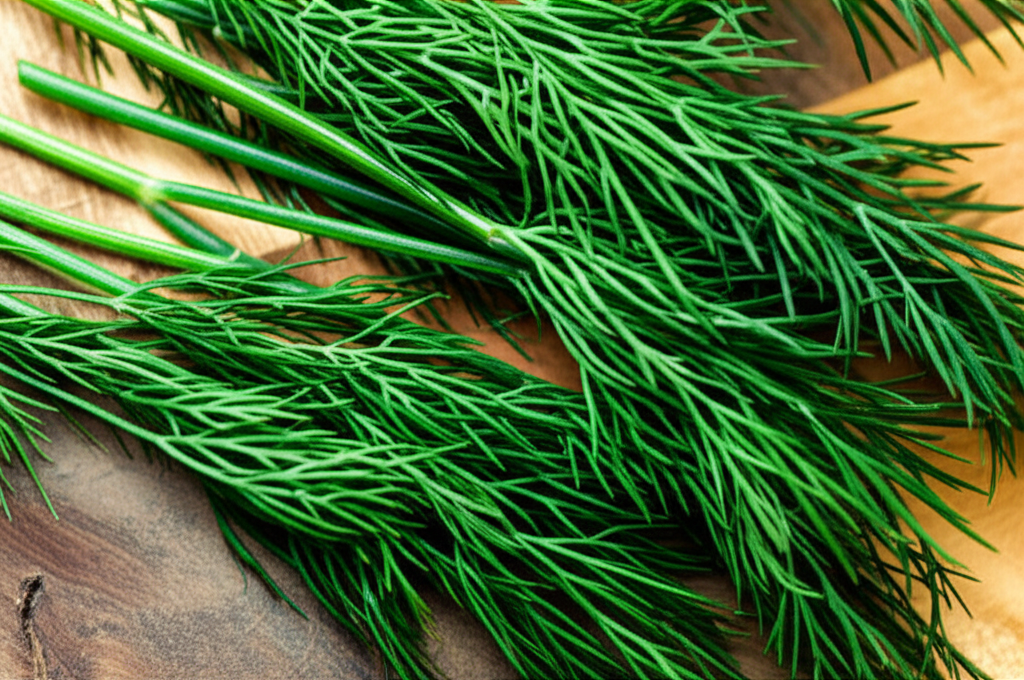
Dill is an annual or biennial herb belonging to the parsley family, characterized by its delicate, feathery leaves and distinctive aroma. Its name is derived from the Old Norse word 'dylla,' meaning 'to soothe,' indicating its historical use for calming purposes. Originating from Northern Europe and Western Asia, dill is particularly beloved in the Scandinavian countries, where it's almost considered a national herb. Fresh dill offers a complex fragrance that is fresh, slightly anise-like, with hints of lemon and parsley, adding a unique depth to dishes. The seeds of dill also provide a different, more intense and warm aroma, often used in pickles, breads, and sauces. The vibrant green, delicate leaves also contribute to the visual appeal of dishes, bringing liveliness and freshness to any table. Dill is not merely a culinary ingredient; it's a magical herb that seems to embody the crisp air and natural energy of Northern Europe, offering a truly special experience.
📜 History of Dill
The history of dill dates back to ancient Egypt. Around 1500 BC, Egyptian papyrus records mention dill as a medicinal plant, and in Roman times, warriors were said to wear dill wreaths as a symbol of victory. Dill has been cultivated and cherished primarily in Northern Europe for a long time. Vikings reportedly used dill to aid digestion and relieve fatigue during their voyages, and in medieval Europe, it was believed to protect against magic and ward off evil spirits. Especially in Scandinavian countries, dill became deeply embedded in culture and daily life, going beyond a mere spice. It became an essential ingredient in salmon dishes, various pickled foods, and soups, thus becoming a symbolic presence in Northern European culinary culture. As spice trade flourished, dill gradually spread across Europe and has now become a globally beloved herb. Dill is more than just an ingredient; it's a precious heritage that has accompanied human life through thousands of years of history.
🌟 Why Dill is special
Dill possesses a unique charm that clearly distinguishes it from other herbs. Its complex fragrance—fresh, cool, and even slightly sweet—cannot be replicated by any other herb, making dill truly special. Its pairing with fish, especially salmon, is nothing short of miraculous. Dill's refreshing aroma effectively neutralizes fishiness and enhances the flavor, making it an indispensable ingredient in Northern European salmon dishes. Furthermore, dill is irreplaceable in pickles and preserved foods. Its distinct scent not only keeps vegetables fresh but also adds a unique taste and aroma, making pickles more delicious. The delicate yet distinct presence of dill's aroma adds depth to dishes, which is why it's loved across various culinary cultures, from Mediterranean to Eastern European and Northern European cuisines. Visually, its slender green leaves offer the special advantage of adding elegance and freshness to any meal. Dill, with its combination of taste, aroma, and visual appeal, is truly a special herb that enriches any dining experience.
🍳 Cooking with Dill
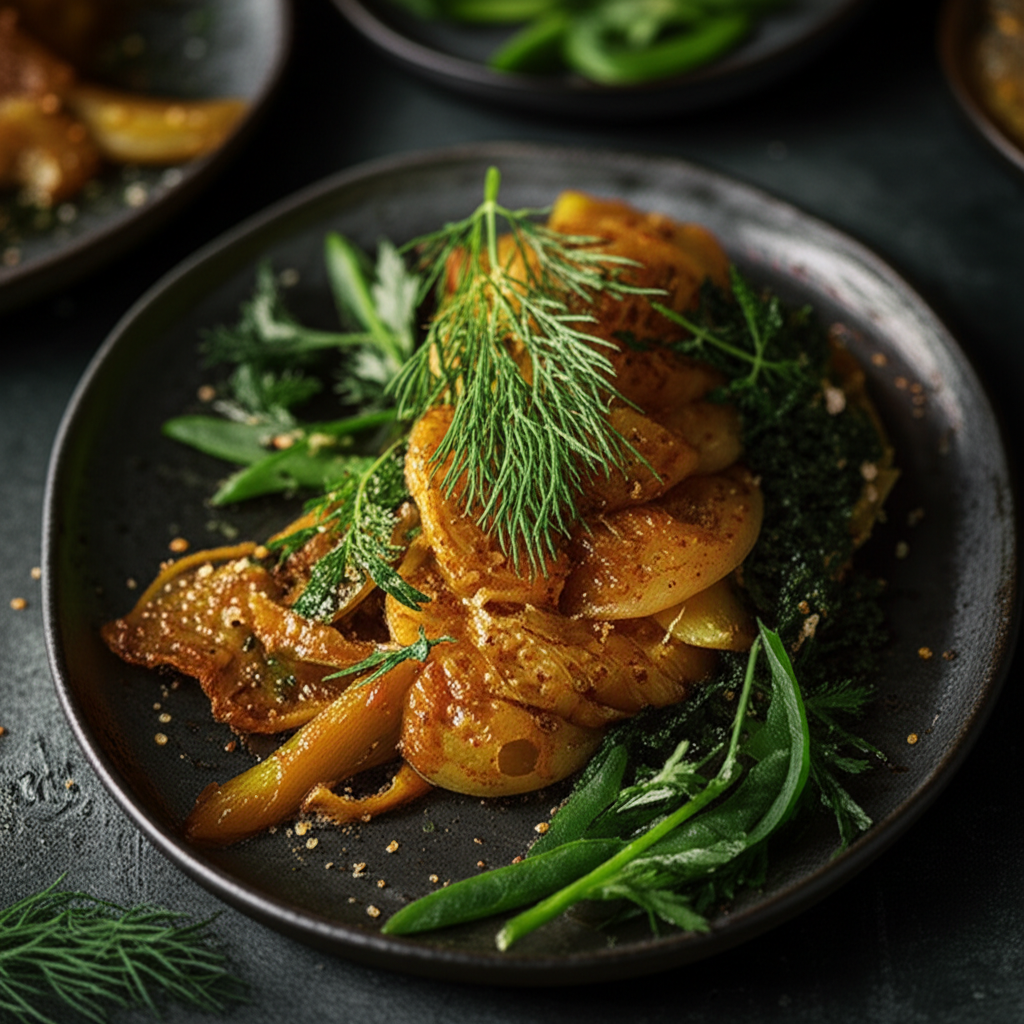
Dill is captivating on its own, but its true potential shines when incorporated into various dishes. Fresh dill is best added at the final stage of cooking to preserve its aroma, or mixed into dressings and sauces. Dried dill or dill seeds are excellent for stews and pickles that require longer cooking times.
- 1. Salmon Steak with Dill Cream Sauce: Serve grilled salmon with a creamy sauce infused with finely chopped dill and a squeeze of lemon juice. The freshness of dill beautifully complements and enhances the salmon's flavor, offering a gourmet touch.
- 2. Cucumber Dill Salad: Thinly sliced cucumbers mixed with plain yogurt, lemon juice, and chopped fresh dill, seasoned with salt and pepper, create a refreshing and light summer salad. The bright dill aroma is incredibly appetizing.
- 3. Dill Pickles: Pickle various vegetables like cucumbers or cabbage in a brine of vinegar, water, sugar, salt, and crucially, dill seeds and fresh dill stems. This will create delicious pickles with dill's signature aroma.
Beyond these, you can add fresh dill to potato salads, yogurt dressings, soups, and sandwiches to impart a special fragrance to any dish. Dill will infuse your cooking with a fresh breeze from Northern Europe.
💪 Health Benefits
Dill is more than just a spice; it offers a range of health benefits, many of which have been scientifically proven. Dill has been used medicinally since ancient times.
- 1. Digestive Aid: The essential oils in dill help aid digestion and relieve gastrointestinal spasms. It can reduce gas and bloating, contributing to comfort after meals. This is particularly useful for those who frequently experience indigestion.
- 2. Antioxidant Properties: Dill is rich in powerful antioxidants like flavonoids and monoterpenes, which help eliminate free radicals in the body and prevent cell damage. This positively impacts anti-aging and boosts immunity.
- 3. Antimicrobial and Anti-inflammatory Effects: Dill extract possesses antimicrobial properties that inhibit the growth of various bacteria and also contains anti-inflammatory compounds that help reduce inflammation. It can even contribute to oral health.
- 4. Sleep Promotion: Dill's calming effects can help improve insomnia and promote restful sleep. A warm cup of dill tea can relax the mind and body, leading to a more peaceful night. It's also great for stress relief.
- 5. Blood Sugar Control: Some studies suggest that dill may have a positive impact on lowering blood sugar levels. This could be good news for individuals interested in managing their diabetes.
As such, dill is a remarkable herb with amazing benefits that help keep our bodies healthy.
🛒 Where to Buy & Storage
Purchasing fresh dill is a crucial step that can significantly impact the taste of your dishes. Choosing vibrant dill and storing it correctly are key to enjoying its aroma and flavor to the fullest.
🌱 Where to Buy
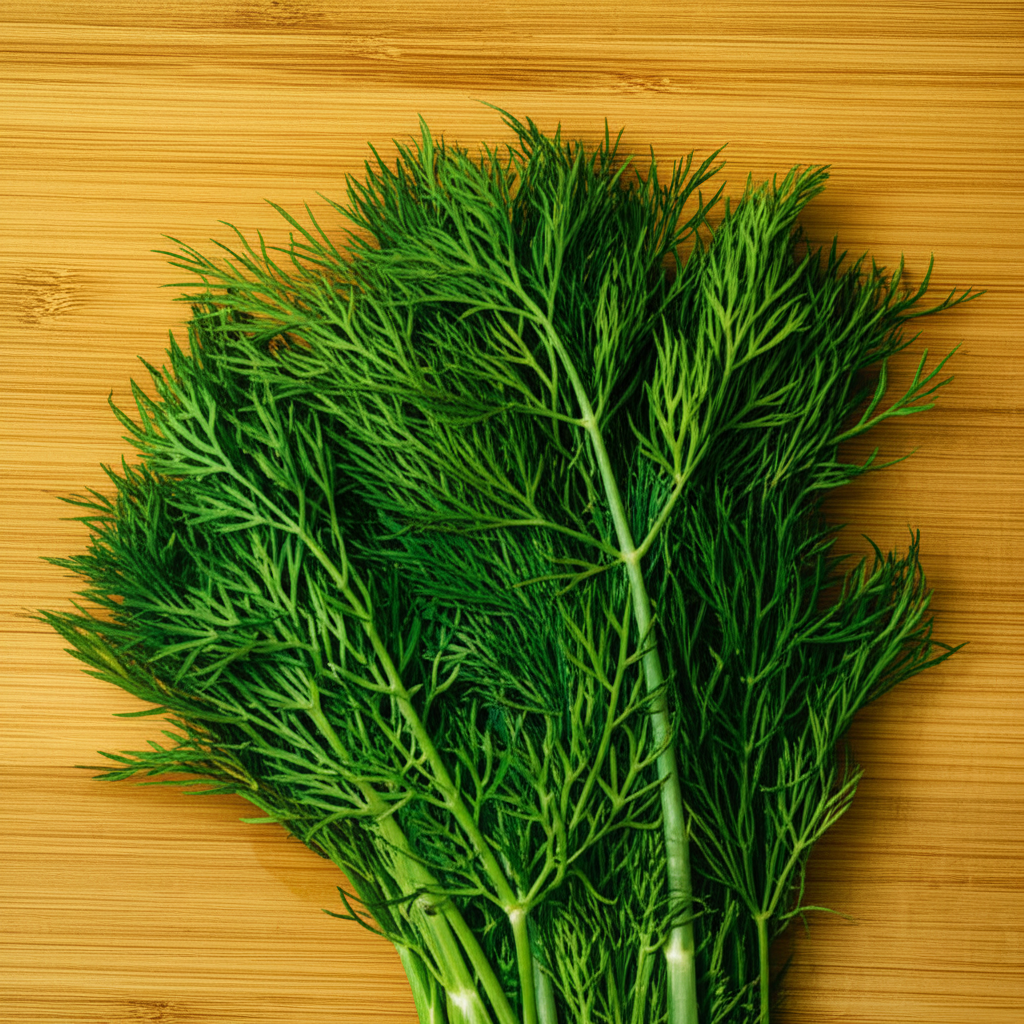
- Offline: You can easily find fresh dill in the fresh produce sections of large supermarkets, department store food halls, and organic specialty stores. It's important to choose dill with green, vibrant leaves that are not wilted or discolored yellow. Look for firm stems and a strong aroma.
- Online: Many online grocery stores also offer fresh dill. Be sure to check the delivery condition and choose a reliable seller. Dried dill or dill seeds are readily available in general spice aisles, and products stored in glass jars tend to maintain their freshness longer.
🌬️ Storage Tips
- Fresh Dill: Fresh dill can be somewhat tricky to store. You can keep it fresh for a few days by placing the stems in water in a small glass and refrigerating, or by wrapping it in damp paper towels and storing it in a plastic bag in the refrigerator. For longer storage, finely chop it and freeze it with olive oil in an ice cube tray, which is an effective method.
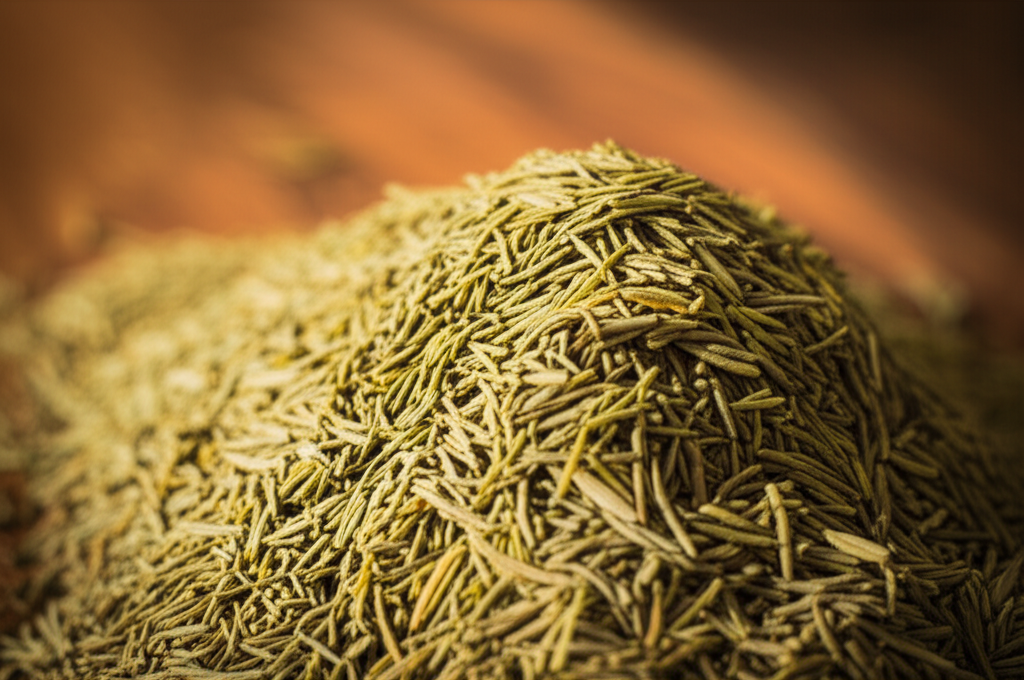
- Dried Dill/Dill Seeds: Store in an airtight container in a cool, dry place to use for a long time. Protecting it from light and moisture is crucial for preserving its aroma. It's best to check the expiration date and use it as soon as possible for optimal flavor.
Enjoy the fresh aroma of dill for a long time with proper storage methods!