The Allure of Thyme
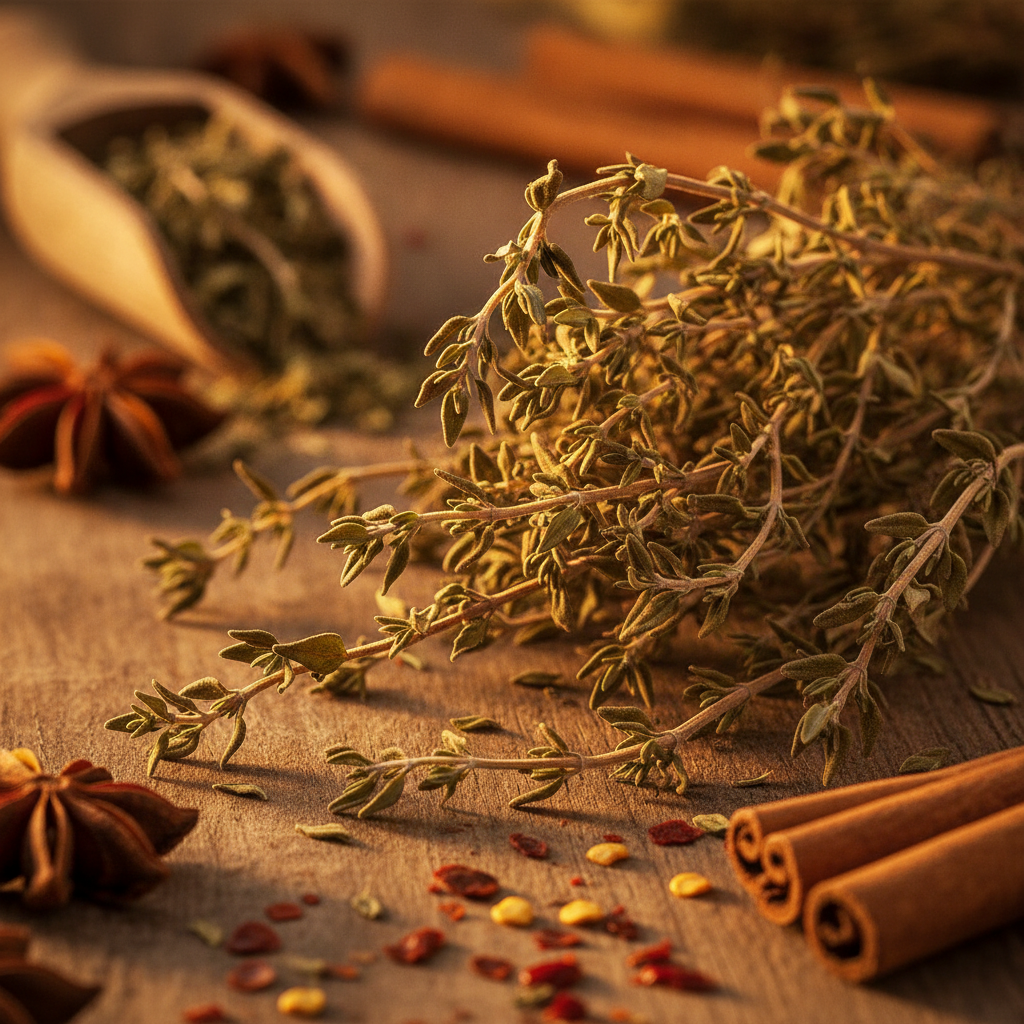
A small miracle blossoming from the arid Mediterranean soil—that is thyme. The concentrated scent of time, held within each deep green leaf, possesses a magic that, upon brushing the nostrils, evokes forgotten fragments of memory. Thyme's fragrance is not merely intense or refreshing; it simultaneously embraces the earthy essence, the warmth of sunlight, and a profound depth as if aged over a long period. When you rub a freshly picked sprig of thyme between your fingers, a complex blend of grassy notes, a refreshing yet subtle woody aroma, and an intriguing spicy aftertaste stimulate the senses. This is due to the terpenoid compounds in thyme, particularly thymol and carvacrol, which create a unique aroma that no other spice can imitate—thyme's signature. Its scent, which becomes even more concentrated during cooking, enhances the flavor of meats, delicately envelops the earthiness of vegetables, and infuses soups and stews with the deep spirit of the Mediterranean. Thyme, much like an ancient tree that grows more beautiful with time, leaves a powerful impression while harmoniously blending with other ingredients. It is, truly, a captivating spice.

History and Spice Trade
The history of thyme dates back to the dawn of human civilization. Ancient Egyptians used thyme in their mummification process, highly valuing its preservative and antiseptic properties. In ancient Greece, it was considered a herb symbolizing courage and vitality; warriors would bathe with thyme or inhale its scent before battle to invoke bravery. The name 'thyme' itself derives from the Greek word 'thymos,' meaning both 'smoke' or 'fragrance' and 'courage.' Romans spread thyme throughout Europe, expanding its uses. During the Middle Ages, it was believed that placing thyme under the bed would ward off nightmares and ensure sound sleep, and it was also attributed with magical properties for protection against witches and fairies. While exotic spices like pepper and cinnamon gained prominence with the Age of Exploration, thyme consistently held its place in European kitchens and medicine. Although it didn't receive the same grand spotlight in large-scale trade, it was cultivated and exchanged on a smaller scale in monasteries and homes across Europe, proving its enduring value as a spice deeply rooted in daily life. This was due to thyme's practicality and accessibility, serving as an excellent substitute for expensive imported spices while offering its own superb flavor, truly embodying the role of a 'people's spice.'

Origin and Cultivation
Thyme's homeland is the Mediterranean coast. The scorching sun, dry and barren soil, and salty sea breezes are the environments thyme loves most. Southern European countries like Spain, France, Italy, and Greece are considered optimal for thyme cultivation. Wild thyme is commonly found on rocky hillsides or dry pastures, its robust vitality maintaining green life even in arid lands. Thyme grows as a small, low-lying shrub with tiny, dense leaves and woody stems. Its cultivation process is relatively simple. Thyme is very fond of sunlight, requiring at least six hours of direct sun daily. It prefers well-drained sandy soil, and overwatering can lead to root rot, so caution is needed. It can be propagated by seeds or cuttings, grows quickly, and is resistant to pests and diseases, making it easy for novice gardeners to cultivate. Harvesting typically occurs just before flowering, when the leaves' aroma is most concentrated. Stems are cut, bundled, and hung upside down in a well-ventilated, shaded area to air dry naturally. During this process, thyme loses moisture, and its leaf aroma becomes more concentrated, transforming it into the dried thyme we encounter at the table. The harsh Mediterranean environment's gift to thyme—its resilience and concentrated fragrance—is thus fully delivered to us through cultivation and harvesting.

Culinary Applications
Thyme is the very heart of Mediterranean cuisine. Its fragrance, not overly intense yet distinctly present, creates remarkable harmony with various ingredients. Thyme is an indispensable component, especially in meat dishes like chicken, pork, and lamb. When roasting chicken, tucking sprigs of thyme into the cavity, or adding thyme with butter to the pan when searing steak, allows the aromatic compounds to release under heat, infusing the juicy meat with deep flavor. Thyme also pairs wonderfully with roasted root vegetables like potatoes, carrots, and pumpkin. Tossed with olive oil and roasted in the oven, it enhances the vegetables' natural sweetness while imparting a distinctly Mediterranean aroma. Try adding thyme to soups, stews, and bean dishes. A sprig or two in lentil soup or white bean stew can elevate a rich, hearty flavor with a fresh herbal note, creating an even more satisfying dish. It's an essential ingredient in the French 'bouquet garni' and in Italian cuisine, it complements tomato sauces and pizzas, balancing their tangy and savory notes. Thyme also pairs well with fish, especially white fish; baking it with lemon and thyme removes any fishy odor and delivers a clean flavor. In this way, through its delicate harmony, thyme is a magical spice that imbues any dish with a special taste, as if infused with the warm sun and winds of the Mediterranean.
Health Benefits
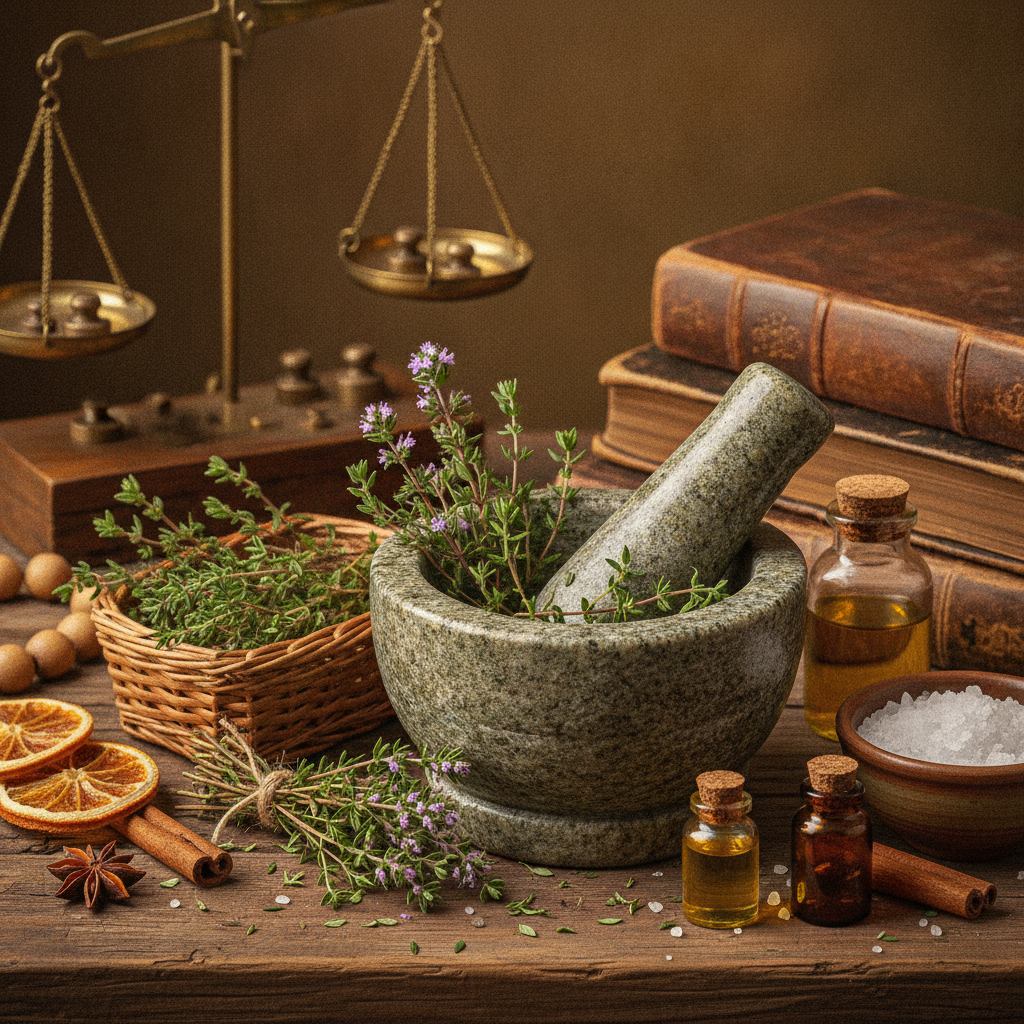
Thyme is more than just a spice; it has been highly valued as a medicinal plant throughout history. From ancient times to the present, thyme's various health benefits have been consistently proven through traditional medicine and scientific research. Thyme's most prominent benefit is its powerful antibacterial and antiviral action. Its main components, thymol and carvacrol, possess excellent capabilities against bacteria, fungi, and viruses, helping to prevent and alleviate respiratory illnesses like colds and flu. Indeed, thyme extract is a key ingredient in many medicines used to relieve symptoms of coughs, sore throats, and bronchitis. Furthermore, thyme is effective in aiding digestion. It alleviates digestive problems such as indigestion, bloating, and gas, and promotes intestinal motility, improving digestive efficiency. Rich in antioxidants, it eliminates free radicals in the body, prevents cell damage, and contributes to strengthening immunity. Recent studies also suggest that thyme may help lower blood pressure and improve cardiovascular health. It also has a calming effect on the nervous system, potentially aiding in stress relief and improving insomnia, and is used in aromatherapy to enhance concentration and uplift mood. Thus, thyme can be considered a precious gift from nature that positively impacts various parts of our body.
Buying & Storing Tips
Choosing good quality thyme is a crucial step that can significantly influence the taste of your dish. When buying fresh thyme, look for vibrant, deep green leaves that show no signs of wilting or yellowing. The stems should be firm, and when gently rubbed between your fingers, a strong, refreshing aroma should be clearly evident. For dried thyme, choose a product that maintains a natural green color, has minimal crumbs, and a lively fragrance. Be wary of dried thyme that is too old or has been exposed to moisture, as its aroma may weaken, or mold may develop. Fresh thyme can be kept fresh for longer with proper storage. The best method is to place thyme sprigs in water, like a bouquet in a vase, and store them in the refrigerator. Be careful not to let the leaves touch the water, and change the water once or twice a week; this can keep them fresh for 1-2 weeks. Alternatively, wrap them in a damp paper towel, seal them in a plastic bag, and refrigerate. For long-term storage, finely chop clean, dry thyme and freeze it with olive oil in an ice cube tray, making it convenient to use whenever needed. Dried thyme should be stored in an airtight container, away from direct sunlight, in a cool, dry place. Proper storage will preserve thyme's aroma and flavor to their fullest, enhancing your culinary creations.

Recommended Recipes
1. Thyme Herb Butter Roasted Chicken
Ingredients: 4 boneless, skin-on chicken thighs, 5-6 sprigs fresh thyme, 50g unsalted butter, 3 cloves garlic, ½ lemon, salt, pepper
Instructions:
- Score the chicken thighs and season with salt and pepper.
- Strip the leaves from the fresh thyme sprigs and thinly slice the garlic. Cut the lemon into wedges.
- Melt the butter in a pan, then add the sliced garlic and thyme leaves to infuse the flavor.
- Place the seasoned chicken thighs skin-side down in the pan over medium heat and cook until golden brown.
- Flip the chicken and cook the other side. When the chicken is almost cooked through, add the lemon wedges and baste the chicken with the butter sauce.
- Once golden brown and cooked, transfer to a plate and serve warm. The freshness of thyme and lemon enhances the chicken's flavor.
2. Thyme Lemon Vinaigrette Salad
Ingredients: A handful of mixed salad greens, 5-6 cherry tomatoes, ¼ cucumber, ⅛ red onion, a little feta cheese (optional)
Vinaigrette Ingredients: 3 tablespoons extra virgin olive oil, 1 tablespoon lemon juice, 1 teaspoon finely chopped fresh thyme, ½ teaspoon honey, salt, pepper
Instructions:
- Wash the salad greens thoroughly and remove excess water. Halve the cherry tomatoes and thinly slice the cucumber and red onion.
- In a small bowl, combine all vinaigrette ingredients and mix well.
- Arrange the prepared salad greens and toppings in a bowl, then drizzle with the vinaigrette and toss gently.
- Optionally, sprinkle with feta cheese for extra flavor. The fragrant thyme adds a touch of Mediterranean freshness to the salad.