✨ What is Tarragon?
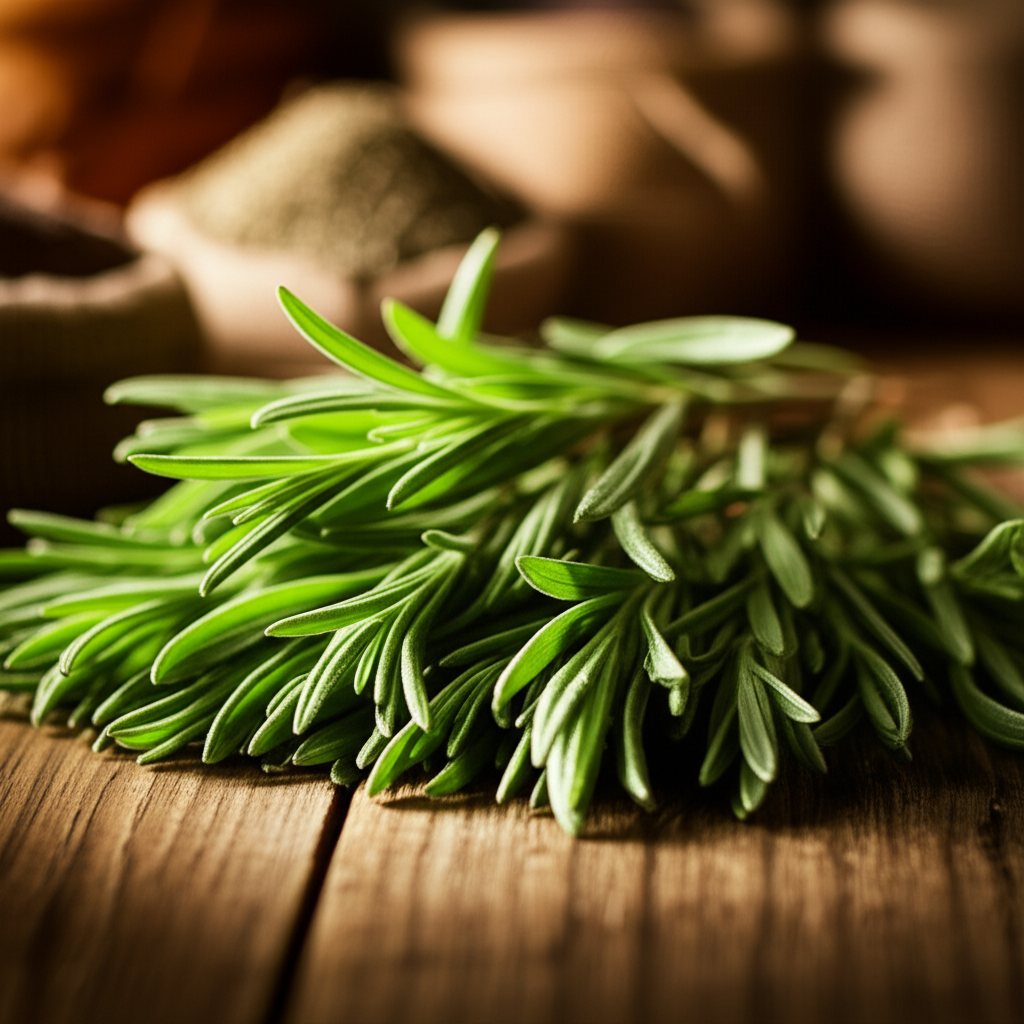
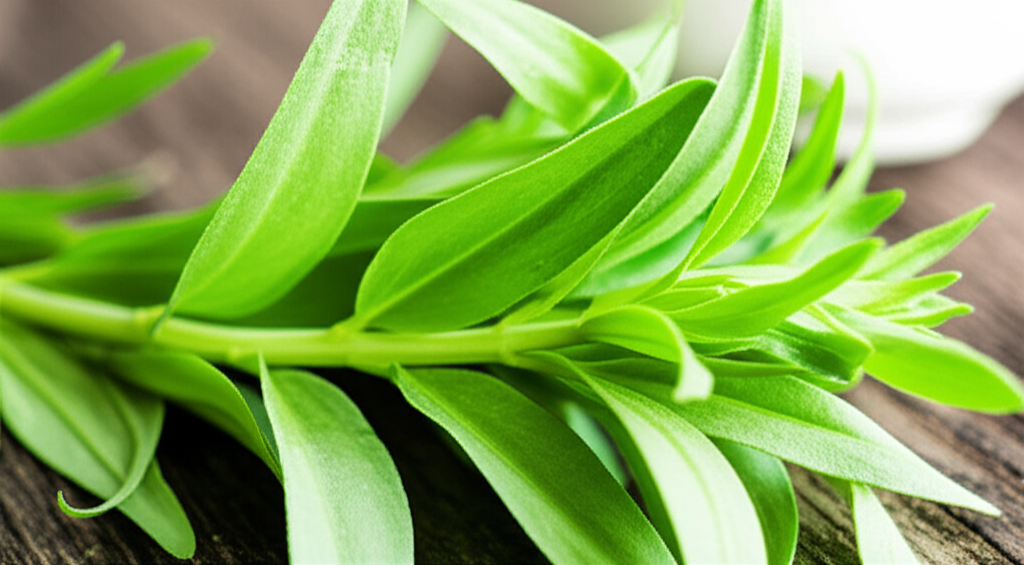
Tarragon, a cornerstone of French gastronomy, is an elegant herb whose very name evokes a subtle fragrance. Scientifically known as 'Artemisia dracunculus', its name is thought to derive from the Latin 'dracunculus', meaning 'little dragon', possibly due to its serpent-like roots or its historical use as an antidote for snake bites. Its long, slender leaves are a vibrant dark green, offering a complex yet refined flavor profile that combines delicate anise notes with a peppery warmth, a hint of sweetness, and a very subtle bitterness. Rather than aggressively dominating a dish, tarragon excels at enhancing and elevating the overall taste and aroma, which is its true charm. Fresh tarragon exudes a lively aroma, while dried tarragon, with its concentrated flavor, adds depth to a wide array of dishes.
📜 History of Tarragon
Tarragon has been valued as a medicinal herb since ancient times, with its history tracing back to the 1st century AD. Arab physicians utilized tarragon to aid digestion and stimulate appetite, and it is widely believed to have been introduced to Europe during the Crusades. In France, tarragon cultivation gained significant traction from the 16th century onwards, establishing itself as a crucial element of the nation's culinary culture. French chefs discovered that tarragon's distinctive aroma harmonized remarkably well with various ingredients like meats, seafood, and eggs. Consequently, tarragon became an indispensable component of classic French sauces such as Béarnaise. The journey of this 'little dragon' herb, from a medicinal plant to a magical spice enriching tables worldwide, is a fascinating historical narrative in itself.
🌟 Why Tarragon is special
Among countless herbs and spices, tarragon stands out for its unique 'balance' and 'sophistication'. Unlike robust herbs such as rosemary or thyme, tarragon doesn't assert itself forcefully; instead, it gently embraces the flavors of a dish with its delicate and elegant aroma, fostering overall harmony. This characteristic perfectly aligns with the French culinary philosophy, which highly values subtle taste balance. Tarragon's anise-like notes add a fresh and bright accent to potentially fishy seafood or chicken dishes, and provide a clean counterpoint to rich, butter-based sauces. Moreover, tarragon is one of the few herbs that imparts its best flavor when fresh, and it's typically added towards the end of cooking to fully capture its vibrant aroma. Thanks to this distinctive profile, tarragon is recognized not merely as a seasoning but as a crucial element that defines the elegance of a dish.
🍳 Cooking with Tarragon
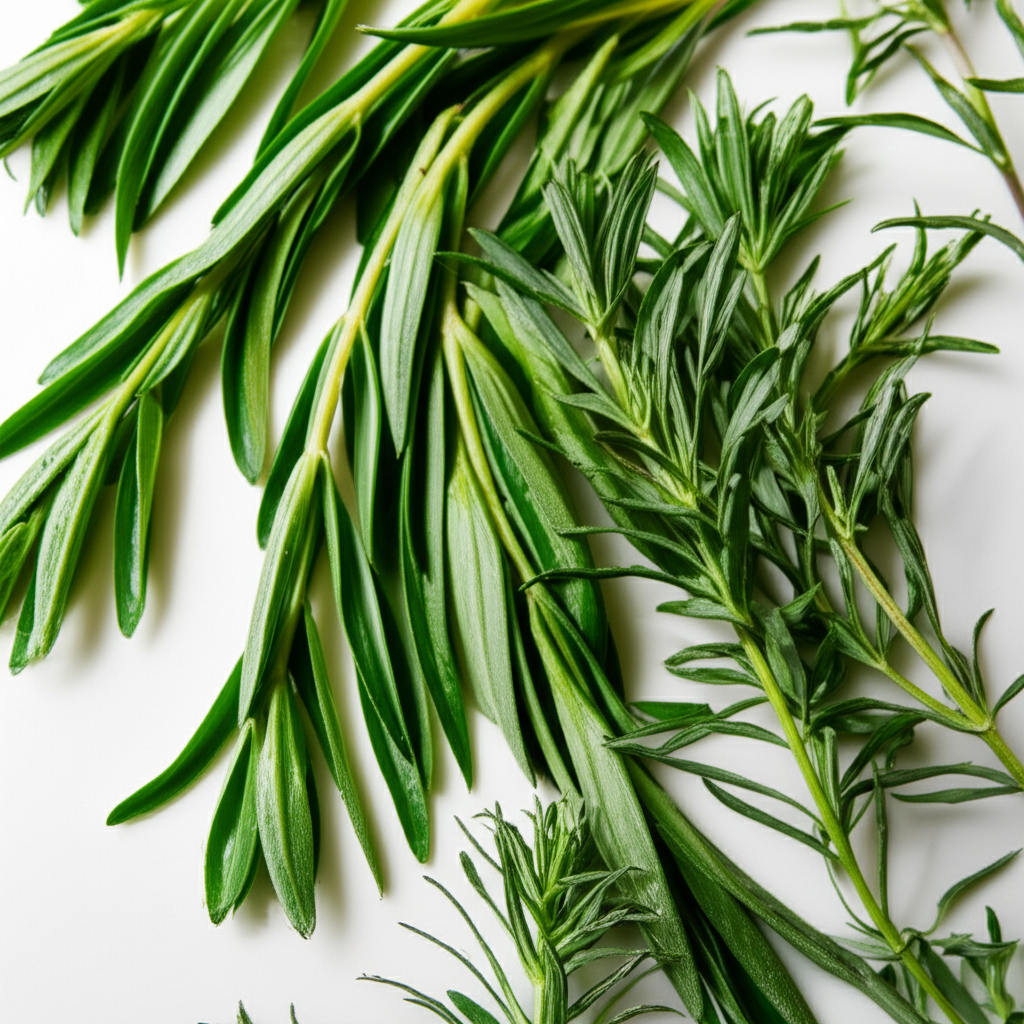
- Tarragon Herb Butter: Combine softened room-temperature butter with finely chopped fresh tarragon, lemon zest, salt, and pepper. Spread it on steaks, grilled fish, or bread, or melt it over vegetables for an exquisite touch. Stored in the refrigerator, it's a convenient flavor booster for any meal.
- Tarragon Vinaigrette: Whisk together olive oil, white wine vinegar, minced tarragon, Dijon mustard, salt, and pepper for a fresh salad dressing. It's also excellent for marinating chicken or fish, offering a refreshing and aromatic flavor that awakens the palate. Making your own tarragon vinegar is also a great way to incorporate its flavor.
- French Tarragon Chicken: Season chicken pieces with salt and pepper, then sear them golden brown in butter. Deglaze the pan with white wine, then add chicken broth, heavy cream, and plenty of fresh tarragon to create a rich, fragrant sauce. Simmer until cooked through. Serve with rice or pasta for a perfect French home-style meal.
Beyond these, tarragon elevates the flavor of omelets, scrambled eggs, potato salads, and a variety of sauces, truly enhancing the culinary experience.
💪 Health Benefits
Tarragon is celebrated not only for its exceptional flavor but also for its diverse health benefits. Traditionally used to aid digestion and stimulate appetite, these properties are now supported by modern scientific research. Tarragon is rich in powerful antioxidants, such as flavonoids and coumarins, which help neutralize free radicals in the body and protect against cellular damage. Furthermore, it possesses anti-inflammatory and analgesic properties, potentially contributing to the relief of arthritis or muscle pain. Some studies suggest that tarragon may positively influence blood sugar regulation, indicating its potential utility in diabetes management. It also contains essential vitamins like A and C, along with minerals such as iron, magnesium, and potassium, all of which contribute to overall immune system strengthening and health maintenance. Thus, tarragon is more than just a spice; it's a valuable gift from nature that supports our well-being.
🛒 Where to Buy & Storage
Fresh tarragon is typically available from spring through autumn at farmers' markets, the herb sections of large supermarkets, and department store food halls. It's important to choose bundles with vibrant, crisp leaves. Dried tarragon can be easily purchased from the spice aisle of general supermarkets or specialized online stores, with various brands offering different forms. Due to its delicate aroma, proper storage of tarragon is crucial. To keep fresh tarragon vibrant, wrap it lightly in a damp paper towel, then place it in a plastic bag or airtight container in the refrigerator; it should stay fresh for about a week. For longer storage, wash and dry the leaves, chop them finely, mix with olive oil, and freeze them in ice cube trays. Dried tarragon should be stored in an airtight container in a cool, dark place, away from direct sunlight. Since its aroma can dissipate quickly, it's best to use it within 6 months after opening to enjoy its full flavor.