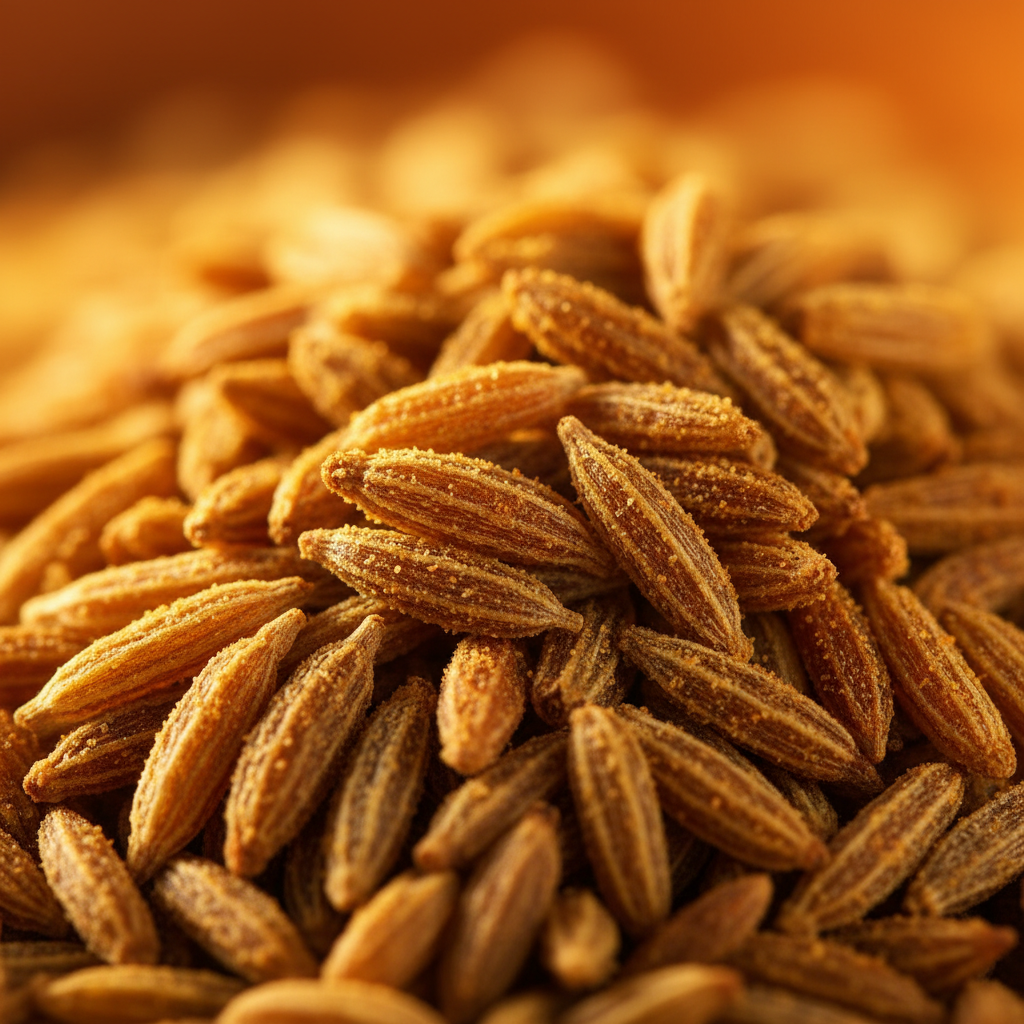
The Charm of Cumin
Cumin carries with it a deep and robust aroma that is unmistakable. Its warm, slightly bitter scent initially presents an earthy aroma, evolving into a sharp fragrance that adds profound depth to dishes. This captivating aroma invites people into a world of exotic flavors, particularly shining in Indian cuisine. The allure of cumin lies in its ability to transform dishes and transport taste buds to distant lands.

History and Spice Trade
Cumin is one of the oldest spices known to mankind, used since ancient Egyptian times. From the era of the pyramids, through the Middle Ages, and into the Age of Exploration, cumin has stood at the center of spice trade routes. This spice made its way into Europe, influencing European cuisine through these trade routes. Today, cumin is cherished in various cultures globally, thanks to its historical significance.
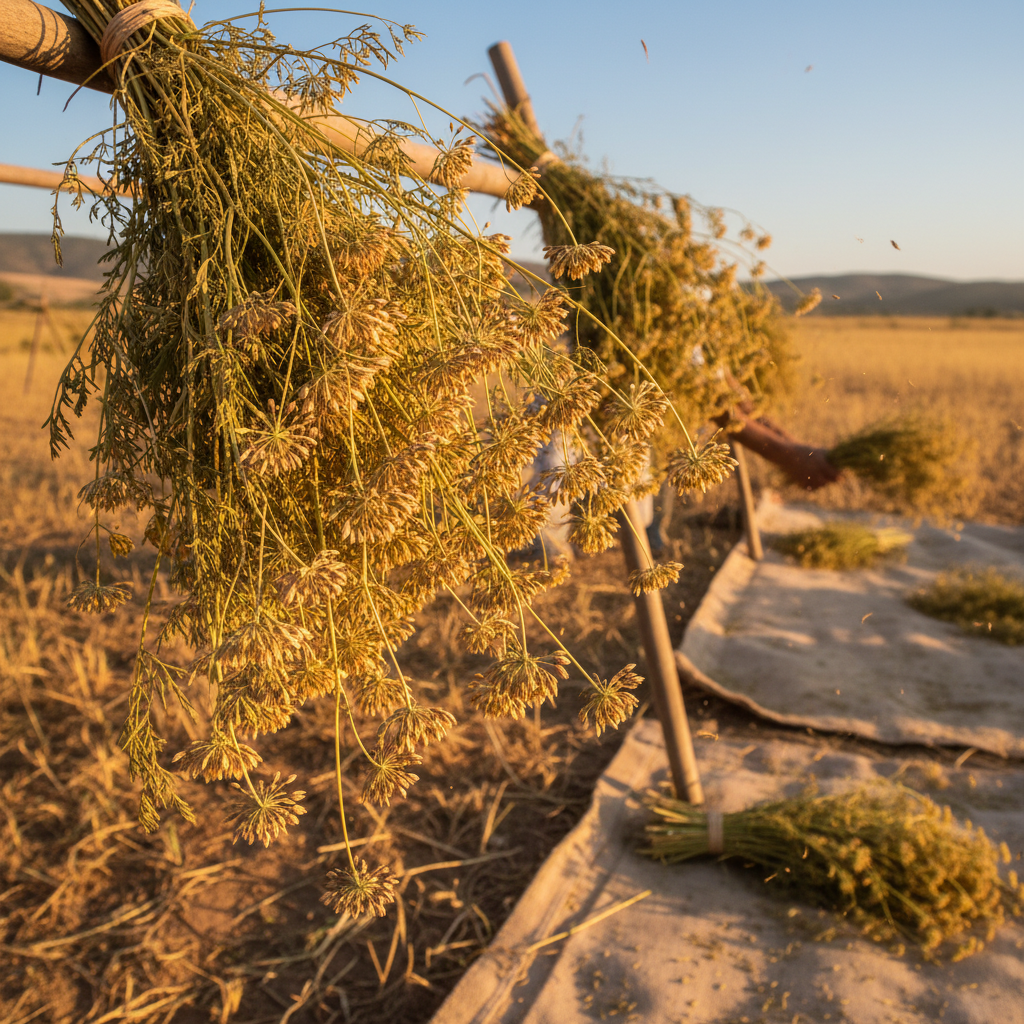
Origin and Cultivation
Cumin is primarily cultivated in Egypt and India. It thrives in warm, arid climates, where the high temperatures enhance its flavor. The cultivation process involves selecting well-drained soil for the seeds to grow optimally, with a harvest period of about 120 days. Once harvested, the seeds undergo a drying process to be transformed into the spice we know.
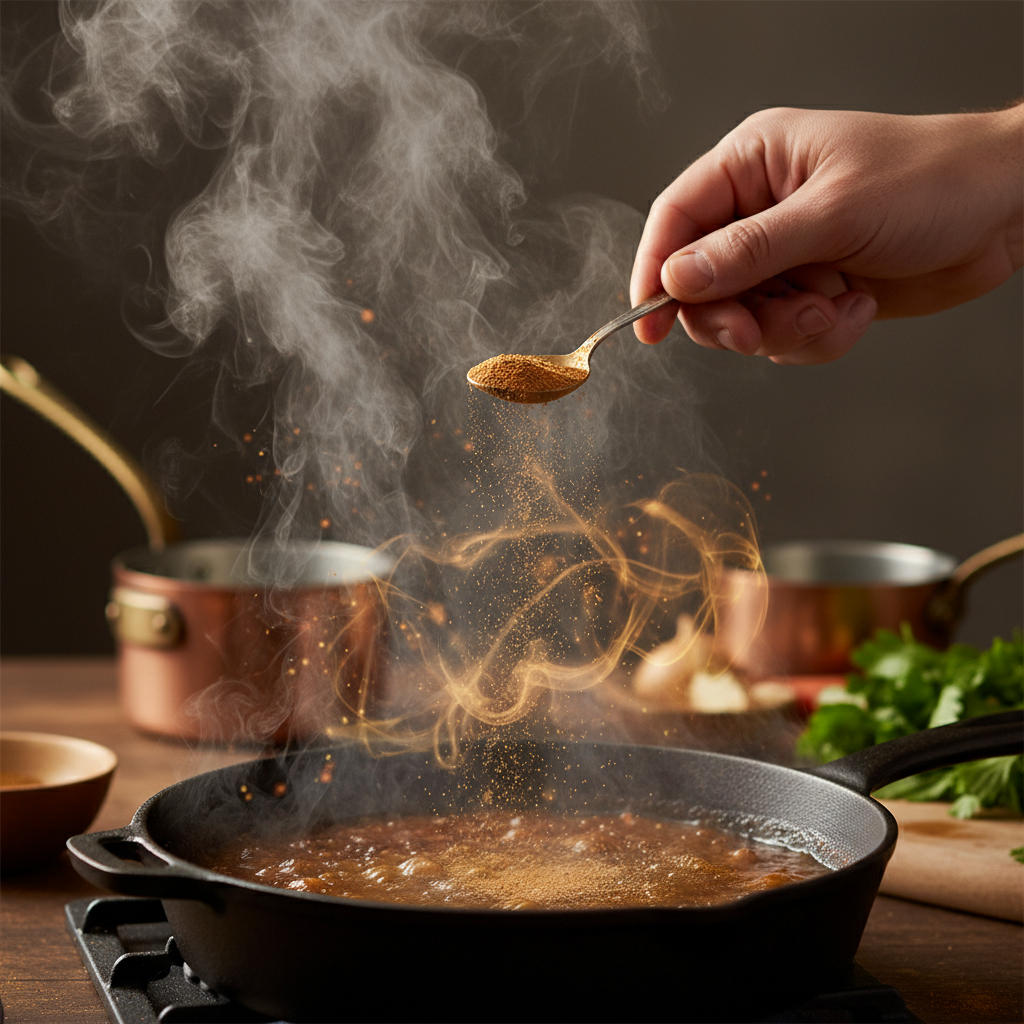
Culinary Uses
Cumin is used in a myriad of global dishes, including curries, tacos, and more. It particularly enhances the depth of flavor in meat and legume dishes. Cumin pairs well with chili, garlic, and coriander, complementing various spicy flavors. Toasting cumin before use intensifies its aroma, elevating the taste of the dishes it graces.
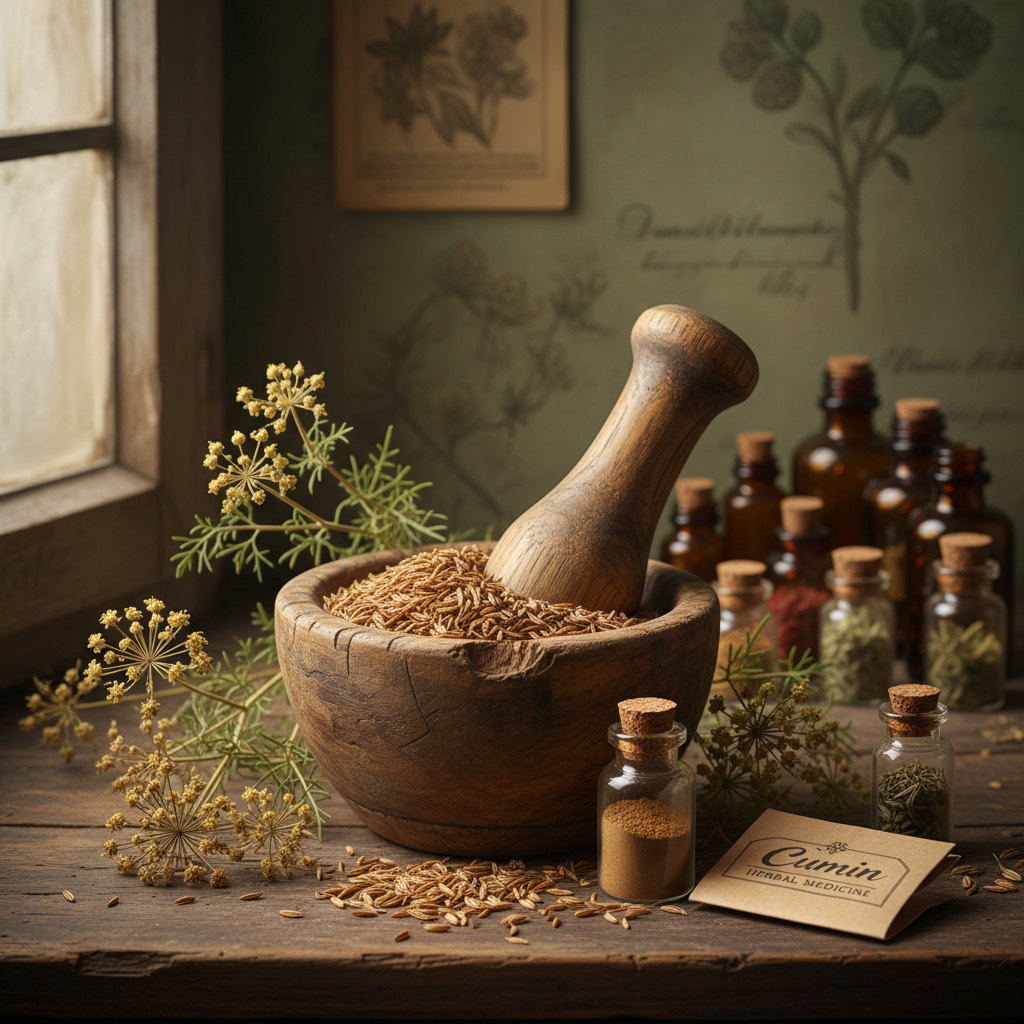
Health Benefits
Traditionally, cumin has been used to aid digestion and boost immunity. Modern research suggests cumin possesses antioxidant properties and may help regulate blood sugar levels. It is also rich in iron, making it beneficial in preventing anemia. These health benefits promote cumin as a natural remedy for maintaining well-being.
Buying & Storage Tips
When purchasing quality cumin, look for seeds with a deep color and strong aroma. Choosing whole seeds over ground cumin helps maintain freshness. Store cumin in an airtight container in a cool, dark place to preserve its flavor and aroma for longer periods.

Recommended Recipes
Lentil Soup with Cumin
- Ingredients: 1 cup lentils, 1 tsp cumin, 2 garlic cloves, half an onion, olive oil, salt, pepper
- Instructions: Rinse lentils and place in a pot with water. Chop onion and garlic, sauté in olive oil, then add to lentils. Season with cumin, salt, and pepper, and simmer for 20 minutes before serving.
Cumin Chicken Stir-fry
``` This composition weaves the story of cumin through its aroma, history, and culinary roles, providing a comprehensive look at this beloved spice.
- Ingredients: 200g chicken breast, 1 tsp cumin, peppers, onion, salt, pepper, cooking oil
- Instructions: Cut chicken into bite-sized pieces and season with salt, pepper, and cumin. Heat oil in a pan, stir-fry the chicken. Add peppers and onion, continue to stir-fry until cooked through, then serve.