The Charm of Wasabi
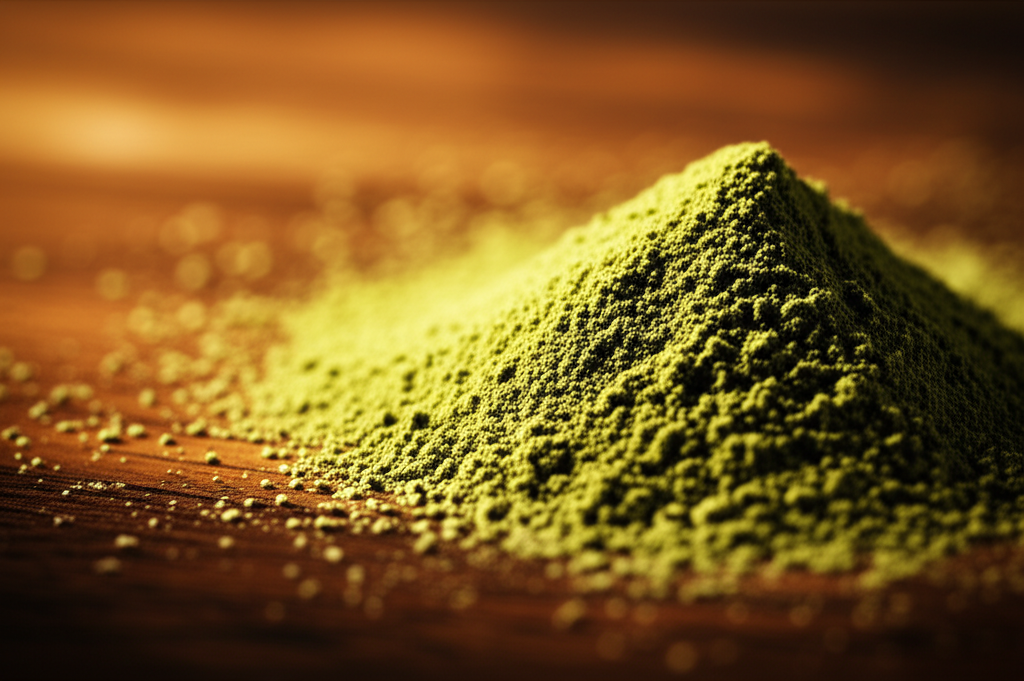
Wasabi is renowned for its distinctive sharpness, but there's more to it than just spiciness. The allure of wasabi lies in its sharp aroma that seems to pierce through the senses and a tingling sensation that dances on the tongue. This spice stands out with its robust presence, and freshly grated wasabi root releases a fresh scent that is unique and unmatched by other spices. Its heat is different from that of chili peppers, offering a clean, swiftly dissipating sensation that is beloved by many.

History and Spice Trade
Wasabi, a native Japanese spice, followed a different path from spices like pepper and nutmeg during the Age of Exploration. While European explorers sought out exotic spices from the East, wasabi remained a cherished secret within Japan. However, with the rising global interest in Japanese cuisine, chefs worldwide have begun to recognize the value of wasabi, leading to its international prominence in modern times.
Origin and Cultivation
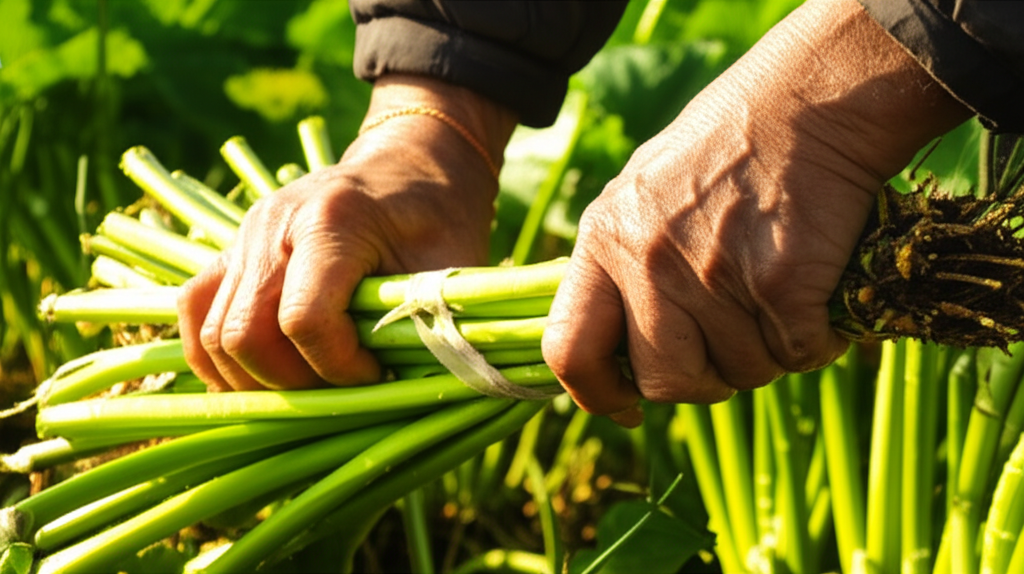
Wasabi is primarily cultivated in the clear, cold streams of Japan. Notably, regions like Nagano and Shizuoka are famous for producing wasabi, where it grows slowly, developing its distinctive flavor. Wasabi requires a shaded environment with well-drained water to thrive, and it is typically harvested between 18 months to 2 years. The fresh roots are known for their pungent aroma, which is best when grated just before use.
Culinary Uses
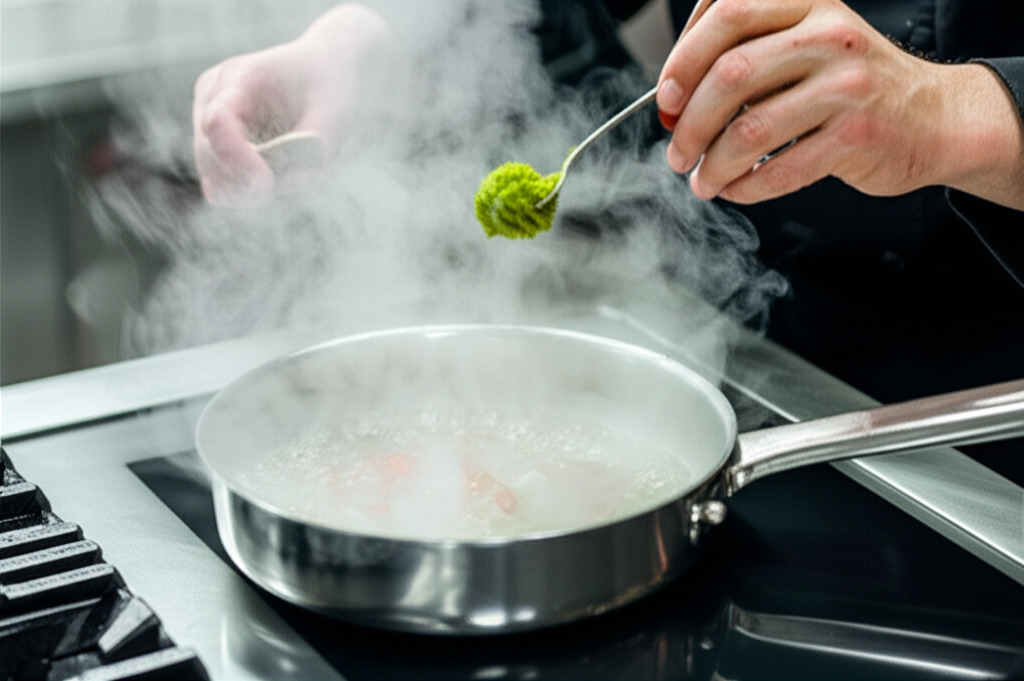
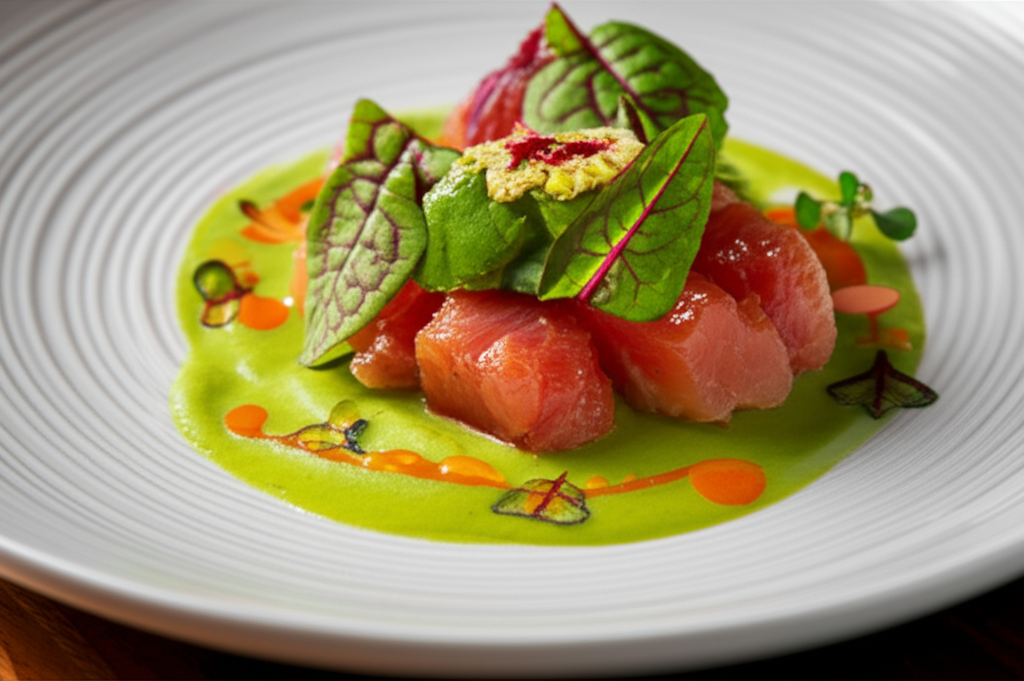
Wasabi is famously paired with sushi and sashimi, where its heat enhances the fresh flavors of the fish. Its spiciness elevates the taste of raw seafood, accentuating its natural flavors. Additionally, wasabi can be used as a sauce for beef or pork dishes and added to salad dressings for extra freshness. It pairs well with soy sauce, and their combination is a cornerstone of Japanese cuisine.
Health Benefits
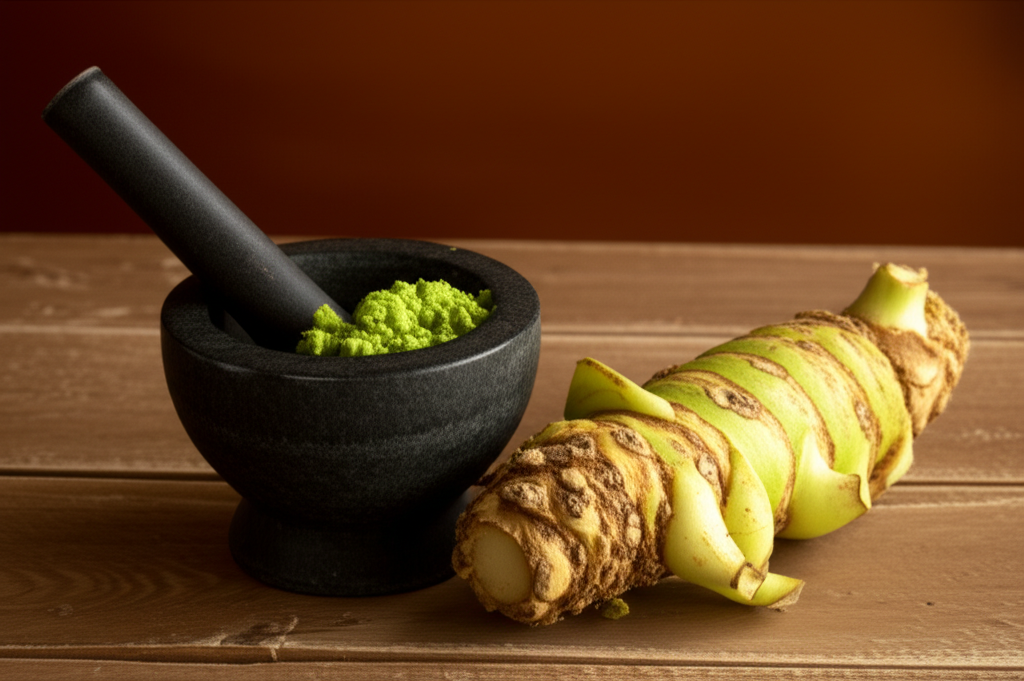
Traditionally, wasabi is known for aiding digestion and possessing antibacterial properties. Modern research has revealed its antioxidant and anti-inflammatory effects. Wasabi is rich in various vitamins and minerals, contributing to immune system enhancement. These health benefits position wasabi not only as a spice but also as a valued health food.
Buying & Storage Tips
When purchasing fresh wasabi, look for firm roots with a glossy appearance. For powdered wasabi, choose products with a vibrant color and strong aroma. Store wasabi in the vegetable compartment of the refrigerator, and grate it just before use for optimal freshness. For powdered wasabi, keep it in an airtight container to avoid moisture.
Recommended Recipes
Wasabi Dressing Salad
- Fresh vegetables (lettuce, cucumber, tomato, etc.)
- 1 teaspoon wasabi
- 3 tablespoons olive oil
- 1 tablespoon lemon juice
- A pinch of salt and pepper
Mix olive oil, lemon juice, and wasabi to create a dressing, then drizzle over fresh vegetables.
Wasabi Steak Sauce
- 1 teaspoon grated wasabi
- 2 tablespoons soy sauce
- 1 teaspoon honey
- 1 clove garlic (minced)
Combine all ingredients and drizzle over steak. The wasabi's heat enhances the meat's flavor.