✨ What is Oregano?
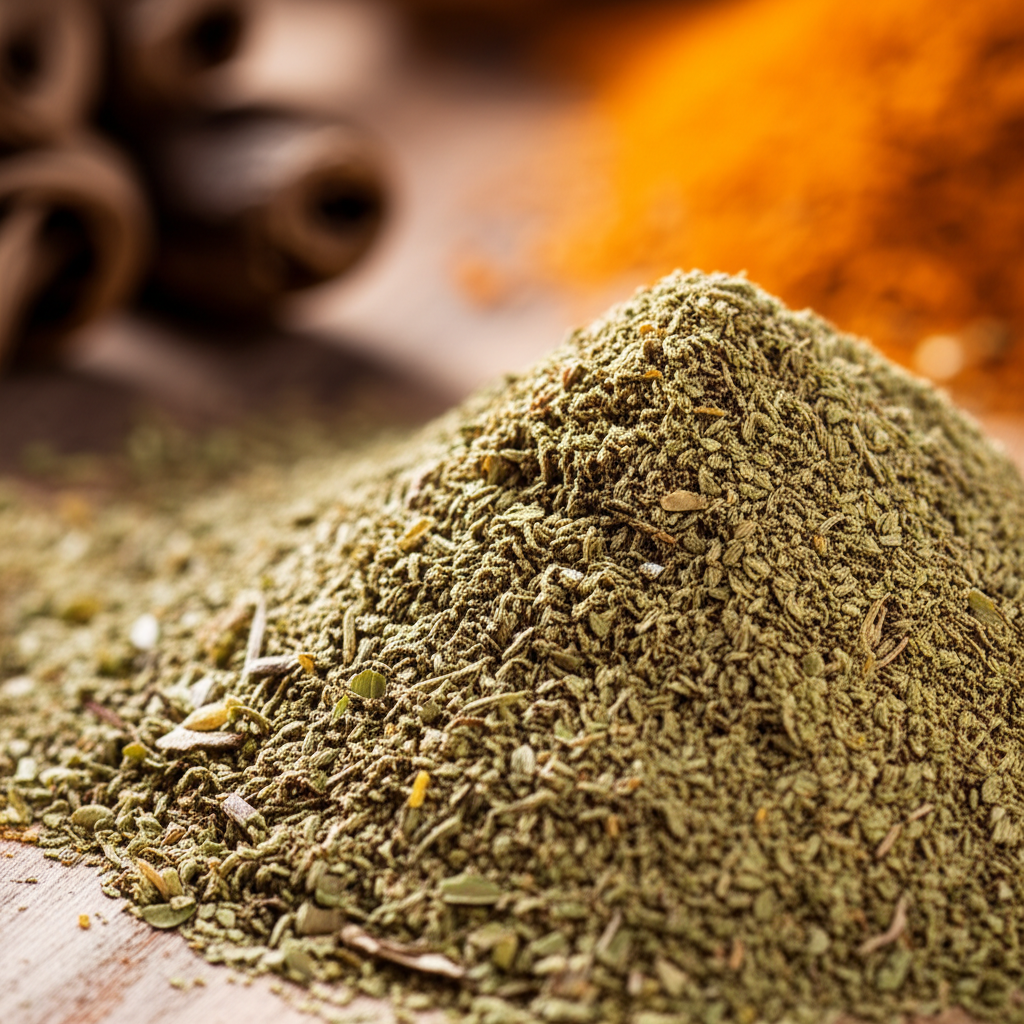
Oregano, a culinary jewel born under the scorching sun and cool sea breezes of the Mediterranean, is an herb whose very name evokes an exotic richness. Native to Greece, this member of the mint family is a perennial herb renowned for its small yet potent leaves, delivering an intense aroma and flavor profile. Dried oregano leaves typically have a verdant hue, and when rubbed between the fingers, they release a pungent, warm, and earthy fragrance. Its taste is complex, offering a subtly spicy and slightly bitter note, followed by a delicate sweetness that lingers. Oregano forms an indispensable trio with tomatoes, cheese, and olive oil, firmly establishing itself as the heart of Mediterranean cuisine. While fresh oregano offers a milder, more nuanced flavor, dried oregano, much like aged cheese, develops a deeper, more concentrated essence, earning it widespread adoration from chefs and home cooks globally. A sprinkle of this tiny leaf can transform an an ordinary dish, transporting you to a quaint Greek taverna.
📜 History of Oregano
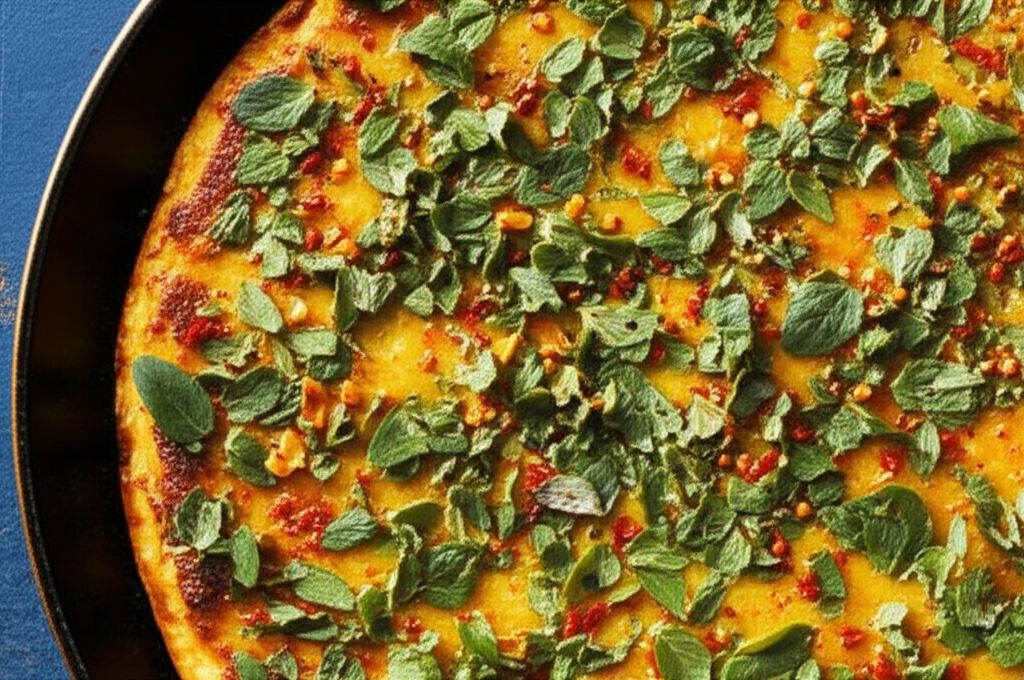
The history of oregano is intertwined with the very dawn of human civilization. Its name, derived from the Greek 'oros ganos' meaning 'joy of the mountain,' signifies that to the ancient Greeks, oregano was far more than just a plant. They cherished it as a symbol of happiness and joy, often adorning newlyweds with oregano wreaths as a blessing. Hippocrates, the father of medicine, is said to have utilized oregano for its medicinal properties, employing it in the treatment of various ailments. The Romans adopted oregano from the Greeks, spreading it across their vast empire where it was used not only in cuisine but also as a preservative. During the Middle Ages, it was a common sight in European monastic herb gardens, with its therapeutic benefits gaining further recognition. In more modern times, after World War II, Italian-American soldiers, yearning for the tastes of home, began sprinkling oregano on their pizzas, cementing its global image as the quintessential 'pizza herb.' Thus, oregano has journeyed through thousands of years of human history and culture, playing diverse roles before gracing our tables today. Each leaf, in essence, carries the wisdom of time and the tales of the Mediterranean.
🌟 Why Oregano is special
Among countless spices, what makes oregano so uniquely cherished? The primary reason lies in its unparalleled flavor profile. Oregano transcends mere aroma, possessing the power to infuse dishes with depth, warmth, and vibrancy. Often compared to marjoram, oregano distinguishes itself with a far more potent and pungent phenolic aroma, making it an assertive cornerstone in any dish. Its true magic unfolds when combined with tomato-based sauces, cheese, olive oil, and garlic, where its essence truly explodes. Unlike many other herbs that play a supporting role, oregano is one of the few that can truly be the star of a dish. A spoonful of oregano in your pizza, pasta, Greek salad, or grilled meats can instantly transform an ordinary meal into a sun-drenched Mediterranean feast. This remarkable versatility and powerful presence have firmly established oregano as one of the world's most beloved spices. The moment you introduce oregano to your cooking, a new culinary horizon will undoubtedly unfold.
🍳 Cooking with Oregano
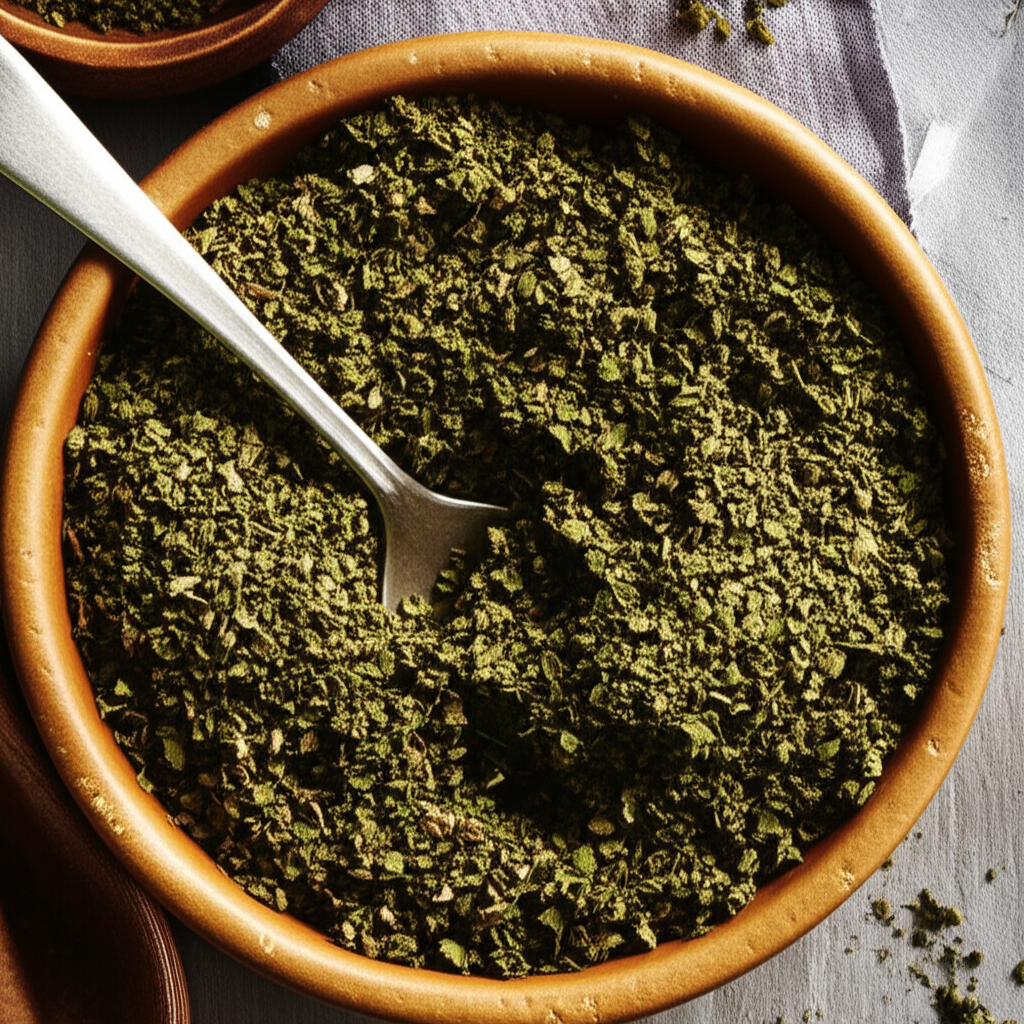
Oregano harmonizes beautifully with an array of ingredients, making it an indispensable staple in Mediterranean cuisine. Fresh oregano, with its delicate and slightly peppery notes, is perfect for adding a fresh accent to salads and garnishes. Dried oregano, on the other hand, boasts a concentrated, robust flavor ideal for slow-cooked stews, sauces, and roasted dishes, as its aroma deepens with heat. It's often best to add dried oregano early in the cooking process to allow its flavors to fully meld. Here are three popular ways to incorporate oregano into your cooking:
- Classic Tomato Pasta Sauce: Sauté minced garlic and onions in olive oil, then add crushed tomatoes, a bay leaf, and a generous amount of dried oregano. Simmer gently over low heat until the sauce develops a rich, deep flavor. This versatile sauce is perfect for pasta, as a pizza base, or with meatballs. The warm notes of oregano beautifully mellow the acidity of the tomatoes.
- Greek Lemon-Oregano Chicken: Marinate chicken thighs or breasts in a mixture of lemon juice, olive oil, minced garlic, and plenty of dried oregano. Let it marinate for at least 30 minutes (or longer for deeper flavor). Roast in the oven until cooked through. The oregano will infuse the chicken with a bright, aromatic Mediterranean taste, eliminating any gamey notes. Serve with roasted potatoes for a complete meal.
- Mediterranean Vinaigrette: Finely chop fresh oregano leaves and mix them with extra virgin olive oil, red wine vinegar, minced garlic, salt, and pepper. This vibrant dressing is fantastic over a classic Greek salad (feta cheese, olives, cucumber, tomatoes), where the fresh oregano elevates the flavors of the vegetables and cheese. It also makes a delightful dipping oil for crusty bread.
💪 Health Benefits
Beyond its culinary prowess, oregano has been revered for its medicinal properties since ancient times, and modern science continues to uncover its impressive health benefits. Here are some of the key scientifically proven advantages of oregano. Firstly, it boasts powerful antioxidant activity. Oregano is rich in phenolic compounds like carvacrol and thymol, which help neutralize free radicals in the body and prevent cellular damage. This can contribute positively to anti-aging and the prevention of chronic diseases. Secondly, it possesses anti-inflammatory and antimicrobial effects. Oregano oil, in particular, has demonstrated strong antibacterial, antifungal, and antiviral properties, which can bolster immunity and help prevent infections. Furthermore, it can alleviate inflammatory responses within the body, potentially aiding in the improvement of conditions like arthritis or digestive inflammatory disorders. Thirdly, it supports digestive health. Oregano can be beneficial for aiding digestion and improving gut health, particularly by helping to reduce gas and bloating, thus promoting comfortable digestive function. In essence, oregano is a versatile herb that not only tantalizes our taste buds but also contributes significantly to our overall well-being.
🛒 Where to Buy & Storage
Embracing the aromas of the Mediterranean, oregano is now readily available in most places. Fresh oregano can be purchased at the herb section of large supermarkets, specialty food stores, or online fresh produce retailers. Dried oregano is typically sold in whole leaf or ground forms and can be easily found in the spice aisle of regular supermarkets, baking supply stores, and various online shopping platforms. For optimal quality, it's advisable to choose organic products from reputable brands.
Oregano Storage Tips:
- Fresh Oregano: To keep fresh oregano vibrant, place the stems in a glass of water and refrigerate, or wrap it in a damp paper towel and store it in a zip-top bag. It should remain fresh for about a week. Rinse gently and pat dry before use.
- Dried Oregano: Moisture and direct sunlight can quickly diminish its aroma. Always store dried oregano in an airtight container in a cool, dark place. Stored properly, it can maintain its flavor and potency for 1 to 2 years. Older oregano tends to lose its aroma, so it's a good practice to periodically check its scent and replace it when needed to ensure maximum flavor in your dishes.