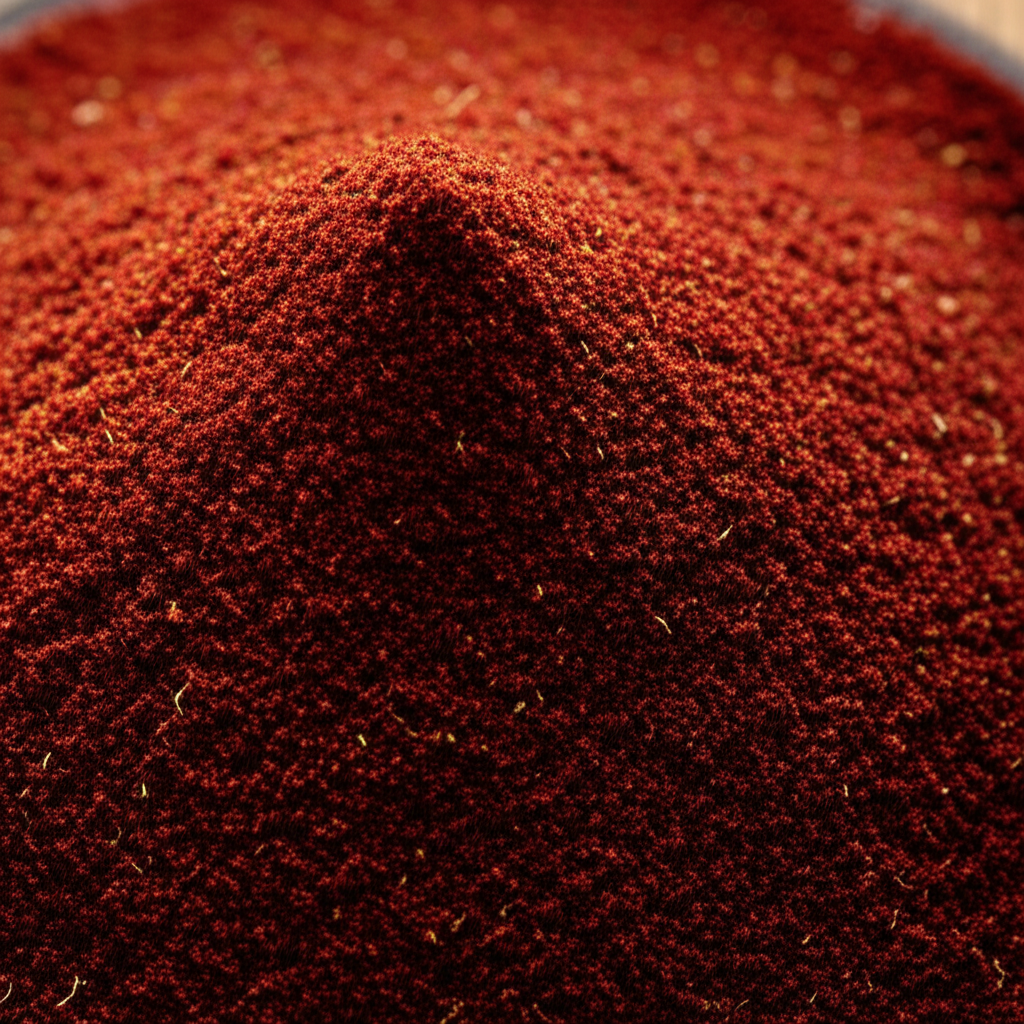
✨ What is Sumac?
Sumac, with its deep and intense crimson hue, is truly the heart of Middle Eastern cuisine. This spice, made from finely ground red berries, boasts a unique tangy and zesty flavor reminiscent of lemon, beautifully intertwined with subtle earthy and fruity undertones. When dried, it offers a slight astringency alongside its characteristic sour aroma. Once sprinkled on food, its vibrant color makes a bold statement, much like its flavor. Beloved since ancient times, Sumac doesn't just add taste; it also enhances the visual appeal of dishes and stimulates the appetite. Especially in the Mediterranean and Middle Eastern regions, it is an indispensable spice. Once you fall for its special charm, there's no turning back. Anticipate the delightful transformation this small red powder will bring to your table.
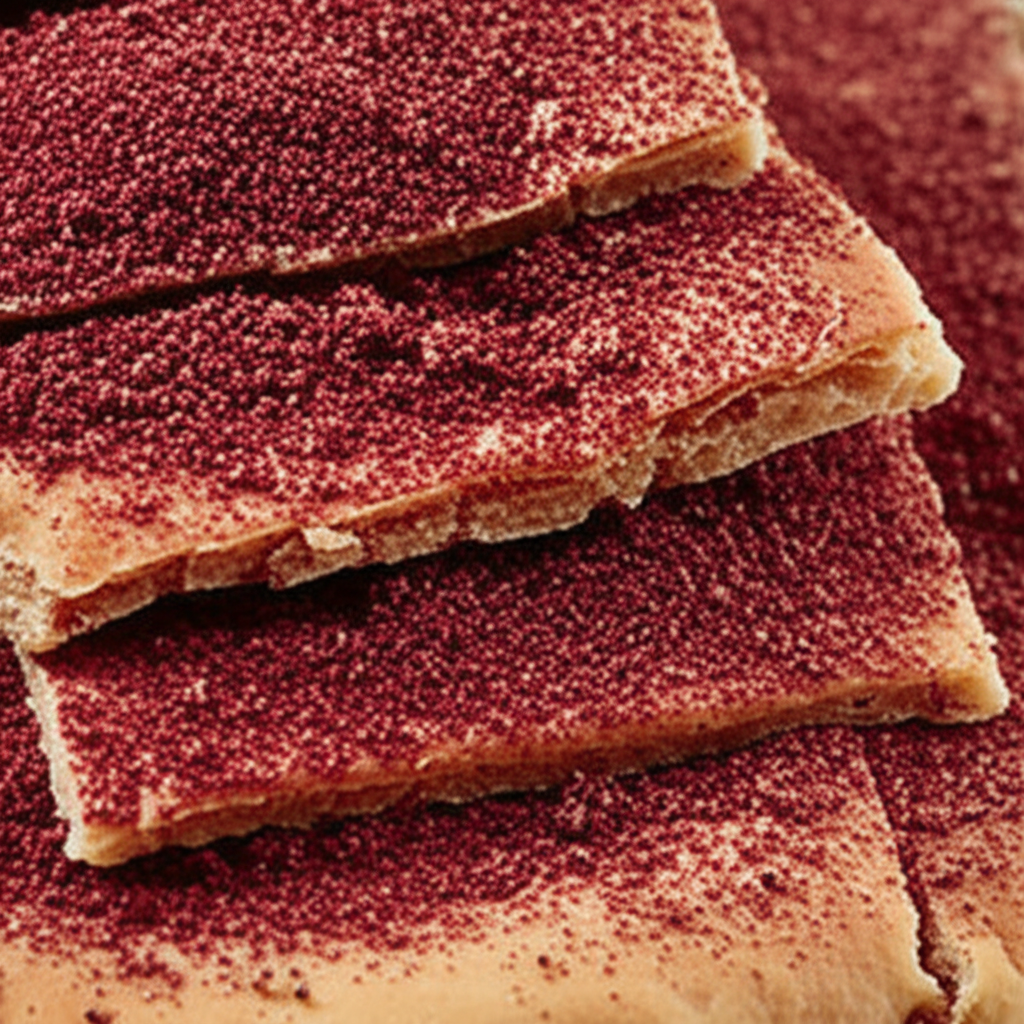
📜 History of Sumac
Embracing thousands of years of history, Sumac was recognized as an important spice as early as the Roman era. At a time when lemons were scarce, Sumac served as a primary substitute for adding a sour taste to food. Ancient Greek and Roman chefs utilized Sumac in fish, meat, and vegetable dishes to impart unique flavors. By the Middle Ages, with the flourishing spice trade, Sumac spread beyond the Mediterranean to all corners of Europe. Particularly in the Middle East, Sumac was also used as an important medicinal herb in traditional medicine, and on the dining table, it was essential in various dishes like pickles, salads, and meat marinades. Thus, Sumac has played a vital role not just as a spice, but as an important link connecting civilizations and cultures. Even today, Sumac remains a beloved bestseller in the kitchens of Middle Eastern and Mediterranean countries.
🌟 Why Sumac is special
The biggest reason Sumac stands out from other spices is its unique 'tanginess.' It's a complex sourness, distinct from lemon or lime, with a softer, earthier blend that is exclusively Sumac's character. Moreover, its intense crimson color adds visual appeal to food, naturally acting as a food enhancer that stimulates the appetite. While many spices make their presence known with strong aromas, Sumac subtly elevates the dish's flavor without overpowering the overall harmony. Especially in Mediterranean and Middle Eastern cuisine, it's used as a substitute for lemon juice or is essential for removing gamey odors from meat and enhancing its flavor. Simply sprinkling it on grilled dishes or salads can add an exotic aroma, making it an excellent choice for those who wish to bring something special to an ordinary meal. Thus, Sumac is a versatile spice that satisfies in terms of taste, aroma, and color.
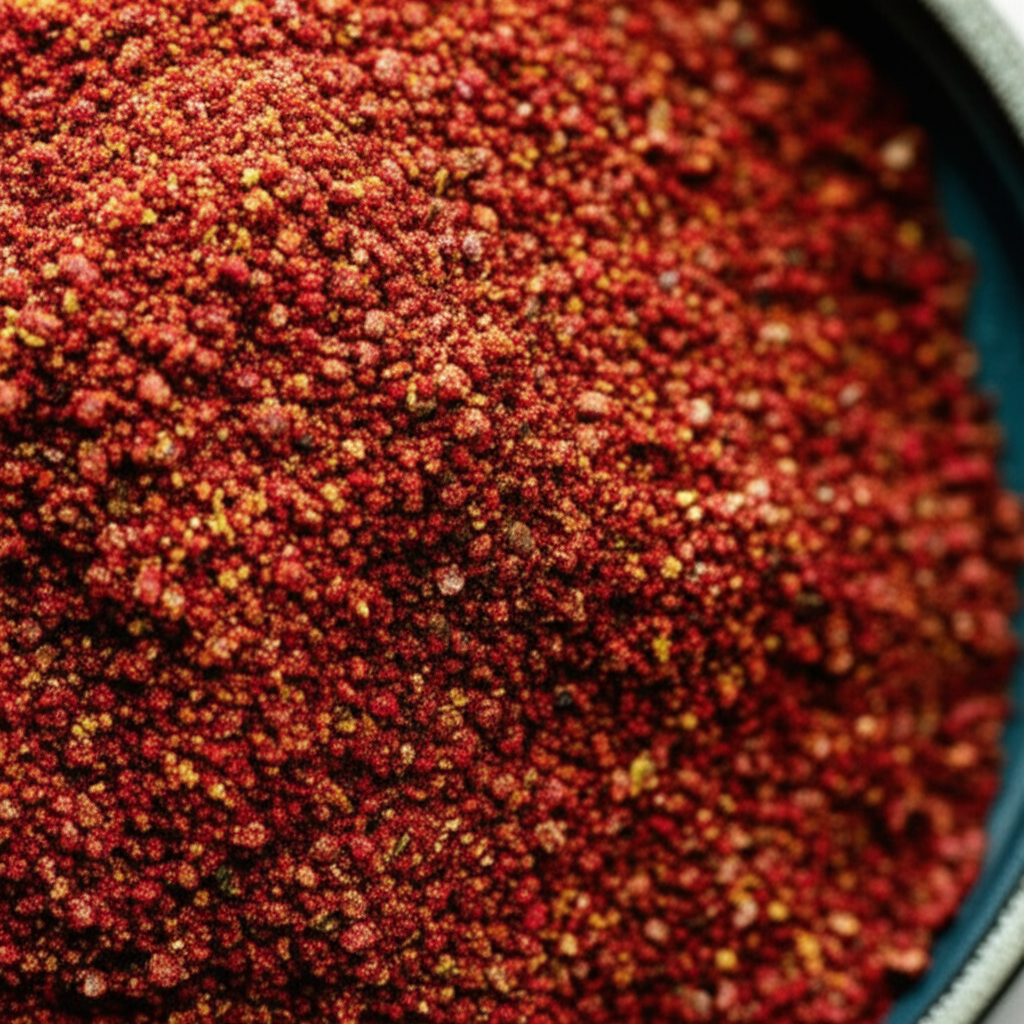
🍳 Cooking with Sumac
Sumac is captivating on its own, but its true potential shines when incorporated into various dishes. It's an indispensable core ingredient, especially in Middle Eastern and Mediterranean cuisine.
- Za'atar: A quintessential Middle Eastern spice blend, Za'atar is made by mixing toasted sesame seeds, thyme, oregano, and Sumac. Enjoy it dipped in olive oil with bread, or sprinkled over salads, roasted vegetables, or yogurt for an exotic flavor experience.
- Fattoush Salad: A Middle Eastern salad combining fresh vegetables and toasted pita bread pieces. Adding a generous amount of Sumac to the dressing enhances the salad's taste and visual appeal with its characteristic tanginess and red hue.
- Grilled Meat or Fish Marinade: Marinate lamb, chicken, beef, or fish with olive oil, garlic, salt, pepper, and Sumac. Sumac's tartness helps eliminate gamey flavors, enhances the overall taste, and tenderizes the meat. Grilling or baking will yield a fantastic culinary experience.
💪 Health Benefits
Beyond being a delicious spice, Sumac has been used medicinally since ancient times, possessing various health benefits. It is particularly noted for its rich content of powerful antioxidant compounds. Polyphenols like anthocyanins and flavonoids found in Sumac help neutralize free radicals in the body and prevent cell damage, contributing to anti-aging and immune system enhancement. Furthermore, some studies suggest that Sumac may have a positive impact on regulating blood sugar levels and could help lower cholesterol. Its excellent anti-inflammatory properties have also been reported to aid in alleviating conditions like arthritis and other inflammatory diseases. It has also been traditionally used to aid digestion and improve gastrointestinal health. Thus, Sumac can be considered an attractive spice that allows you to enjoy both flavor and health.
🛒 Where to Buy & Storage
While Sumac might have once been considered difficult to find, it is now readily available. Offline, you can typically purchase it quite easily at large department store food sections, specialty import grocery stores, or international food markets. You'll almost certainly find Sumac at stores specializing in Middle Eastern groceries. Online, you can find various brands by searching for 'Sumac' on major online shopping platforms like Naver Shopping, Coupang, and Market Kurly. If you're looking for organic products or Sumac from a specific origin, online specialty stores are a good option.
Sumac Storage Tips: To preserve its aroma and color, it's crucial to store Sumac in an airtight container in a cool, dry place away from direct sunlight. It is sensitive to moisture, so minimize exposure to air. If possible, storing it in an airtight jar is even better. It is recommended to use it within one year after opening. Enjoy the fresh taste and aroma of Sumac for a long time with proper storage!