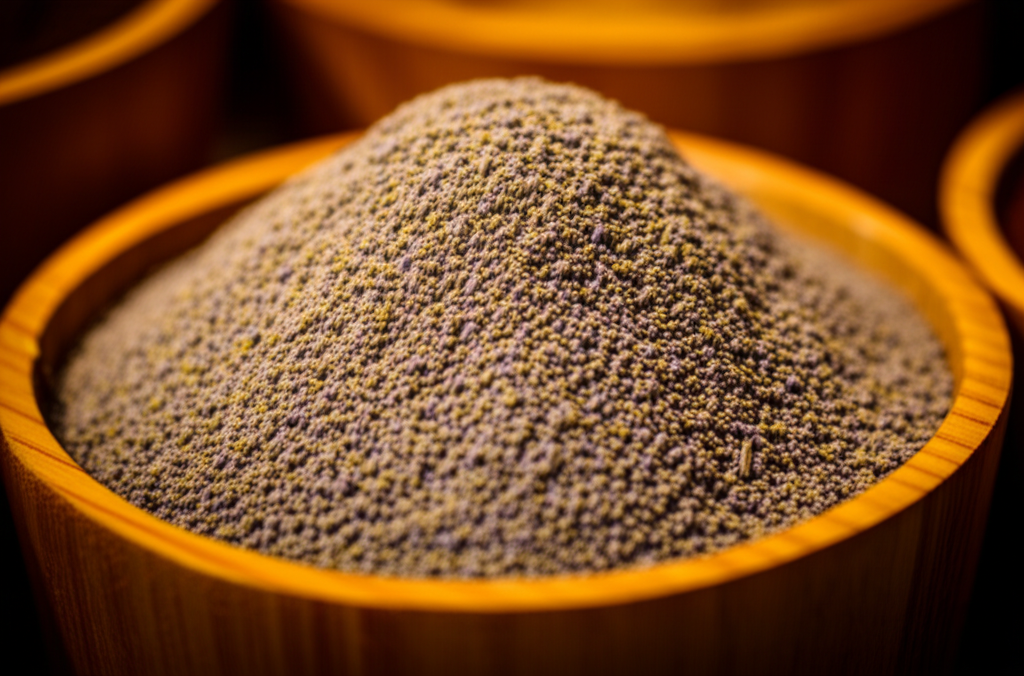
✨ What is Lavender?
Bathing in the warm sunlight of Provence, the purple bloom of lavender is more than just a beautiful herb; it's a captivating spice that adds a unique fragrance to the world of gastronomy. Originating from the Mediterranean region, particularly the south of France, lavender boasts a deep yet delicate floral aroma, harmoniously blended with subtle minty notes and a slightly piquant herbaceous undertone. The variety primarily used in cooking is narrow-leaved lavender (Lavandula angustifolia), known for its sweet yet subtly spicy profile that makes it versatile for both desserts and savory dishes. While stunning on its own, lavender truly works its magic when incorporated into food, transforming ordinary meals into culinary works of art. It not only enriches the flavor of dishes but also imbues them with the tranquil essence of Provence, possessing a mysterious charm that transcends taste alone.
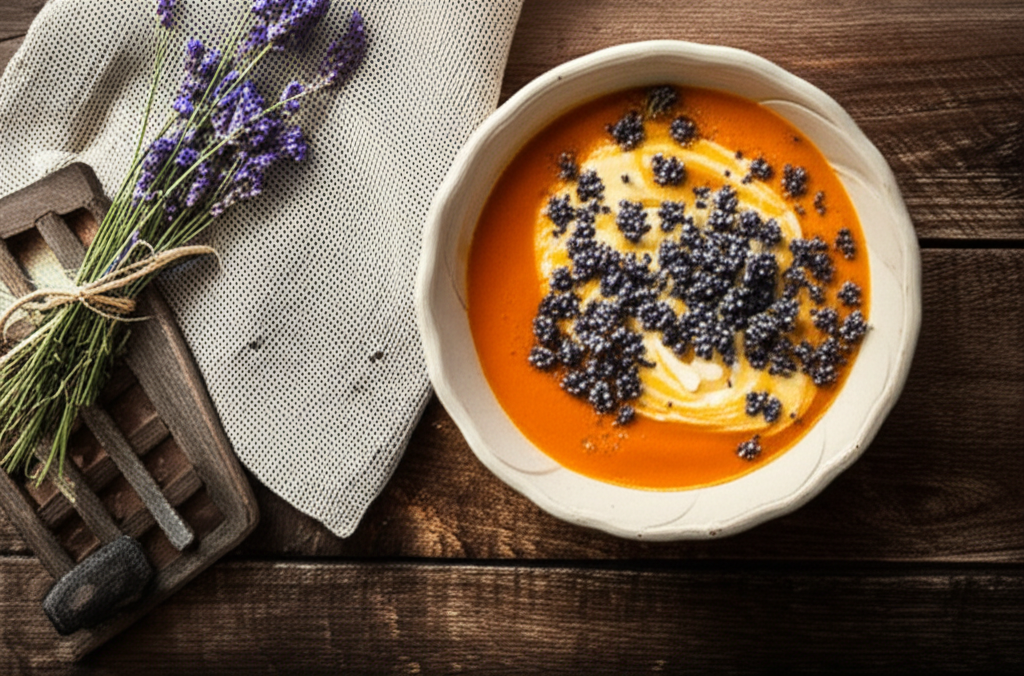
📜 History of Lavender
The history of lavender stretches back to ancient civilizations. The ancient Egyptians used lavender as a preservative in mummification and as an ingredient in perfumes and salves. Romans incorporated lavender into their bathwater for purification and relaxation, and it is believed that the name 'lavender' itself derives from the Latin word 'lavare,' meaning 'to wash,' indicating its deep integration into their daily lives. By the Middle Ages, lavender was cultivated in monastic gardens as a medicinal herb, and its benefits became widely known. Especially in the Provence region of France, lavender cultivation flourished, becoming a crucial resource for the perfume and essential oil industries. In the 18th century, lavender oil was highly valued, believed to prevent the Black Death. Over time, lavender evolved from a mere medicinal plant to a beloved global presence, cherished for its beautiful flowers, fragrant oil, and delicate spice. The purple fields of Provence silently attest to this rich history, continuing to flourish to this day.
🌟 Why Lavender is special
Among countless spices, lavender stands out due to its distinctive aroma and remarkable versatility. The fragrance of lavender, a unique blend of sweet, delicate floral notes with spicy and fresh herbaceous undertones, cannot be found in any other herb or flower, leaving an unforgettable impression. Unlike direct sweeteners like vanilla or cinnamon, or potent spices, lavender subtly enhances dishes with sophisticated aroma and depth, earning accolades from gourmands. Significantly, lavender exhibits astonishing flexibility, pairing well with both sweet and savory preparations. Its potent fragrance means that even a small amount can make a significant impact, and it harmonizes wonderfully with ingredients such as lemon, honey, berries, and chocolate. Furthermore, lavender transcends mere taste and aroma; it evokes the beautiful landscapes and peaceful atmosphere of Provence visually and olfactorily, adding an emotional dimension to cuisine. This unique charm, which other spices cannot easily replicate, is why lavender is held in such high esteem by epicures worldwide.
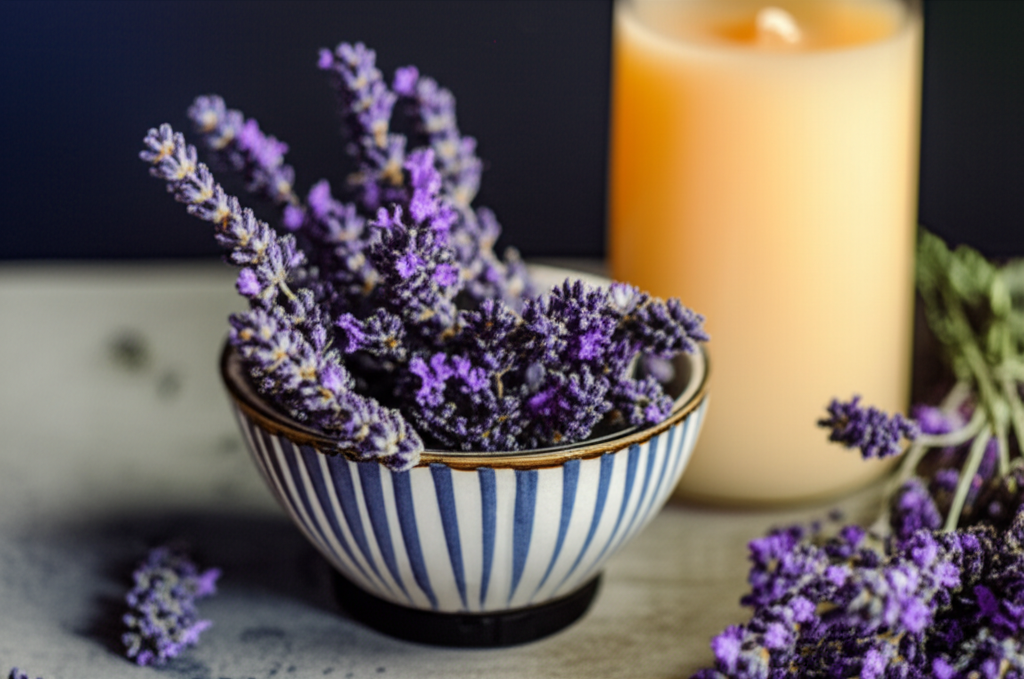
🍳 Cooking with Lavender
Lavender, with its delicate yet distinctive fragrance, is a magical spice that adds elegance to any dish. It's crucial to start with small amounts, as too much can result in a soapy taste. We primarily use 'culinary lavender,' which can be fresh petals or dried flowers.
Top 3 Representative Dishes & Recipes:
- Lavender Shortbread Cookies: Finely grind dried lavender petals into a mixture of butter, flour, and sugar to create the dough. The subtle lavender aroma, combined with the buttery richness, makes for a fantastic dessert. Enjoying them with a warm cup of tea can transport you to an afternoon in Provence.
- Lavender Herbes de Provence Salt: Mix coarse salt with dried lavender petals, rosemary, thyme, and oregano. Sprinkle this blend on steaks, roasted vegetables, or use it in salad dressings to add an exotic flavor. It's also effective in reducing gamey odors in meat dishes.
- Lavender Lemonade or Iced Tea: Infuse lavender petals into a simple syrup made with water and sugar. Once cooled, mix with lemon juice and water for a refreshing beverage. Alternatively, add a small amount of lavender when brewing black tea for a fragrant lavender iced tea. The refreshing yet elegant taste is exquisite.
Lavender also pairs wonderfully with honey, chocolate, vanilla, and berries, so experiment with various combinations to create your own lavender masterpieces.
💪 Health Benefits
Lavender, with its beautiful appearance and aroma, possesses a variety of health benefits and has been used medicinally since ancient times. Modern scientific research also provides evidence supporting these traditional uses.
- Stress Relief and Sleep Induction: The aroma of lavender has a calming effect on the nervous system, helping to reduce anxiety and stabilize heart rate, thus aiding in stress relief. Dropping a few drops of lavender oil on your pillow before bed or drinking lavender tea can promote restful sleep.
- Anti-inflammatory and Pain-relieving Effects: When applied topically, lavender oil can help reduce inflammation and alleviate pain. It can be used for insect bites, minor burns, and muscle aches.
- Improved Digestion: Consuming small amounts of lavender in tea or adding it to dishes can aid digestion and help reduce bloating.
- Antimicrobial and Antiseptic Properties: Lavender has natural antimicrobial and antiseptic qualities, which can help in wound healing and prevent infections.
However, when consuming lavender, always use 'culinary grade' lavender and avoid excessive amounts. Pregnant women or individuals with specific health conditions should consult a healthcare professional before use.
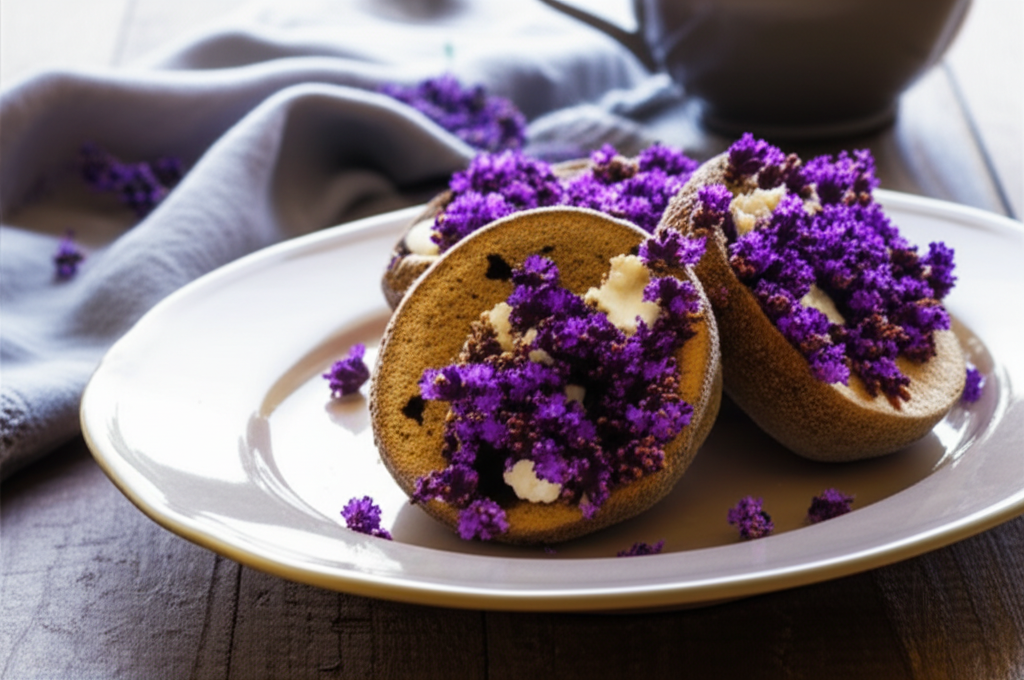
🛒 Where to Buy & Storage
If you're looking to bring the enchanting spice of lavender into your kitchen, choosing the right source and storing it properly are key.
Where to Buy:
- Online Specialty Stores: These are often the best places to find a wide variety of 'culinary grade' lavender. Look for websites specializing in organic certified products or specific varieties.
- Gourmet Grocery Stores and Department Store Food Halls: Many sell high-quality, culinary-grade lavender from reputable brands. The advantage here is being able to smell and assess freshness directly.
- Organic Markets and Herb Shops: These often carry culinary lavender petals or dried herbs.
⚠️ Caution: Lavender intended for aromatherapy is not for consumption. Always ensure the product is labeled 'culinary grade.' Checking for pesticide treatment is also important.
Storage Tips:
- Airtight Container: Lavender's delicate fragrance can easily dissipate when exposed to air. Storing it in an airtight glass jar or stainless steel container that blocks light and moisture is best.
- Cool, Dark Place: Keep it in a cool, dark place with a consistent temperature, away from direct sunlight, such as a pantry or kitchen cupboard. Refrigeration is not necessary and can even expose it to unwanted moisture.
- Maintain Dryness: Moisture degrades lavender's flavor and increases the risk of mold. It must be stored in a completely dry state.
When stored correctly, lavender can retain its fragrance and flavor for over a year. Fresh lavender can also be washed, dried, and then frozen for longer preservation.