The Allure of Nutmeg: A Jewel of Enchanting Fragrance
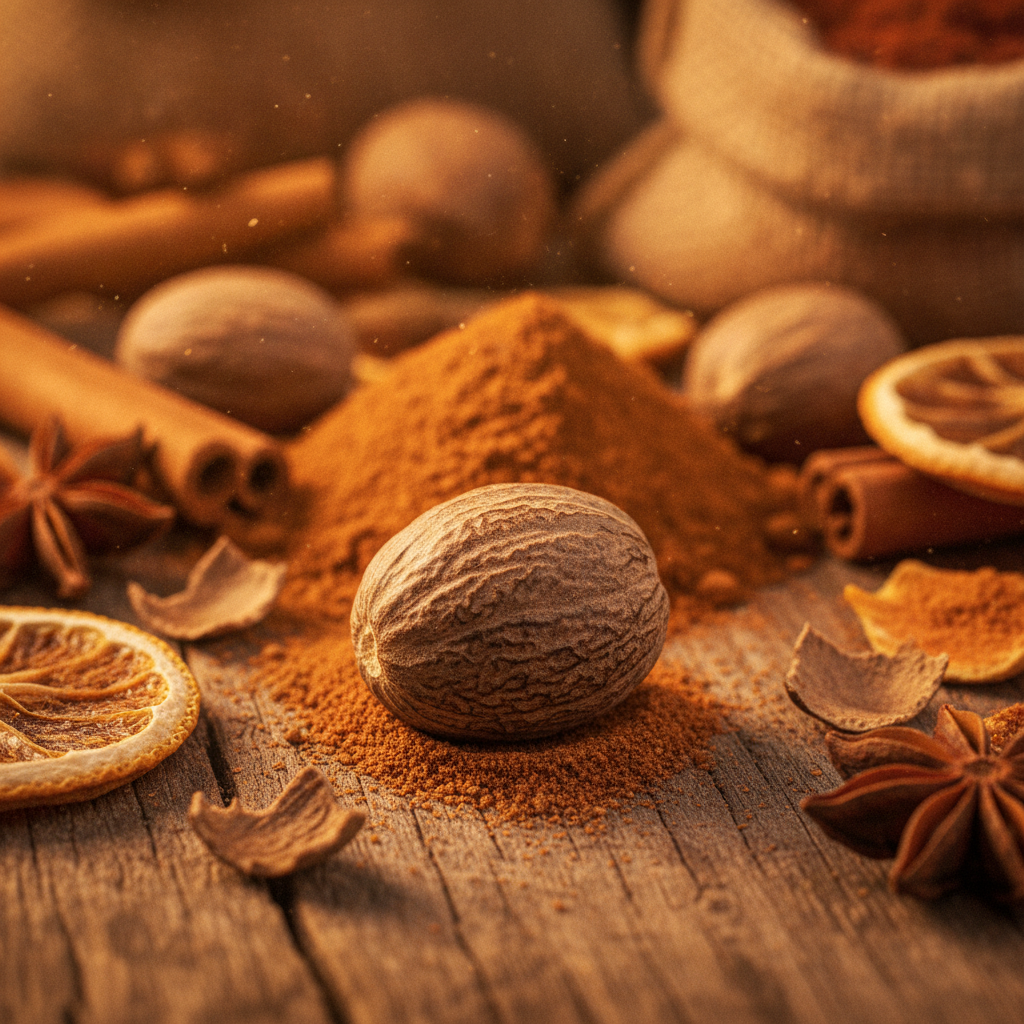
Nutmeg, known as '육두구' (yukdugu) in Korean, is more than just a seasoning; it is a work of art in itself. The aroma emanating from its hard, shelled seed captivates from the very first sniff. It is sweet yet spicy, with a complex blend of subtle woody notes and earthy undertones that tickle the nose. It's like the mysterious scent of a flower encountered while strolling through a serene tropical forest, or the comforting warmth of a cup of tea by a cozy fireplace. Nutmeg's fragrance, like a fine wine that deepens with age, permeates dishes and harmonizes with other ingredients while retaining its unique presence. Freshly grated nutmeg, in particular, offers a fresh and vibrant aroma that no other spice can imitate, akin to a magic spell awakening dormant taste buds. This enchantment provided by a single piece of nutmeg serves as a small gateway, leading us from the ordinary into the world of gastronomy. A pinch in a warm beverage, a sprinkle over baking dough, and suddenly, an ordinary dish transforms into something extraordinary. Nutmeg truly is a captivating spice that touches not only our palate and sense of smell but also our emotions.
The spectrum of its fragrance is truly astonishing. Initially, a bright, citrusy note flits by, soon followed by a warm, comforting spiciness reminiscent of cardamom or cloves. Finally, a heavy, lingering woody note, like sandalwood or frankincense, leaves a lasting impression. This complex aroma allows nutmeg to be used in a wide variety of dishes, traversing sweet, savory, and even spicy flavors. It is even highly valued for its fragrance alone, used in perfumes and aromatherapy. Some find that the scent of nutmeg evokes childhood memories, while others experience the excitement of an exotic travel destination. Thus, nutmeg possesses a special power to stimulate our memories and emotions, going beyond simply adding flavor. All these charms contained within a single nutmeg seed are undoubtedly a precious treasure, irreplaceable by anything else.
History and the Spice Trade: A Seed of Gold Stained with Blood
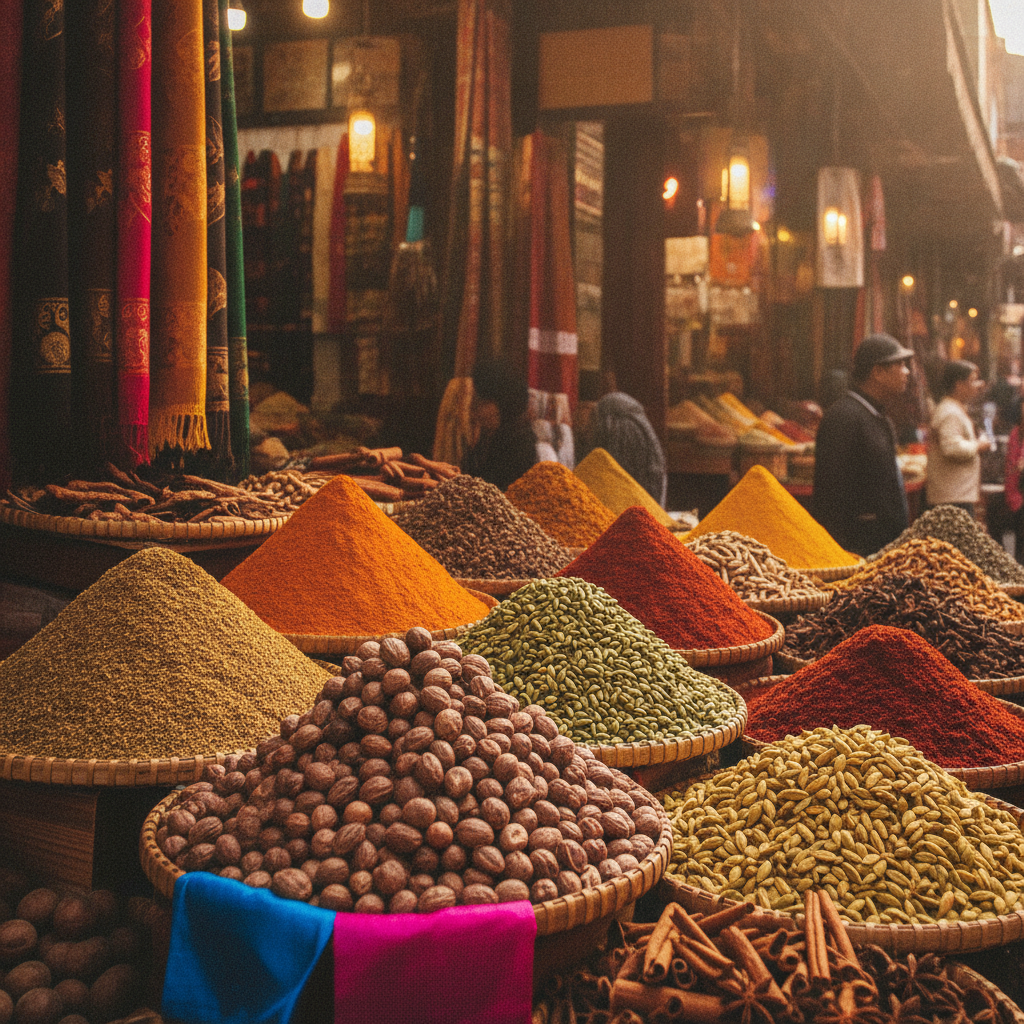
The history of nutmeg marks one of the most dramatic pages in the human spice trade, stained with greed, adventure, and bloodshed. The Banda Islands in Indonesia, the birthplace of nutmeg, were once the only place on earth where this precious and expensive spice grew, making them the epicenter of fierce struggles among European powers. From the 16th century, Portugal, Spain, the Netherlands, and Britain waged numerous wars to claim these small islands, sacrificing countless lives in the process. The Dutch East India Company, in particular, left a brutal history, massacring the indigenous people of the Banda Islands and devastating the entire archipelago to secure a monopoly on nutmeg. In an era when a single nutmeg was worth more than gold, European aristocrats regarded it as a symbol of wealth and power, even believing it to be a magical cure for the plague. Behind the great discoveries of the Age of Exploration lay the tragic shadow of the spice trade. Nutmeg was not merely a food ingredient; it was a powerful entity that reshaped world maps and altered the course of human history.
The fact that we can access nutmeg relatively cheaply today is due to the collapse of the monopoly system in the late 18th century, when French botanists smuggled nutmeg saplings out of the Banda Islands and successfully cultivated them in other tropical regions. But before that, for hundreds of years, nutmeg enriched European tables while carrying a tragic history stained with the blood and sweat of countless individuals. A single piece of nutmeg encapsulates the courage of explorers, the greed of merchants, and the suffering of indigenous peoples. Understanding the historical weight of this small seed will make our attitude towards nutmeg even more reverent. As such, nutmeg is more than just a food ingredient; it is a witness and symbol of history where human greed, adventure, and brutality intersect. Its fragrance carries both the glory and sorrow of the past, speaking to us.
Origin and Cultivation: Hidden Treasure in the Rainforest
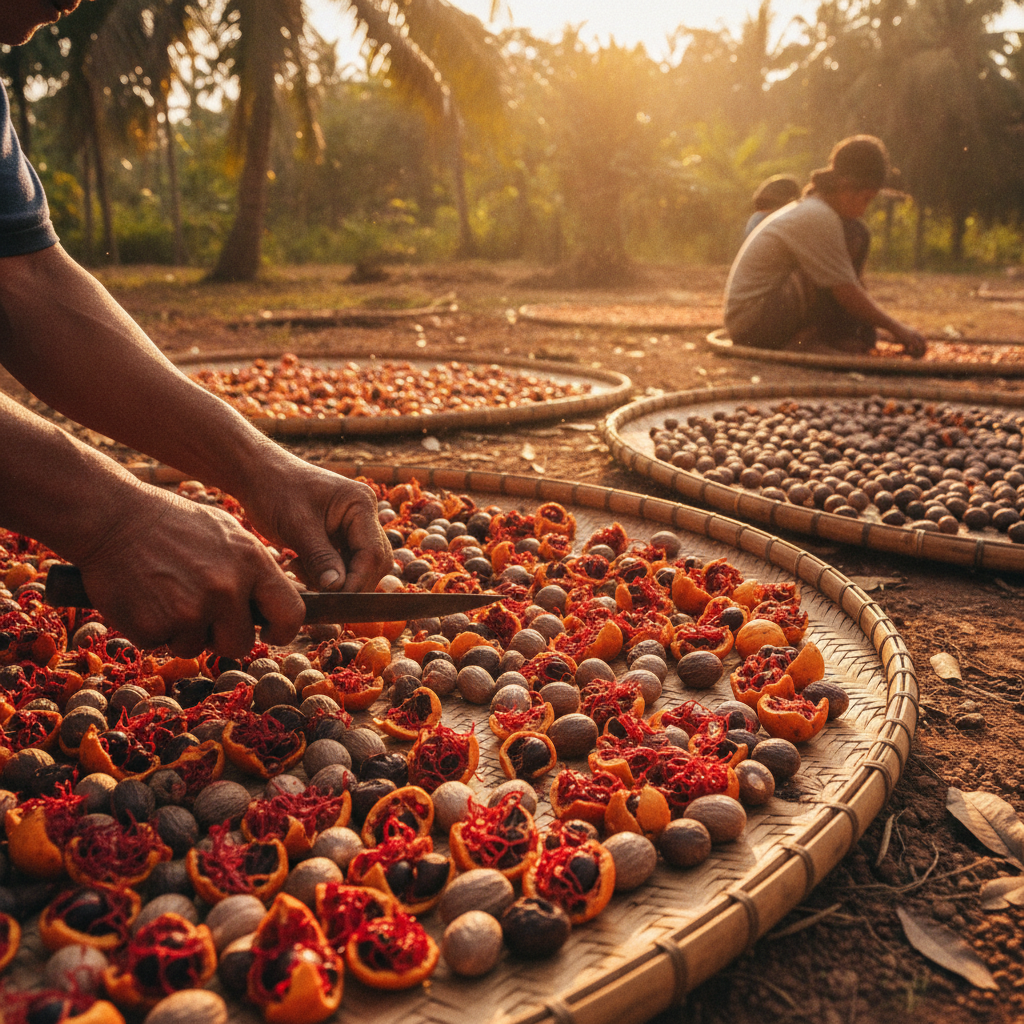
Nutmeg's homeland is the small archipelago in eastern Indonesia, the Banda Islands. This region boasts one of the richest tropical rainforests on Earth, providing the optimal conditions for nutmeg trees to thrive with its year-round humid and warm climate and fertile volcanic soil. The nutmeg tree (Myristica fragrans) is an evergreen broadleaf tree that grows up to 10-20 meters tall, adorned with lush leaves and delicate flowers. This tree is dioecious, meaning only female trees bear nutmeg fruit. When the golden, apricot-like fruit ripens, its outer husk splits open, revealing a hard brown seed—the nutmeg—enclosed in a red, lacy aril known as mace. This dried seed is the nutmeg we know, and the mace itself is also a valuable spice. A nutmeg tree typically takes about 7-8 years after planting to bear its first harvest and over 20 years to begin producing fruit in earnest. Once planted, it can bear fruit for over 60 years, sometimes even more than 100 years, making it a long-lived tree.
The harvesting process is extremely delicate and labor-intensive. Ripe fruits are either hand-picked from the tree or collected after falling to the ground. The fruit is halved to reveal the nutmeg seed encased in its red mace. The mace is carefully separated and dried separately, while the seeds are thoroughly dried in the sun for several days. After the drying process, the outer shell of the seed is cracked to obtain the hard inner seed, which is the nutmeg we use. All these steps are performed manually, with the tropical sun and the dedication of skilled farmers combining to produce the precious nutmeg we find on our tables. The Banda Islands, the origin of nutmeg, still hold a reputation for producing the world's finest nutmeg, and local nutmeg farmers cultivate this precious spice using traditional methods passed down through centuries. Thus, a single nutmeg encapsulates the breath of the rainforest, the sweat of the farmers, and the aesthetic of long waiting.

Culinary Uses: The Magic That Adds Sweetness and Flavor
Thanks to its unique and complex aroma, nutmeg is a beloved spice widely used in various cuisines worldwide. From sweet desserts to savory main courses, nutmeg has an astonishing ability to assert its presence while balancing the overall flavor, no matter what ingredients it encounters. It pairs exceptionally well with dairy products; a sprinkle of grated nutmeg in dishes utilizing milk, cream, or cheese cuts through richness and enhances the flavor. Adding nutmeg to béchamel sauce, gratins, or cream soups creates a deep, smooth taste with a subtle aroma, enriching the culinary experience. Furthermore, nutmeg is a fantastic partner for potato dishes. A pinch of nutmeg in mashed potatoes, potato purées, or potato gratins blends with the earthy notes, creating a deeper, richer flavor.
In Western cuisine, nutmeg is an essential ingredient in sweet baked goods such as Christmas eggnog, pumpkin pie, apple pie, and gingerbread during the holiday season. The warm and spicy aroma of nutmeg maximizes the flavor of these desserts and adds a seasonal touch. Nutmeg also shines in meat dishes. A small amount of nutmeg in ground meat dishes like meatballs, sausages, or ragù sauce helps to neutralize gamey odors and enhances the flavor. Nutmeg is also used in some Asian dishes, like curries or stews, to impart a unique aroma. In vegetable dishes, it pairs particularly well with cream