The Charm of Coriander
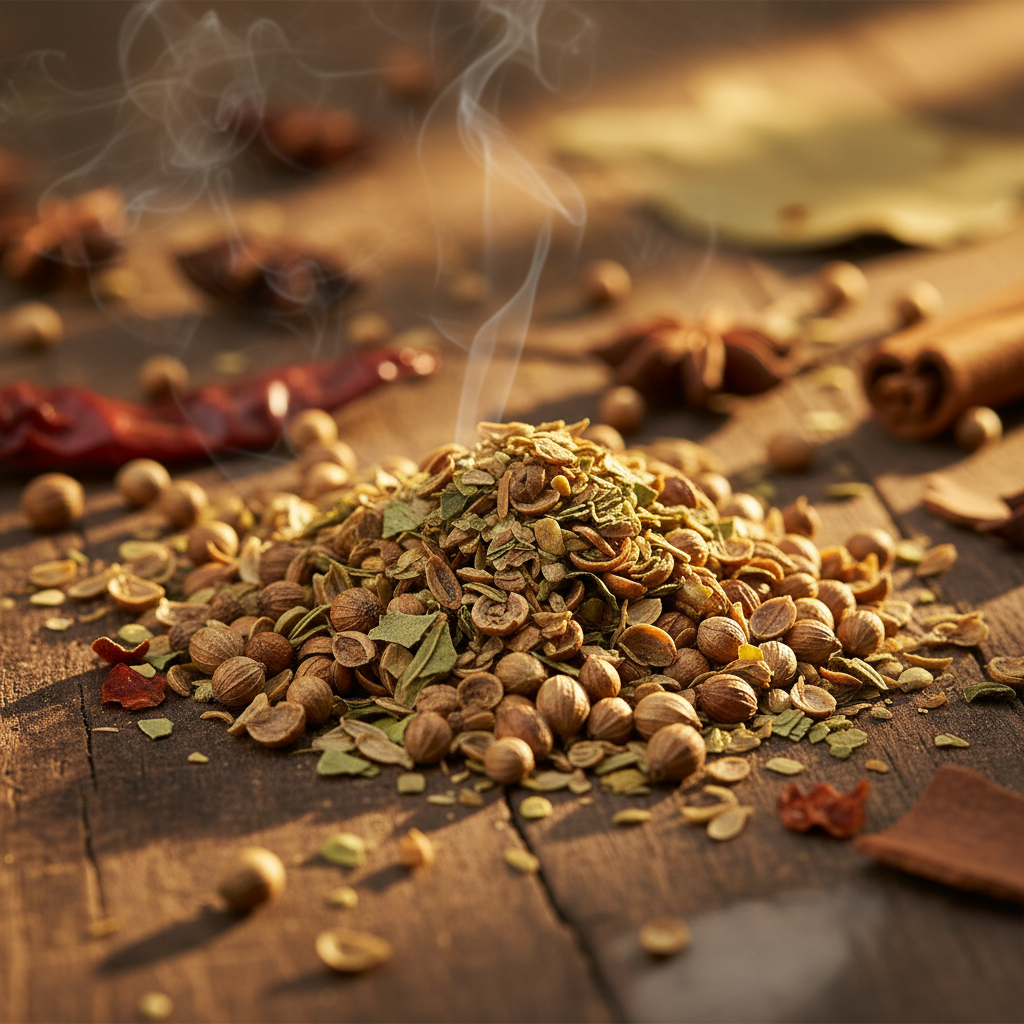
Coriander is a special spice that enchants people with its aroma alone. Both its leaves and seeds have a unique scent and flavor, adding depth to dishes. Fresh coriander leaves offer a refreshing and slightly bitter taste, while the seeds emit a warm and nutty aroma. This combination provides a delightful experience for the palate, bringing a diverse transformation to different cuisines.

History and Spice Trade
Coriander has been cherished across various civilizations, including ancient Egypt, Greece, and Rome. It has been widely used in the Mediterranean region since ancient times and became a significant commodity in the spice trade during the Age of Exploration. During this period, coriander spread extensively along trade routes connecting Europe and Asia, becoming an essential element in the culinary traditions of many cultures.
Origin and Cultivation
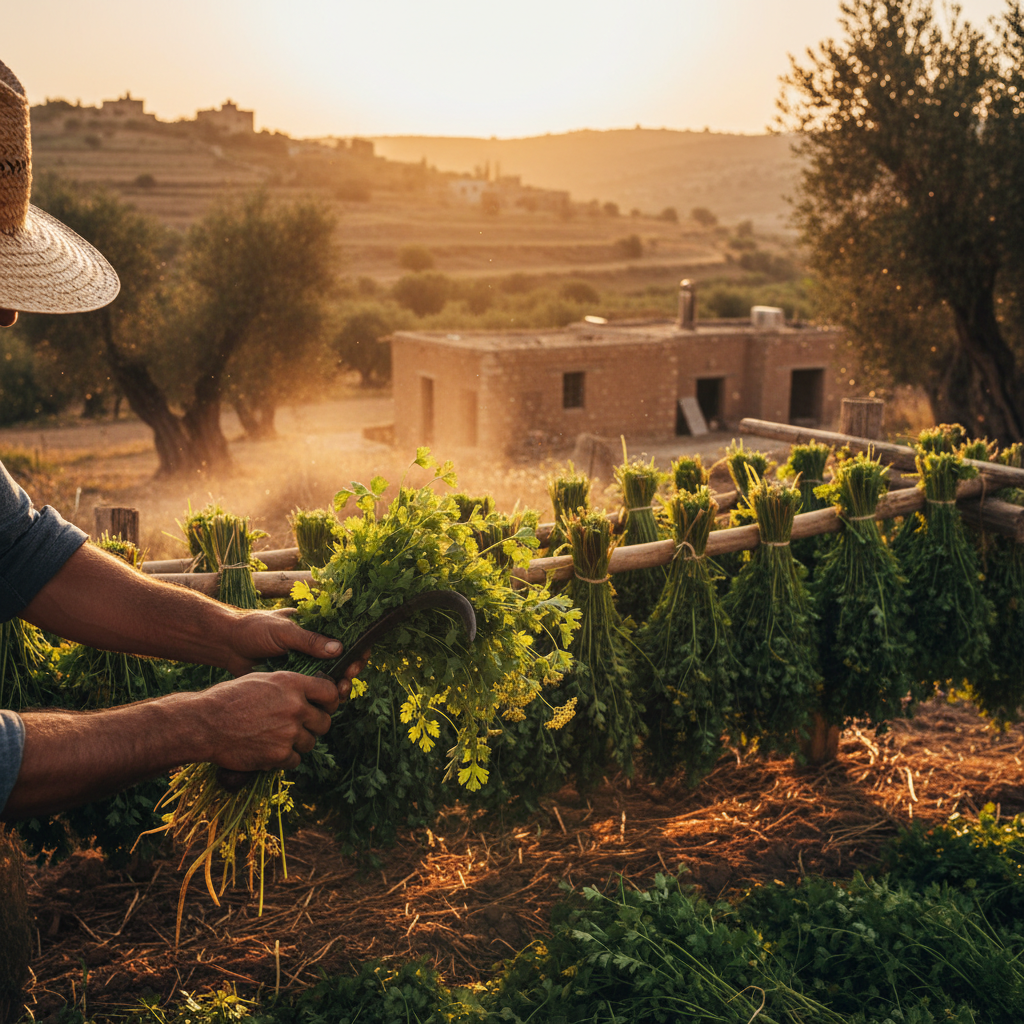
Coriander originates primarily from the Mediterranean and Middle Eastern regions, thriving in their warm and dry climates. It can be harvested around 3 to 4 months after planting the seeds. The plant requires plenty of sunlight, and the harvest typically takes place early in the morning to preserve its aroma to the fullest.

Culinary Uses
Coriander is used in a variety of dishes, particularly in Asian, Middle Eastern, and Latin American cuisines. It adds depth to dishes like Indian curries, Mexican salsas, and Thai Tom Yum soup with its distinctive aroma. Coriander also pairs well with lemon, lime, and chili, harmoniously blending various flavors.
Health Benefits
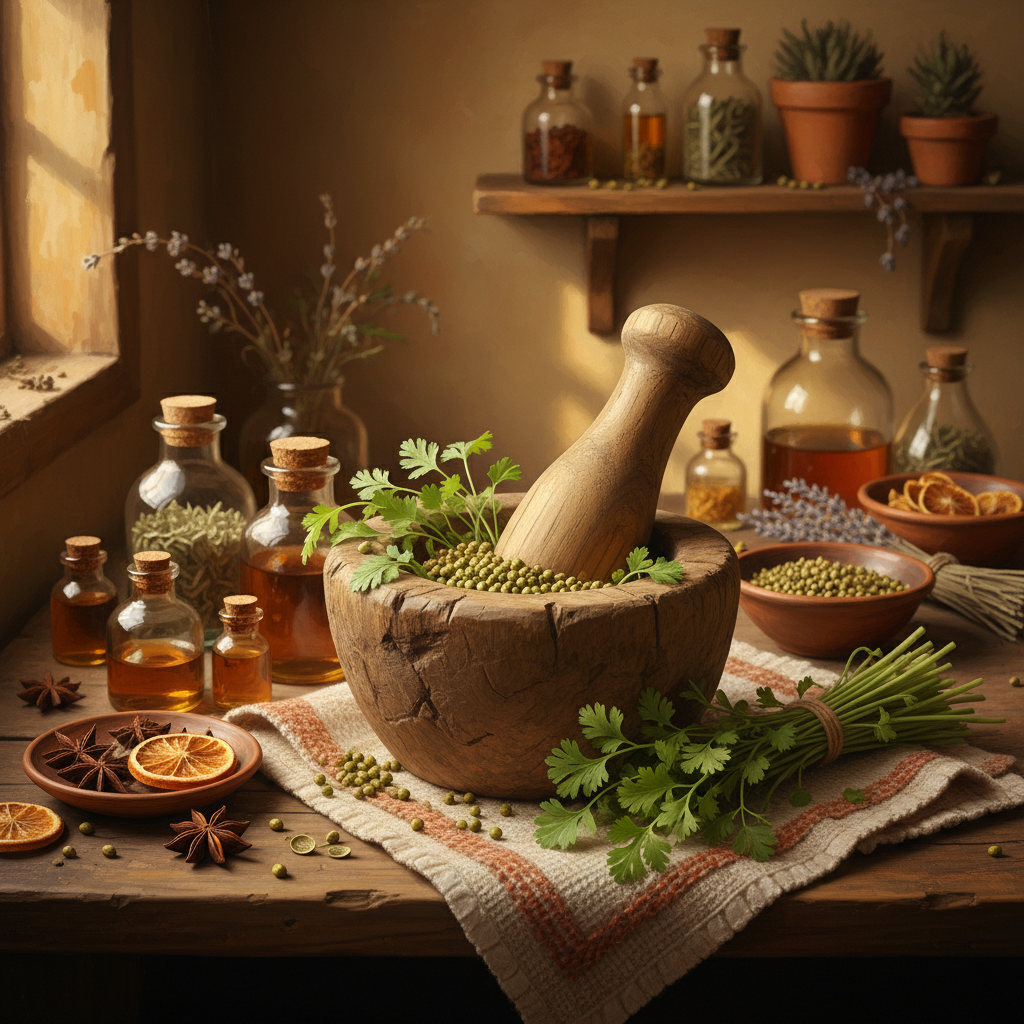
In traditional medicine, coriander has been used to aid digestion, reduce inflammation, and strengthen the immune system. Modern research has revealed health benefits such as antioxidant effects, blood sugar regulation, and cholesterol reduction. For these reasons, coriander is recognized not just as a spice but as a superfood beneficial for health.
Purchasing & Storage Tips
When selecting coriander, it is important to choose fresh leaves that are vibrant green and not wilted. In the fridge, coriander can be stored in a plastic bag to maintain freshness longer. Seeds should be kept in a dry, cool place to preserve their aroma.

Recommended Recipes
Fresh Coriander Pesto
Combine 1 cup of fresh coriander leaves, 2 cloves of garlic, 1/4 cup of almonds, 1/3 cup of olive oil, 1/2 cup of Parmesan cheese, salt, and pepper in a blender. This pesto can be used for pasta or sandwiches.
Coriander Lime Dressing
Mix half a cup of coriander leaves, 2 tablespoons of lime juice, 1 tablespoon of honey, 1/4 cup of olive oil, salt, and pepper to use as a salad dressing.
This narrative infuses the mystique and versatility of coriander into its presentation, aiming to both educate and inspire culinary exploration.