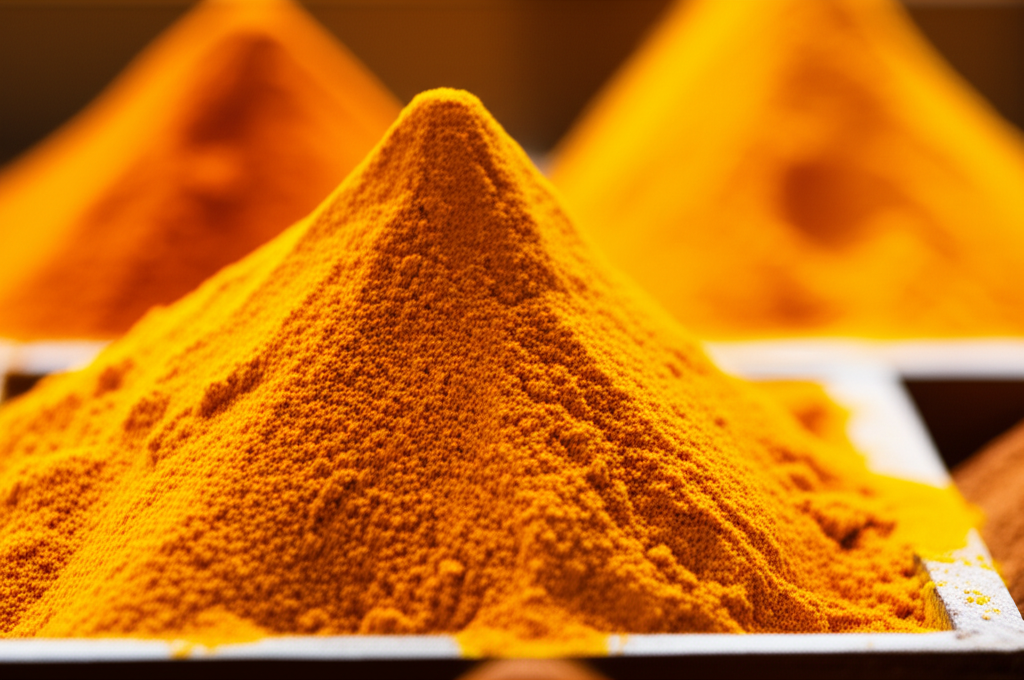
✨ What is Turmeric?
Turmeric, a mesmerizing spice from the ginger family, is a root that captivates with its vibrant golden hue. Originating from the Indian subcontinent, it has been cherished for thousands of years as a cornerstone of Asian cuisine and a vital ingredient in traditional medicine. Its unique aroma, a blend of earthy, peppery notes with a subtle bitterness, adds profound depth and warmth to any dish. The key component, curcumin, not only gives turmeric its distinctive color but also garners global attention for its myriad health benefits. More than just a spice, turmeric invites you to explore a world where culture, health, and gastronomy beautifully intertwine.
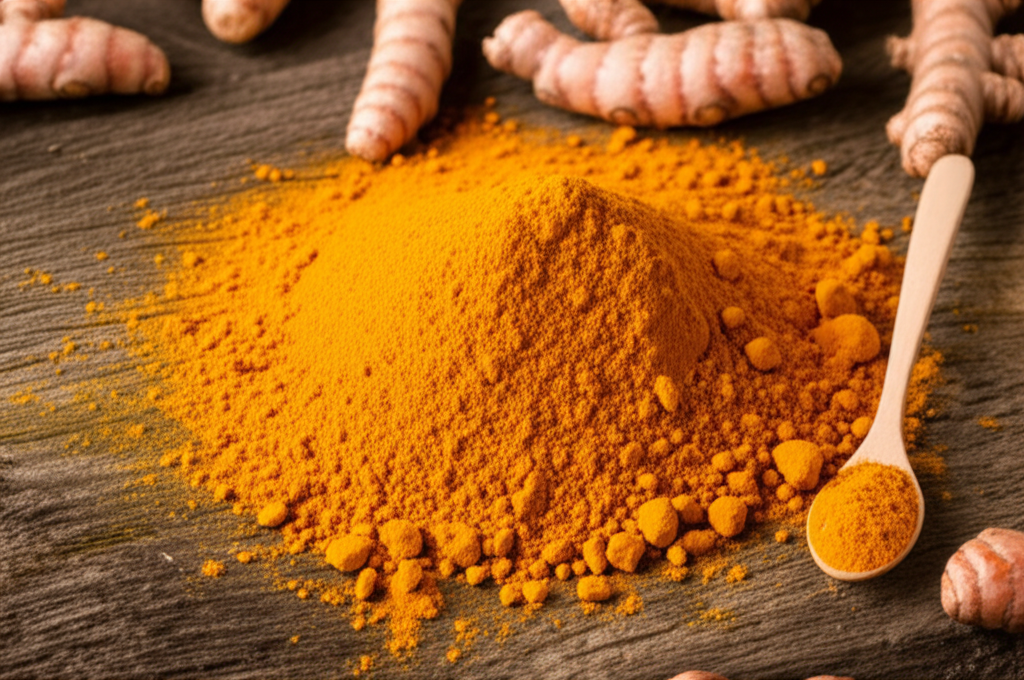
📜 History of Turmeric
The history of turmeric begins with the ancient wisdom of India. Cultivated since around 2000 BCE, turmeric was a fundamental herb in Ayurvedic medicine and played significant roles in religious ceremonies and as a dye. This golden rhizome journeyed along the Silk Road and maritime trade routes, spreading to the Middle East, Africa, and Southeast Asia, integrating into their respective culinary and traditional practices. Ancient civilizations were captivated by turmeric's remarkable properties and beautiful color, leading it to be known as the "golden spice." To this day, turmeric remains a crucial symbol of India's culture and spirit.
🌟 Why Turmeric is special
Among countless spices, turmeric receives uniquely special treatment for undeniable reasons. Firstly, its distinctively warm, golden color, unmatched by any other spice, adds visual splendor to dishes—it's such a potent pigment that it's also used as a natural dye. Secondly, the complex flavor profile, a harmonious blend of earthiness, pepperiness, and a delicate bitterness, infuses dishes with depth and exotic charm. Thirdly, the abundant curcumin in turmeric offers more than just taste and aroma; it provides powerful antioxidant and anti-inflammatory benefits, elevating turmeric to "super spice" status. Encompassing taste, aroma, color, and health, turmeric truly stands as an epitome of a perfect spice.
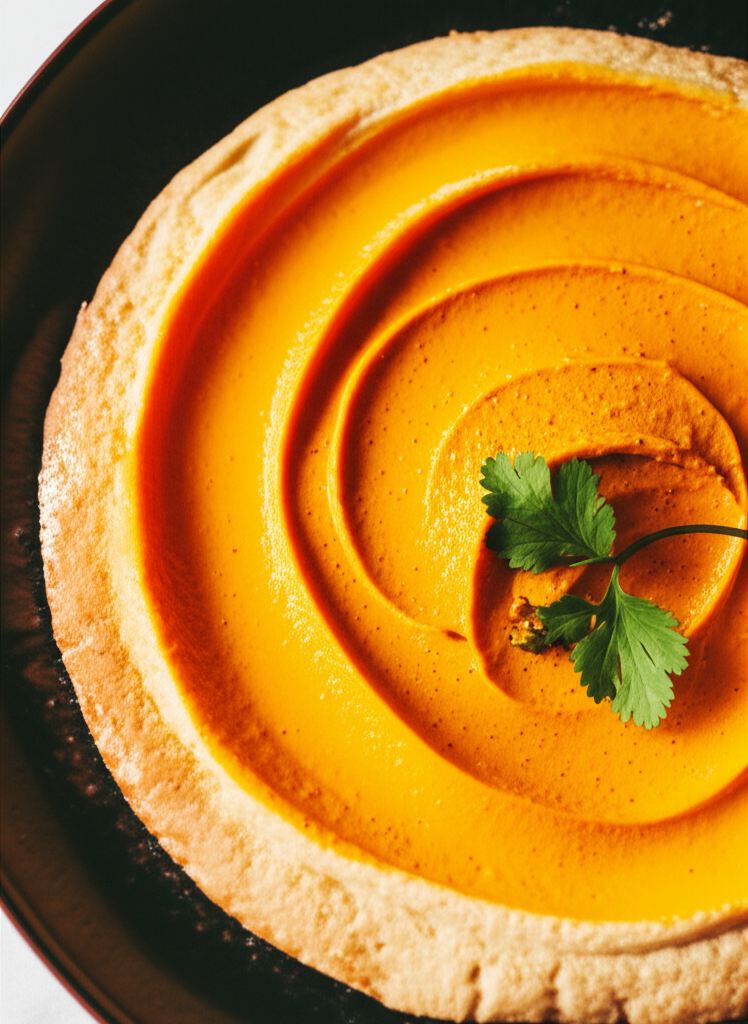
🍳 Cooking with Turmeric
Turmeric is a magical ingredient that can transform your cooking. While widely known as a staple in Indian curries, its culinary applications are incredibly diverse. Here are a few popular ways to incorporate turmeric, highlighting its flavor and color:
- Turmeric Latte (Golden Milk): A comforting beverage made by warming milk with turmeric powder, ginger, cinnamon, and a touch of honey. It's perfect for relaxing evenings, offering a fragrant and smooth taste.
- Turmeric Curry: Sauté onions, garlic, and ginger, then add turmeric and other spices, along with chicken or vegetables, to create a rich and flavorful homemade curry. Turmeric provides its characteristic yellow hue and exotic aroma.
- Turmeric Rice: Simply add a pinch of turmeric powder when cooking rice. Each grain will be infused with a beautiful golden color and a subtle aroma, making your meal more special. It's also fantastic in stir-fries or pilafs.
Beyond these, turmeric can be used in soups, smoothies, and marinades for roasted vegetables, allowing you to enjoy both health and exquisite flavor simultaneously.
💪 Health Benefits
Turmeric is more than just a spice; it's often referred to as 'nature's medicine' due to its potent health benefits. At its core is curcumin, the active compound responsible for turmeric's vibrant yellow color. Numerous studies have revealed the following benefits of curcumin:
- Powerful Anti-inflammatory Effects: Curcumin helps to suppress chronic inflammation, beneficial for managing various inflammatory conditions like arthritis and digestive disorders.
- Excellent Antioxidant Properties: It neutralizes harmful free radicals in the body, preventing cellular damage and contributing to anti-aging and immune system enhancement.
- Improved Digestive Function: It promotes bile production, aiding in fat digestion and potentially alleviating symptoms of indigestion.
- Enhanced Brain Health: Research suggests its potential in supporting the growth of nerve cells and preventing neurodegenerative diseases such as Alzheimer's.
Furthermore, ongoing research explores its roles in blood sugar regulation and cardiovascular health. Regular consumption of turmeric can be a wise choice for a vibrant and healthy life.
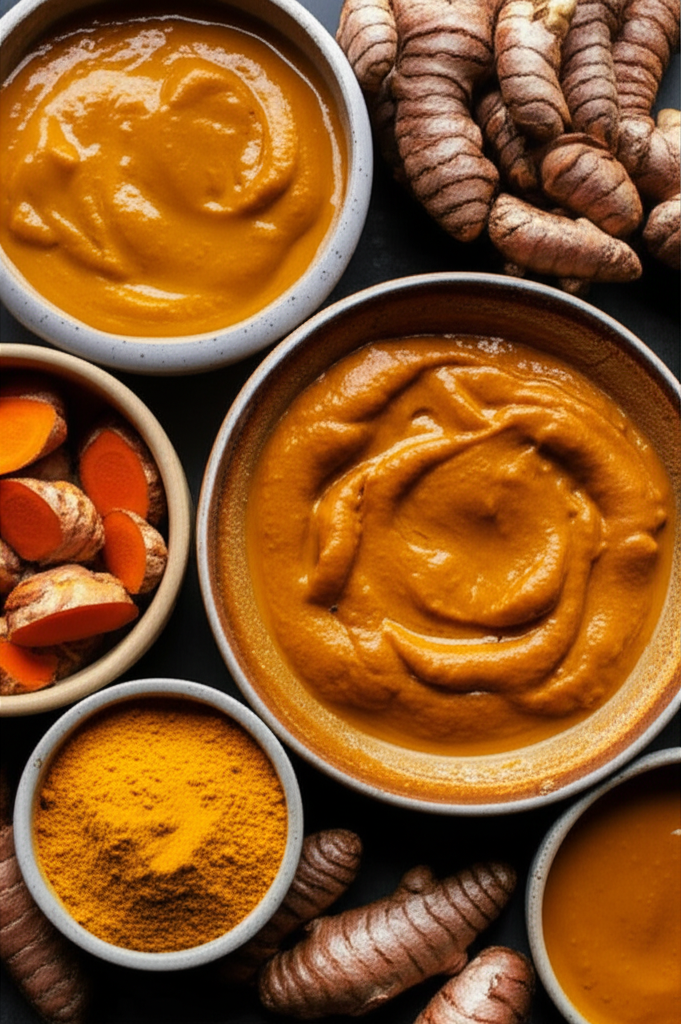
🛒 Where to Buy & Storage
Turmeric is readily available in both fresh rhizome and ground powder forms.
Where to Buy:
- Fresh Turmeric: Look for fresh turmeric at Asian grocery stores, the specialty produce section of larger supermarkets, or organic food stores. It resembles ginger but typically has a deeper orange hue inside.
- Ground Turmeric: This is the most common form and can be purchased at almost any supermarket, spice shop, or online retailer. For organic certified products or specific origins, specialty spice shops are recommended.
Storage Tips:
- Fresh Turmeric: Store unpeeled rhizomes wrapped in a paper towel inside an airtight container or zip-top bag in the refrigerator for 2-3 weeks. You can also peel, slice, or mince it and freeze for longer preservation.
- Ground Turmeric: Keep ground turmeric in an airtight container in a cool, dark, and dry place, away from direct sunlight. It is susceptible to moisture, so proper sealing will help it retain its aroma and flavor for 2-3 years. It's advisable to replace older powder as its potency diminishes over time.
By following these proper storage methods, you can enjoy the fresh taste, aroma, and health benefits of turmeric for a long time!