The Allure of Turmeric: Golden Earthiness, Warm Comfort
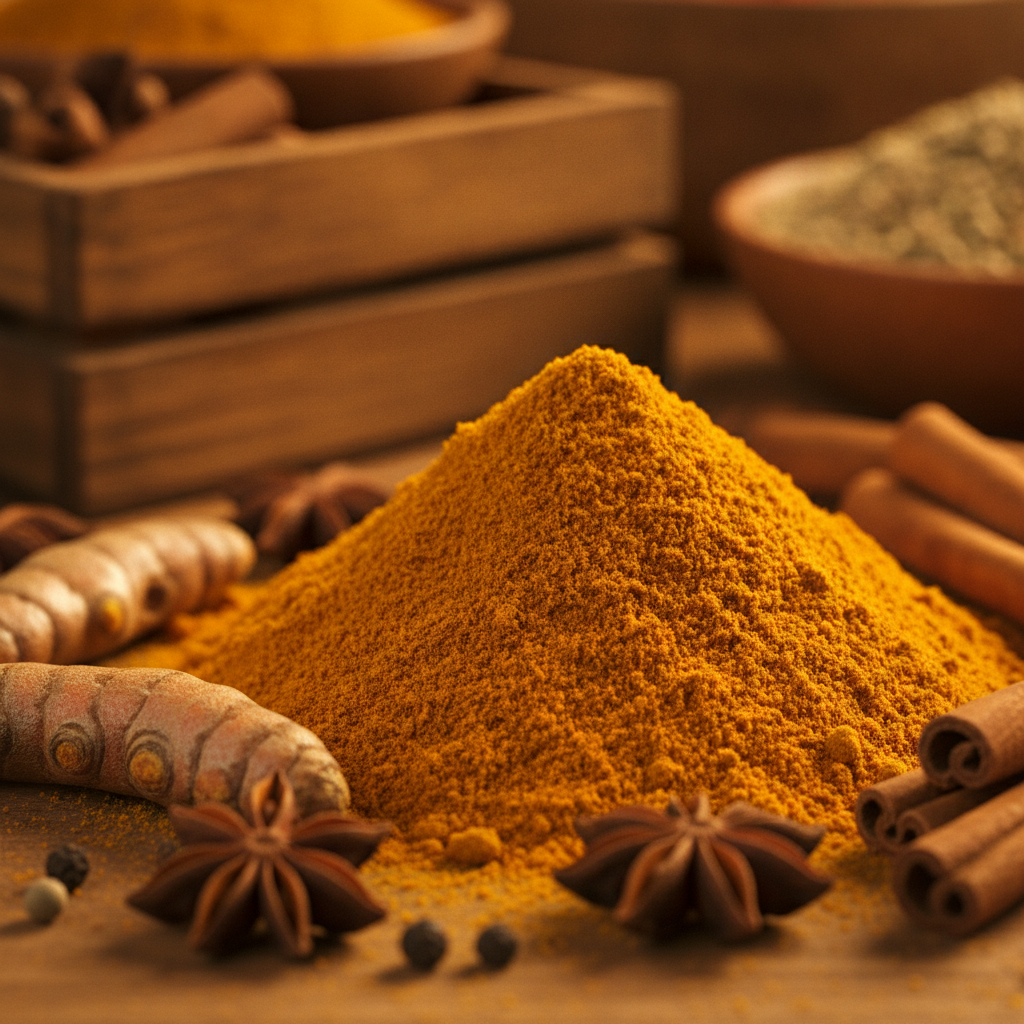
When you hold a pinch of dark golden powder in your hand, what wafts up is not just a scent. Turmeric, this spice, seems to condense the vitality of moist earth and the energy of the scorching sun, carrying a unique fragrance. At first, it approaches with a bitter and pungent edge, but soon, a warm, subtle earthy aroma embraces the whole body. It is as serene and profound as the incense rising from an ancient temple, while simultaneously conveying the vital energy of the earth. The allure of turmeric doesn't stop at taste. Close your eyes and inhale its scent, and scenes of bustling Indian markets, vibrant street food stalls, and tranquil temple grounds flash by like a movie. Added to dishes, it deepens the flavor and offers a visual delight with its vivid yellow color. More than just a spice, turmeric is an art and culture in itself, stimulating the senses and moving the heart. Its charm, sometimes like a soft whisper, sometimes like a powerful shout, approaches us, providing an unforgettable experience.
Turmeric is not just a color. It is the memory of the sun and the heart of the earth. - Anonymous
History and Spice Trade: The Golden Legend's Voyage
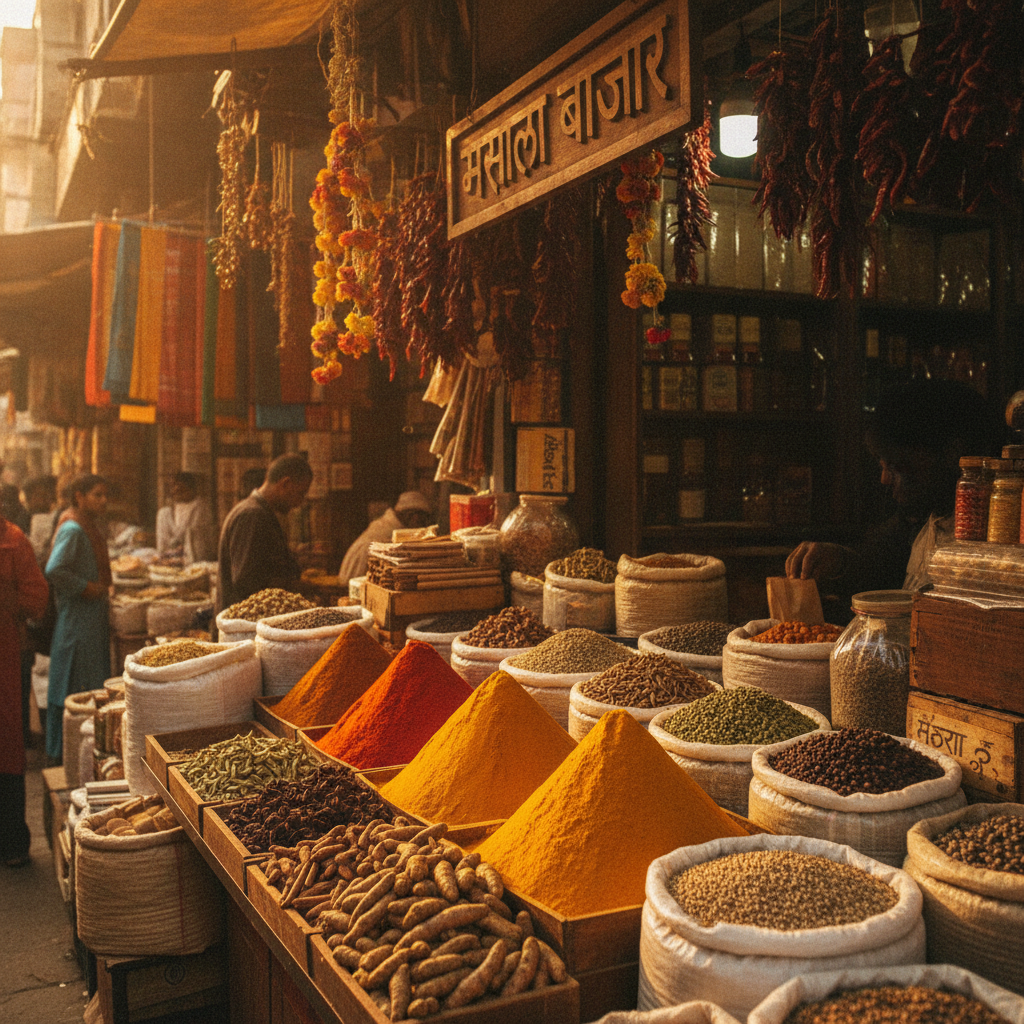
The history of turmeric begins with the dawn of human civilization. Traces of turmeric use have been found in the ruins of the Indus Valley Civilization dating back to around 2000 BCE, indicating that this golden root was deeply intertwined with Indian life from ancient times. As a part of religious rituals, dye, medicine, and of course, a flavor-enhancing spice, turmeric was indispensable. In Ayurvedic medicine, turmeric was highly valued and used for thousands of years as a panacea. Spreading to ancient Persia and China, turmeric became an important trade item connecting East and West along the Silk Road, and its golden hue became a symbol of Eastern mystique.
With the advent of the Age of Discovery, turmeric truly entered the forefront of world history. Columbus's quest for a sea route to India, and Vasco da Gama's journey around the Cape of Good Hope to reach India, were ultimately driven by the search for valuable Eastern spices like pepper, cinnamon, and cloves. While turmeric may not have boasted the explosive demand of pepper, its unique color and benefits left a deep impression on Europeans. Maritime powers like Portugal, the Netherlands, and Britain fiercely competed to control turmeric growing regions in India and Southeast Asia, a struggle deeply connected to the history of colonialism. Turmeric was not just a plant root; it was a living historical witness to the rise and fall of empires and the human spirit of exploration. A handful of its golden powder holds the sweat of countless sailors, the aspirations of merchants, and the ambitions of empires.
Origin and Cultivation: Golden Roots Born from Hot Earth
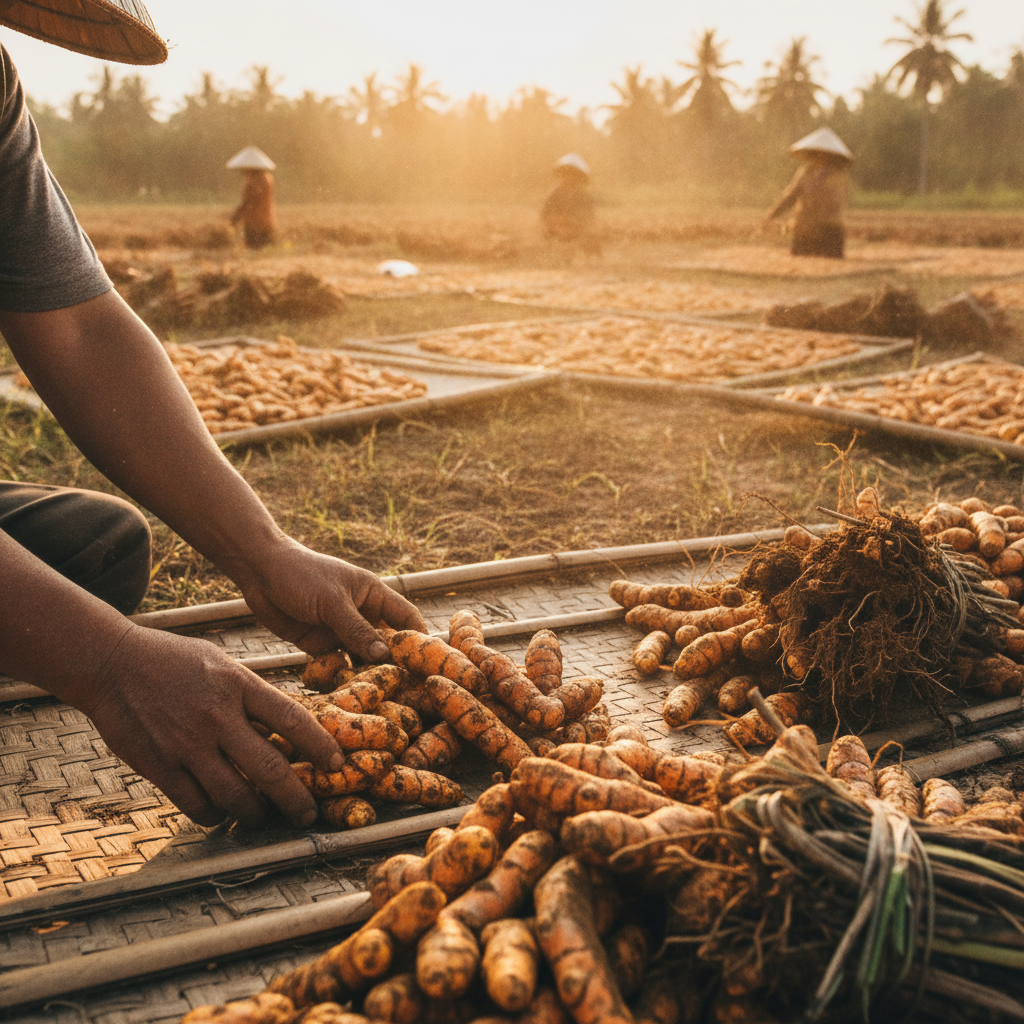
Turmeric's homeland is the hot plains of India and the humid tropical regions of Southeast Asia. India, in particular, accounts for over 80% of the world's turmeric production, with Andhra Pradesh, Tamil Nadu, and Maharashtra being major producing states. Turmeric is a perennial plant belonging to the ginger family, with the scientific name Curcuma longa. The rhizomes, or underground stems, which look somewhat similar to ginger, are the part we use as a spice. Turmeric thrives best in warm, humid climates and fertile, well-drained soil. Ample sunshine and regular rainfall are essential; it struggles to grow in dry climates.
Turmeric cultivation typically begins between May and July, with the onset of the monsoon season. Instead of seeds, small pieces of rhizome are planted in the ground, and they can be harvested after about 8 to 10 months. When harvest time approaches, the leaves and stems turn yellow and begin to dry out. Farmers then carefully dig up the rhizomes from the soil. The harvested turmeric rhizomes are cleaned of soil, thoroughly washed, and then briefly blanched in boiling water before drying. Blanching helps to set turmeric's characteristic color and aroma and extends its shelf life. The blanched turmeric is then dried in the sun or by machine, a process during which it loses moisture, hardens, and develops its deep golden color. Once fully dried, the turmeric is peeled and ground into the turmeric powder we commonly see. This entire process is infused with the sweat and dedication of farmers under the hot sun, making us feel the vitality of the earth contained within a handful of turmeric powder.

Culinary Uses: Golden Magic, Depth of Flavor
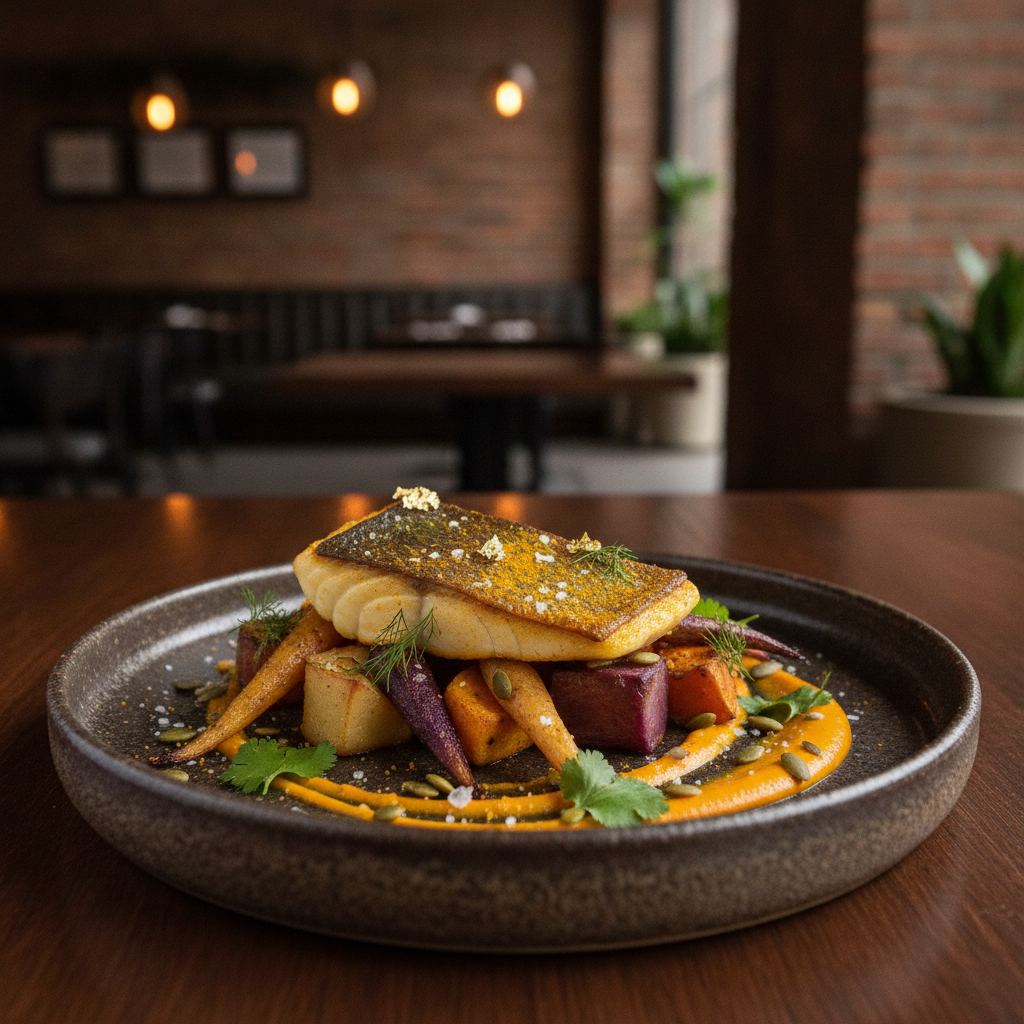
Turmeric is an indispensable key spice in Indian and Southeast Asian cuisine. Its unique earthy aroma, subtle bitterness, and vibrant golden hue simultaneously impart depth and color to dishes. Its most representative use is, undoubtedly, in curry. The characteristic yellow color and exotic flavor of Indian curries largely come from turmeric. Turmeric pairs well with any ingredient—meat, seafood, vegetables—and truly shines when used alongside other spices like onions, garlic, ginger, and chili. When combined with coconut milk, it yields a smooth flavor; with tomatoes, it creates a sweet and sour harmony.
In traditional dishes across Southeast Asia, such as Indonesian Nasi Goreng, Malaysian Laksa, and Thai Yellow Curry, turmeric plays a crucial role. Adding turmeric to rice dishes colors the grains golden and imparts a subtle aroma, creating a special taste. Using turmeric to marinate fish or chicken removes gamey odors and enhances flavor, and mixing it into batter for frying can add crispiness and a beautiful color. Recently, the use of turmeric in Western cuisine has been steadily increasing. Attempts to add turmeric to soups, smoothies, lattes, and even baking to boost health and exotic flavor are active. Turmeric latte, in particular, has become a globally beloved health drink. Turmeric is more than just a flavor enhancer; it is a golden magician that breathes life into dishes.
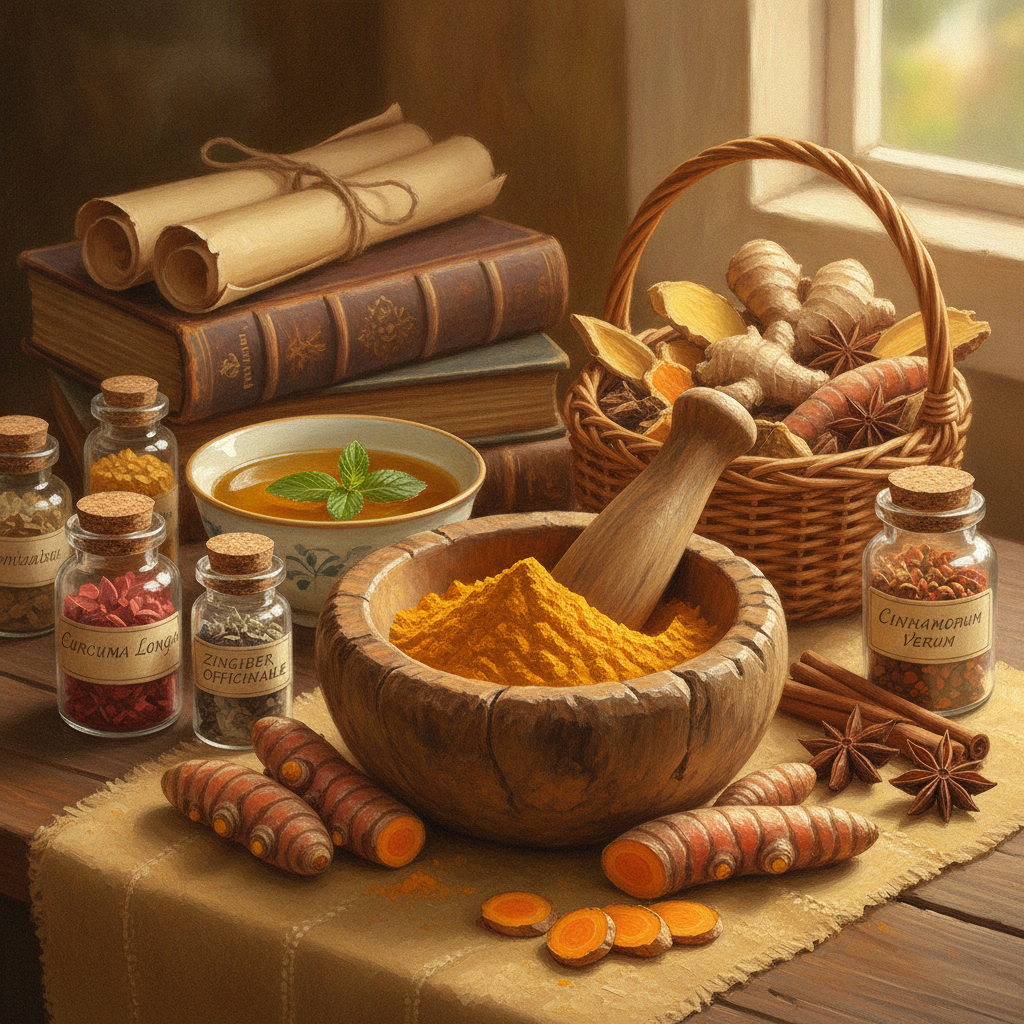
Health Benefits: Ancient Wisdom Meets Modern Science
For thousands of years, revered as the "golden herb" in Ayurvedic medicine, turmeric's efficacy is being progressively revealed through modern scientific research. Curcumin, the main active compound in turmeric, is known for its powerful anti-inflammatory and antioxidant properties. Chronic inflammation is a cause of various diseases, including cardiovascular disease, cancer, and Alzheimer's disease, and curcumin may help suppress these inflammatory responses.
Furthermore, turmeric positively impacts digestive health. It promotes bile secretion, aiding digestion, and can contribute to improving gut environment. Some studies suggest that turmeric may protect liver health and help strengthen immunity. Its benefits for brain health are also noteworthy. Research indicates that curcumin can increase brain-derived neurotrophic factor (BDNF) levels, potentially contributing to improved brain function and alleviation of depression. Additionally, active research is underway regarding its anti-cancer effects, with some studies reporting its ability to inhibit the growth and induce apoptosis of certain cancer cells. Of course, turmeric or curcumin is not a panacea for all diseases, but it can certainly play a supportive role in promoting health within a balanced diet and lifestyle. The wisdom of the ancients is shining even brighter under the light of modern science.
Buying & Storage Tips: Preserving Golden Freshness
Choosing good turmeric and storing it correctly is crucial for fully enjoying its flavor and benefits. Turmeric is primarily sold in powder form, but it can also be found as fresh root (rhizome, similar to ginger).
How to choose good turmeric powder:
- Color: Look for a vibrant, deep golden color. Too light or dull a color may indicate it's old or of poor quality.
- Aroma: It should have a strong, characteristic aroma with an earthy scent and a slight bitterness. Avoid any musty smell or lack of fragrance.
- Organic/Fair Trade: Whenever possible, choose organic certified or fair trade products to support better quality and sustainable production.
- Origin: India is the primary origin, so Indian turmeric is generally known for its good quality.
How to choose fresh turmeric root:
- Appearance: Choose firm, smooth roots without blemishes or mold. Avoid any that are too dry or soft.
- Color: When cut, the cross-section should reveal a deep orange or golden color.
How to store turmeric:
- Turmeric powder: Store in an airtight container in a cool, dry place away from direct sunlight. Moisture can quickly degrade turmeric's flavor and color, so be careful. It can usually be stored for about a year, but its aroma and flavor weaken over time, so it's best to use it as soon as possible.
- Fresh turmeric root: Wrap it in newspaper or paper towels with soil still on and store it in the refrigerator's vegetable drawer for 2-3 weeks. For longer storage, peel, chop, and freeze it. Grate as needed for convenience.