The Allure of Turmeric
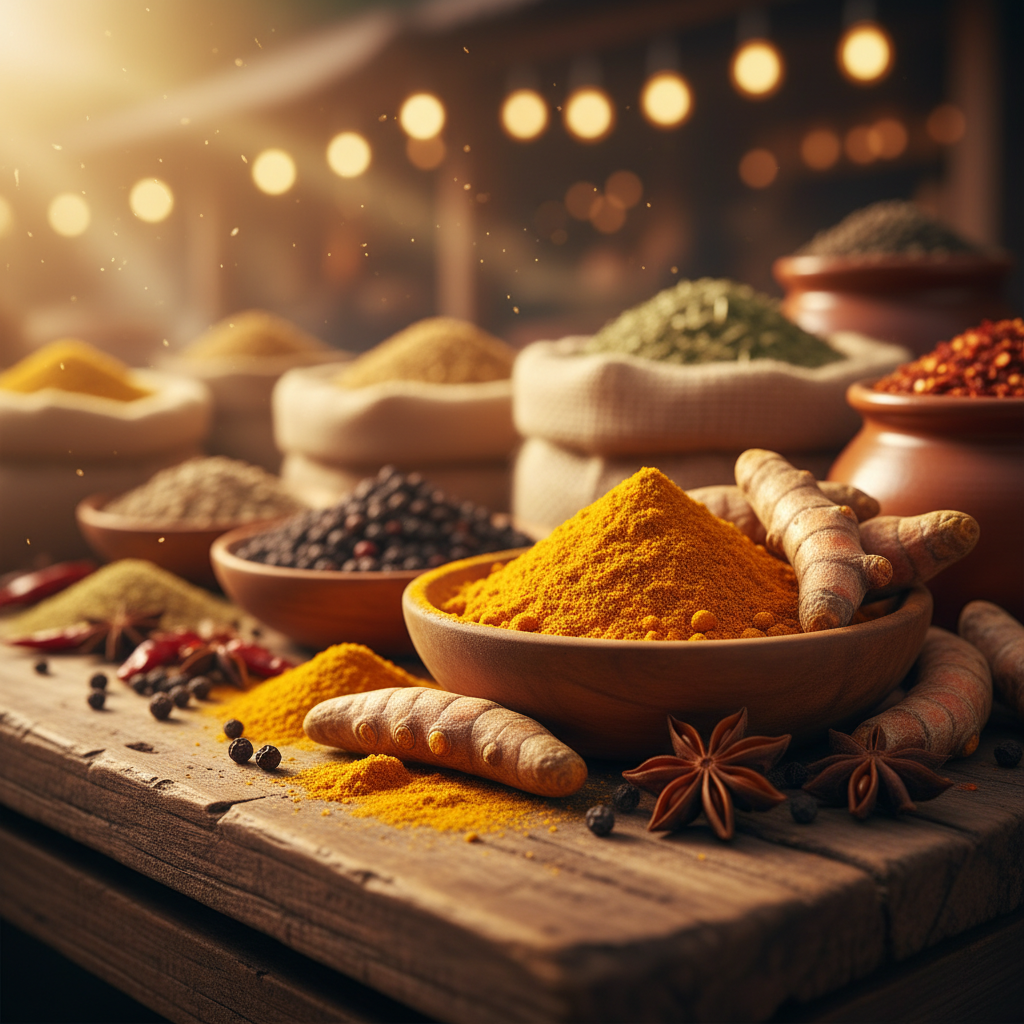
Turmeric boasts a unique golden hue and a rich, spicy aroma. Even a small amount can add depth to dishes, with its sweet and earthy scent being indispensable in Indian cuisine, forming the heart of many curries. Its color, akin to sunlight, brings vibrancy to the table, and beyond its flavor, it captivates the palate and warms the heart with its magical touch.

History and Spice Trade
Turmeric has been used on the Indian subcontinent for thousands of years. During the Age of Discovery, Europeans recognized its value and spread it globally through trade. The spice trade significantly impacted the European economy, and turmeric was among the important commodities. Its distinctive scent and color introduced new dimensions to European cuisine, marking the spread of spices across the globe.

Origin and Cultivation
Turmeric's primary origin is India and Southeast Asia. These regions' warm and humid climate offers optimal conditions for turmeric growth. It is mainly harvested as a root rhizome and used after boiling, drying, and grinding into powder. This traditional harvesting method helps preserve the flavor and nutrients of turmeric.

Culinary Uses
Turmeric is used in various dishes, especially as an essential ingredient in Indian cuisine. It is a staple in curries, kormas, and lassis, and its strong color and taste blend well with other spices. It pairs particularly well with ginger, garlic, and coriander, enhancing the depth of flavor in dishes. Turmeric's vibrant color alone boosts appetite and plays a significant role in adding depth to the taste.
Health Benefits
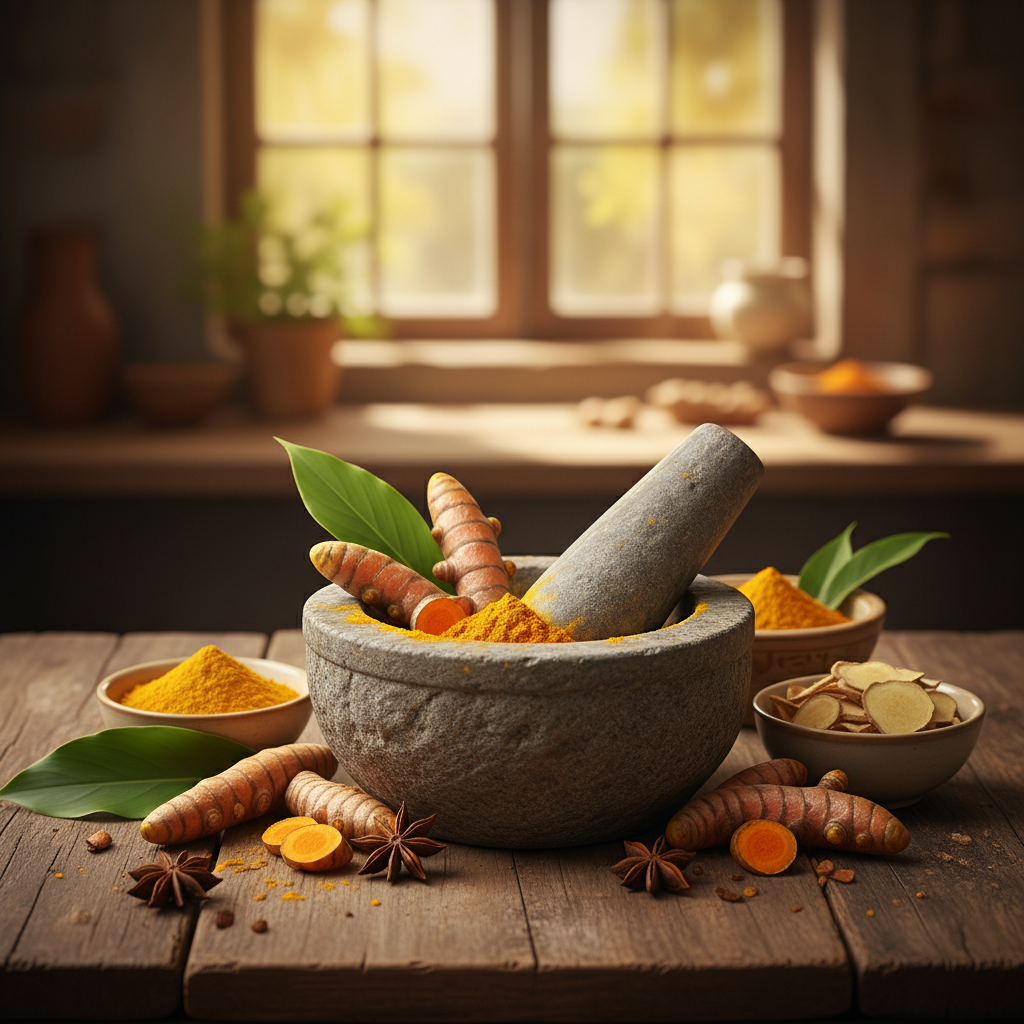
Traditionally used as a medicinal herb, modern research also supports turmeric's benefits. Curcumin, found in turmeric, has impressive anti-inflammatory effects and aids in boosting the immune system. It also has antioxidant properties, positively affecting anti-aging and cardiovascular health. These benefits make turmeric a valuable addition to a healthy diet.
Buying & Storage Tips
Turmeric can be purchased as fresh roots or in powdered form. Fresh turmeric should have a shiny skin and a refreshing aroma, while powdered turmeric should have a deep golden color. It is important to avoid moisture when storing turmeric; keep it sealed in a cool, dark place to maintain its freshness and aroma for a long time.

Recommended Recipes
Turmeric Lassi
Ingredients: 1 cup yogurt, 1/2 cup water, 1 tsp turmeric powder, 1 tbsp honey, a pinch of cardamom
Method: Blend all ingredients until smooth. Serve chilled.
Turmeric Vegetable Stir-fry
Ingredients: Carrots, broccoli, 1 tsp turmeric powder, salt, pepper, olive oil
Method: Stir-fry vegetables in olive oil, season with turmeric powder, salt, and pepper. Serve hot.