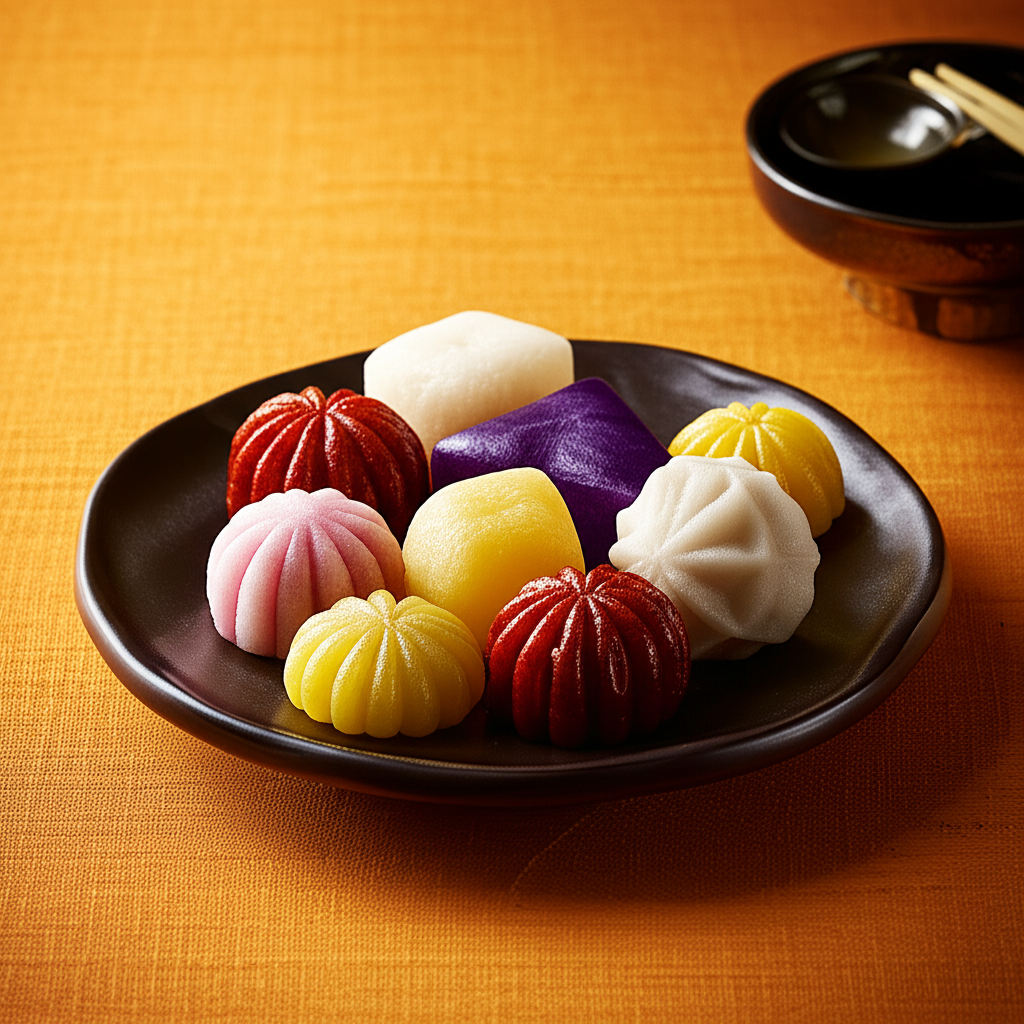
🍰 What is 전통 한과?
Hangwa refers to a diverse category of traditional Korean confections that have evolved alongside Korea's rich history. Made meticulously with primary ingredients like grain flour, honey, jocheong (grain syrup), and nuts, Hangwa boasts a wide array of types. These include yumilgwa (like yakgwa and gangjeong), dasik, jeonggwa, sukshilgwa, and yeotgangjeong, each showcasing unique ingredients and cooking methods, resulting in various flavors and shapes. More than just a simple snack, Hangwa is a culinary art form embodying the wisdom and aesthetics of our ancestors. It was historically served to esteemed guests on special occasions like holidays or feasts, and offered during ancestral rites. Using natural ingredients, Hangwa offers a subtle yet profound sweetness, free from artificial flavors, deeply reflecting the Korean sentiment. In modern times, it is being re-evaluated for its value as the original K-dessert, garnering much love as a healthy and beautiful treat.
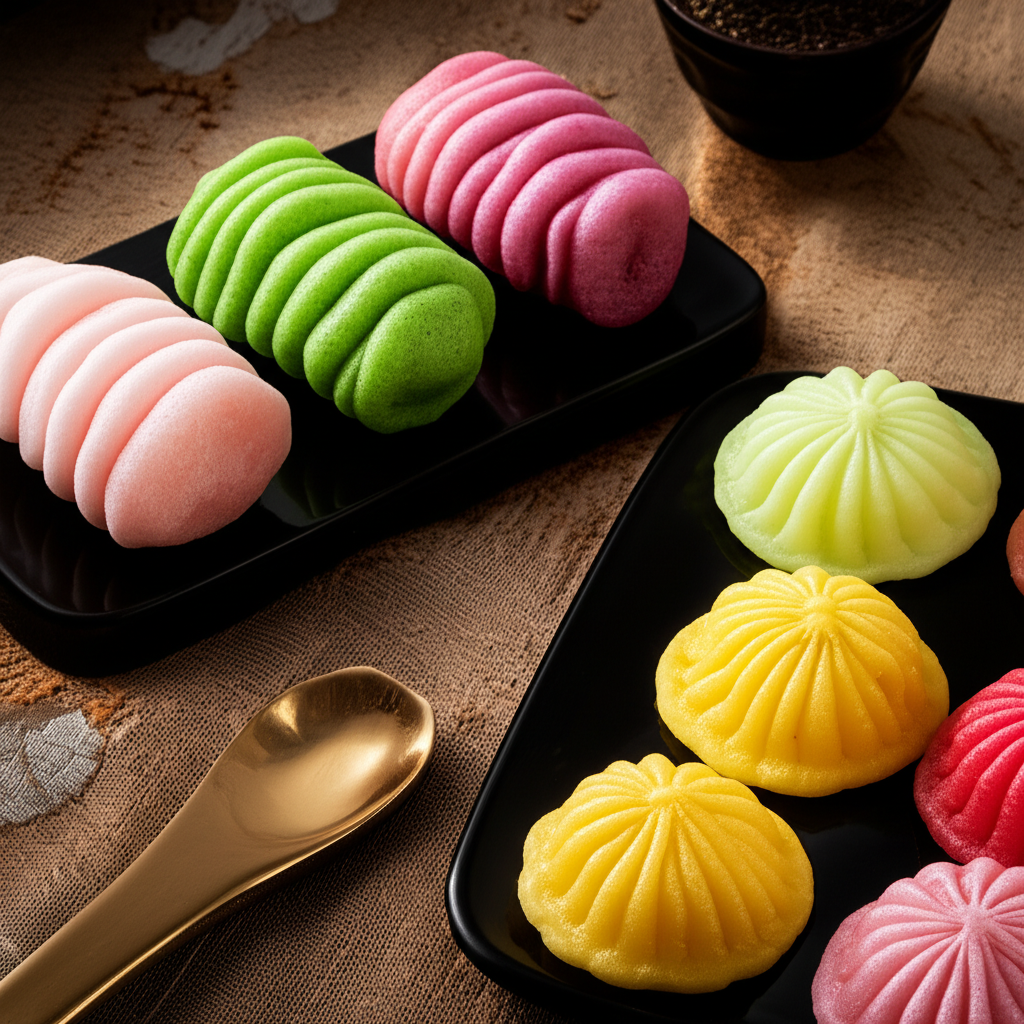
📜 History and Origins
The history of Hangwa dates back to the Three Kingdoms period. With the spread of Buddhism, which discouraged meat consumption and promoted tea drinking, snacks that could be enjoyed with tea began to develop. The Goryeo Dynasty, in particular, saw a flourishing tea culture, leading to significant advancements in the variety and preparation methods of Hangwa. During this era, confections like yakgwa and yumilgwa became prized delicacies served at aristocratic banquets, with a wide range of types emerging. By the Joseon Dynasty, as Confucianism took root, Hangwa evolved into an essential food item for ancestral rites and feasts. Royal families and noble households often had their own secret recipes for making Hangwa, which were passed down through generations as cherished family traditions. Made with precious ingredients such as wheat flour, rice flour, and honey, Hangwa was always considered a special and honored food, maintaining a close relationship with the lives of the Korean people and loved for centuries.
🌟 Why is it famous?
Hangwa has maintained its popularity and reputation over centuries for several compelling reasons. Firstly, it uses healthy, natural ingredients. Made from grains, honey, and nuts, it offers a gentle sweetness and deep flavor that is never artificial. Secondly, Hangwa embodies artistic aesthetics crafted through sincerity and time. Each piece reflects the artisan's touch and long hours of preparation, with its shapes and colors resembling a beautiful painting. Dasik and jeonggwa, in particular, inspire admiration for their delicate craftsmanship. Thirdly, its mild taste appeals to everyone, regardless of age. Not excessively sweet and possessing a soft texture, it can be comfortably enjoyed by elders and children alike. Lastly, Hangwa holds symbolic significance, adding meaning to special occasions. Preparing Hangwa for holidays or feasts is a traditional way to express sincerity and gratitude, making it more than just a dessert—it's a medium for sharing communal affection. These factors combined have established Hangwa as a special presence deeply rooted in Korean life.
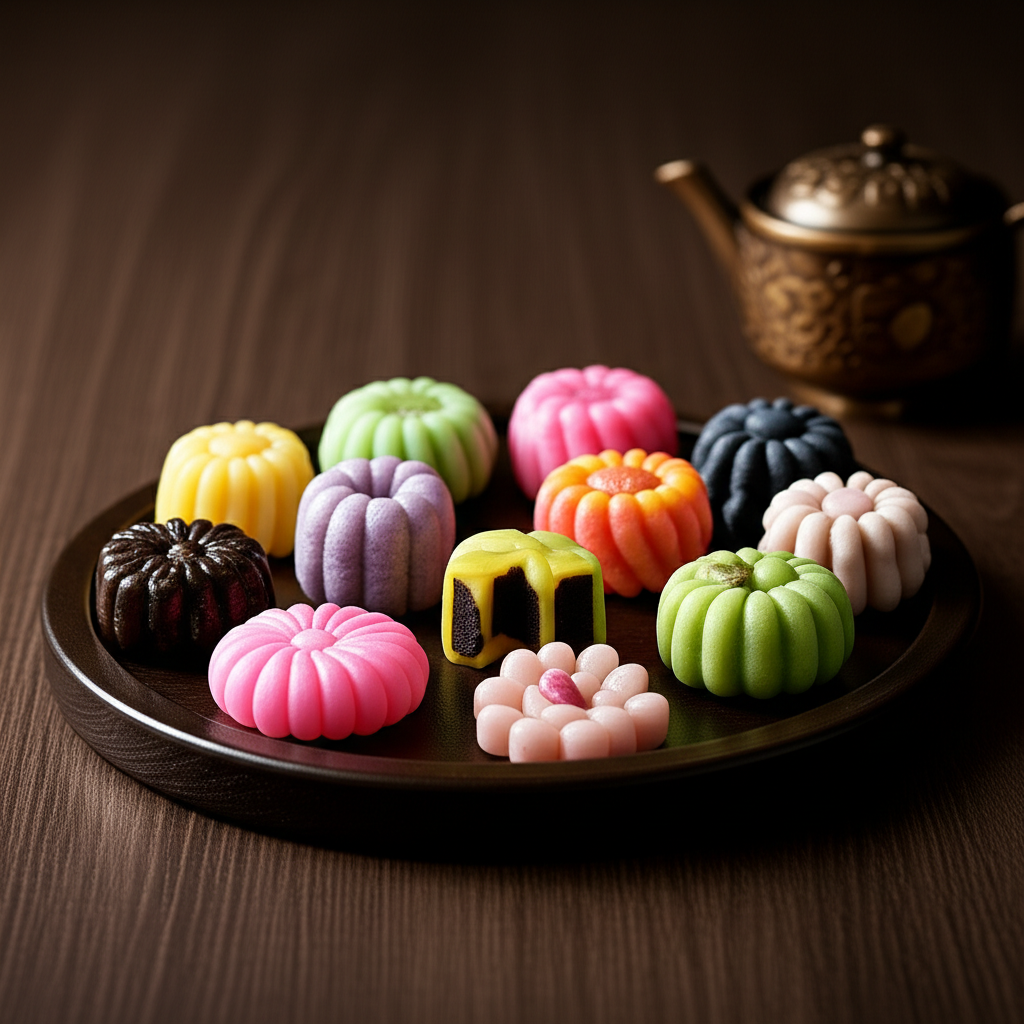
🏪 Famous Shops
- 1. Gungjungbyeonggwa Research Institute (궁중병과연구원): This institute leads the way in preserving and advancing the taste and aesthetics of traditional royal confections. Based on recipes passed down from the royal court, they create Hangwa with the finest ingredients and artisan dedication. Their yakgwa and dasik are particularly renowned for their exquisite quality and are highly popular as gifts.
- 2. Damyang Hangwa Master (담양 한과 명인): Damyang, Jeollanam-do, has long been famous for its Hangwa. Many masters here continue the tradition, passed down through three or four generations. Their yugwa and gangjeong, made with glutinous rice and jocheong, are nationally acclaimed for their crispy yet soft texture and deep nutty flavor. You can also discover unique Hangwa varieties made with local specialties.
- 3. Howondang (호원당): Located in Jongno, Seoul, Howondang is a place boasting a long history and tradition, specializing in tteok (rice cakes) and Hangwa. It's particularly popular for wedding and ceremonial foods, with its yakgwa and mandugwa being sought after as holiday gifts. The harmonious blend of modern sensibility and traditional taste appeals even to younger generations.
🛒 Where to Buy
Traditional Hangwa can be found in various places. For offline purchases, you can visit renowned specialty stores like the previously recommended Gungjungbyeonggwa Research Institute or Howondang. High-end Hangwa gift sets can also be found in department store food sections. Furthermore, traditional markets in the provinces and local specialty stores often offer Hangwa reflecting regional characteristics, allowing you to see and buy them directly. Especially before holidays, many places showcase Hangwa gift sets, so it's a good time to look. For online purchases, consider the official websites of Hangwa specialty stores or major online shopping malls like Naver Smart Store, Coupang, and Market Kurly. Searching for '전통 한과' (traditional Hangwa) or specific types like '수제 약과' (handmade yakgwa) will bring up various sellers. It's important to choose sellers that ensure careful packaging for freshness and direct delivery, and checking reviews is recommended to select trustworthy providers.
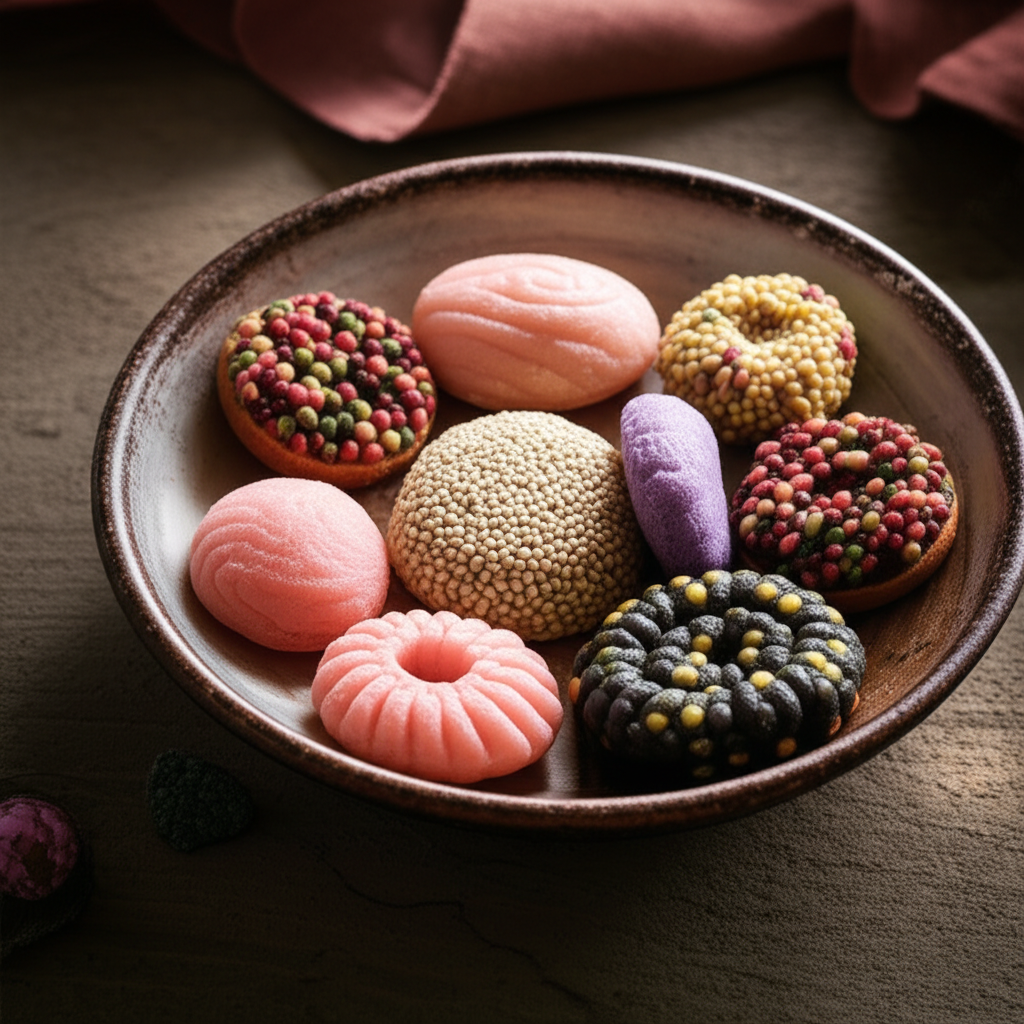
💡 Tips for Enjoying
Here are a few tips to enhance your enjoyment of traditional Hangwa:
- Storage: Hangwa is susceptible to moisture, so it's best to store it in an airtight container in a cool, dry place. Yugwa and gangjeong can maintain their crispiness if frozen; simply take them out 10-20 minutes before eating and let them thaw naturally. Yakgwa and dasik can harden if refrigerated, so room temperature storage is recommended.
- Pairing: Hangwa pairs wonderfully with warm tea. Enjoy it with bitter green tea, fragrant chrysanthemum tea, or savory barley tea, according to your preference. Surprisingly, it also goes well with coffee or milk, allowing you to enjoy it like a modern dessert. Plain Hangwa, in particular, complements Americano, while sweet yakgwa harmonizes well with a latte.
- Serving Suggestions: While Hangwa is excellent on its own, adding thinly sliced fruits or nuts can enrich its flavor and texture. Try topping ice cream with yakgwa, or sprinkling crushed gangjeong over plain yogurt for a new twist. Perhaps the most delightful way to enjoy Hangwa is to share it with loved ones, engaging in pleasant conversation – isn't that the essence of a truly enjoyable treat?