The History and Origin of Sundubu-jjigae
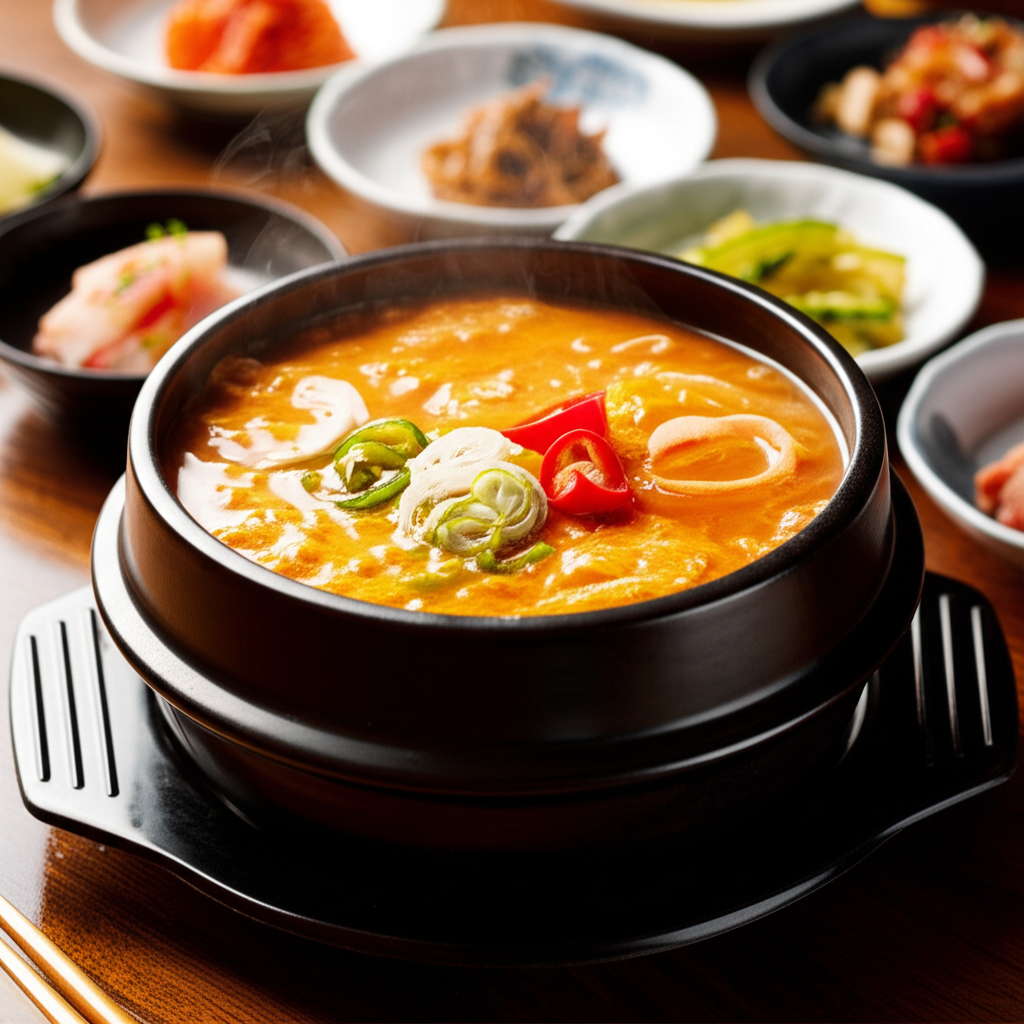
Sundubu-jjigae is one of Korea's traditional dishes, tracing its origins back to the Joseon Dynasty. Soft tofu, or "sundubu," has existed since ancient times, and when combined with spicy seasoning, it evolved into the sundubu-jjigae we know today. Originally, sundubu was considered a delicacy fit for royalty, not easily accessible to commoners. However, over time, it became widespread among the general population and has now become a staple in Korean households. Sundubu-jjigae is a quintessential dish for families to gather around on cold winter days, deeply rooted in the everyday culinary culture of Korea.
Traditional Recipe
The traditional recipe for sundubu-jjigae is relatively simple, but fresh ingredients are essential to achieve its rich flavor. Here is a basic sundubu-jjigae recipe.
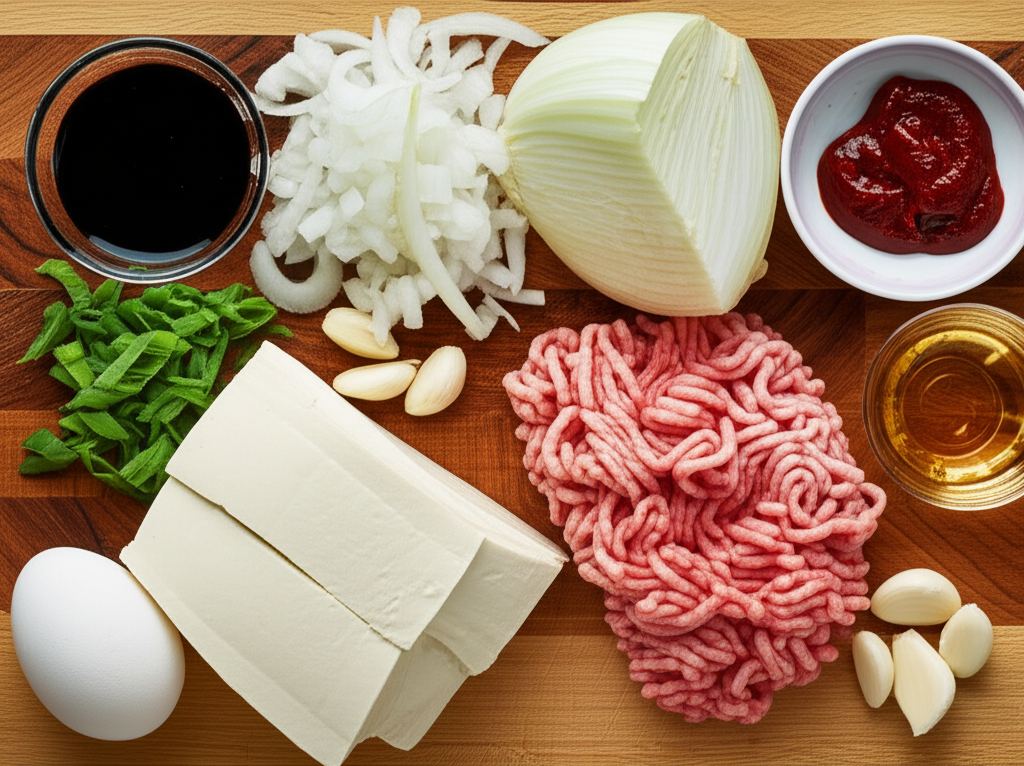
Ingredients
- 1 pack of soft tofu (300g)
- 100g minced pork
- 1/2 onion
- 1 green onion
- 2 cloves of garlic
- 1 tablespoon red pepper powder
- 1 tablespoon red pepper paste
- 1 tablespoon soy sauce
- 1 teaspoon sesame oil
- 2 cups of water
- 1 egg
- Salt and pepper to taste
Instructions
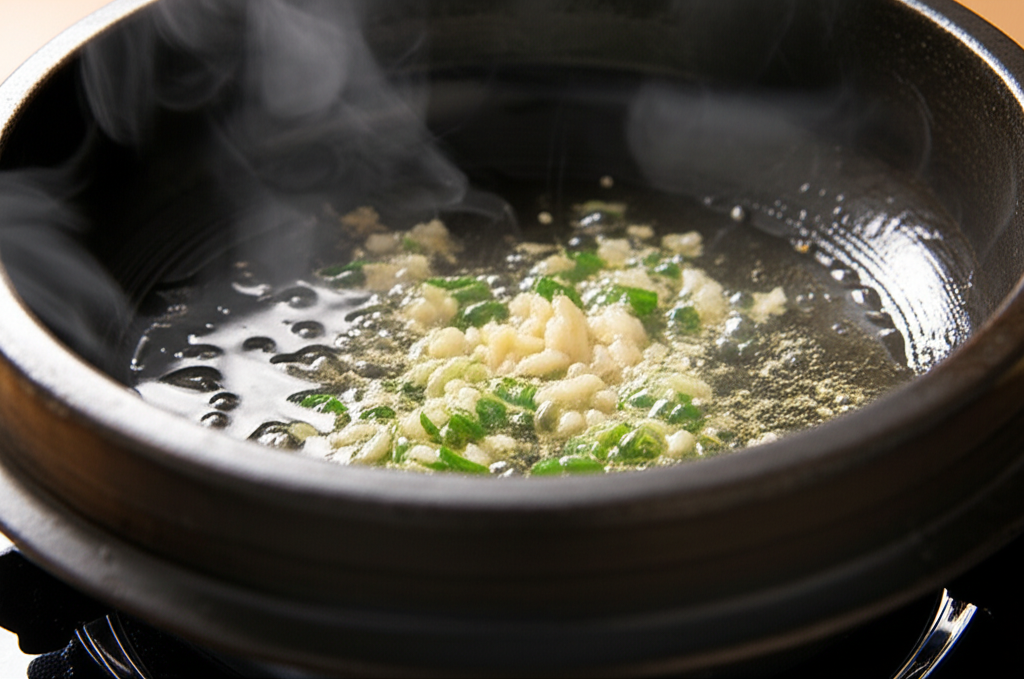
- In a pot, heat sesame oil and sauté minced garlic and green onions over low heat.
- Add minced pork and cook over medium heat until browned, then add onions.
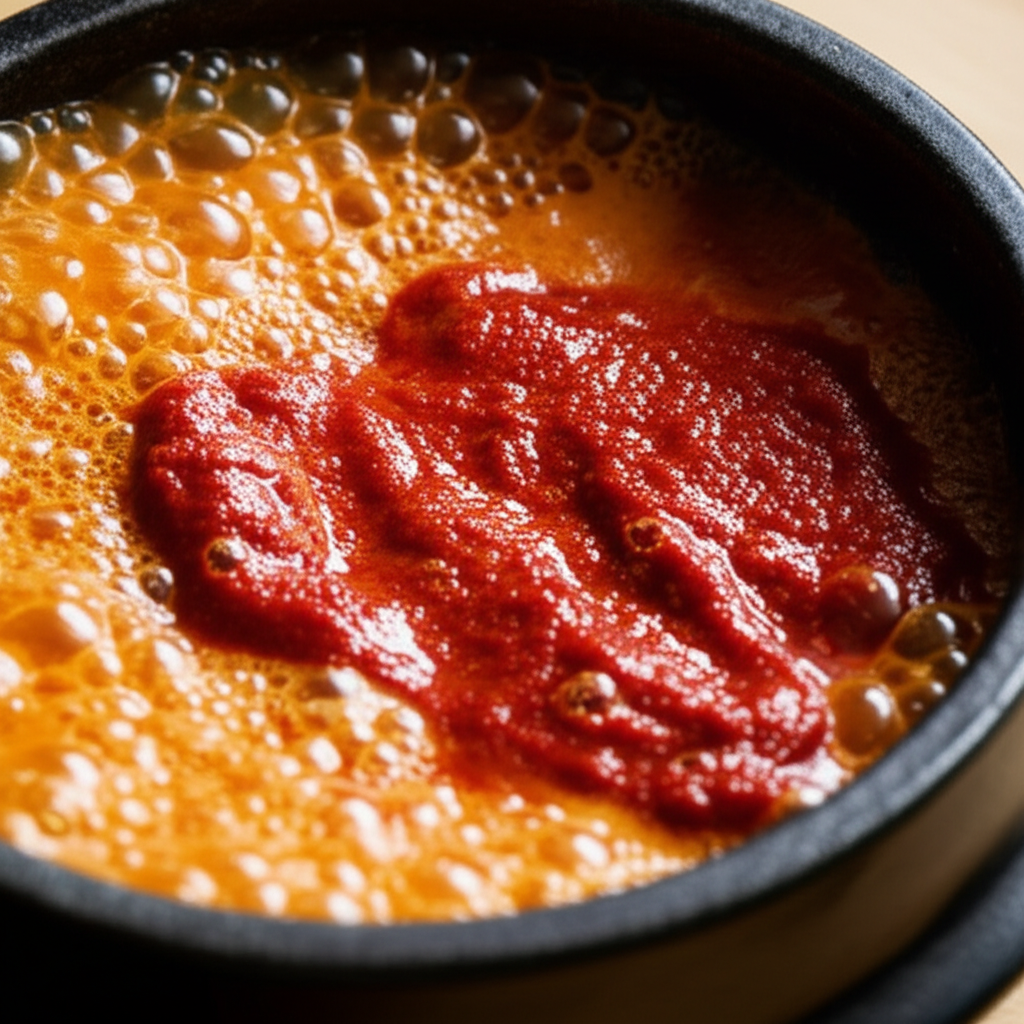
- Mix in red pepper powder and paste, then pour in 2 cups of water and bring to a boil.
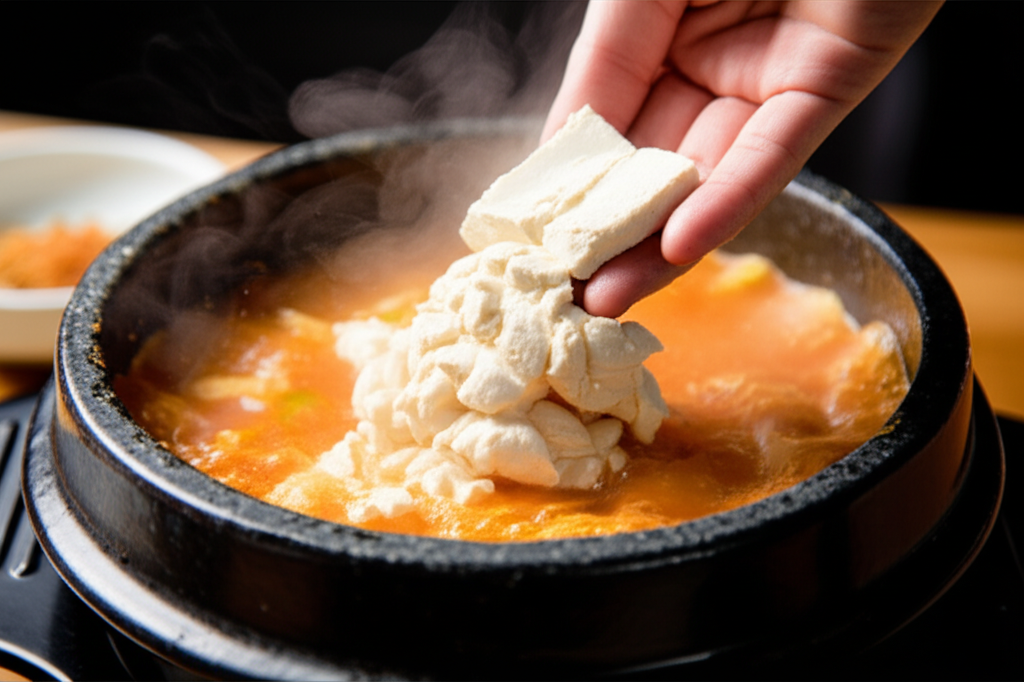
- Once boiling, break the soft tofu into large pieces and add to the pot, along with soy sauce. Simmer over low heat for 10 minutes.
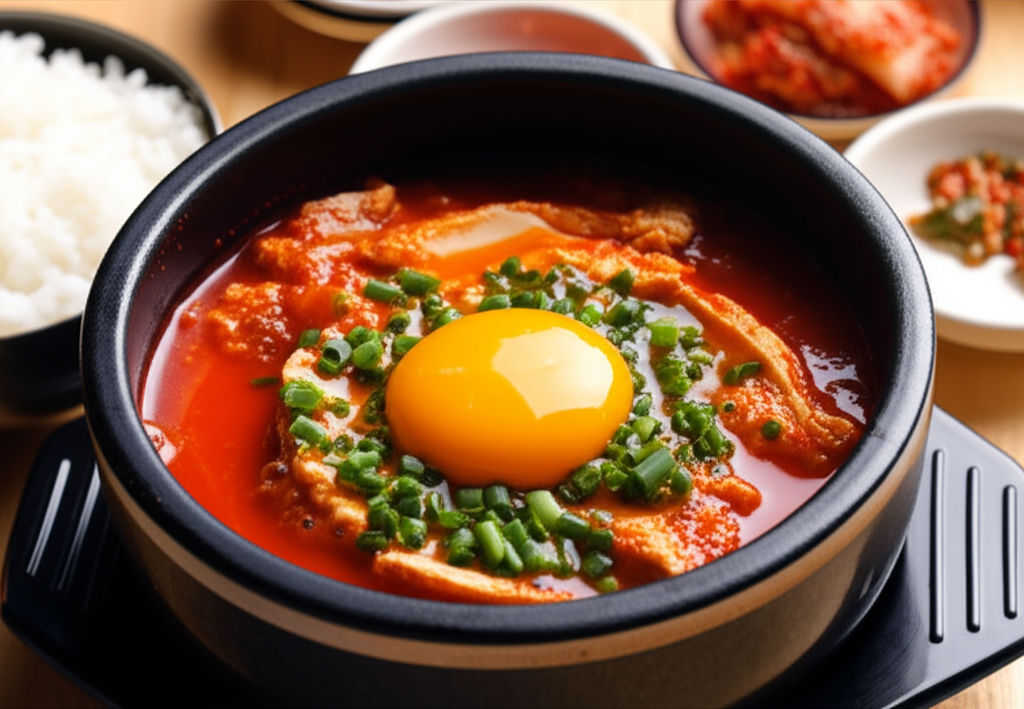
- Season with salt and pepper, then crack an egg on top and allow it to poach to your desired level.
Flavor Characteristics
The flavors of sundubu-jjigae are layered and complex. The soft tofu melts in the mouth, while the spicy broth offers a clean yet intense taste. The savory pork and spicy pepper harmonize, providing depth without monotony. Adding an egg enhances the richness of the broth, creating a smoother taste that makes sundubu-jjigae an unforgettable dish.
Cooking Tips and Secrets
There are several tips to make sundubu-jjigae even more delicious. Firstly, it's crucial to use fresh red pepper powder and paste. Secondly, for a deeper flavor, you can prepare the broth a day in advance and let it mature in the refrigerator before adding the tofu. Lastly, when adding the egg, lower the heat slightly before gently placing it in the pot for a tender poached effect.
Variations of the Recipe
Sundubu-jjigae offers versatility in its variations. For seafood lovers, you can add shrimp, clams, and mussels to create a seafood sundubu-jjigae. For a vegetarian version, replace pork with mushrooms and add more vegetables for enhanced flavor. Additionally, for a quicker version, you can use pre-packaged sundubu-jjigae seasoning to save time and effort.
Pairings and Table Setting
Sundubu-jjigae pairs well with side dishes like kimchi, cubed radish kimchi, and seasoned bean sprouts. It is best enjoyed with rice, allowing you to savor it like a soup-based rice dish. Known for its hangover-relieving qualities, sundubu-jjigae also complements traditional Korean spirits like soju. Such a table setting offers a delightful experience of Korean culinary diversity.