The History and Origins of Samgyetang
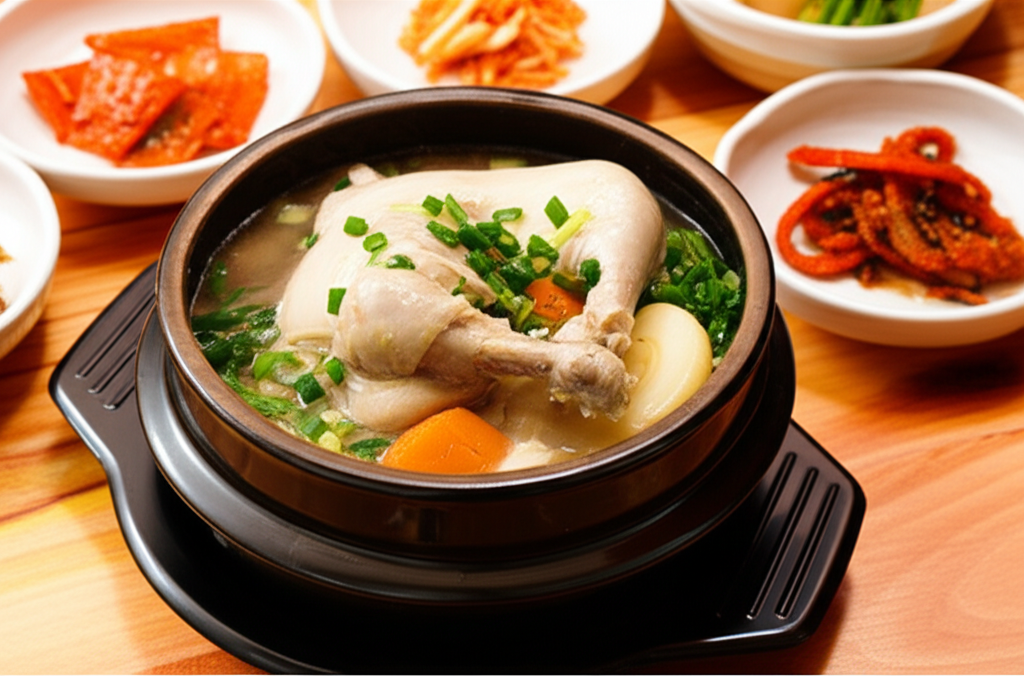
Samgyetang is a traditional Korean health food, especially enjoyed during the summer to combat the heat. It is believed to have originated during the Joseon Dynasty, evolving under the philosophy of fighting heat with heat. Although various chicken-based health foods existed back then, Samgyetang, made with ginseng and glutinous rice, was considered a delicacy. It remains popular today due to its reputation for restoring energy and boosting immunity.
Traditional Recipe
Ingredients
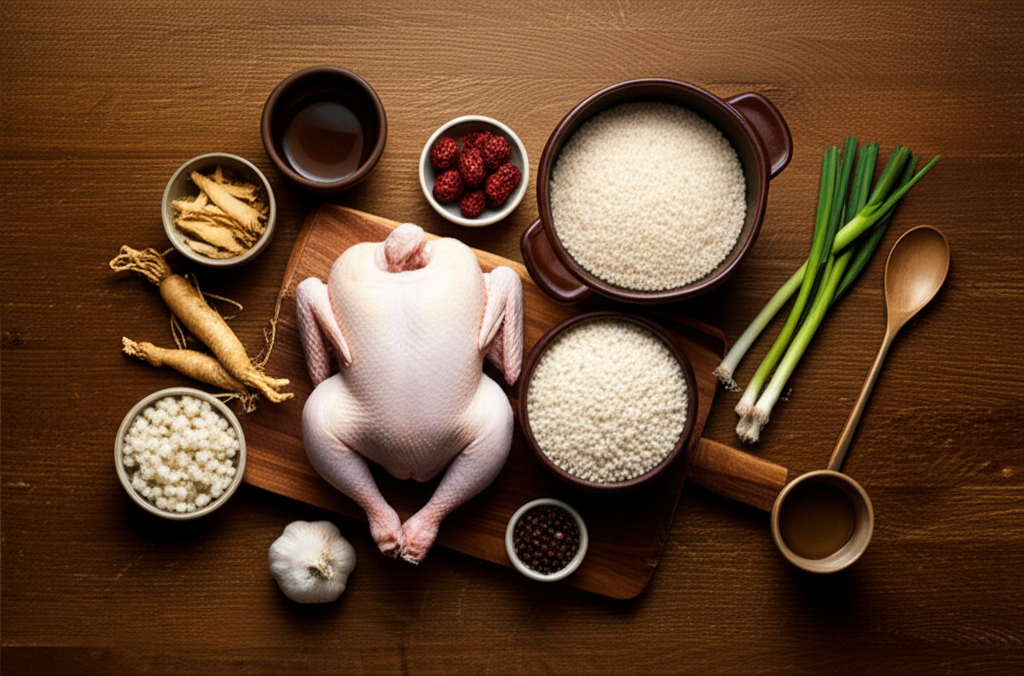
- Young chicken - 1 (about 500g)
- Water - 8 cups
- Ginseng - 1 root
- Glutinous rice - 1/4 cup
- Jujubes - 4
- Garlic - 5 cloves
- Salt, pepper - to taste
- Green onions - 2 stalks
Cooking Instructions
- Soak the glutinous rice in water for about an hour.
- Clean the young chicken thoroughly, removing the giblets, then stuff it with glutinous rice, ginseng, jujubes, and garlic, tying the legs together.
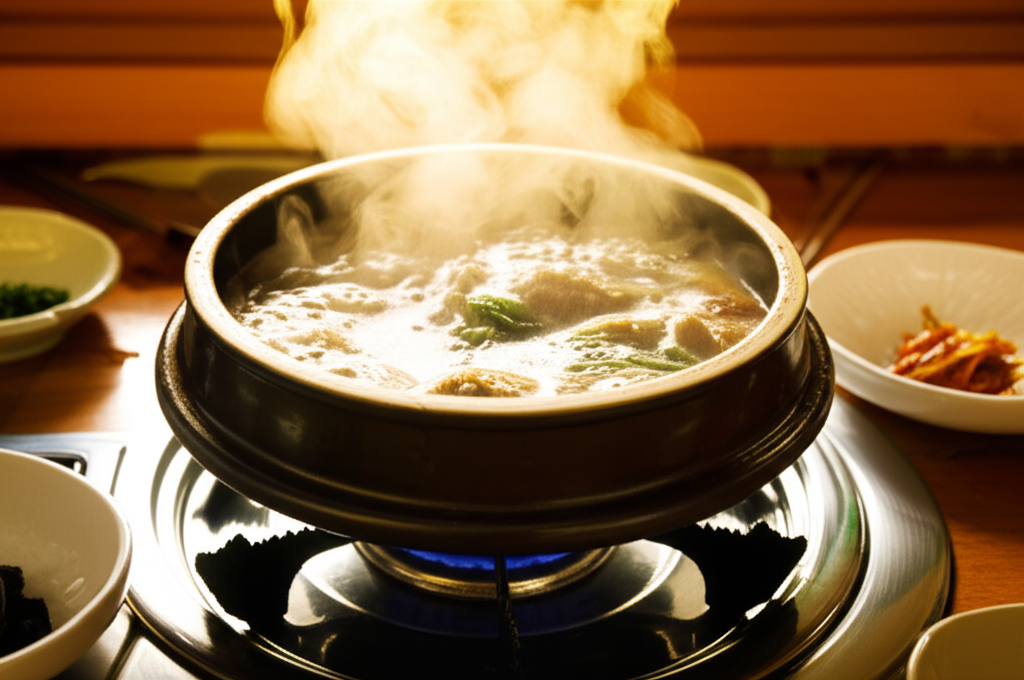
- In a large pot, add water and the stuffed chicken, then boil over medium heat for about an hour.
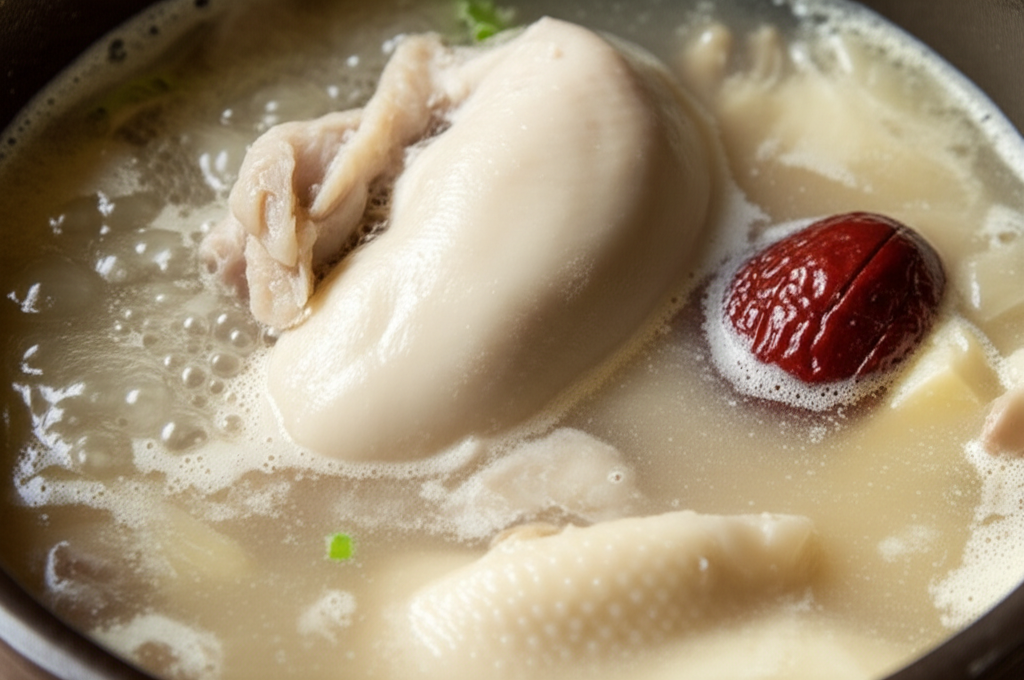
- Skim off any foam that rises to the surface and continue boiling until the chicken is tender.
- Season with salt and pepper, and garnish with sliced green onions.
Flavor Profile
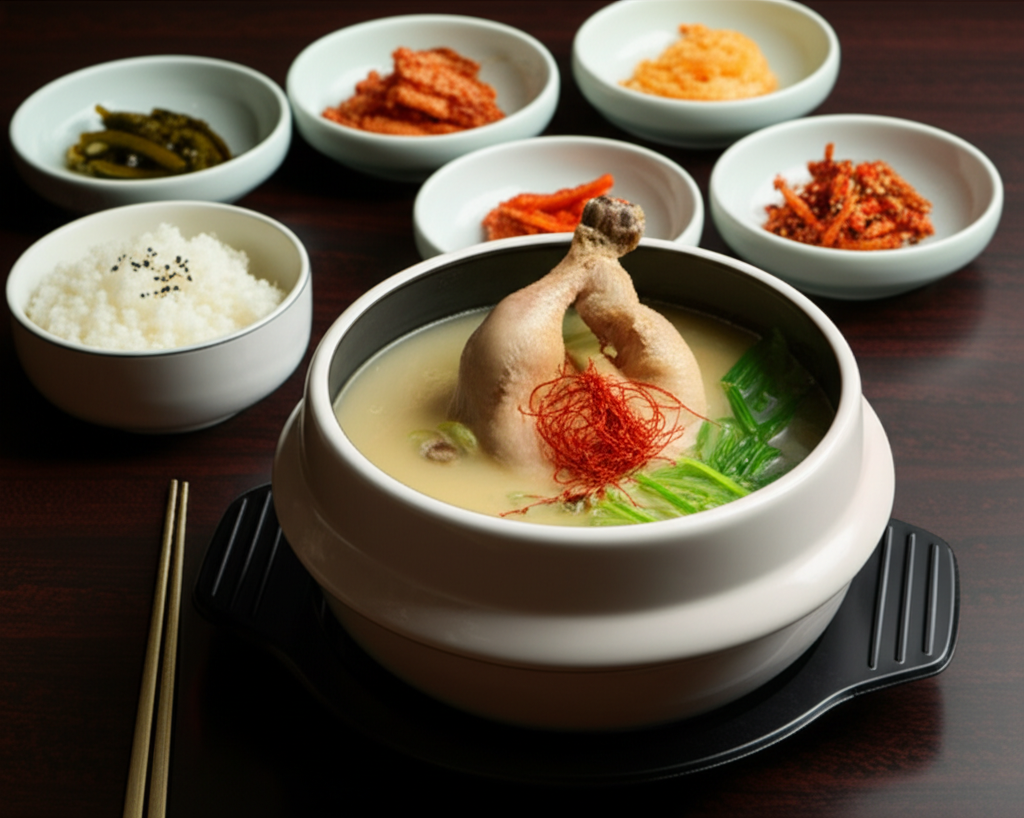
Samgyetang boasts tender chicken harmonized with the deep aroma of ginseng, complemented by the chewy texture of glutinous rice. The broth is clear and clean yet imbued with the rich flavor of chicken, providing a warm and fulfilling experience. The fragrant notes of ginseng and jujubes subtly permeate, signifying a wholesome taste.
Cooking Tips and Secrets
To enhance the flavor of Samgyetang, there are several tips to consider. Firstly, to remove any unpleasant odors, regularly skimming off the foam during the initial boiling phase is essential. Secondly, the freshness of the ingredients, particularly ginseng and jujubes, is crucial in determining the dish's taste. Finally, for an added hint of fragrance, consider adding a small amount of ginger to the broth.
Variations of the Recipe
There are convenient modern versions of Samgyetang to suit today’s busy lifestyle. Using a pressure cooker can significantly reduce cooking time, or substituting the chicken with native Korean chicken can provide a richer and deeper flavor. Additionally, adding abalone can transform Samgyetang into a luxurious health food.
Side Dishes and Table Setting
Samgyetang pairs well with fermented vegetables like kimchi or radish kimchi. It’s typically served with steamed rice to complete the meal. Traditionally, it is accompanied by makgeolli, a Korean rice wine, but warm tea or barley tea also complements the dish well. Consider preparing side dishes that harmonize with the clean taste of Samgyetang.