History and Origin of Maeuntang
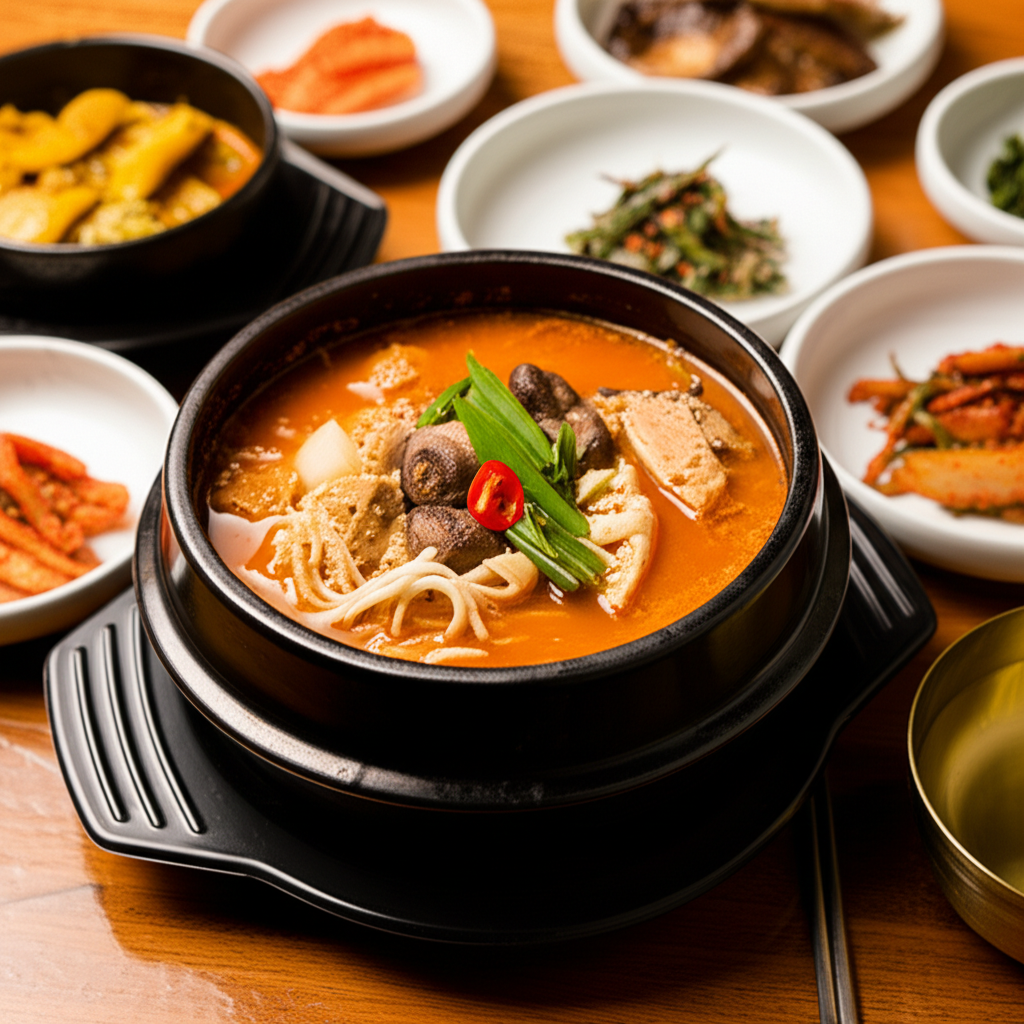
Maeuntang, one of Korea's traditional fish stews, originated from the practice of cooking freshly caught fish on the seashore. In Korean food culture, maeuntang holds a place of significance as a dish that families and communities enjoy together, utilizing fresh ingredients and spicy seasoning. The distinct spicy flavor varies by region, featuring a harmonious blend of various seafood and vegetables unique to each locality.
Authentic Recipe
- Fish (such as rockfish or cod) 600g
- Radish 200g
- 1 onion
- 2 green onions
- 3 Korean green chili peppers
- 5 cloves of garlic
- 3 tablespoons of red pepper powder
- 1 tablespoon of soybean paste
- 2 tablespoons of soy sauce
- Salt and pepper to taste
- 1.5 liters of water
1. In a large pot, bring water and radish to a boil.
2. Add fish, onion, green onions, and chili peppers once the water starts boiling.
3. Stir in red pepper powder, soybean paste, and soy sauce when it boils again.
4. Add garlic and simmer on medium heat for 20 minutes.
5. Season with salt and pepper, add green onions, and let it simmer for another 5 minutes.
Flavor Profile
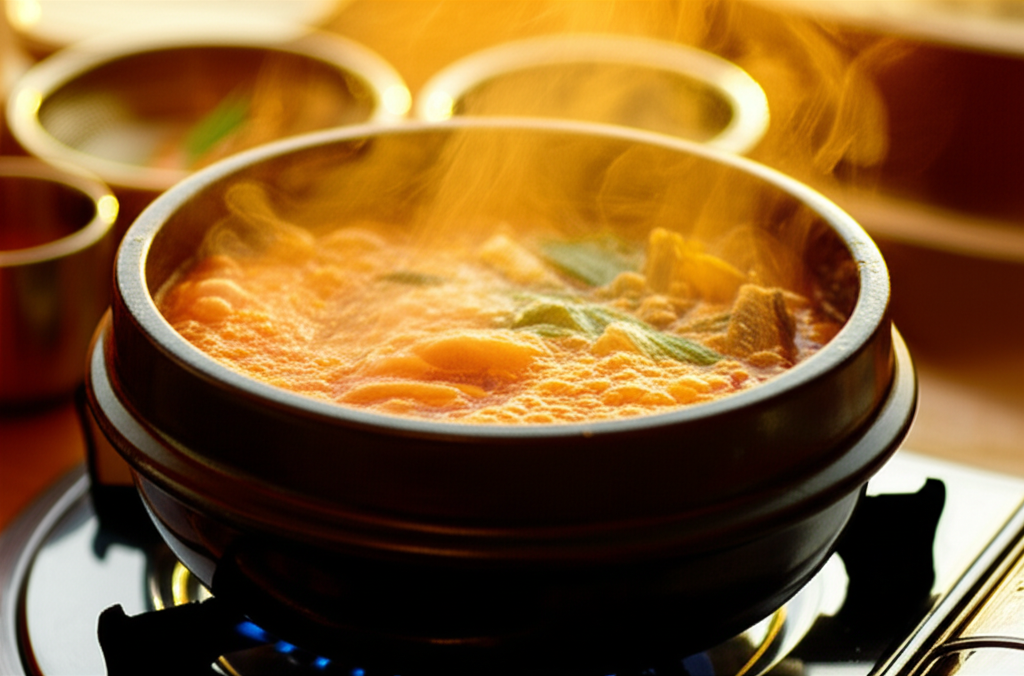
Maeuntang is characterized by its bold spiciness and deep umami, with fresh ingredients melding harmoniously. The tender fish flesh and crunchy vegetables blend perfectly with the spicy broth, creating a symphony of flavors not to be missed. The spiciness of the red pepper powder highlights the fish's subtle flavor, making each spoonful of broth a tantalizing experience.
Cooking Tips and Secrets
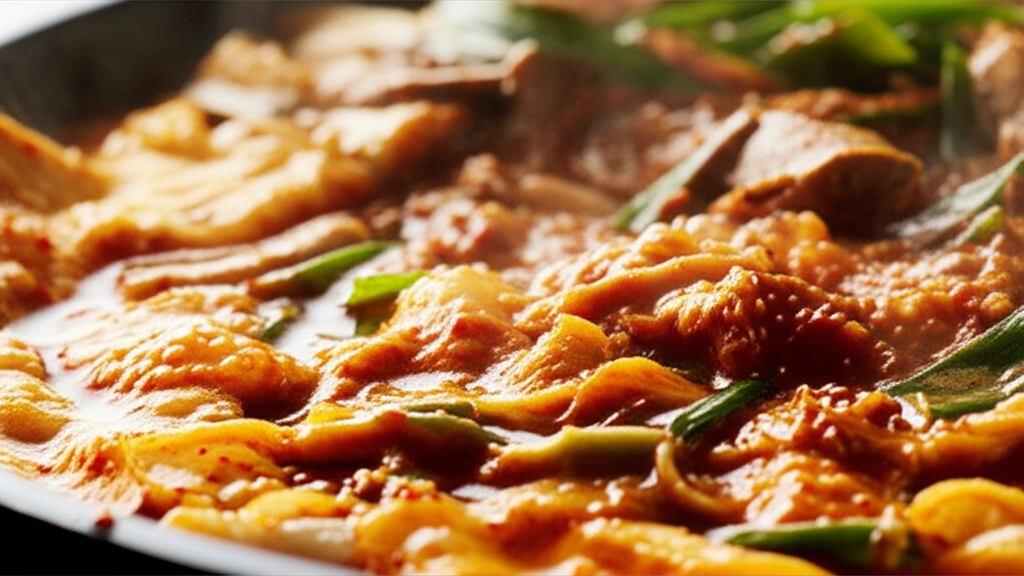
Freshness of the fish is paramount for a delicious maeuntang. Toasting the red pepper powder intensifies its fiery aroma. Adding soybean paste enhances the umami of the broth, and incorporating green onions towards the end elevates the flavor profile. For an added touch of color, use red chili peppers instead of Korean green chili peppers.
Variant Recipes
For a modern twist on maeuntang, consider adding seafood and tofu for a richer flavor. To simplify the process, prepare a maeuntang sauce in advance for quick use. A fusion approach could involve using the maeuntang broth as a base for a seafood pasta, offering a unique taste experience.
Accompaniments and Serving Suggestions
Complement maeuntang with side dishes like kimchi, seasoned vegetables, and radish salad. Pairing it with warm rice helps moderate the spiciness, enhancing the enjoyment. Korean traditional liquors such as soju or makgeolli heighten the authentic Korean experience. An arrangement of simple yet diverse dishes alongside maeuntang enriches the meal significantly.
This article is designed to be warm and insightful, providing both traditional and modern takes on Maeuntang while inviting readers to explore this integral part of Korean cuisine.