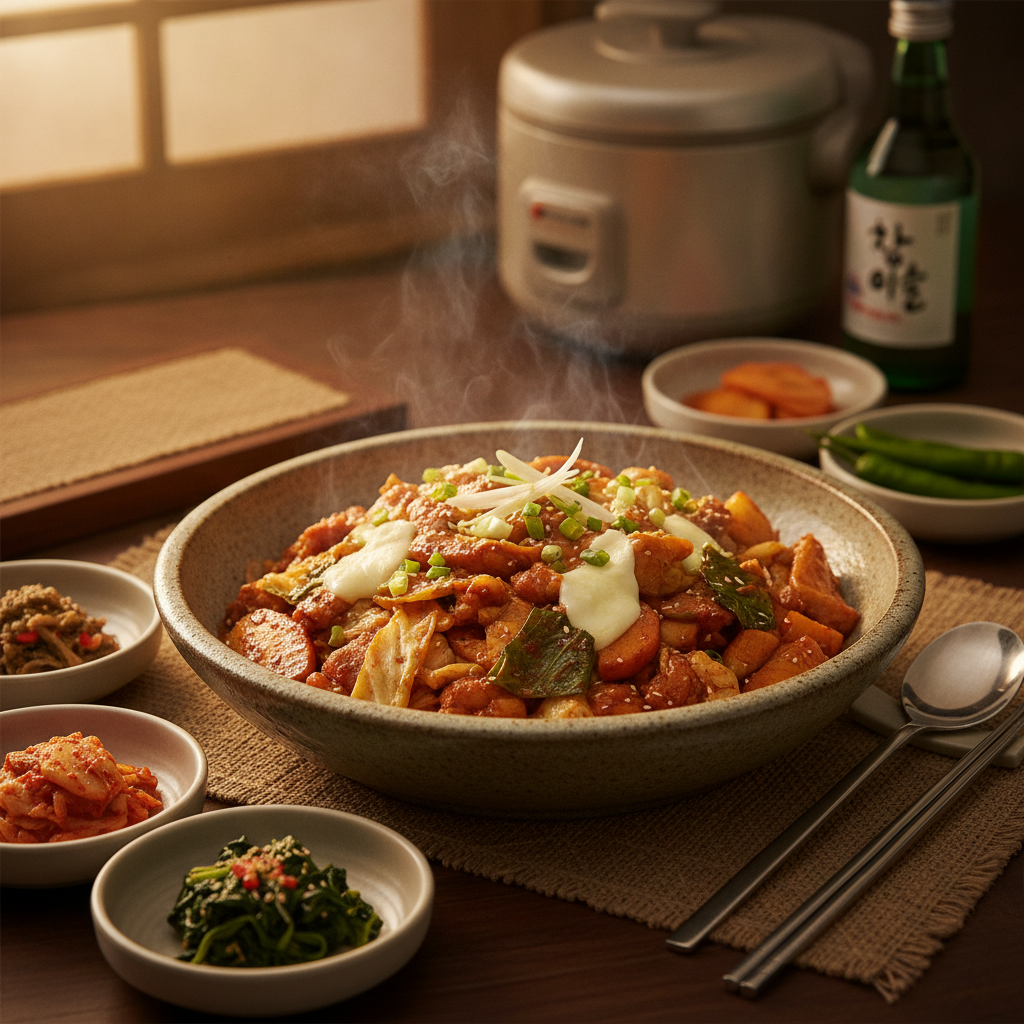
Chuncheon Dakgalbi, The Taste of Korea Blooming on a Hot Griddle
Hello, I'm a culinary researcher dedicated to exploring the deep flavors and stories of Korean cuisine. Today, I'd like to share the story of Dakgalbi, a beloved common dish that holds a special place in the hearts of Koreans. While primarily known as a representative dish of Chuncheon, Gangwon Province, its charm has captured palates not only across the nation but also worldwide. I invite you on a flavorful journey, guided by the tempting aroma and taste of Dakgalbi sizzling on a hot griddle.
The History and Origin of Dakgalbi
Dakgalbi, literally meaning "chicken ribs," originally used chicken rib meat. However, in modern times, it is typically made with boneless chicken thigh meat. The history of Dakgalbi is said to have begun in Chuncheon, Gangwon Province, in the late 1960s. At that time, Chuncheon had a thriving poultry industry, making chicken meat relatively inexpensive and abundant. During economically challenging times, people sought ways to enjoy affordable chicken generously. This led to the idea of marinating chicken in a pork galbi (ribs) sauce and grilling it on a griddle. Initially, it was sometimes called 'chicken bulgogi,' but due to its use of chicken ribs and a cooking method similar to pork galbi, it acquired the name 'Dakgalbi.'
Early Dakgalbi was simpler than today's version, primarily focusing on chicken meat seasoned and grilled, with fewer vegetables. However, it gradually evolved into a more elaborate dish, incorporating various vegetables like sweet potatoes, cabbage, and rice cakes (tteok) into the spicy and sweet sauce, making it a hearty meal. Chuncheon, in particular, had many military bases, and Dakgalbi became extremely popular among soldiers looking for an affordable yet filling meal when dining out. This played a significant role in Chuncheon Dakgalbi gaining national fame. Dakgalbi is more than just food; it represents a facet of Korean culinary culture that satisfied hunger during difficult times and offered comfort to people. Eating Dakgalbi together, gathered around a hot griddle and sharing stories, transcends a mere meal, symbolizing Korean 'jeong' (affection) and communal culture.
Authentic Recipe
The essence of authentic Chuncheon Dakgalbi lies in fresh chicken and a secret sauce. It requires meticulous preparation and cooking, but the reward is an incredibly satisfying flavor.
Ingredients List (Serves 4)
- Main Ingredients:
- Boneless chicken thighs 1kg
- Cabbage 1/4 head (approx. 300g)
- Sweet potato 1 large (approx. 200g)
- Green onion 1 stalk
- Onion 1/2 medium
- Perilla leaves 10 sheets
- Tteokbokki tteok (rice cakes) 200g (optional)
- Marinade:
- Gochujang (Korean chili paste) 5 tablespoons
- Gochugaru (Korean chili powder) 3 tablespoons (add more for extra spice)
- Soy sauce 3 tablespoons
- Sugar 2 tablespoons
- Corn syrup 2 tablespoons (or oligo syrup)
- Minced garlic 3 tablespoons
- Minced ginger 1/2 tablespoon
- Cheongju (rice wine) or mirin 2 tablespoons
- Sesame oil 1 tablespoon
- Black pepper a pinch
Detailed Cooking Steps
- Prepare and Marinate Chicken:
- Rinse chicken thighs thoroughly under running water, pat dry, and cut into bite-sized pieces (about 4-5 cm).
- In a mixing bowl, combine the chicken thighs with all the marinade ingredients. Mix well to ensure the chicken is evenly coated. Marinate in the refrigerator for at least 30 minutes to 1 hour. If time allows, marinating for 2-3 hours will yield better flavor.
- Prepare Vegetables:
- Cut cabbage into large, bite-sized pieces. Peel sweet potato and slice into 0.5 cm thick half-moons.
- Slice green onion diagonally and onion into thin strips. Cut perilla leaves lengthwise into 2-3 pieces.
- Rinse tteokbokki tteok in water and set aside.
- Stir-fry Dakgalbi:
- Heat a large griddle or frying pan over medium heat. Add a little cooking oil, then place the marinated chicken on the griddle and start stir-frying.
- Once the chicken is about halfway cooked, add the sweet potatoes, onions, and cabbage in that order and stir-fry together. It's good to add sweet potatoes first as they take longer to cook.
- When vegetables release their moisture, creating a simmering broth, add the tteokbokki tteok and green onions. Continue stir-frying until all ingredients are cooked through.
- Once the sweet potatoes are fully cooked and the chicken is nicely browned, add the perilla leaves and stir-fry briefly to enhance the aroma.
- When all ingredients are well combined and the sauce has thickened, turn off the heat and serve hot immediately.
Cooking Tip: It's important to stir the Dakgalbi continuously while cooking to prevent burning. If you have a large griddle, the fun of cooking together with others is an added bonus.
Flavor Characteristics
Carefully prepared Dakgalbi is a special feast that satisfies all five senses. The spicy and sweet aroma rising from the hot griddle, with steam swirling, immediately stimulates the appetite. The chicken, coated in a vibrant red sauce and mixed with colorful vegetables, presents a visually rich and appetizing appearance.
Taking a piece into your mouth, the first thing you'll notice is the perfect texture of the soft and chewy chicken thigh meat. Well-cooked chicken is juicy, and its savory flavor intensifies with every chew. Then comes the intense spiciness created by the gochujang and gochugaru. However, this spiciness is not merely hot; it is harmoniously balanced with a deep and rich sweetness from soy sauce, sugar, and corn syrup, delightfully stimulating the palate. It feels as if spicy and sweet flavors dance alternately, embracing your tongue.
Adding to this are the crisp and refreshing cabbage, the fluffy sweetness of sweet potatoes, and the chewy tteokbokki tteok, offering a delightful variety of textures. Perilla leaves, in particular, play a crucial role in elevating the flavor of Dakgalbi. Their unique fragrant aroma, combined with the spicy sauce, balances the richness and refreshes the palate. Finally, the harmonious taste of the sauce, chicken, and vegetables stuck to the bottom of the griddle adds the joy of scraping and eating, marking the true finale of Dakgalbi. Thus, Dakgalbi offers an unforgettable and addictive taste, a quintessential Korean griddle dish where spiciness, sweetness, savoriness, and diverse textures come together.
Cooking Tips and Secrets
With a professional touch, the taste of Dakgalbi can be elevated even further. Here are some secrets:
- Chicken Pre-treatment: Marinating chicken thighs in milk for about 30 minutes can remove any gamey smell and make the meat even more tender. After marinating in milk, rinse thoroughly and pat dry completely before mixing with the sauce.
- Aging the Marinade: Prepare the marinade at least a day in advance and let it age in the refrigerator. This allows the flavors to meld more deeply, enhancing the overall taste. Using good quality gochujang and gochugaru is fundamental for good flavor.
- Using Maesil-cheong (Plum Syrup): Adding a little maesil-cheong instead of sugar provides a natural sweetness and a subtle tartness, adding depth to the flavor and aiding digestion.
- Importance of Cooking Order: It's best to cook the chicken first until it's sufficiently done, then add sweet potatoes and cabbage (which take longer to cook), and finally, add perilla leaves and green onions (which wilt quickly). This ensures all ingredients are cooked to their optimal state, creating a harmonious flavor.
- The Final Drop: Just before turning off the heat, after all ingredients are cooked, sprinkle a drop of sesame oil and some toasted sesame seeds. This brings out a nutty aroma, further enhancing the flavor.
- Utilizing Leftover Sauce: The 'bokkeumbap' (fried rice) made by stir-frying rice, seaweed flakes, sesame oil, and chopped kimchi in the leftover Dakgalbi sauce is the crowning glory of the meal. It's a must-try delicacy you shouldn't miss. Adding cheese at this point doubles the savory goodness.
Variations
While traditional Dakgalbi is delicious, you can also try various modified recipes to suit modern tastes and lifestyles.
- Cheese Dakgalbi: Generously top the Dakgalbi with mozzarella cheese and cook over low heat until the cheese melts. The combination of spicy Dakgalbi and savory cheese is a fantastic taste loved by all ages.
- Seafood Dakgalbi: When stir-frying Dakgalbi, add various seafood such as shrimp, squid, or clams. The refreshing taste of seafood adds an even richer flavor.
- Soy Sauce Dakgalbi (Mild/Kid-Friendly): By using a soy sauce-based marinade instead of gochujang and gochugaru, you can create a mild Dakgalbi that even children can enjoy. Season with soy sauce, sugar, minced garlic, and sesame oil, focusing on non-spicy vegetables.
- Air Fryer Dakgalbi (Convenient Version): Marinate chicken thighs, then place them with vegetables in an air fryer and cook at 180°C (350°F) for 20-25 minutes. Flip once in the middle for even cooking. This is great for camping or outdoor activities.
- Dakgalbi Pasta/Risotto: Use leftover Dakgalbi sauce with pasta noodles or rice and broth to create a fusion pasta or risotto. The combination of Korean spicy flavors and Western cooking offers a unique taste.
Accompaniments and Table Setting
Dakgalbi is a fantastic meal on its own, but it can be enjoyed even more richly with the right accompaniments and table setting