
Tradition
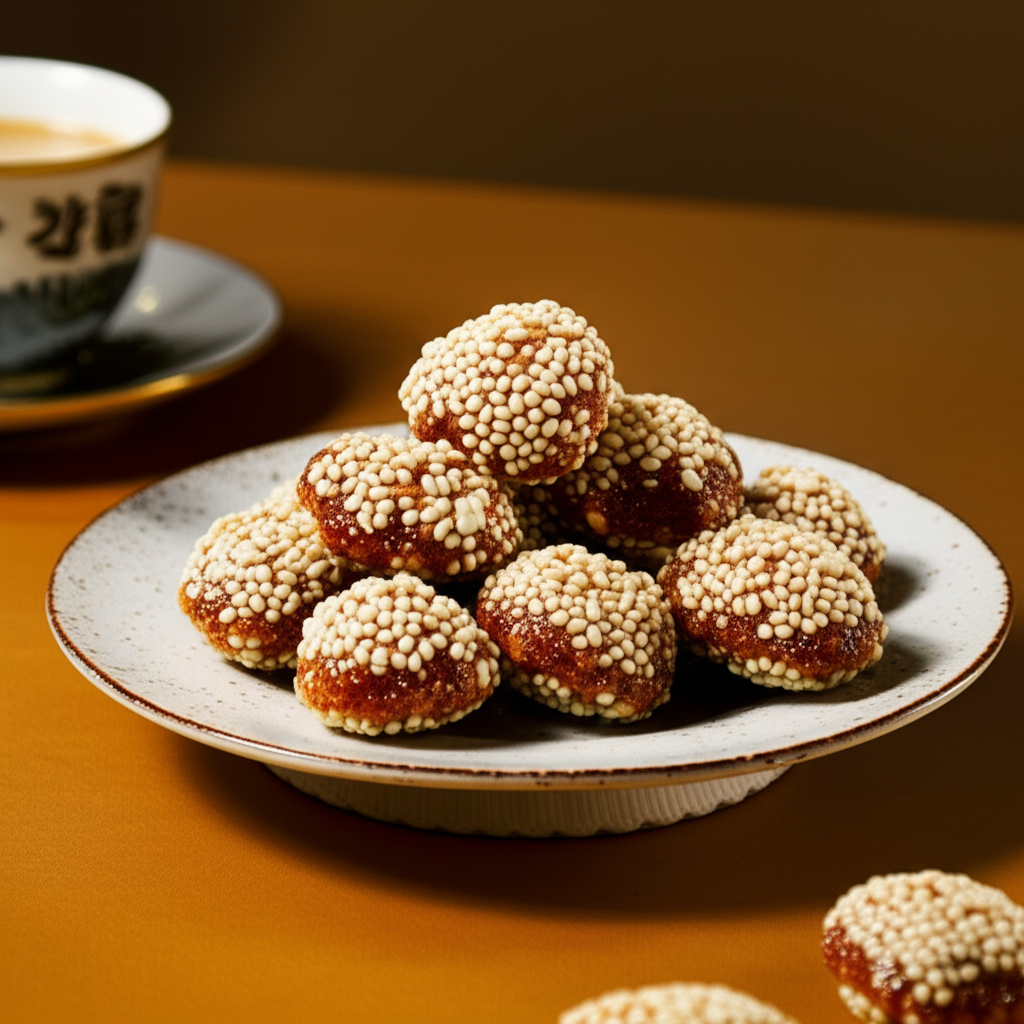
Gangjeong is one of the quintessential traditional Korean snacks, boasting a rich history of its own. It is more than just a treat during holidays or special occasions; it serves as a conduit for sharing cultural sentiments and community spirit among Koreans. By sharing the care put into making and enjoying Gangjeong with loved ones, it embodies core traditional values of togetherness and appreciation.
History
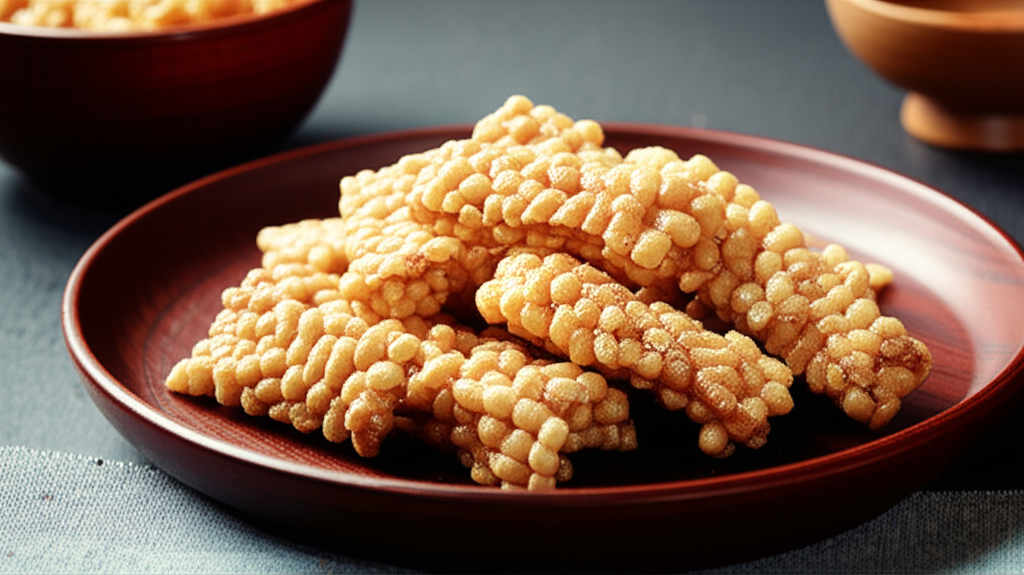
The history of Gangjeong dates back to the Three Kingdoms period. Initially starting as royal court cuisine, it gradually spread to the populace. By the Joseon Dynasty, the methods of making Gangjeong evolved to include various fruits and grains, making it a popular snack. On major holidays like New Year’s Day and Chuseok, it became a staple, symbolizing the joy of sharing with family and neighbors.
Manufacturing Method
The methods of making Gangjeong vary slightly by region and ingredients, but it is primarily based on glutinous rice. First, the rice is soaked and steamed, then formed into lumps and either fried or dried. It is then dipped in a syrup made from sugar or honey and coated with savory nuts or grain powder. Although there is no need for fermentation or aging, the freshness of the ingredients and the effort put into it are crucial.
Food Stories and Eating Methods
Gangjeong is typically enjoyed with tea, such as green tea or corn tea, which complements its sweetness. It can be enjoyed anytime but truly shines during family gatherings on holidays. The fun of picking up Gangjeong with fingers naturally facilitates conversations, enhancing the experience of sharing.
Taste
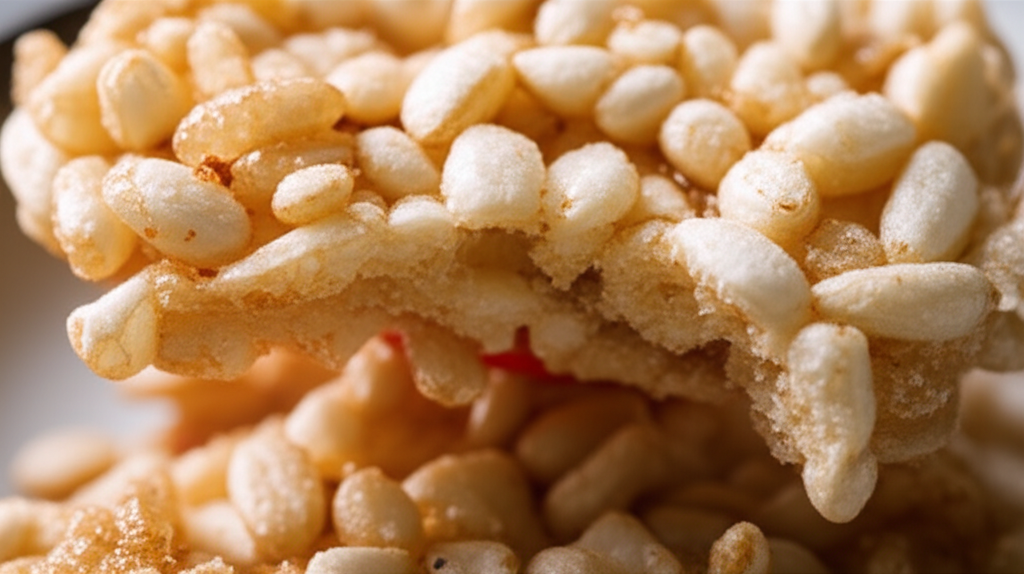
Gangjeong is distinguished by its crunchy initial texture, followed by a nutty and sweet flavor. The soft sugar syrup melts in the mouth, blending perfectly with the nutty aroma of nuts, filling each bite with happiness. Each ingredient offers a slightly different taste, providing the joy of discovering diversity within bites.
Recommended Restaurants
"Jeontong Gangjeong Workshop" in Gangnam, Seoul, is famed for its traditional Gangjeong. With a variety of Gangjeong types, their walnut Gangjeong is particularly popular. "Old Flavor Gangjeong" in Jongno is also well-loved for its adherence to ancient recipes.
Online Purchase Recommendations
On Naver Shopping, "Hansalim Traditional Gangjeong" is a popular choice. Made with local ingredients using traditional methods, it boasts a deep flavor. Naver Shopping Link
"Happy Mom Gangjeong Set" offers a variety of flavors, making it a great gift. Naver Shopping Link