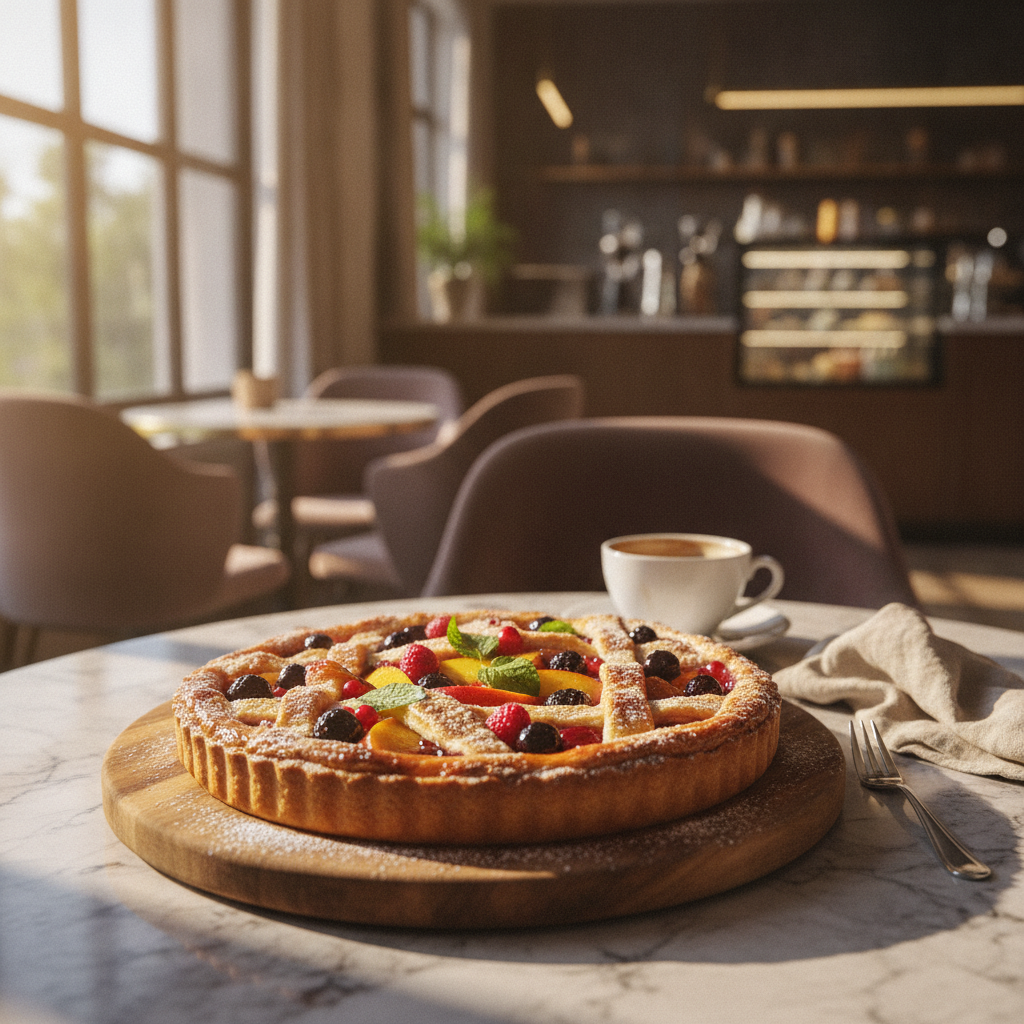
Tradition
Tart is more than just a dessert; it's a dish that has been loved for a long time in various European countries, embodying their culture and history. In France, it was enjoyed as 'galette' during festivals and special occasions, and in Italy, it boasts a deep tradition with recipes like 'crostata' passed down through generations. With a history of development similar to British meat pies, tarts sometimes become part of a meal with savory fillings, and other times adorn special moments finished with sweet fruits or cream.
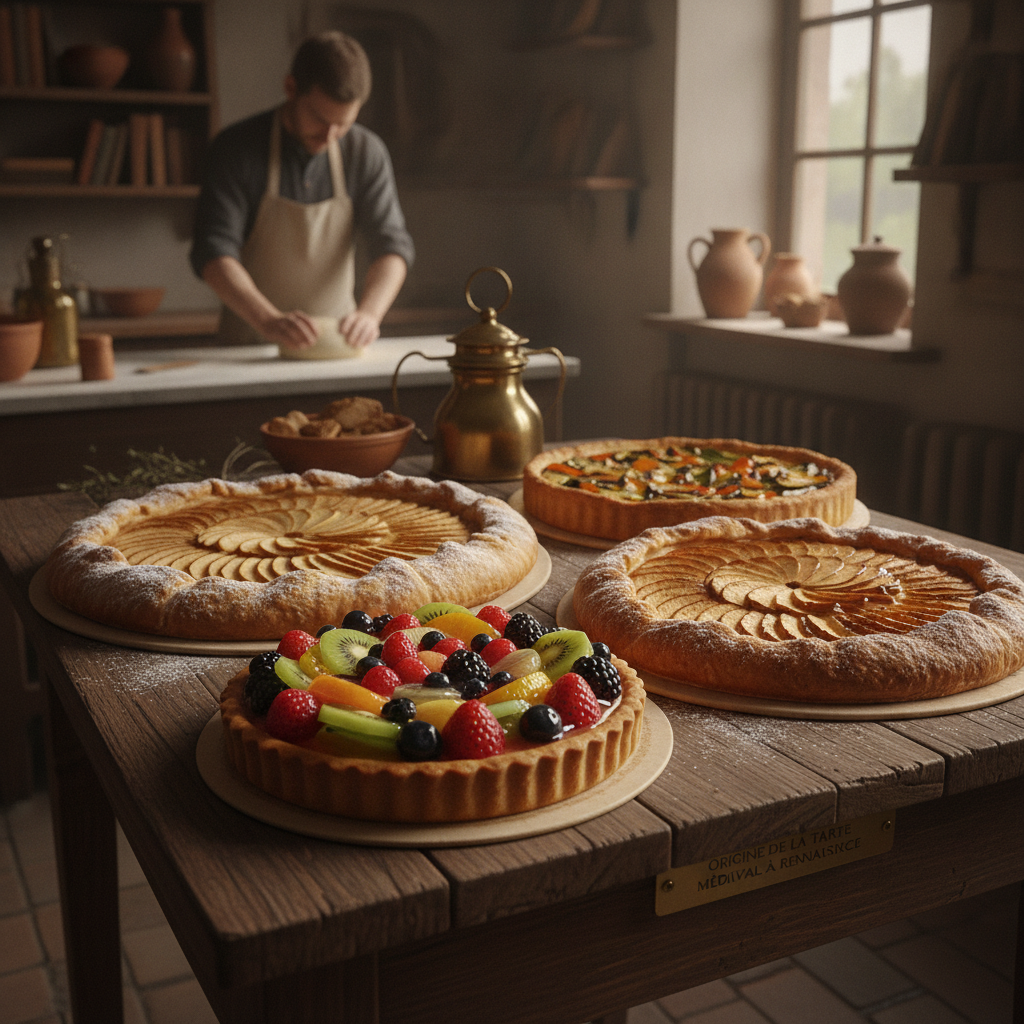
A slice of tart contains the sunshine and wind of its land, and the stories of its people. Tarts with the fresh vitality of seasonal fruits are welcome heralds of changing seasons and an indispensable presence at gatherings of family and friends. Especially in France, the Galette des Rois is a traditional tart eaten on Epiphany (January 6th), with a fun custom of hiding a small porcelain figurine 'fève' inside to predict who will be king. In this way, tarts have served as a medium to strengthen community bonds and share joy, beyond being mere food. The secret recipes passed down through generations in each family, the taste of grandmother's cooking in a tart, are symbols of memories and love beyond simple cooking methods.
Furthermore, tarts have the flexibility to be endlessly varied using local specialties. Tarts with unique tastes and aromas have emerged, utilizing representative ingredients from each region, such as apple tarts from Normandy and tomato tarts from Provence. This means that tarts serve as an important key to understanding the natural environment and food culture of a region. Tarts, like a well-crafted story, open a window for us to glimpse the landscapes and lives of people in those countries. Tasting a slice of tart is not merely satisfying the palate, but a special experience of feeling the history, tradition, and warm communal sentiment embedded within it.
History
The origin of tart can be traced back to the pie culture of medieval Europe. At that time, pies were created for practical purposes to protect and store ingredients, as preservation technology was not yet developed. As pies, which were enjoyed as a staple with savory meat or vegetables, gradually evolved, the methods and forms of filling them began to diversify. Early tarts were open-faced pies, developing in a direction that further emphasized the flavor of the fillings.
Around the 14th century, as sugar gradually became more widespread, mainly in France and Italy, sweet flavors began to be added to tarts. Sweet tarts using fruits, honey, or sugar emerged, establishing their identity as desserts. Especially during the Renaissance, elaborate and beautiful tarts appeared at aristocratic banquets, treated as symbols of gastronomy and works of art. Delicately decorated tarts symbolized wealth and power, while also serving as a means for chefs to showcase their skills.
In the 16th century, French chefs developed techniques to add butter to tart dough and create more delicate forms, bringing them closer to the tarts we know today. French patissiers, in particular, developed methods to make tart dough thinner and crispier, maximizing the harmony with the filling. During this period, famous tart recipes were born, and tarts highlighting local characteristics became popularized. For example, the Tarte Tatin from the Loire region of France has an interesting history of an accidentally inverted apple tart becoming a globally beloved dessert.
After the Industrial Revolution, with the development of mass production technology, tart making became more common and spread worldwide, adapting to the food cultures of various countries. In modern times, while inheriting traditional recipes, tarts continue to evolve, incorporating new ingredients and techniques. Tart, in this way, is a living history itself, constantly changing and developing alongside humanity's culinary history for a long time.
Preparation Method
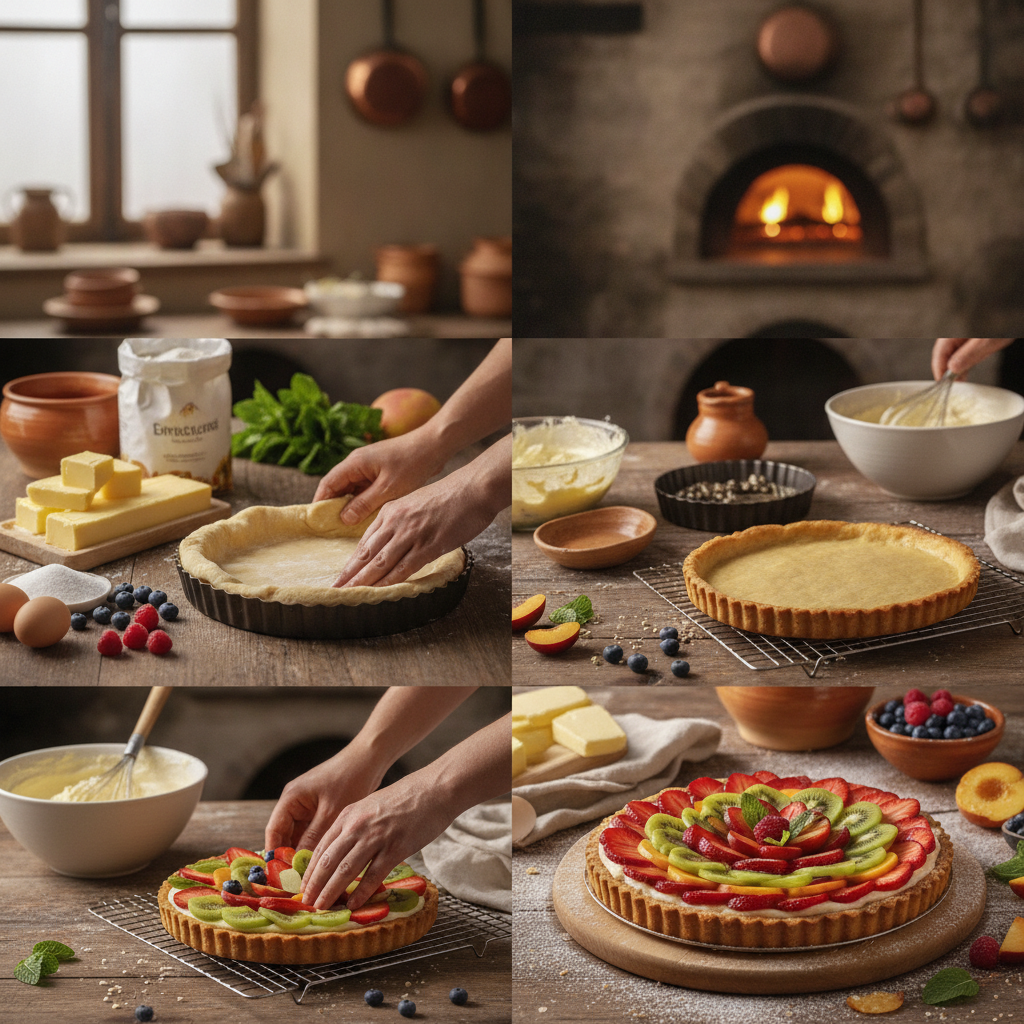
The essence of a tart lies in the harmony between its crispy, savory crust and the rich filling it holds. Traditional tart dough uses 'Pâte Sablée' or 'Pâte Brisée', each having a significant impact on the tart's texture and flavor. Pâte Sablée, rich in sugar and butter, boasts a crispy, tender texture like a cookie and is mainly used for sweet fruit tarts. Pâte Brisée, on the other hand, contains less sugar, offering a plain, crumbly texture, primarily used for savory tarts like Quiche.
Tart dough preparation requires delicate skill and patience. First, cold butter is rubbed with flour by hand or mixed with a food processor until it resembles coarse sand. It's crucial to minimize hand temperature to prevent the butter from melting. This process inhibits gluten formation, resulting in a crispy texture. Afterward, egg yolks or cold water are gradually added to form a cohesive dough, which is then refrigerated for at least 30 minutes to reduce elasticity and stabilize gluten. This resting period is essential to prevent shrinkage and maintain the shape of the tart crust when baked.
The rested dough is rolled thinly and placed into a tart pan, then pricked with a fork to prevent it from puffing up during baking. This is called 'blind baking,' where parchment paper is laid over the dough and weighted down with beans or rice to ensure the crust bakes flat. Once this initial baking is done, the tart crust is ready for its filling. Fillings vary endlessly with the season and region, ranging from fresh fruit custard, rich chocolate ganache, creamy cream cheese, to savory vegetables and cheese in a quiche.
After filling, the tart is baked again in the oven to perfection. The oven temperature and baking time must be carefully adjusted according to the type of tart and the characteristics of its filling. A well-baked tart will have a golden-brown color, and the savory butter aroma will fill the kitchen. Thus, a single slice of tart embodies the freshness of ingredients, the baker's long experience, and the aesthetics of waiting. Taking a bite, the crispy crust and soft filling create a perfect harmony that tantalizes the palate, truly an artwork crafted with care and love.
Food Story and How to Eat
A tart is a complete story in itself. A freshly baked tart stimulates all senses with its warm temperature, savory butter aroma, and the sweet or savory scent of its filling. The best way to enjoy a tart is to taste it at its freshest and most delicious moment. Especially for fruit tarts, their flavor shines brightest when the freshness of seasonal fruits is alive.
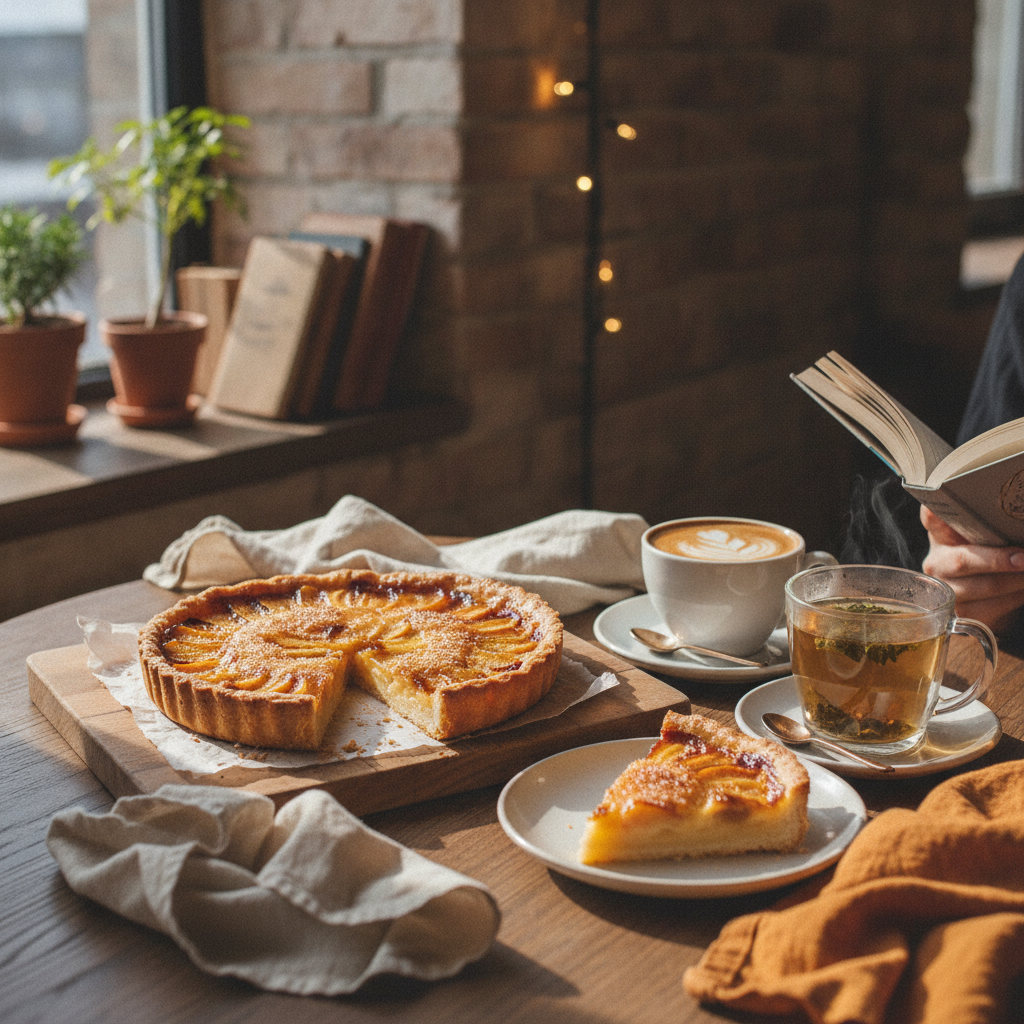
The charm of a tart is magnified by the beverage it's paired with. Sweet fruit tarts or cream tarts go well with a fragrant americano, a smooth latte, or a cup of black tea. The bitterness of coffee enhances the sweetness of the tart, and the subtle aroma of tea cleanses the palate. On the other hand, for tarts with a tangy emphasis, like lemon tarts or berry tarts, a refreshing
Looking for a place nearby? Search “타르트” on Naver Map.