Tradition
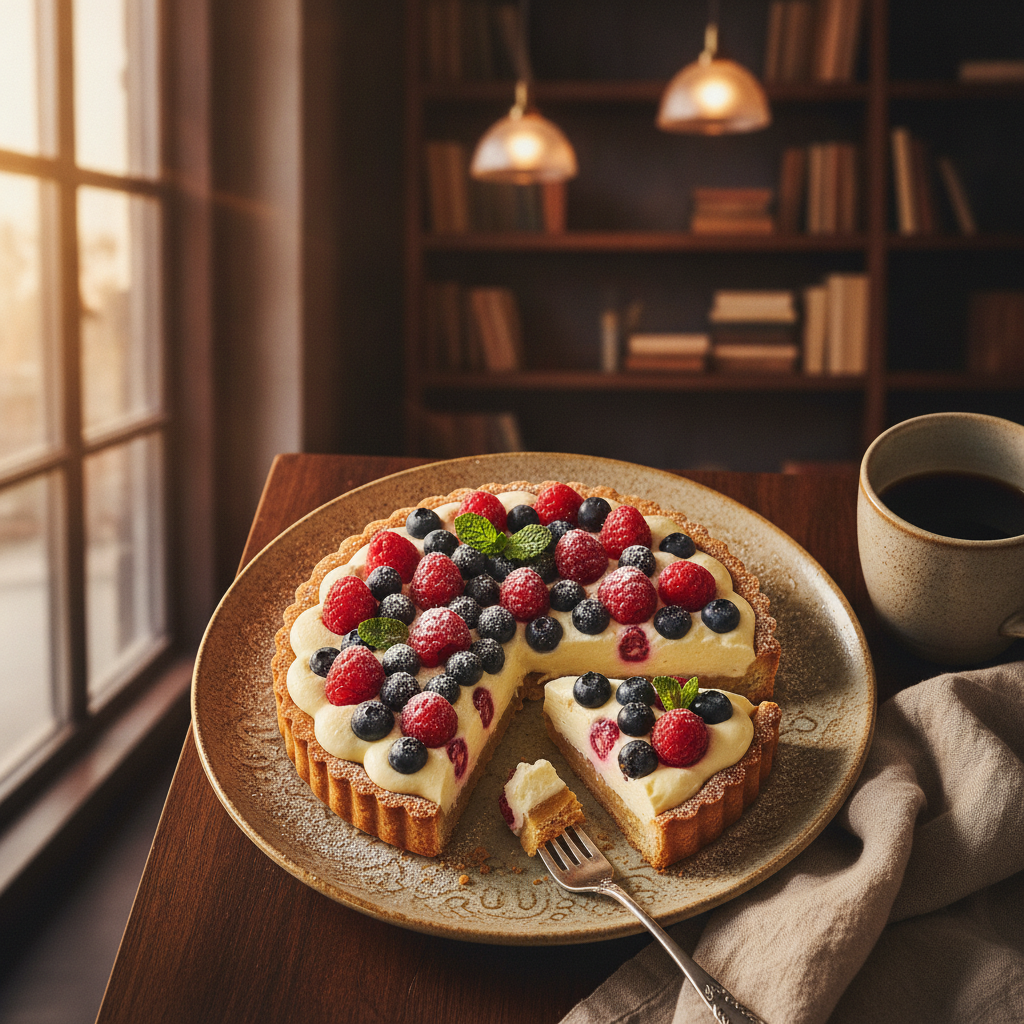
Tart is not merely a dessert; it is an art and a tradition deeply connected to Europe's long culinary culture. Especially in France and the UK, tarts have become an important part of the dining table, reflecting the unique characteristics of each region. In France, it is also known as 'Galette' and is considered a beloved dish enjoyed by the whole family on holidays or special occasions. For example, 'Galette des Rois' is a traditional tart eaten on Epiphany, January 6th, with a delightful custom where the person who finds the 'fève' (a small ceramic figurine hidden inside) becomes the king of the day and receives good luck. This goes beyond just food, serving as a medium to strengthen family bonds and create joyful memories. The UK's 'Custard Tart' and 'Apple Tart' also boast a long history, and especially in rural areas, the custom of making tarts with homegrown fruits and sharing them with neighbors still remains. This symbolizes community spirit and the virtue of sharing, showing that tarts are warm mediums that connect people beyond just food. At important events like weddings or festivals, tarts sometimes appear as symbolic foods wishing for abundance and happiness. Tarts made with local specialties encapsulate the history and natural environment of their regions, offering travelers a special opportunity to experience the local taste and culture. In this way, tarts have been loved for a long time, not just for their sweetness, but as food with deep meaning that shares precious moments of life and continues traditions and culture.
History
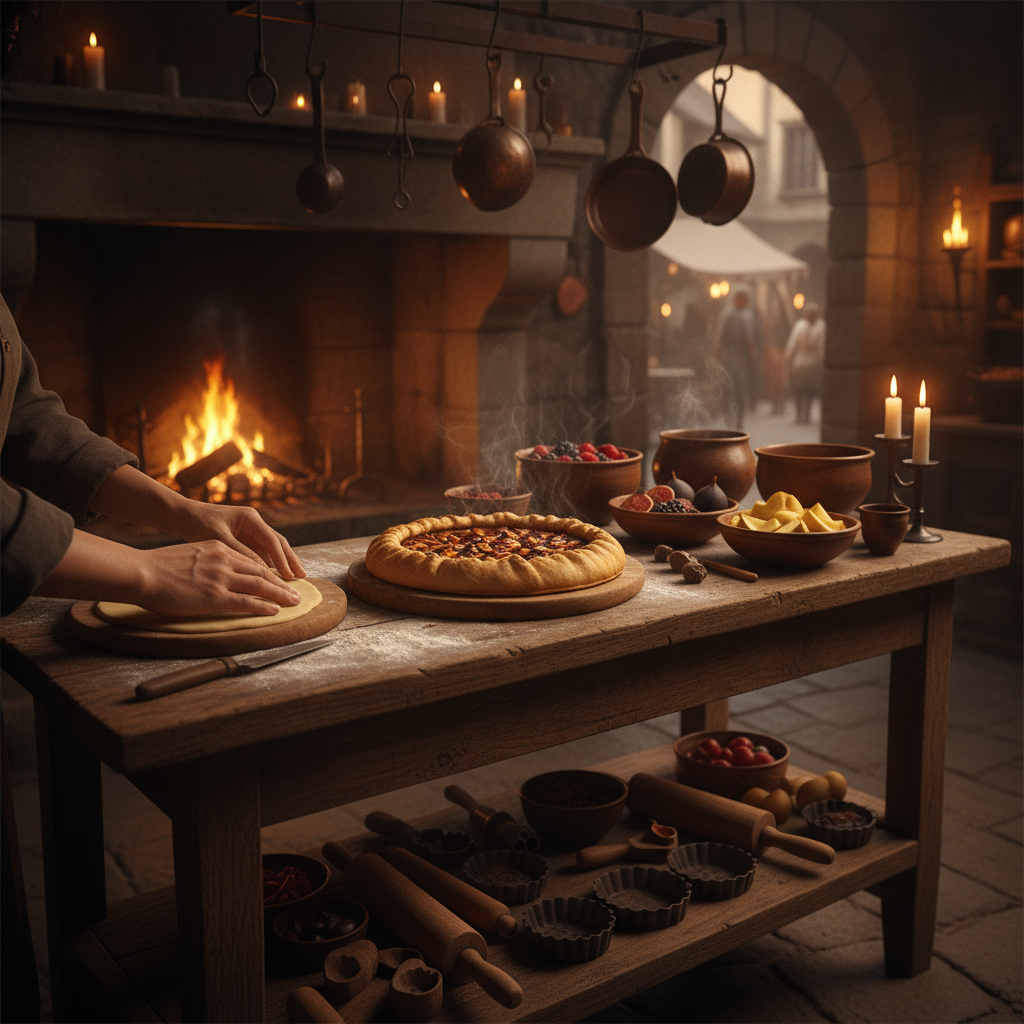
The history of tarts dates back to ancient Roman times. At that time, Romans enjoyed baking dishes with meat or fruit in dough, which is considered the origin of modern tarts. Initially, they were mostly close to savory 'pies,' but as sugar and spices spread across Europe during the Middle Ages, they gradually evolved into sweet desserts. Especially around the 13th century in France, tarts similar to today's forms began to appear, and the name 'tarte' is believed to have been used since then. Early tarts were mainly loved as banquet food for the aristocratic class and symbolized wealth and power with their elaborate decorations and unique ingredients. During the 15th-century Renaissance, as sugar and flour processing technology developed, especially in Italy, the variety of tarts expanded. The marriage of Catherine de' Medici from the Italian Medici family to Henry II of France led to the spread of sophisticated Italian dessert culture to the French court. From then on, French chefs began to present artistic tarts using various fruits and creams, contributing to the golden age of French cuisine. In the 17th and 18th centuries, as sugar became popularized, tarts became a dessert enjoyed by common people, and tarts using unique ingredients emerged in each region. For example, 'Tarte Tatin' using apples became famous in the Normandy region, and 'Quiche Lorraine' (a type of savory tart with a savory custard filling) became famous in the Lorraine region. Thus, tarts have continuously evolved over centuries, reflecting the gastronomic trends and food culture of each era, developing into the diverse forms we know today.
Preparation
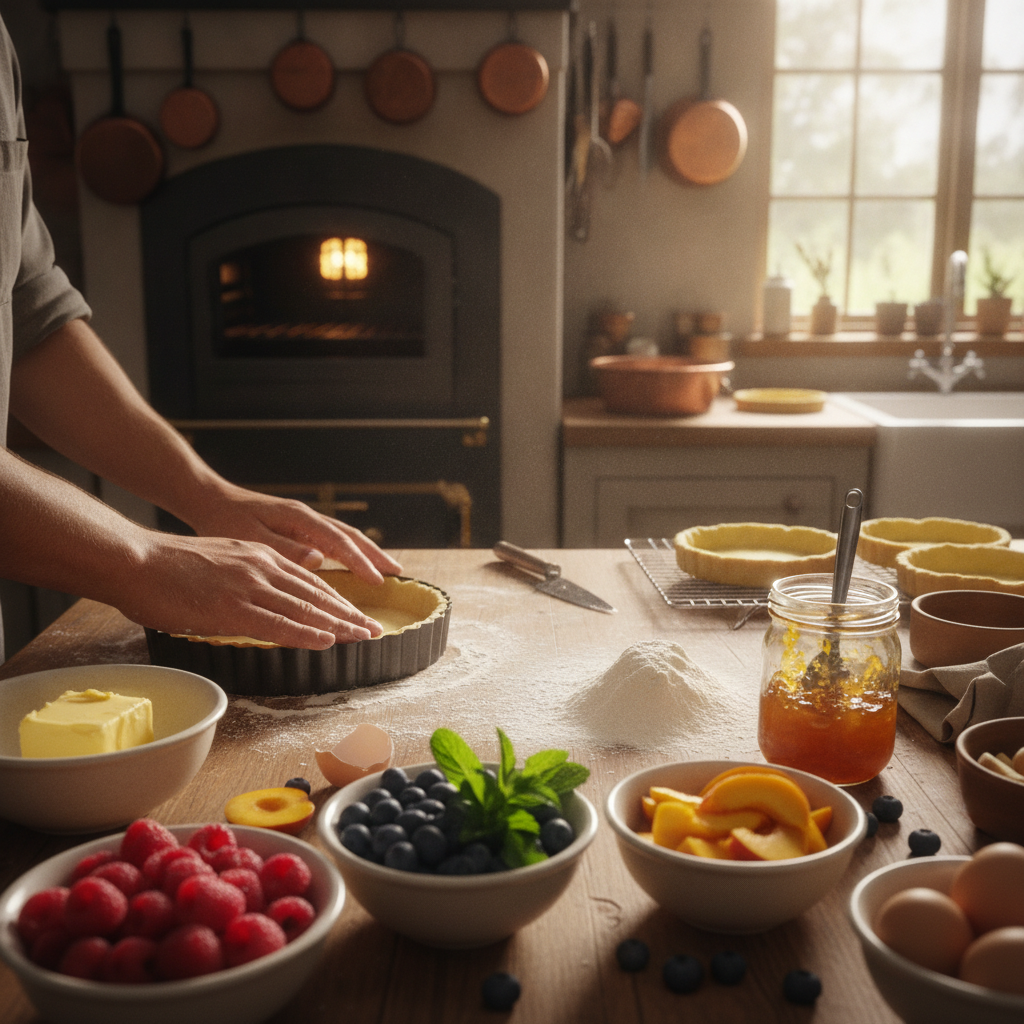
The charm of a tart comes from the harmony of its crispy yet tender crust and the colorful filling it holds. Traditional tart making requires delicate hands and a patient process. First, the basic ingredients for the tart crust are flour, cold butter, sugar, and salt. The most important thing is to keep the butter cold and mix it well with the flour, which is a key factor in determining the crispy texture of the tart crust. You can rub the butter into the flour by hand to create a 'sandy' texture, or use a food processor to complete the dough quickly. Be careful not to overmix, as this can develop gluten and make the crust tough. Once the dough is made, it's essential to wrap it in plastic and chill it in the refrigerator for at least 30 minutes to an hour or more. This process stabilizes the gluten and re-hardens the butter, making the dough easier to handle and preventing it from tearing when rolled out later. After sufficient chilling, the dough is rolled thinly with a rolling pin and placed into a tart pan. Gently press the dough with your fingers to ensure it adheres well to the pan, and prick the bottom with a fork to prevent it from puffing up during baking. This process, called 'blind baking,' is crucial to prevent the tart crust from becoming soggy due to the moisture in the filling. Line the crust with parchment paper, fill it with heavy ingredients like beans or rice, and bake it partially in the oven. Once the crust is pre-baked, various fillings are added. For fruit tarts, fresh seasonal fruits along with custard cream or almond cream are added and baked again. For chocolate tarts, rich chocolate ganache is filled and chilled to set. Regardless of the filling used, it's important for the tart to highlight the natural flavors of the ingredients while also harmoniously blending them. Only after going through all these steps can a perfect slice of tart be created.
Food Story and How to Enjoy
Tarts are magical desserts that perfectly suit any moment. The crispy crust and soft filling bring happiness with every bite, becoming a beautiful story in themselves. The best way to enjoy a tart is, of course, with a warm cup of tea or aromatic coffee. A slice of refreshing lemon tart and a bitter Americano make a perfect combination to awaken a sleepy afternoon. Sweet fruit tarts pair well with a smooth latte or cappuccino, while rich chocolate tarts are enhanced by unsweetened black tea or espresso. The charm of tarts deepens with the seasons. In spring, tarts filled with red fruits like strawberries and cherries add vibrancy. In summer, cool and refreshing fruit tarts like mango, peach, and blueberry help beat the heat. In autumn, tarts made with deep and rich ingredients like chestnuts, apples, and figs offer warm comfort. In winter, rich chocolate or nut tarts provide coziness. For special occasions, enjoy tarts with champagne or sparkling wine. The combination of sweet tart and bubbly wine will elevate the festive atmosphere. Tarts also make excellent brunch items. Savory tarts like Quiche are perfect as a light meal with a fresh salad. A tart can be a small luxury for your alone time, or the centerpiece of happy moments shared with loved ones. A slice of tart is more than just a dessert; it's a medium that creates cherished memories and helps discover small joys in life. In any way, tarts are special beings that offer us sweet comfort and happiness.
Taste
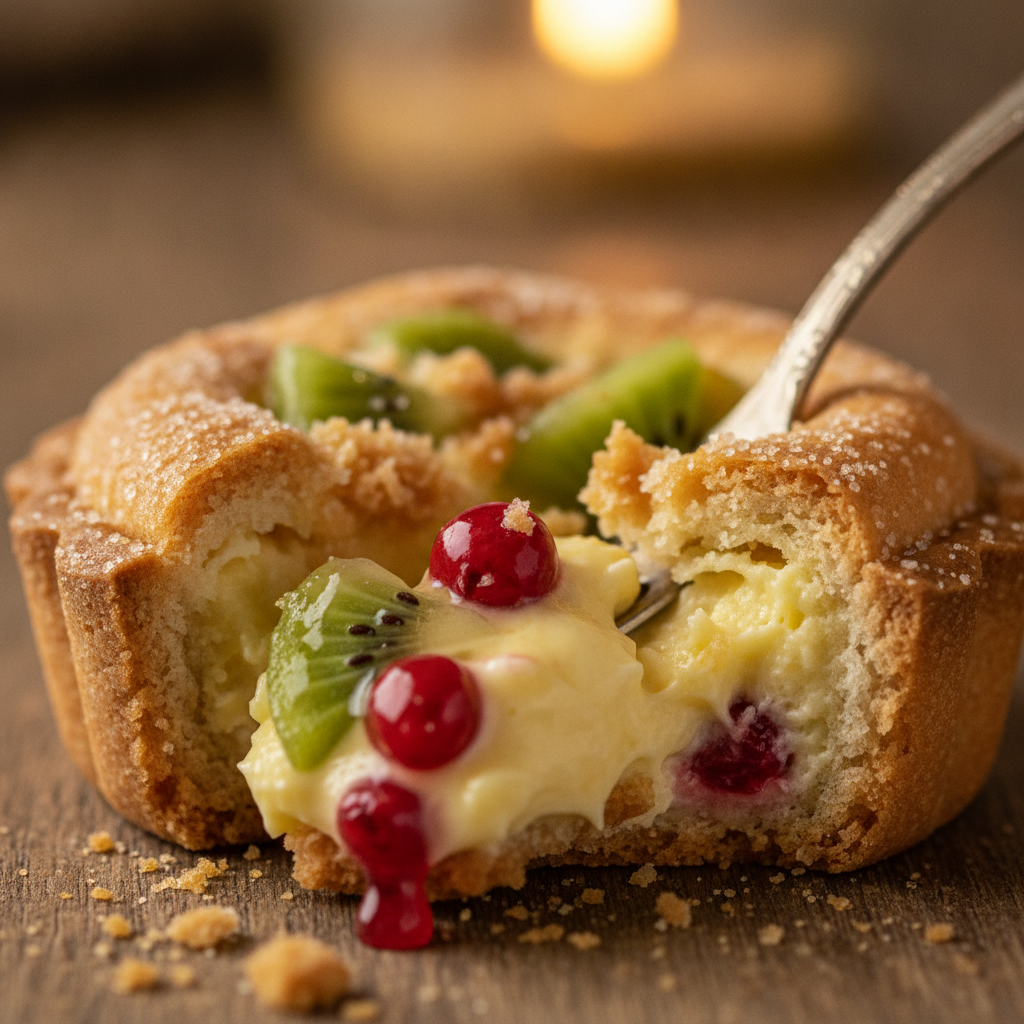
The taste of a tart is, in a word, 'sensory satisfaction.' From the crisp sound of the fork meeting the crust, to the fragrant aroma that stimulates the palate, and the symphony of diverse textures and flavors that unfolds in the mouth, a tart awakens all senses. First, the texture of the crust is the most crucial factor in defining a perfect tart. The delicate crispiness that crumbles gently with each bite, combined with the savory buttery flavor, fills the mouth with happiness. This crispiness is even more appealing in contrast to the softness of the filling. The filling is like the 'soul' of the tart. A sweet and sour lemon tart offers an exquisite harmony of refreshing zest that makes your mouth water and smooth cream. With one bite, the electrifying sourness of lemon is felt first, followed by the sweet cream gently enveloping it, leaving a pleasant aftertaste. Fruit tarts preserve the fresh taste and aroma of seasonal fruits. The unique charm of each fruit—the sweetness and subtle acidity of strawberries, the freshness of blueberries, the fragrance of peaches—meets soft custard cream or almond cream to create a fantastic harmony. Chocolate tarts are the pinnacle of rich and deep sweetness. The bitterness of dark chocolate combined with the smooth sweetness of milk chocolate delivers a rich chocolate flavor that fills the mouth. The texture of the ganache, melting smoothly, offers an ecstasy like walking on clouds, and when nuts are added, it becomes even more perfect with added savoriness and chewing pleasure. Whatever the tart, one bite reveals a harmonious blend of crispiness and softness, along with diverse tastes and aromas, leading to the zenith of gastronomic experience. A tart is not just a simple sweetness; it is a magical presence that offers small joys and happiness in life.
Recommended Tart Shops
If you've fallen in love with the charm of tarts, visit these tart shops that are highly popular on social media. Each with its unique character and taste, these places will enrich your culinary experience.
1. TARR TARR
Location: Major cities nationwide (Gangnam branch, Hongdae branch, etc.)
Features: Famous for its visually stunning fruit tarts piled high with fresh seasonal fruits. The crispy crust baked fresh every morning, soft cream, and the harmonious blend of various fruits are exquisite. Especially popular are the seasonal limited menus like strawberry tart and muscat grape tart. Its charming and pretty interior also makes it a popular date spot.