
Tradition
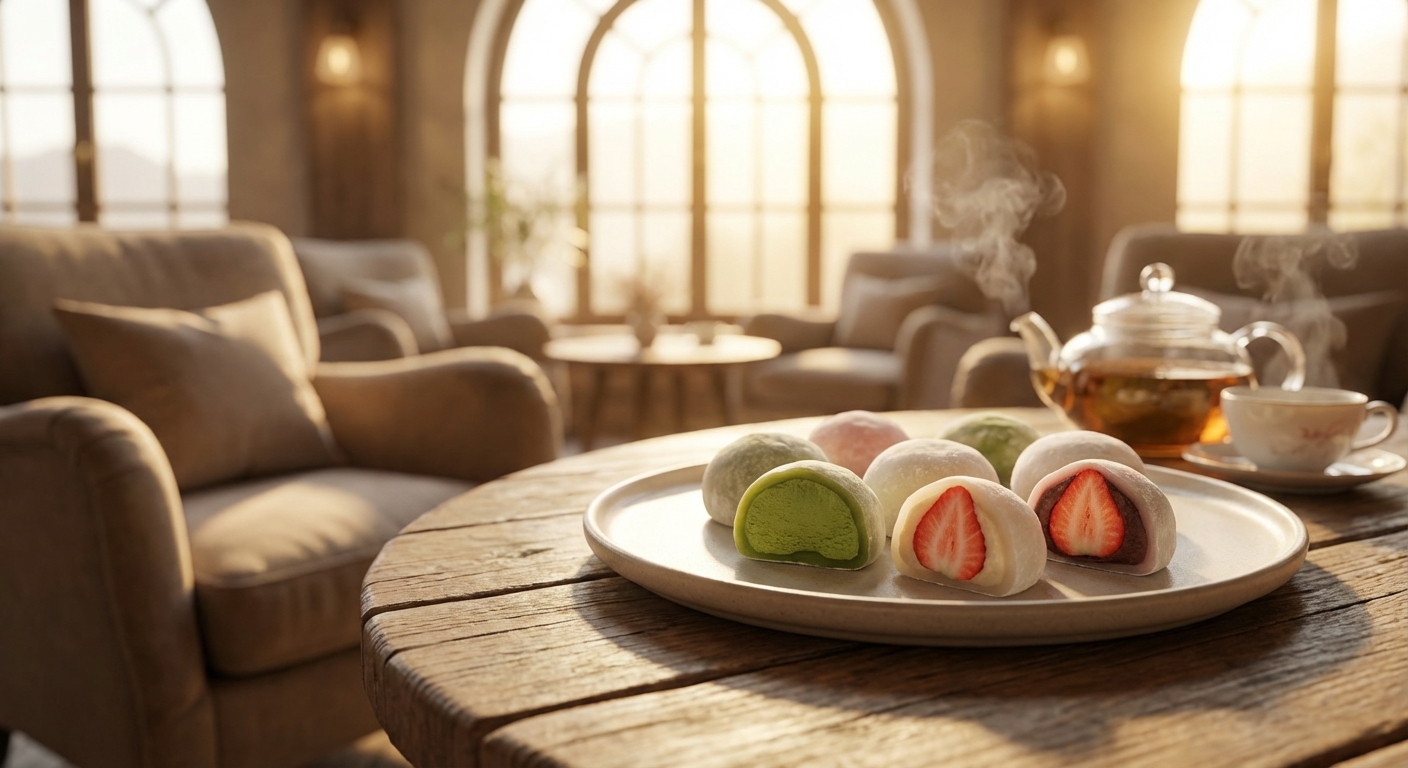
Daifuku is a traditional Japanese dessert that embodies the wish for good fortune, as its name translates to 'great luck'. It is believed that these small rice cakes bring blessings and are often featured at special occasions like weddings and childbirth. Traditionally served in formal settings, daifuku has become an integral part of Japanese life, symbolizing more than just a sweet treat.
History
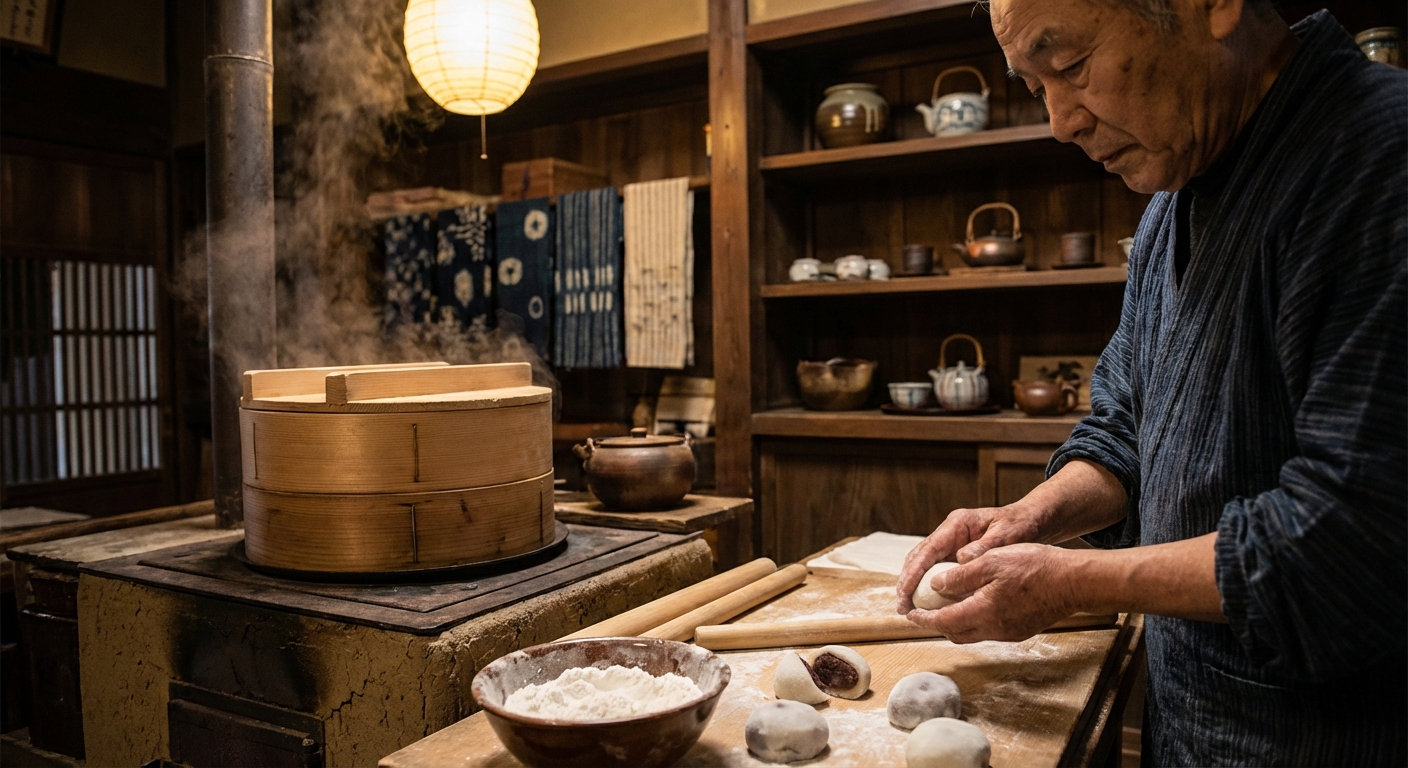
Tracing back to the Edo period in the 18th century, daifuku initially appeared as simple rice cakes known as 'habisuke'. Over time, it evolved with the addition of various ingredients and cooking techniques, reaching the form we enjoy today. The Meiji era saw daifuku gain widespread popularity, showcasing the treat's ability to adapt and evolve through Japanese history.
Manufacturing Method
Traditionally, daifuku is made using glutinous rice. The rice is soaked in water until soft, then steamed and pounded in a mortar to create a chewy mochi. Inside, sweet fillings like red bean paste are common, though variations like matcha, strawberry, and yuzu have gained popularity. Crafting daifuku is a time-intensive process requiring skill and dedication, reflecting the love and effort put into each piece.
Food Stories and Eating Methods
Daifuku pairs beautifully with tea, especially Japanese green tea or hojicha, balancing the sweetness of the mochi with the tea’s slight bitterness. Seasonal variations such as cherry blossom daifuku in spring and yuzu daifuku in summer bring unique flavors that highlight the best of each season's produce, adding a special touch to this delightful treat.
Taste
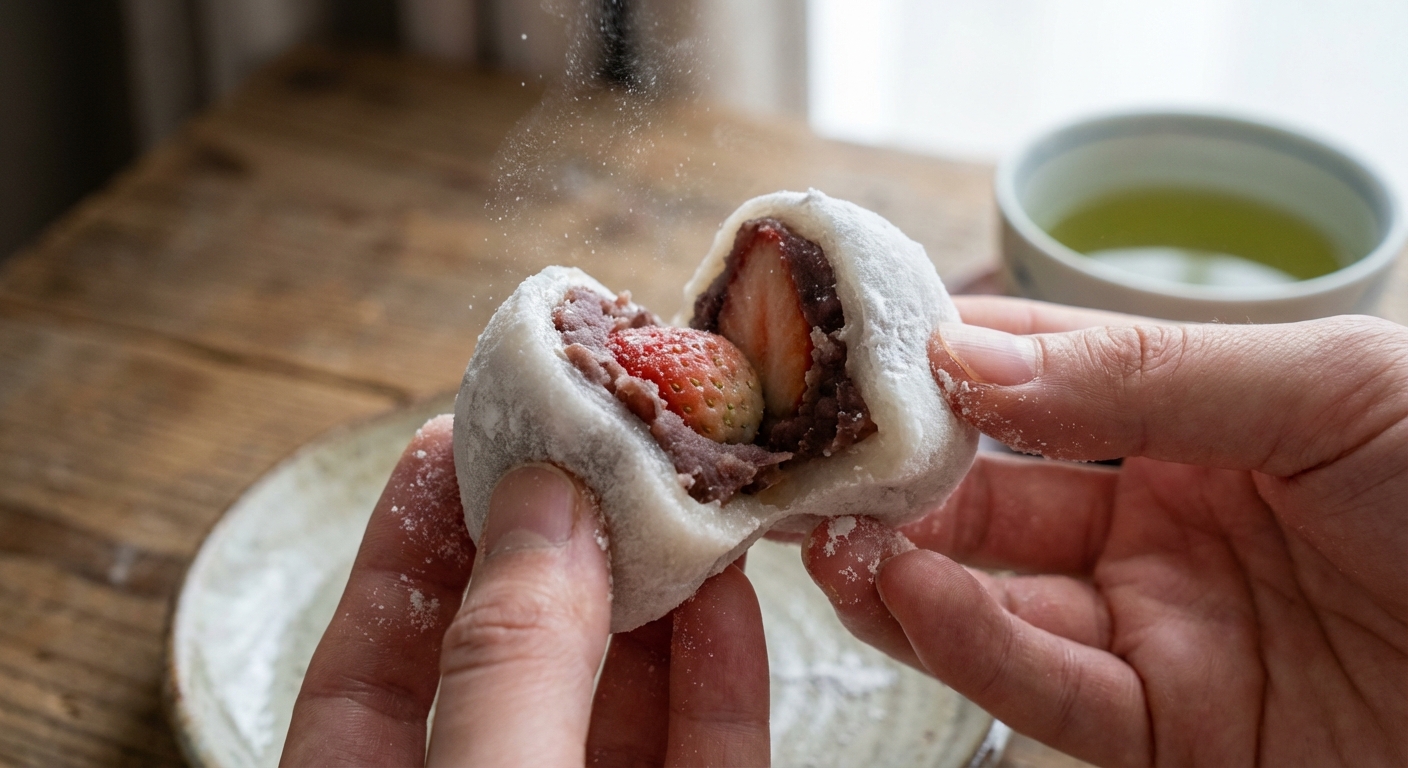
The soft and chewy texture of daifuku is a delight on its own. When bitten into, the gentle, sticky mochi gives way to the sweet, rich filling that floods the palate. Red bean paste offers a subtle sweetness with a deep flavor, while fragrant yuzu or fresh strawberry fillings provide a unique twist. This harmonious blend of flavors makes daifuku unforgettable after just one taste.
Recommended Spots
Here are some popular spots to enjoy daifuku.
Mochiya Shinjuku
Location: Shinjuku, Tokyo
Features: Offers traditional daifuku alongside creatively flavored options. Enjoy a wide variety of daifuku made with fresh ingredients.
Daifukuya Kyoto
Location: Gion, Kyoto
Features: Experience daifuku in a serene, traditional teahouse setting. The special seasonal menu is a highlight.
Online Purchase Recommendations
Here are some popular daifuku products available on Naver Shopping.
Morinaga Daifuku
Brand: Morinaga
Features: A set with various flavors, perfect for enjoying at home.
Naver Shopping Link
``` I hope this content captures the essence and sweetness of Daifuku in a way that resonates with both traditional and modern sensibilities.Sanriku Handmade Daifuku
Brand: Sanriku
Features: Lovingly handmade, this daifuku is available in limited quantities, adding an extra special touch.
Naver Shopping Link