
Tradition
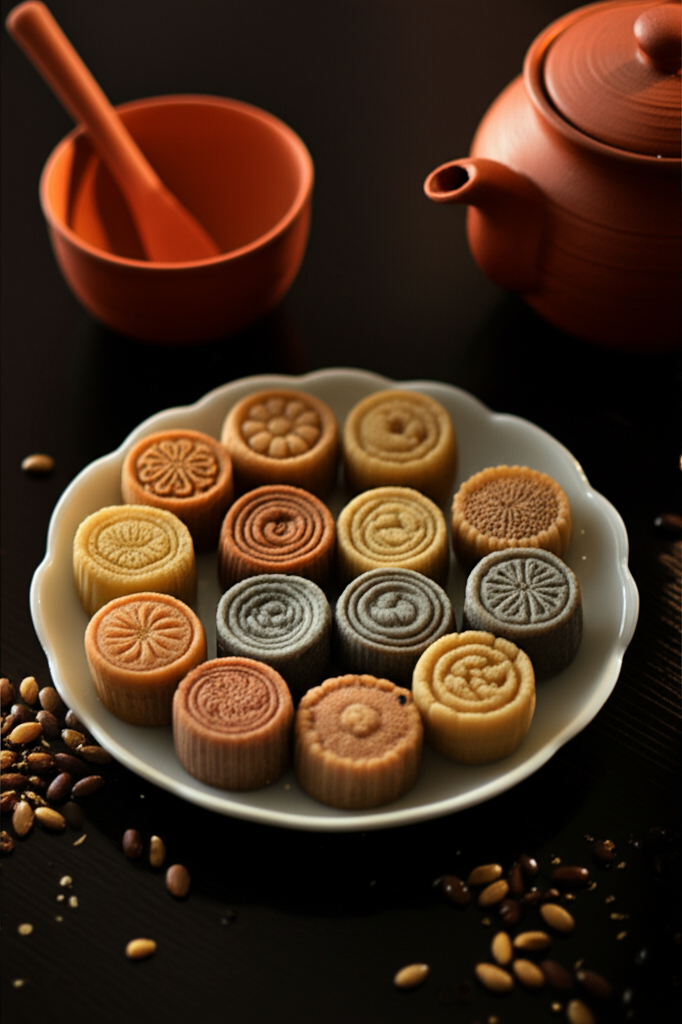
Dasik is a little treasure of Korean tradition. Deeply connected with tea culture, it was a precious snack used in royal courts for hosting esteemed guests. It is not just food; it is a cherished cultural heritage passed down through generations. Typically served with tea during holidays or significant events, each piece of Dasik carries the wisdom and care of our ancestors. Its shapes resemble nature, crafted into flowers and various other forms, making it visually captivating.
History
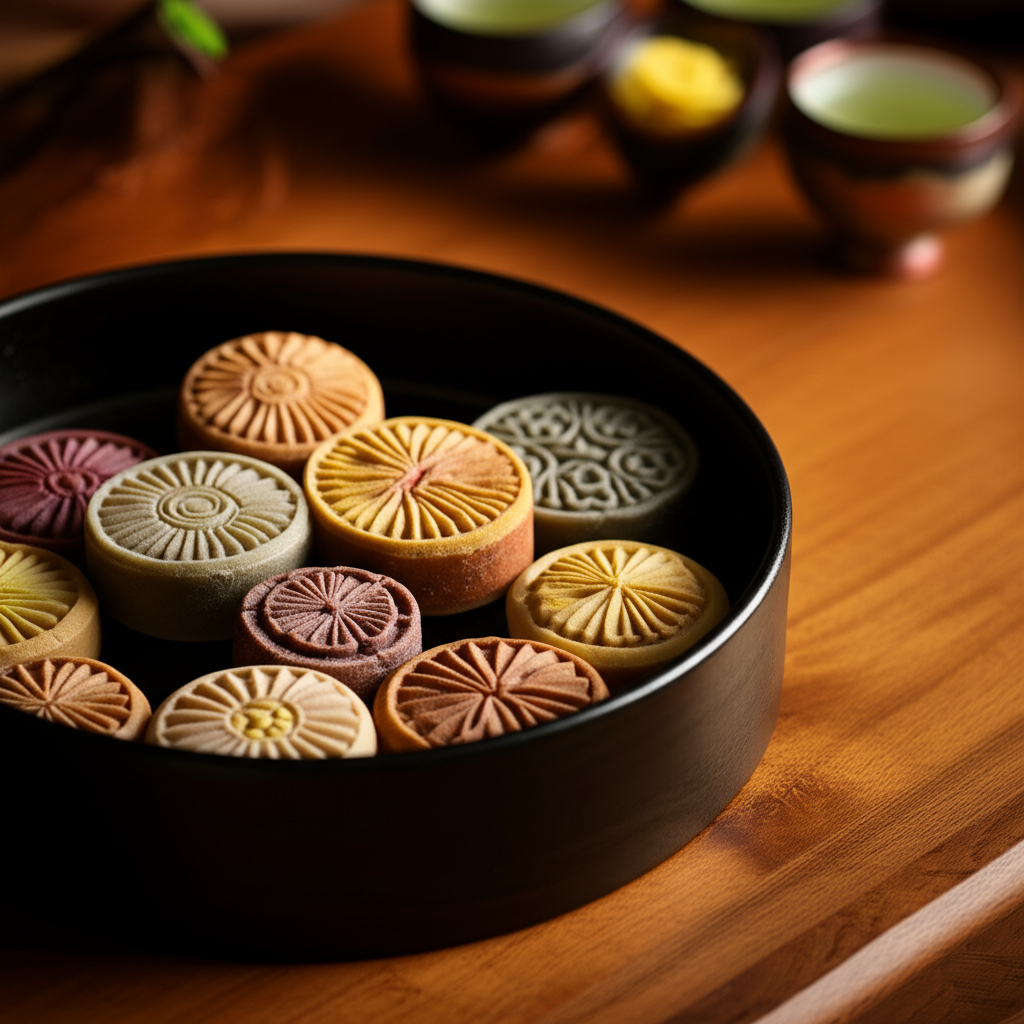
The history of Dasik dates back to the Joseon Dynasty, where it was made for welcoming guests at the royal court. It was initially crafted using rare ingredients like honey and rice flour to add sweetness. Over time, different grains and ingredients were incorporated, evolving into the diverse flavors and shapes of today's Dasik. Though it has subtly changed with the times, it still retains its original charm.
Manufacturing Process
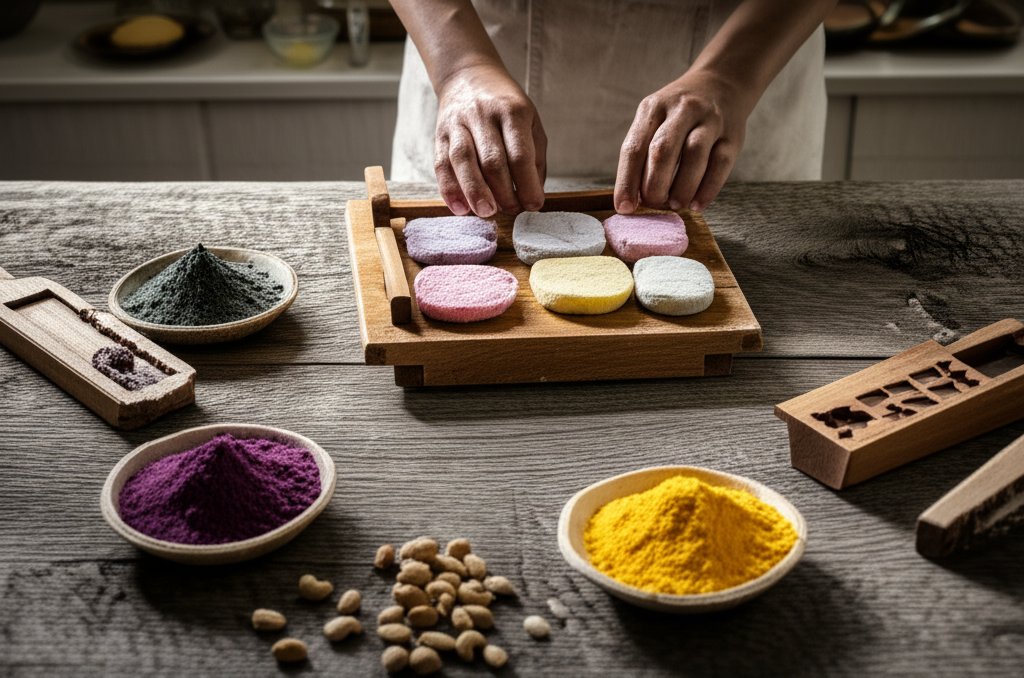
The traditional process of making Dasik requires patience and dedication. The main ingredients include rice flour, honey, and nuts, fundamental to traditional Dasik. First, rice flour is sifted finely, then mixed with honey to form a dough. This dough is pressed into molds by hand, creating various shapes. This process requires skilled hands, and the molds have different patterns to create diverse designs. Occasionally, ingredients like soybean flour or green tea powder are added to diversify the taste.
Food Story and How to Enjoy
Dasik is best enjoyed with traditional tea. The subtle sweetness of Dasik complements teas such as green tea or black tea. Ingredients vary by season, with floral-shaped Dasik in spring and nut-filled versions in autumn. While it is a delightful snack on its own, pairing it with traditional tea culture enhances its flavor.
Taste
Each small bite-sized piece of Dasik gently melts in your mouth. It offers a pleasant sweetness with a harmonious blend of nuttiness and natural honey. The versions with nuts release a rich aroma as you chew, while those with green tea powder have a clean and refreshing finish. The diverse shapes and colors add visual enjoyment to the tasting experience.

Recommended Eateries
Jeonju Dasikdang: Located in Deokjin-gu, Jeonju, this place adheres to traditional Dasik making, offering a variety of flavors.
Seoul Royal Dasik: Situated in Jongno-gu, Seoul, this shop uses recipes directly passed down from the royal court, boasting authenticity.
Busan Haeundae Dasik Café: Located in Haeundae-gu, Busan, this café presents Dasik with a modern twist.
Online Purchase Recommendations
Traditional Dasik Set - Hangawi Dasik: Comes in an elegant package, perfect for gifts.
Mixed Dasik Set - Taste of Korea: A set that allows you to enjoy a variety of flavors at once.
Green Tea Dasik - Scent of Nature: Harmonizes the subtle fragrance of green tea with the sweetness of Dasik.
``` This story captures the richness and depth of Dasik, emphasizing its cultural significance, historical roots, delicate craftsmanship, and delightful taste, embellished with recommendations for enjoying and purchasing this traditional Korean delight.